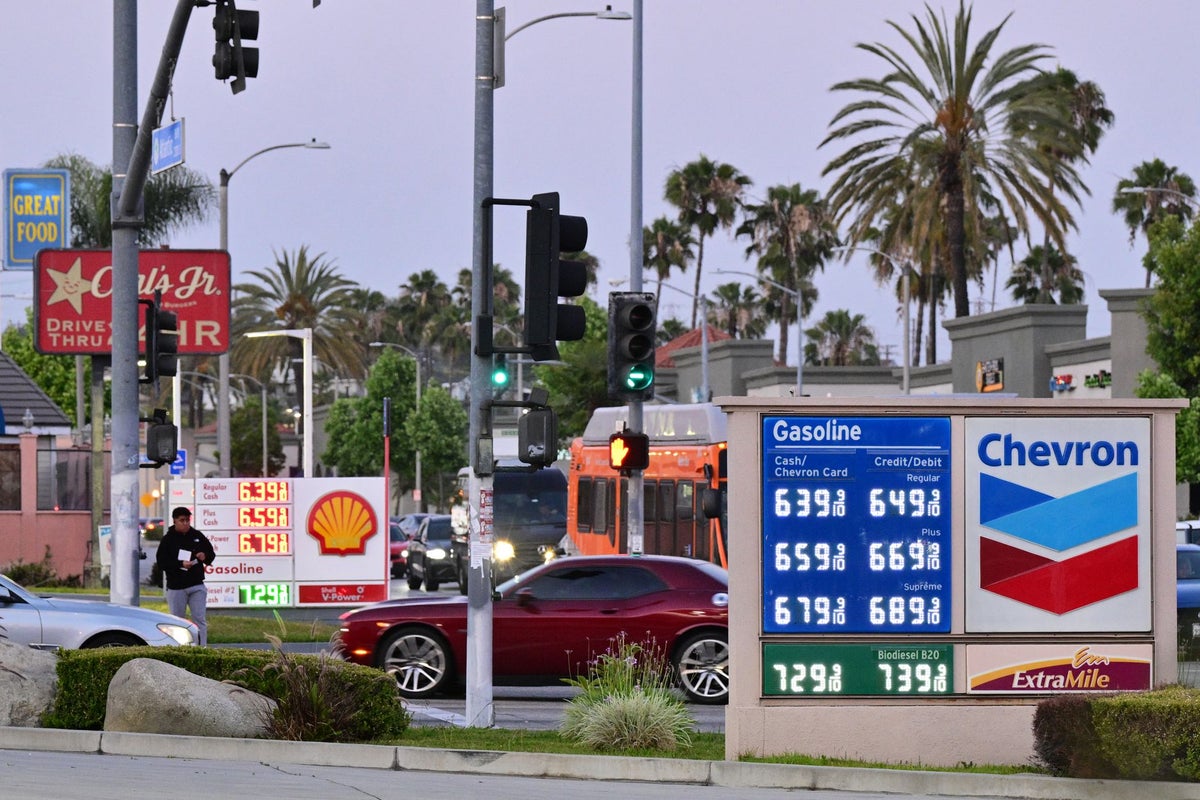
Chevron’s CEO has warned that he isn’t sure how high gas prices could get as Donald Trump continues to try to bring an end to the two-month-long Iran war.
Mike Wirth was interviewed on CBS’s Face the Nation on Sunday and said that the war had exposed the relative futility of some measures taken to avert price shocks for consumers while warning that gas prices were not done rising, at least for now.
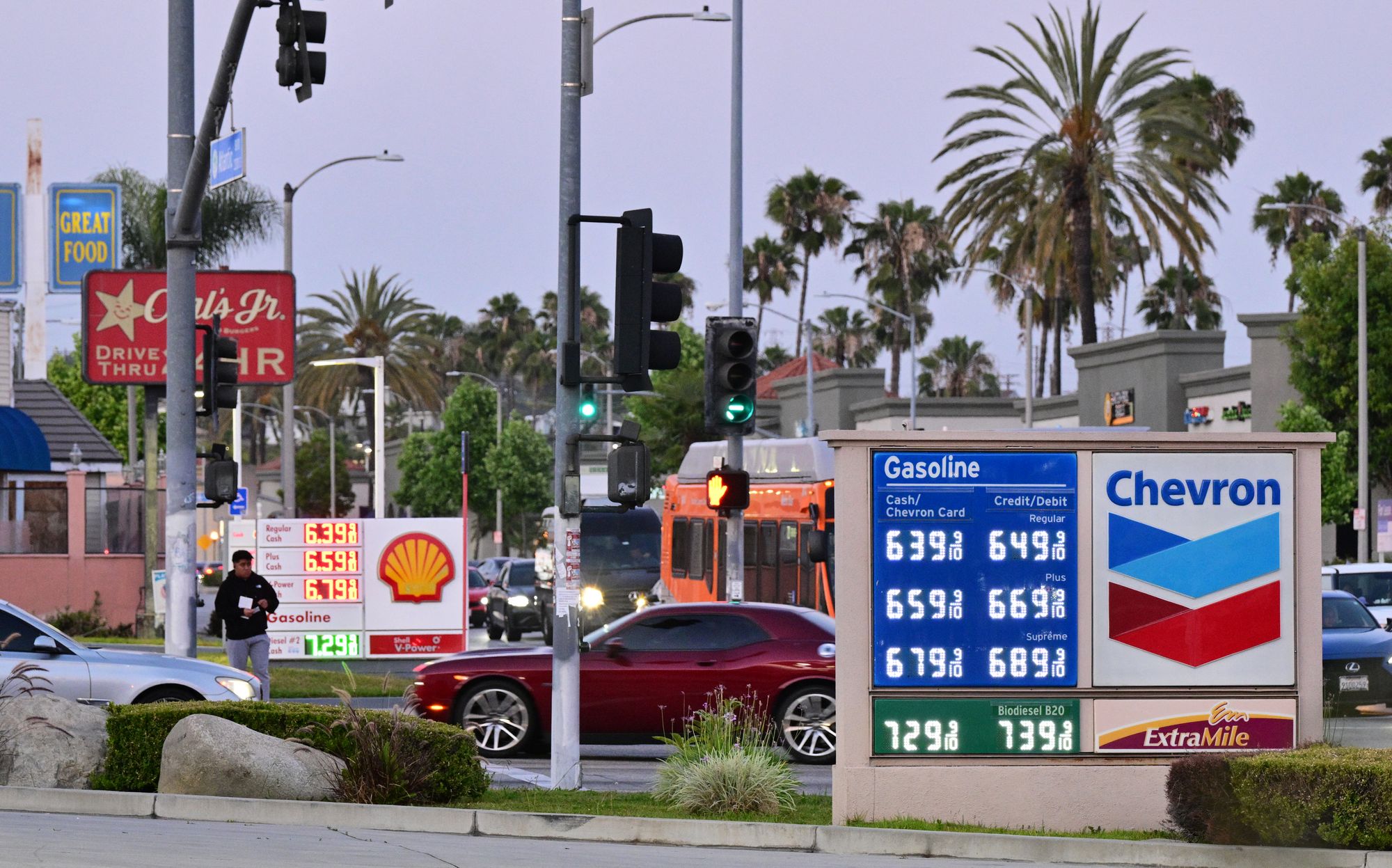
Gas prices are nationally averaged at $4.46 for a gallon of low-grade fuel. Wirth said it was “very hard to say” that gas prices had peaked, as some administration officials have hurriedly insisted over the past month. Now, negotiations over a ceasefire deal have collapsed and Iran’s grip over the Strait of Hormuz has so far proved impossible for the U.S. to shake loose.
Wirth added to CBS’s Margaret Brennan that there were a number of “upward pressures” on gas prices, including the continued supply problems exacerbated by the strait’s closure, and said that prices were reaching the point where the market risks a severe drop in demand for fuel, further increasing volatility in the economy and making things worse for consumers throughout different sectors of goods and services.
“The shock absorbers are being drained out of the system, which means there’s this upward pressure on price, because supply is getting tighter and the ability to resupply is getting more difficult, and that increases the likelihood of volatility,” said Wirth.

He added that jet fuel, where price hikes are now being blamed for suddenly pushing the long-struggling budget airline Spirit out of business, is likely to keep rising in price over the summer months. The rising costs could cause many families to scale back or cancel summer vacations altogether. Still, an annual global travel survey conducted in April found that 51 percent of Americans plan to take some form of international travel this summer.
“It’s not flowing today. So, we are seeing jet fuel tighten very quickly in Europe, in Asia, and we’re seeing airlines announce adjustments in their flight schedules,” Wirth said. “I think aviation is clearly an area where it’s going to probably get worse over the next few weeks.”

A Washington Post/ABC News/Ipsos poll released last week found that more than four in ten Americans say they are driving less to conserve fuel and cutting household costs amid the crisis, and more than a third have already dialed back some summer vacation plans.
And nearly two-thirds blame Trump in particular for the crisis, according to a Quinnipiac poll.
Even as most senior Cabinet officials have backed away from predictions that the war will end soon, White House press officials and the president himself remain adamant that the administration can reach pre-Biden fuel cost levels before the end of Trump’s term.
“The President brought oil and gas prices down to multiyear lows at record speed, and as traffic in the Strait of Hormuz normalizes, these energy prices will plummet once again,” a White House spokesperson told the Post this week.