





Florida’s attorney general launched a criminal investigation on Tuesday into OpenAI’s ChatGPT over whether the artificial intelligence app provided guidance to a gunman who killed two people and injured six others last year at Florida State University.
Attorney General James Uthmeier said prosecutors had conducted an initial review of chat logs between ChatGPT and the suspect, Phoenix Ikner, to assess whether the AI app assisted, encouraged or advised the commission of a crime.
According to Uthmeier, investigators believe the chatbot may have offered suggestions on the type of firearm and ammunition to use, whether a gun would be effective at close range, and which time and location could result in the highest number of potential victims.
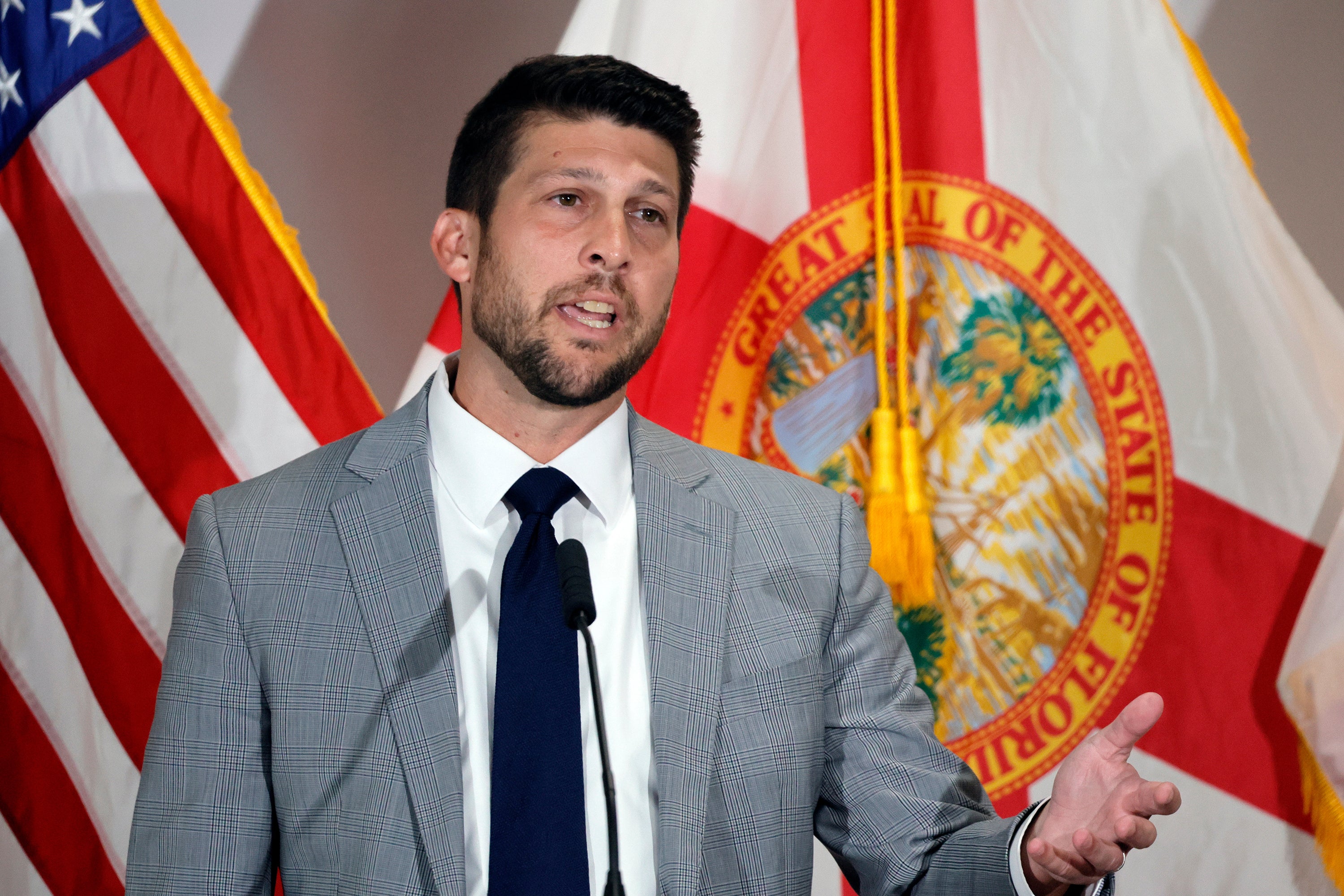
“My prosecutors have looked at this, and they’ve told me that if it were a person on the other end of that screen, we would be charging them with murder,” Uthmeier said at a news conference in Tampa. “Now, of course, ChatGPT is not a person, but that does not absolve our office and my prosecution team from our duty to investigate whether there is criminal culpability here.”

Florida’s Office of Statewide Prosecution has subpoenaed OpenAI for records of its policies and training materials regarding threats to harm others, and for its policies on reporting “possible past, present, or future crime,” according to the attorney general’s office.
OpenAI spokeswoman Kate Waters called the FSU shooting a tragedy but said the company had no responsibility. The company proactively shared information with law enforcement and continues to cooperate with investigators, she said Tuesday.
“In this case, ChatGPT provided factual responses to questions with information that could be found broadly across public sources on the internet, and it did not encourage or promote illegal or harmful activity,” Waters said in an email.
Uthmeier conceded that his office was venturing into “uncharted territory” by launching a criminal probe into whether a chatbot contributed to the commission of a crime. His office also has initiated a civil probe, he said.
Several civil lawsuits have sought damages from AI and tech companies over the influence of chatbots and social media on loved ones’ mental health. Last month, a jury in Los Angeles found both Meta and YouTube liable for harms to children using their services. In New Mexico, a jury determined that Meta knowingly harmed children’s mental health and concealed what it knew about child sexual exploitation on its platforms.
Also last month, a man sued Google for the wrongful death by suicide of his son and product liability claims, the latest in a growing number of legal challenges against AI developers that have drawn attention to the mental health dangers of chatbot companionship.
Ikner faces two counts of first-degree murder and several counts of attempted first-degree murder in the shooting that terrorized the campus in Florida’s capital city.
Ikner is the stepson of a local sheriff’s deputy, and investigators say he used his stepmother’s former service weapon to carry out the shooting. Prosecutors in the case intend to seek the death penalty.
Uthmeier, a Republican, was named to the position by Florida Gov. Ron DeSantis, after the GOP governor appointed then-Attorney General Ashley Moody to the U.S. Senate seat vacated by Marco Rubio when he became the secretary of state in President Donald Trump’s second administration.
Uthmeier is running in November to be elected to the position on his own.
DeSantis has called a special session for the end of the month to consider an “Artificial Intelligence Bill of Rights,” as well as redraw congressional districts.

