
With a distinctive horn, a ringing bell, and the familiar hiss of air brakes, a unique rail vehicle departs a Budapest depot, continuing a century-long service to the Hungarian capital’s public transport system.
These so-called freight trams, affectionately known as ‘mukis’, operate on electricity from overhead wires, traversing Budapest’s extensive tram network – one of the world’s busiest.
Yet, unlike the hundreds of iconic yellow passenger trams, these vehicles transport goods, not commuters.
Acquired by the city in 1926, the wood-sided trams were born out of necessity.
They were crucial for moving goods and raw materials to and from Budapest’s factories, filling a vital gap after much of the local freight infrastructure had been devastated during the First World War.
Ádám Zadravecz, head of tram vehicle development and technology at Budapest’s public transit company BKV, explained their ingenious origins: “Engineers at the time designed an electric drive system mainly using parts from vehicles damaged in the war, as well as parts from vehicles that had already been designated for scrapping.”

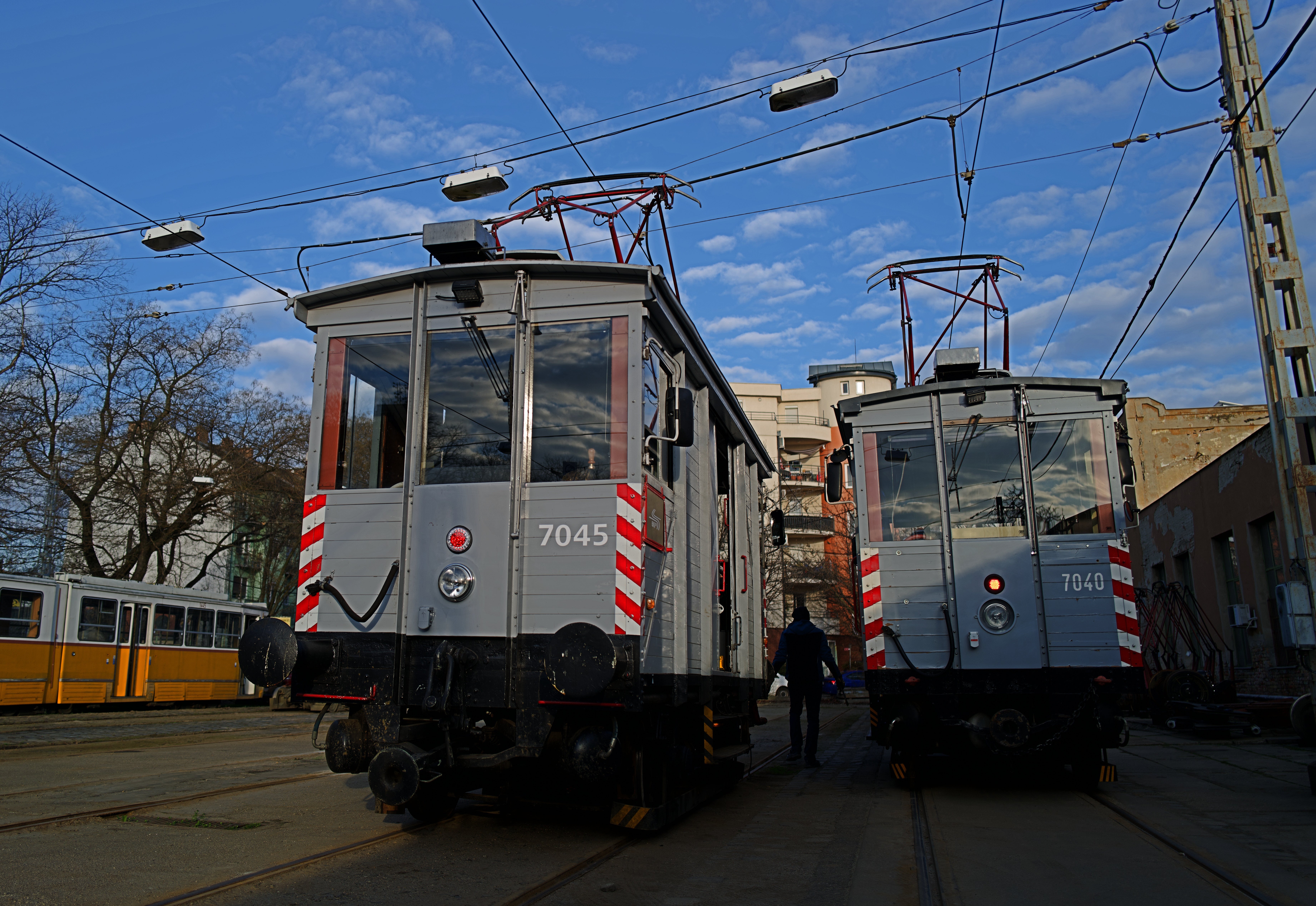
He added that while their “primary purpose was freight transport, after World War II, these vehicles were also used for removal of the war ruins.”
Over time, the mukis’ function changed as Hungary recovered. In the 1960s, some of the original 40 trams were equipped with a snowplow, enabling them to clear the city’s tram tracks in winter, as they do today.
They also perform nighttime maintenance runs, and transport broken-down trams into depots for repairs.
Various parts on the trams were gradually replaced, resulting in a mishmash of components. By 2018, the mukis were due for a more comprehensive refurbishment.
“When they were manufactured in the 1920s, they were extremely simple, extremely puritanical devices,” said Nándor Meixner, head of vehicle maintenance at Budapest’s Ferencváros depot.
“During the refurbishment, we strove to make our colleagues’ work easier. That is why, for example, a seat was added to the vehicle, so that the driver can at least sit down.”

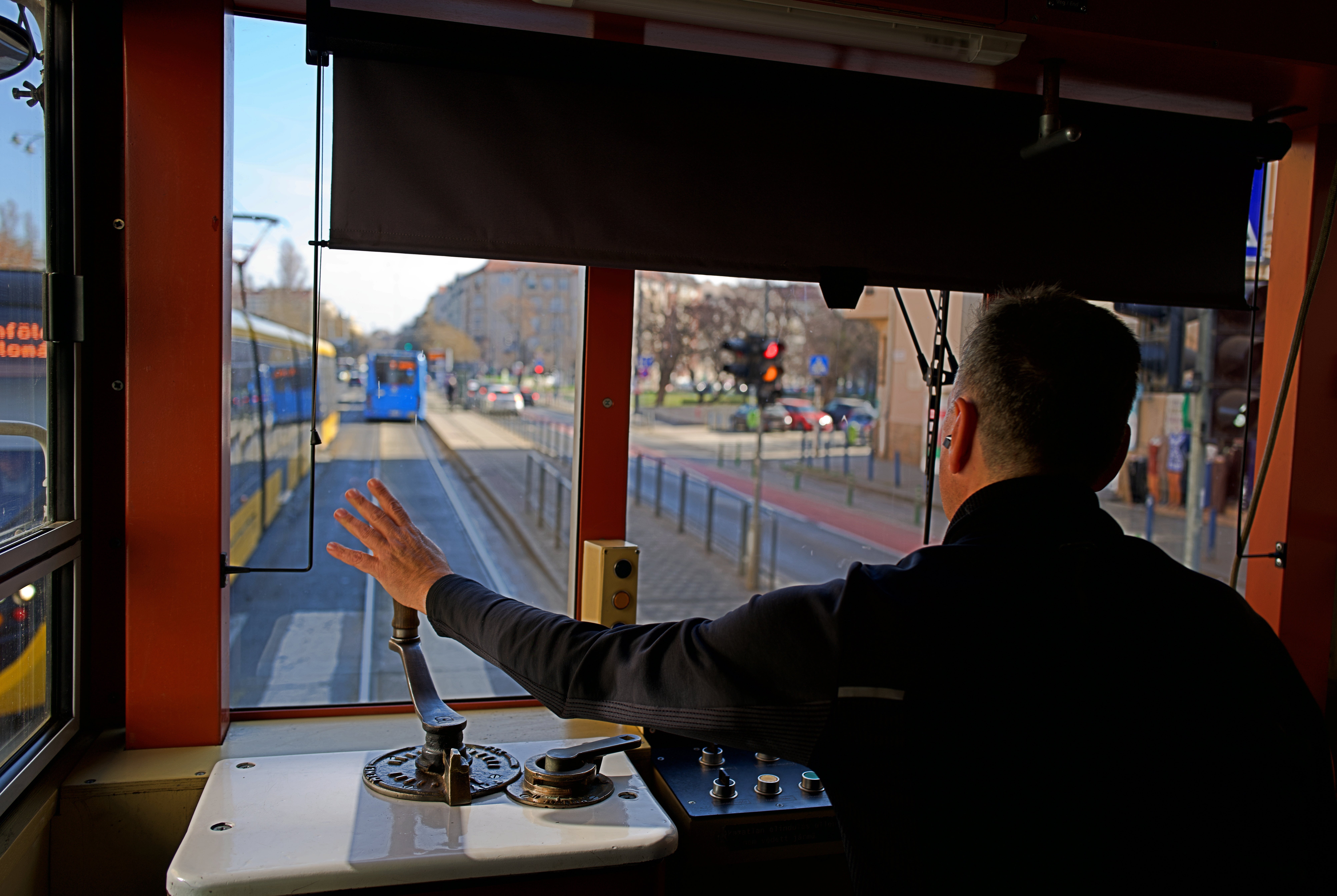
Another addition: The trams were equipped with heating in the cabin.
Despite the changes over the last 100 years, Zadravecz said the trams’ overall nature remained the same.
“Their maintenance costs is almost zero because these trams are very easy to maintain. Compared to the complex electronics of today’s vehicles, there is very little in them that can break down,” he said.
“People say that it can be repaired with a hammer and a file, and that’s absolutely true.”
Driving them requires special training, however, as well as what Meixner called a certain “feel” for the vehicle.

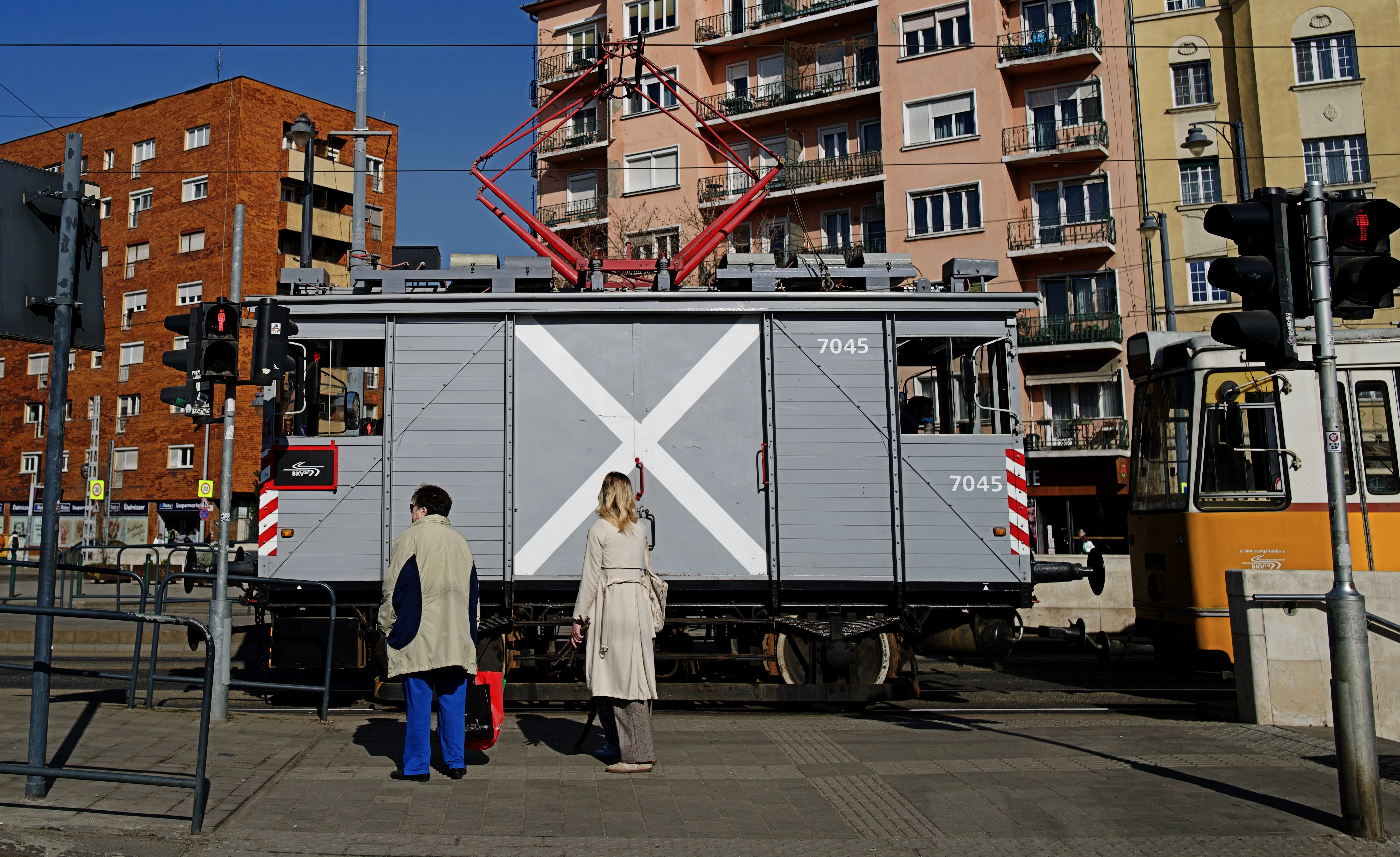
“It is not enough to just drive, to know the signs and instructions, you also need to know the vehicle itself. We used to say that the driver has to drive this vehicle with his butt,” he said.
Of the original fleet of 40 mukis, only six have survived the last 100 years in Budapest, with three in active use.
“The value of these vehicles lies precisely in their simplicity, in the pure fact that they exist and are available to us,” Zadravecz said.