






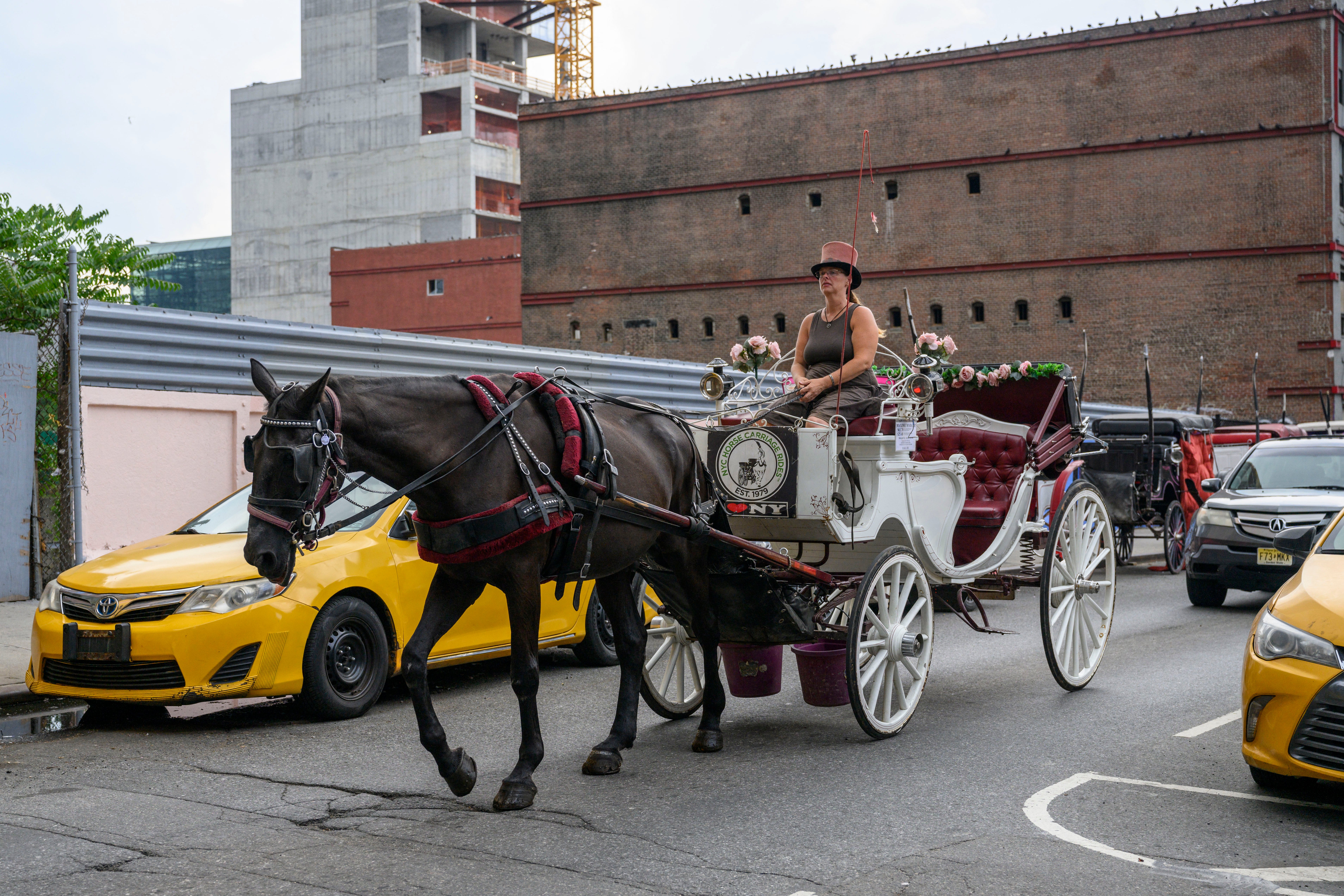
A carriage horse in New York City reportedly died after it ate a toxic plant, according to a recent necropsy report.
The horse, named Deniz, was giving a ride in Central Park on June 10 when it stopped to eat a shrub growing along a curb, the Transport Workers Union of America said. A short time after eating the plant, the horse died.
Cornell University’s College of Veterinary Medicine conducted the necropsy and determined the horse ate a Japanese yew. The plant contains a toxic that can cause cardiac arrest in horses and other animals, according to ABC7.
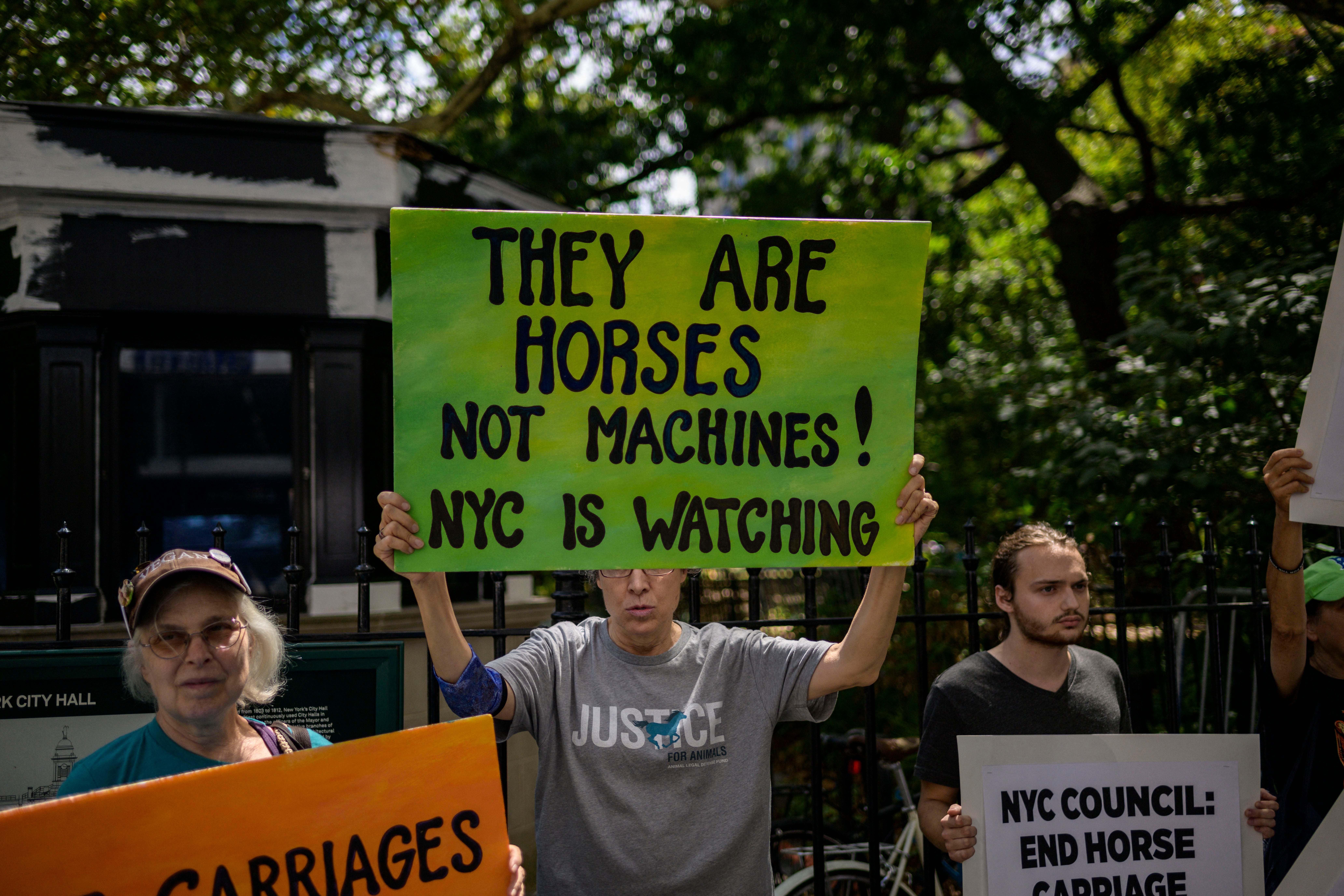
The TWU, which represents New York City carriage drivers, has pointed to the results to defend drivers from activist demands to ban horse carriages in Central Park. Activists and the Central Park Conservancy have complained that the horses are not treated well.
“Deniz’s tragic death was not caused by neglect or abuse or the fact he was a carriage horse – as some animal rights activists and elected officials claimed,” union spokesperson Alexander Kemp said. “Poor Deniz died because the people running the Park Conservancy never warned anyone that there were deadly yew plants in the park. This is negligence at the highest level of the Conservancy.”

The conservancy responded by blaming the horse’s death on the “negligence” of the union. It also added that horses are not allowed to eat any vegetation in Central Park, per city law.
“The same rule requires carriage drivers and operators to attend to their horses at all times in order to keep them safe and healthy. Perhaps if they had, Deniz would not have suffered as he did, and died,” the group said in a statement.
Deniz was 16-years-old at the time of the incident.
One woman, Clara Bermudez, told ABC7 that she saw the incident while she was out on a run.
“I was going on a run and I saw a horse on the floor struggling to breathe, and then the poor horse stopped breathing,” she said.
The carriage had two passengers when the horse died.
Deniz’s owner Nurettin Kirbiyik told the broadcaster that he was devastated by his death and was not negligent in his care.
Christina Hansen, a carriage driver represented by the union, said she hopes the situation will prompt changes to make Central Park safer for horses.
“To find out that over the last however many years, toxic plants have been planted in the park where our horses or police horses or parks department horses or riding horses could easily access them, when a single mouthful is enough to stop a horse’s heart and kill them, it’s just shocking to me,” she told ABC7.

She also pushed back on people who have accused Kirbiyik of mistreating his horse.
“For these people to come and just accuse him of mistreating his animal, that helps him feed his children, is revolting,” she said.
According to the broadcaster, there have been seven incidents involving carriage horses in or near Central Park over the last 13 months. In one incident a horse dashed into traffic and smashed into cars, according to the Central Park Conservancy.
The TWU said that Deniz had passed a physical exam that was conducted by the NYPD’s Mounted Unit veterinarian in March.
