

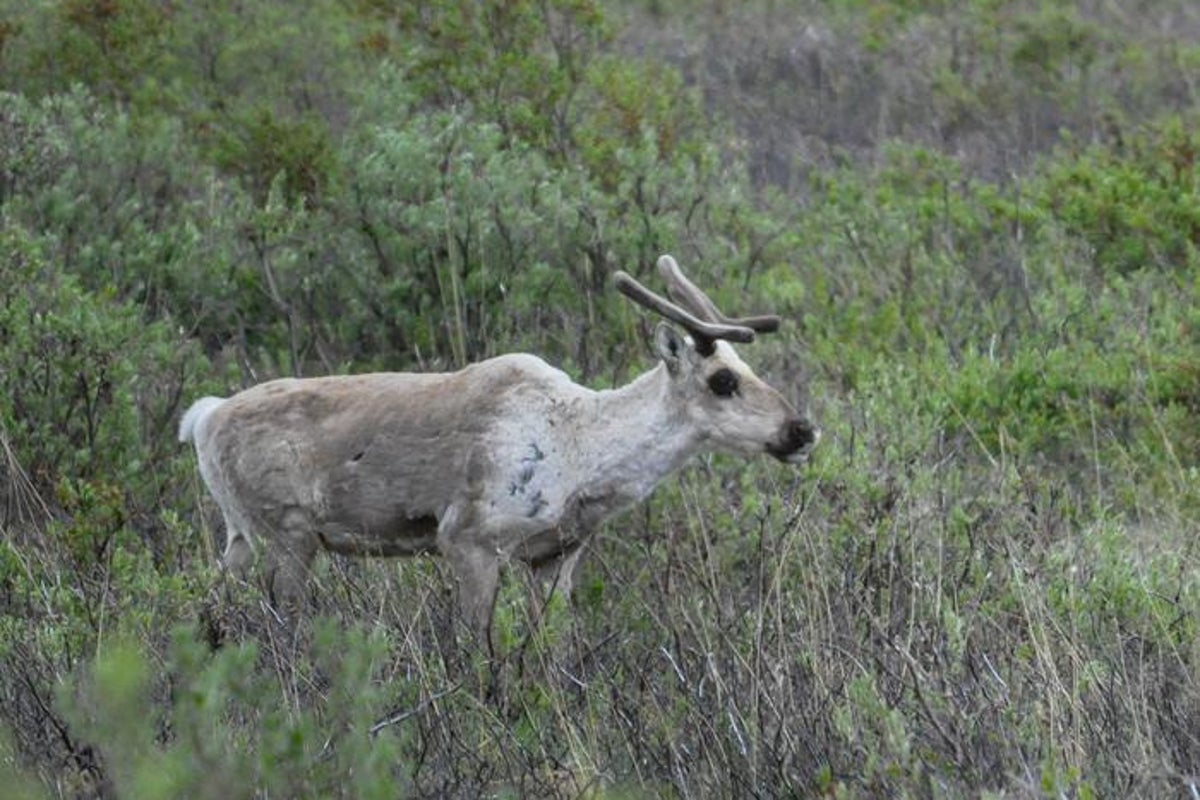
Caribou mothers gnaw on their own antlers for nutrition after their long migration in the cold and dry climate of the Arctic tundra, a new study reveals.
Caribous, also called reindeer, are the only species of deer in which females too have antlers.
Researchers previously theorised that females could be using their antlers to defend against predators or show dominance at feeding sites.
The new study reveals the true evolutionary purpose of female caribou antlers. Researchers say that the females rely on their calcium-rich antlers as a “mineral reservoir” after the 1,500-mile round-trip migration.
In caribou, bony antlers grow from the top of the skull and stretch up to 4ft and weigh as much as 10kg each in males. Female antlers are much smaller.
The study documented antlers shed by caribou in the Arctic tundra that had stayed undisturbed for decades. Researchers found that these antlers provided a ready source of minerals like calcium and phosphorus for foraging caribou at a key time in their migration. Their analysis revealed that most of these antlers had been chewed on.

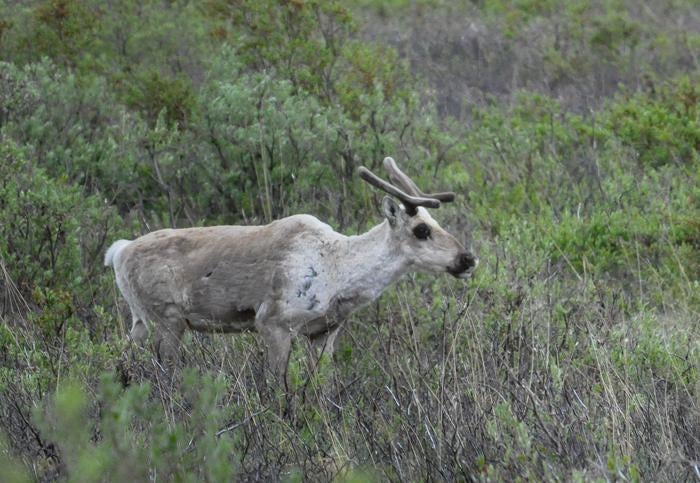
Further examination of the tooth marks revealed the caribou themselves as the prime culprits.
Some 86 per cent of the 1,567 antlers examined in the study showed signs of gnawing and almost all the gnaw marks were left by caribou.
“We knew that animals gnawed on these antlers, but everyone assumed they were mostly rodents. Now we know it’s really caribou,” said Joshua Miller, an author of the study published in the journal Ecology and Evolution.
“My jaw dropped when our results started to become clear,” Dr Miller, a biologist from the University of Cincinnati in the US, added.

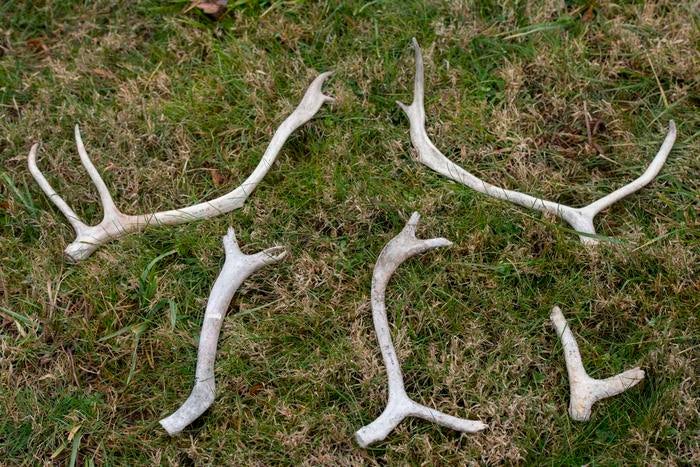
Female caribou shed their antlers within days of giving birth, making them available as a nutritional supplement when they return to the site.
“These antlers last for centuries or longer in the Arctic and they are a source of nutrients that get revisited again and again,” Dr Miller said.
Minerals from the antlers also return to the soil and help support the growth of grasses and lichens the caribou eat.
“They are engineering this habitat, seeding the landscape with these super-important minerals that can be quite hard for animals to get enough of,” Dr Miller said.
“Phosphorus in particular is very important for new mothers trying to produce high-quality milk for feeding their young. Caribou bring literally tons of phosphorus to their calving grounds every year.”