

A recent news headline made its way across the international wires: a woman unsuccessfully sued an Italian hotel because its restaurant refused to serve her tap water with her meals. The Italian Supreme Court ruled against her and averred that Italian hotels and restaurants have no obligation to serve tap water to their guests and can instead charge them for bottled water.
Whether or not the lawsuit was frivolous or the rule is unjust, the fact remains: ordering tap water is just one of a long list of “don’ts” in Italy. I’ve lived here for 17 years and sometimes I feel like I’m still learning the ropes. But the following are some of the top faux pas — in Italian we’d call them a gaffe — I share with guests. Take note: some of these are minor; others can get you kicked out of the city. To help you avoid a lifetime ban, I’ve rated them on a scale of severity.
The no cappuccino after 11am thing
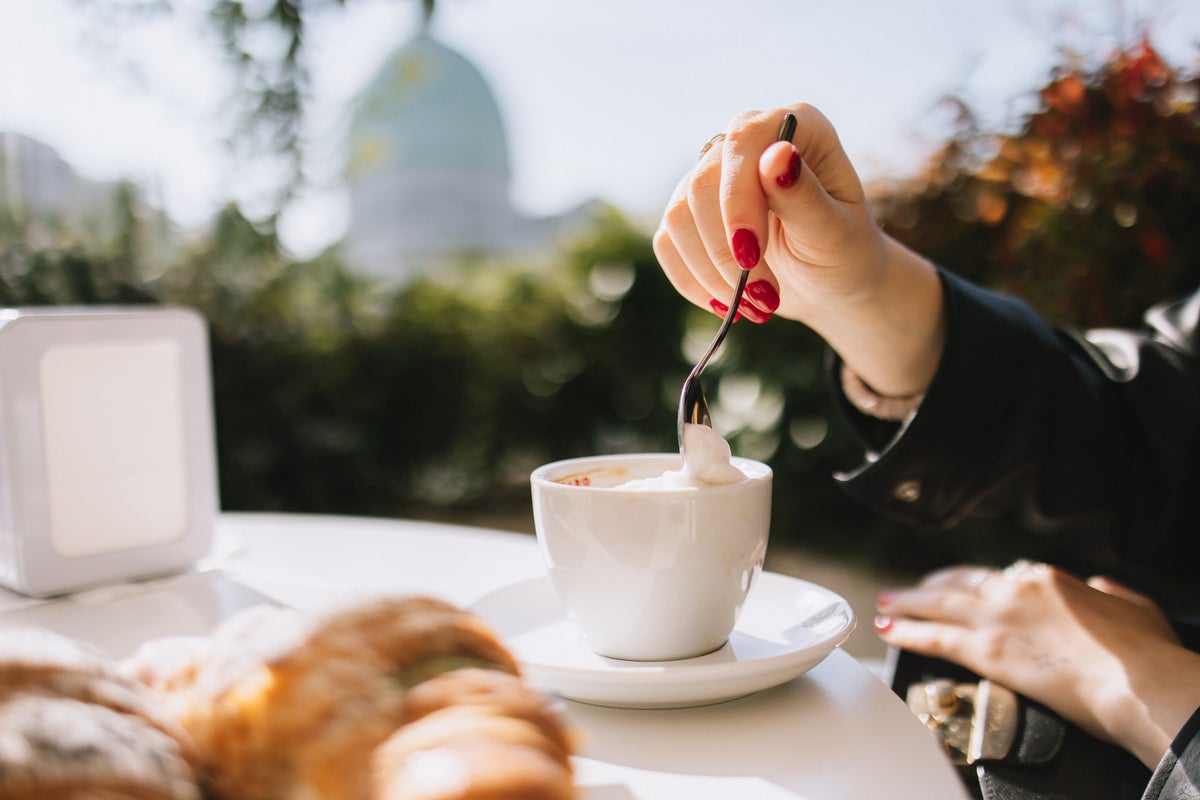
It’s not that the waiter is being rude. They just want to help you avoid an upset stomach. The belief in Italy, which is not wrong, is that milk impedes digestion, which is why you shouldn’t have a milky drink after a big meal. That said, if you order a cappuccino at any time of day, even to accompany your lasagna, you will be served a cappuccino. But expect it to come with a bit of eye rolling from your server. Infraction rating: 1/10
Eating in certain public areas
Wandering through a piazza with a slice of pizza or a cone of gelato is perfectly acceptable. Sitting on the Spanish Steps, the Rialto Bridge, or even on church steps to eat your panino is not okay. Eating, or in some cases, even sitting at a public landmark will get you shushed away, or worse case, ticketed by local police. Spreading out a picnic on church steps might get you a scolding from a local nonna. Infraction rating: 6/10
Pre-dinner dipping of bread in olive oil
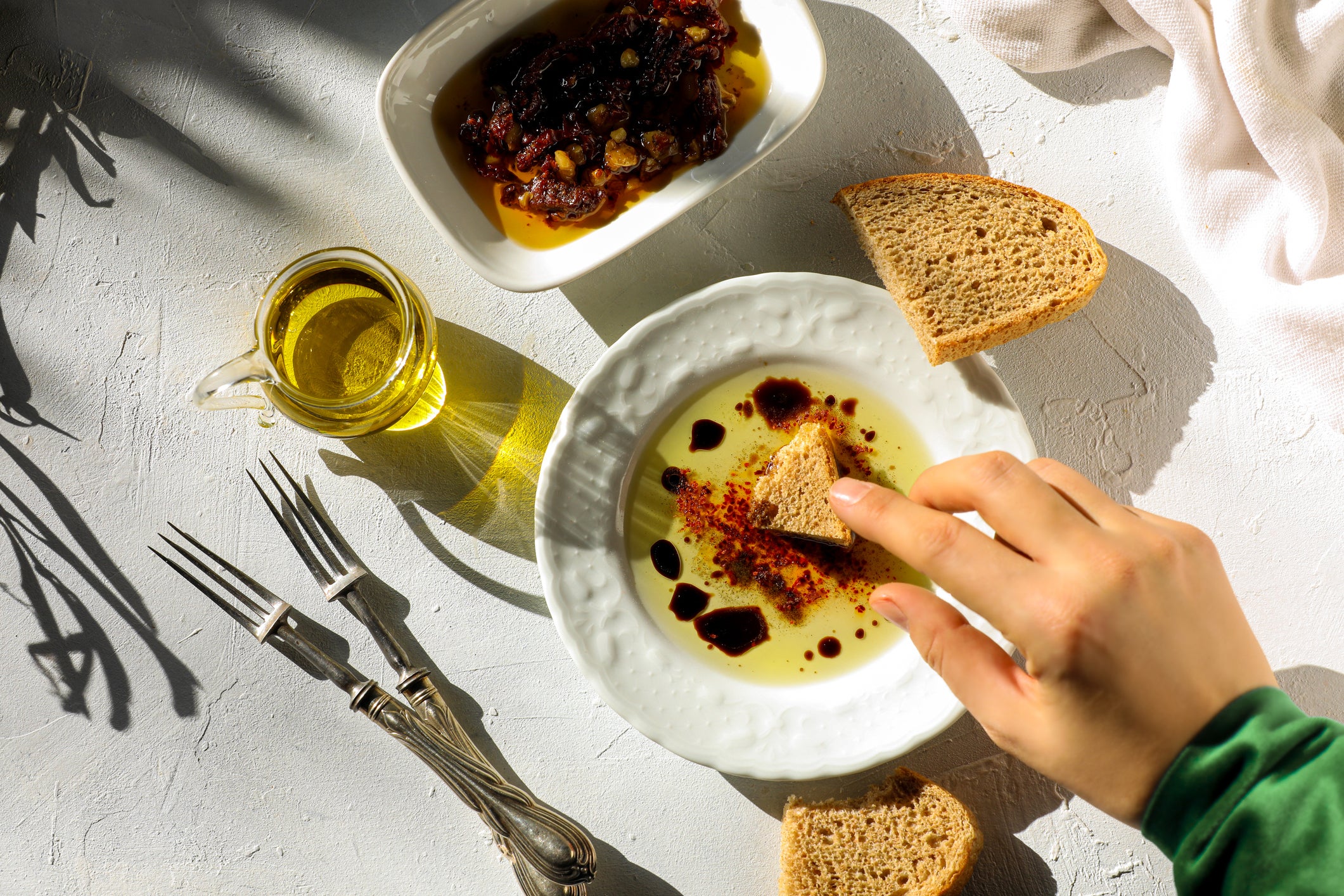
It’s not your fault. Italian restaurants in the UK and elsewhere have conditioned diners to dip their bread in a plate of olive oil, maybe even with some balsamic vinegar and cheese mixed in, as a pre-dinner snack. In Italy, this is simply not done. And if a restaurant does offer you a plate for olive oil and bread dipping, it’s a very touristy restaurant. Save the bread for sopping up the last of your sauce, and don’t be too indignant if you’re refused a plate for olive oil. Infraction rating: 1/10

Read more: The perfect Tuscan road trip – at the worst time of year
Touching the produce at the market
Despite their tempting squeezability, it’s a no-no to touch the colourful fruits and veggies on display at produce markets, even if you plan on buying them — and especially if you just want to pose for a photo with them. Instead, point to what you want, hold up your fingers to indicate how many, and let the vendor bag them up and weigh them. And keep those grubby hands to yourself. Infraction rating: 3/10
Inappropriate dress in churches
Though rules are more lax than they used to be, it’s still disrespectful to enter an Italian church when scantily clad. For both women and men, that means no shorts (or skirts) above the knee, no spaghetti straps or bare shoulders, and nothing that’s especially revealing. It doesn’t matter how hot it is outside: If you know you’re going to be ducking in and out of churches, bring along a lightweight scarf or something else you can cover up with if necessary. Infraction rating: 7/10
Bathing in public fountains
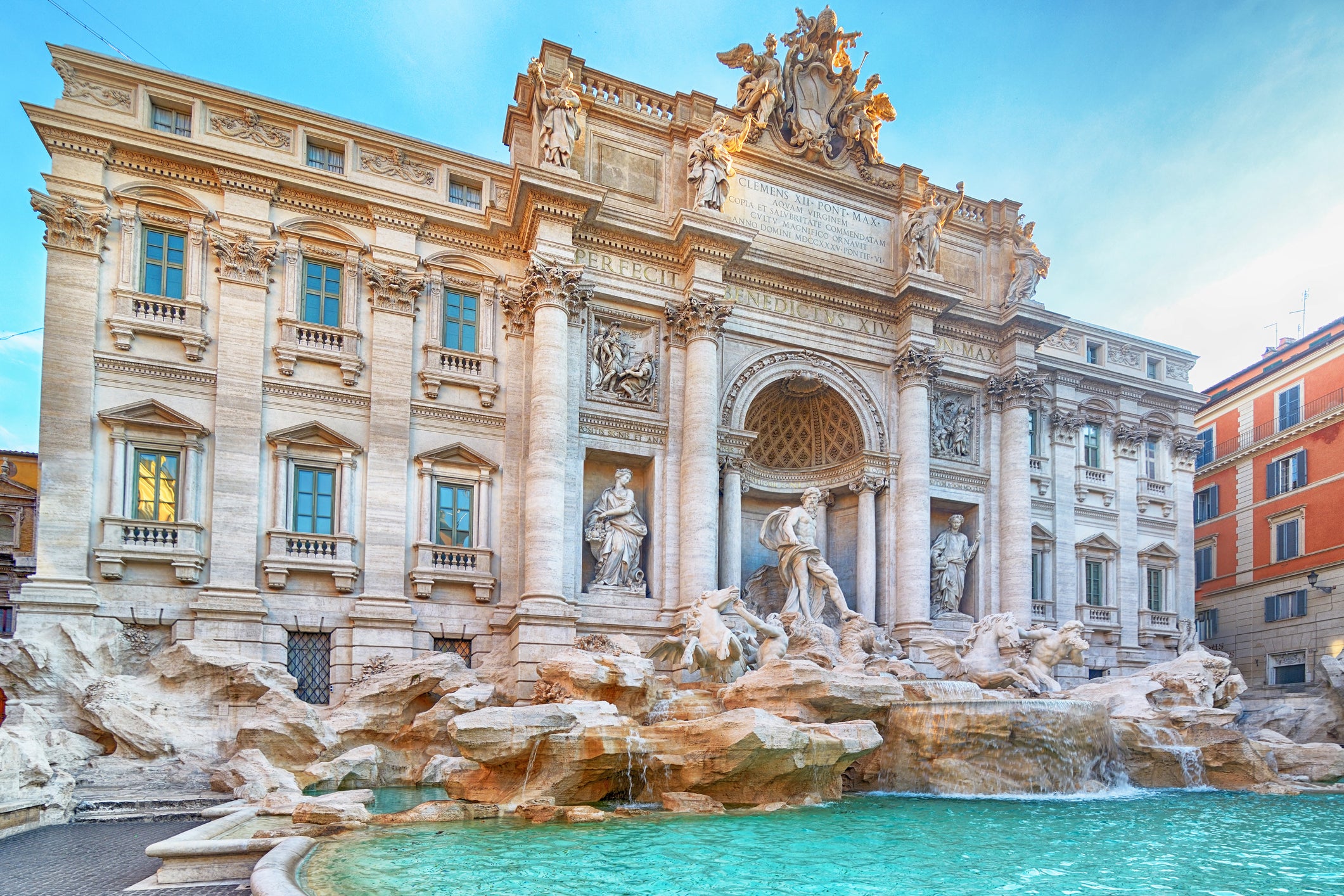
It happens at least once every season. Some idiot decides to go swimming in the Trevi Fountain or in one of Rome’s other monumental waterworks. Or somebody jumps into Venice’s Grand Canal to cool off. Aside from being a really tacky move (and in the case of Venice, just gross), it’s also illegal to swim, wade, or even dangle one’s feet in Italy’s public fountains. This rule is to preserve the monuments, protect public health, and spare onlookers’ eyes from some tourist’s naked bum. And taking a dip will cost you: fines start at around €450, plus you may be immediately removed from the area or the city, or even banned for life from getting near that monument. Infraction rating: 10/10
Read more: These are the best hotels in Rome
Asking for cheese with seafood pasta
That plate of spaghetti with clams, squid ink pasta or mixed shellfish risotto is delicately seasoned to allow the flavours of the seafood to shine. Sprinkling cheese on top of it, aside from being a ghastly offence to the chef, covers those flavours. The general rule is that if your pasta is supposed to be enhanced by grated cheese, the server will bring said cheese to the table. So don’t be surprised if your request for cheese is politely declined. Infraction rating: 2/10
Pouring wine openhanded
Try offering an Italian a glass of wine with an open-handed pour (that is, with your palm facing upwards and the bottle resting on top of your hand) and they will cover their glass and refuse that drink. Open-handed pouring is the mark of a traitor for Italians, an offence that harkens back to the days of poison rings and palace intrigues. Today, it’s a sign that you wish misfortune on your drinking companion. Infraction rating: 9/10
Now about that tap water thing…
Italian restaurants’ aversion to serving tap water is not just so that they can sell you bottled water. While tap water is generally safe to drink throughout Italy, it often has a really mineral-y taste. Most Italian households consume bottled water or have water softeners or other filtration systems, so drinking water straight from the tap just isn’t standard practice. So rather than try to buck the system, just tell the waiter whether you prefer your bottled water naturale (still) or frizzante (sparkling). Or better yet, stick with wine.
Read more: I recreated my own Roman Holiday on a Vespa tour of Italy’s capital