
One afternoon during the Covid-19 pandemic, fashion designer Benedict Lamb wandered into a village craft fair in rural Norfolk. Among the stalls stood a Japanese Saori loom, powered not by electricity but by human hands. Behind it sat a local weaver selling handmade scarves.
“I was completely taken by the beauty of what she was making,” Lamb recalls. “I asked if anyone had ever commissioned her to weave textiles for clothing. She said no, but would love to give it a go.”
Four years later, that chance encounter has grown into a collaboration with five Norfolk-based weavers, producing globally inspired garments from British wool using traditional craft techniques. It’s a production model that feels quietly radical in an industry driven by speed, scale and endless consumption.


(Human Being collection by Benedict Lamb at Ladbroke Hall February 2025. Saori weaving using only British Wool and Anthro Armour Tailoring. Video credit: Micci Bamford at Fashioned Films)
For Lamb, craft isn’t nostalgia. It’s a blueprint for fashion’s future.
His collections are rooted in slower, pre-industrial methods where time, skill and emotion carry as much value as the finished garment. Materials are treated as finite rather than expendable, creating clothes designed to endure rather than be replaced.
“It’s a much smaller, slower and far more personal process,” he says. “That shift in pace is critical to responding to the climate crisis. Craft naturally embeds principles of low-energy production, durability and repair. It encourages working with existing materials, deadstock, waste textiles and natural fibres, which are our speciality.”
That philosophy extends beyond the finished garment.

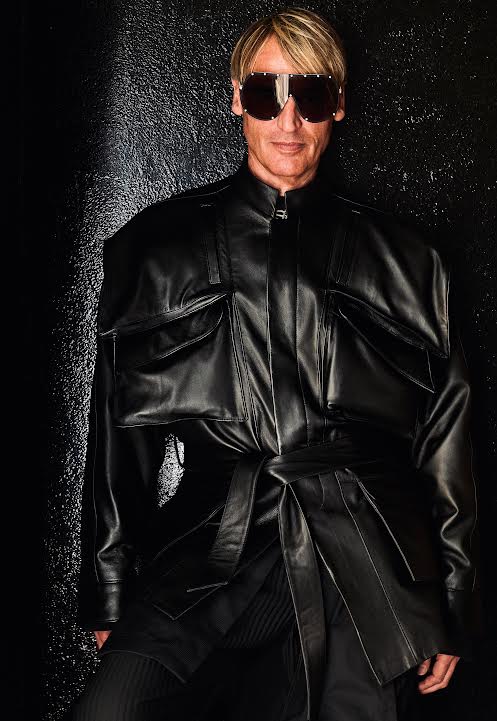
“Material exploration becomes a form of environmental inquiry,” he says. “The fibres, processes and interventions are a way of understanding resource flows, waste and time. Time is the ultimate luxury.”
Perhaps that is the real luxury today, not scarcity or exclusivity, but craftsmanship, patience and a deeper relationship with the people and landscapes behind our clothes.
Working exclusively with British wool, Lamb creates globally inspired collections that draw on Scottish heritage, Japanese aesthetics, African textiles and Mongolian pattern making. Rather than celebrating one tradition, he imagines what he describes as a “future tribe” connected through craft rather than geography.
“It’s not a specific tribe,” he explains. “We want to create a fictitious global tribe, something that belongs to the future.”
It’s this philosophy that recently led Lamb to become an ambassador for Balance, an organisation helping businesses and individuals move beyond carbon offsetting towards restoring forests, biodiversity and local communities.

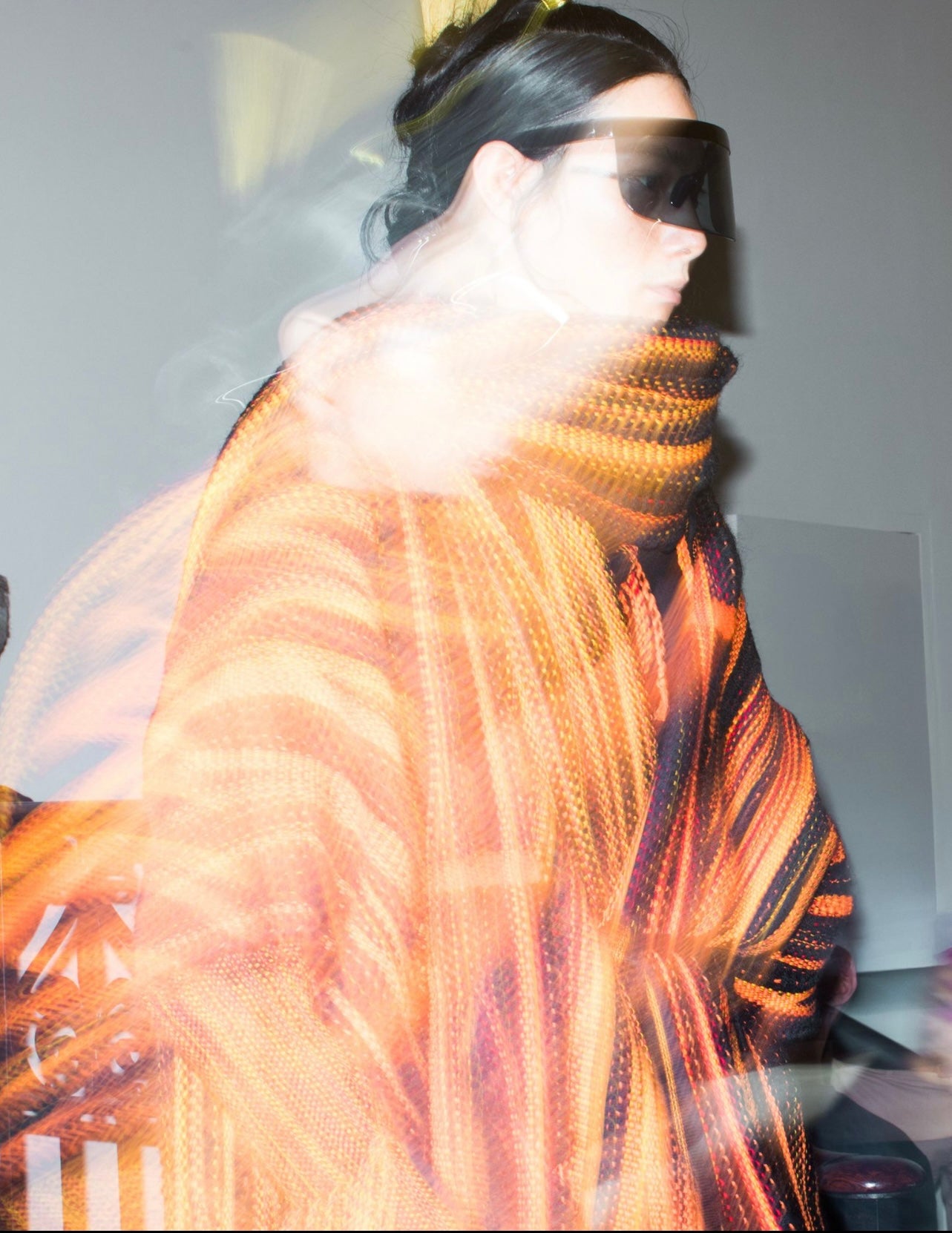
For Lamb, the partnership felt less like a new direction than a natural extension of the values his label already embodied.
“Designers help shape culture and demand,” he says. “Farmers understand fibre, land and stewardship. Environmental organisations understand restoration and biodiversity. Balance creates a framework where those worlds can come together in a credible, practical and long-term way.”
Having first met Balance founder Dan Morrell through the music industry, Lamb watched as his own label gained recognition not only for its designs but for its production model.
“The way we work is attracting as much attention as the clothes themselves,” he says. “Dan recognised that we’d grown organically into something that already reflected Balance’s values. When he asked me to become an ambassador, it wasn’t about changing our business, it was about asking how we could help each other.”
For Lamb, the partnership also offered an alternative to conventional carbon offsetting.
“I felt that simply buying carbon credits would damage the brand because public trust has been lost,” he says. “Balance asks a different question: how can fashion move beyond reducing harm to actively restoring nature?”
What particularly appealed to him was Balance’s integrated approach.
“It doesn’t treat climate, biodiversity and communities as separate issues,” he says. “It brings them together through restoring nature, creating sustainable livelihoods and permanently removing carbon.”

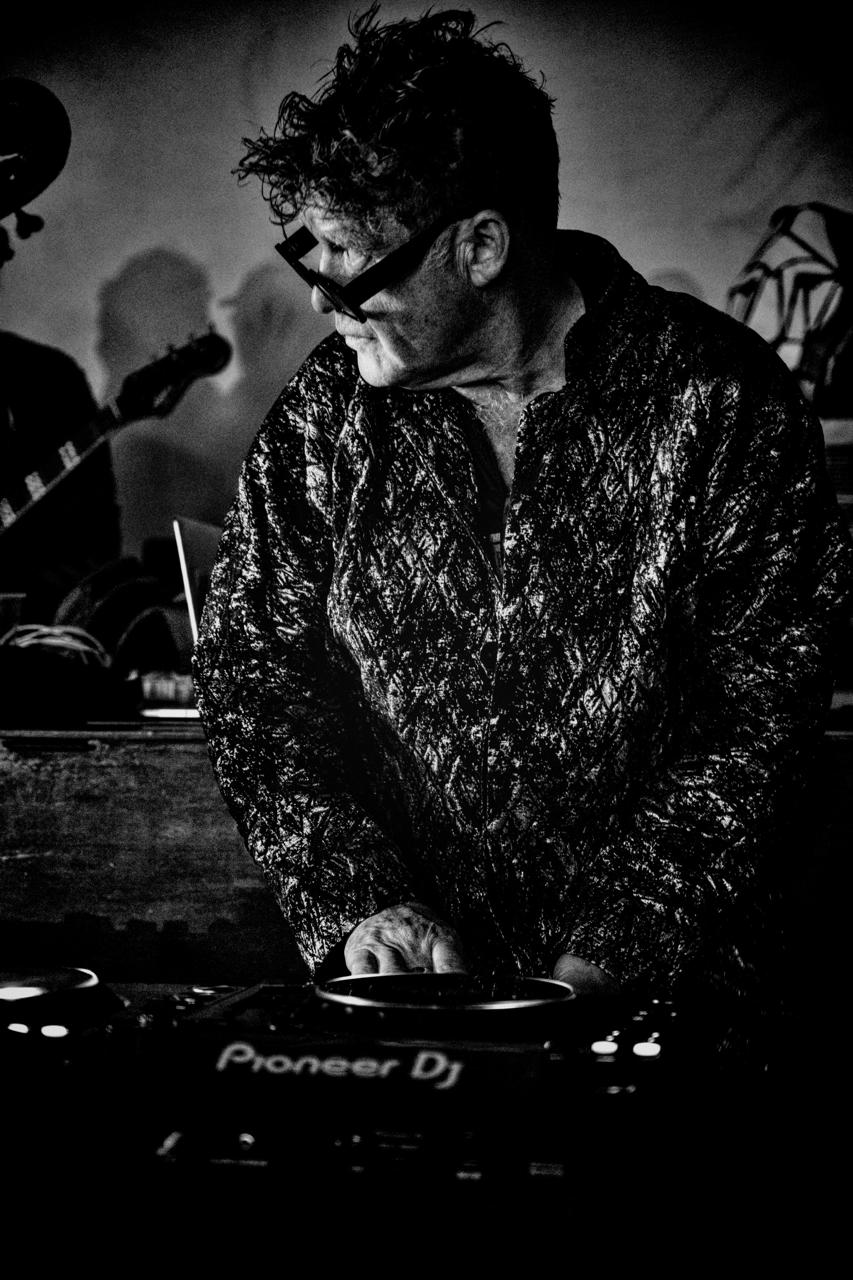
For Morrell, whose environmental work spans decades, regeneration has always been about far more than carbon alone.
The man credited with coining the phrase “carbon neutral” in 1988 later helped establish pioneering forestry projects inspired by conversations with Joe Strummer at Glastonbury. But after seeing carbon markets become increasingly commercialised, he returned to a simpler idea: restoring ecosystems that benefit both nature and people.
Today, Balance enables businesses and individuals to measure their emissions while supporting reforestation both overseas and closer to home.
“For every international project, there’s a local one people can actually visit,” Morrell explains. “You can put your wellies on, see the trees being planted and help create wildlife corridors that benefit biodiversity and local communities alike.”
For Lamb, success won’t be measured by lower emissions alone. It will come when fashion recognises its power not only to reduce its impact but to restore landscapes, strengthen communities and reconnect people with the fibres and crafts that make clothing possible.