


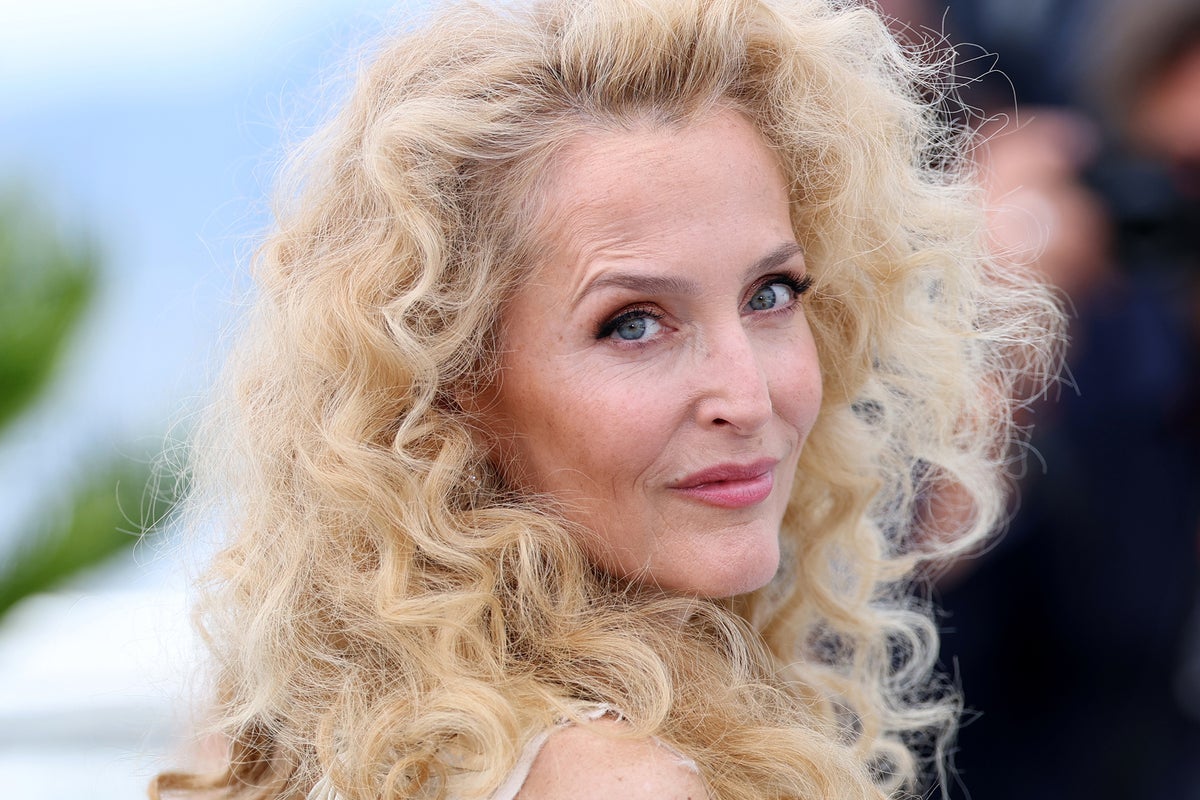
Gillian Anderson has never really been a movie star. Instead she belongs to the pantheon of greats best seen in the boxes in our living rooms – think the Jon Hamms or the Sarah Lanchashires, people we don’t tend to like in 90-minute chunks, but rather in weekly installments, delivered annually, sometimes with ad breaks. The cynical professionalism of The X Files’ Dana Scully led to the pansexual cool of The Fall’s Stella Gibson, which led to the deadpan comedy of Sex Education’s Jean Milburn and the campy severity of The Crown’s Margaret Thatcher. Anderson is to TV what DiCaprio is to cinema – built for it, comfortable in it, always able to catch its trends and waves. And that’s why it’s so refreshing to see her become the darling of the Cannes Film Festival this week, in a movie that finally taps into that frosty, slightly off-piste allure that few filmmakers have ever successfully harnessed.
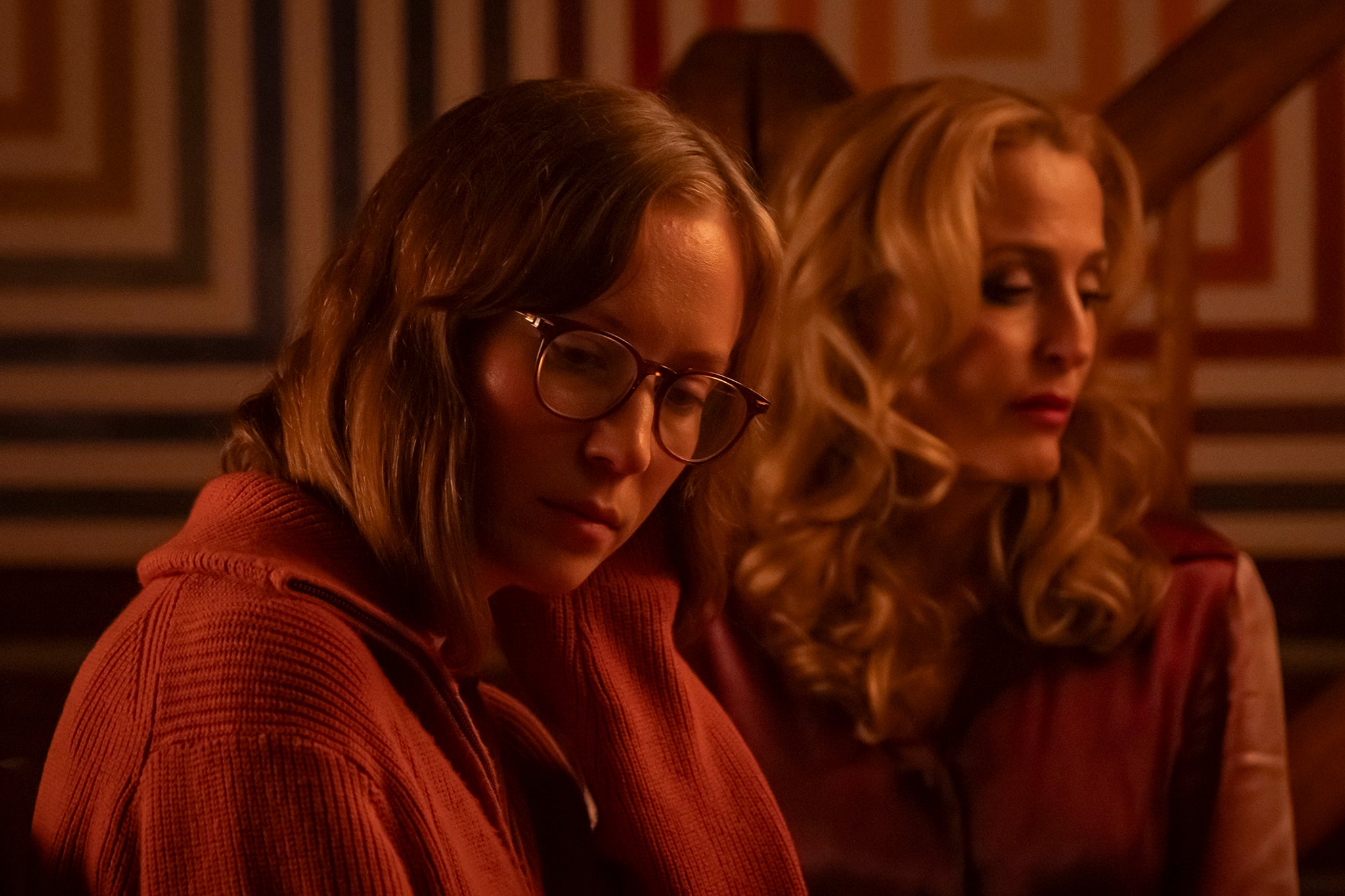
Teenage Sex and Death at Camp Miasma casts Anderson as a vanished movie star, who played the scream queen of a Friday the 13th-style Eighties slasher film called Camp Miasma, then seemed to fall off the face of the planet. A young, queer filmmaker named Kris (played by a sharp and empathetic Hannah Einbinder, of the TV comedy Hacks) is determined to woo her back to acting, having been hired to write and direct a “woke” reboot of the original movie. She finds Anderson’s Billy Russell living alone and spooky out in the woods where her movie was shot, dressed in Norma Desmond turbans and speaking in riddles. While they eat candy and trade psychosexual messiness, the killer from Camp Miasma – their gender all over the place and their head encased in an enormous ceiling fan – threatens to surface from the lake outside Billy’s home.
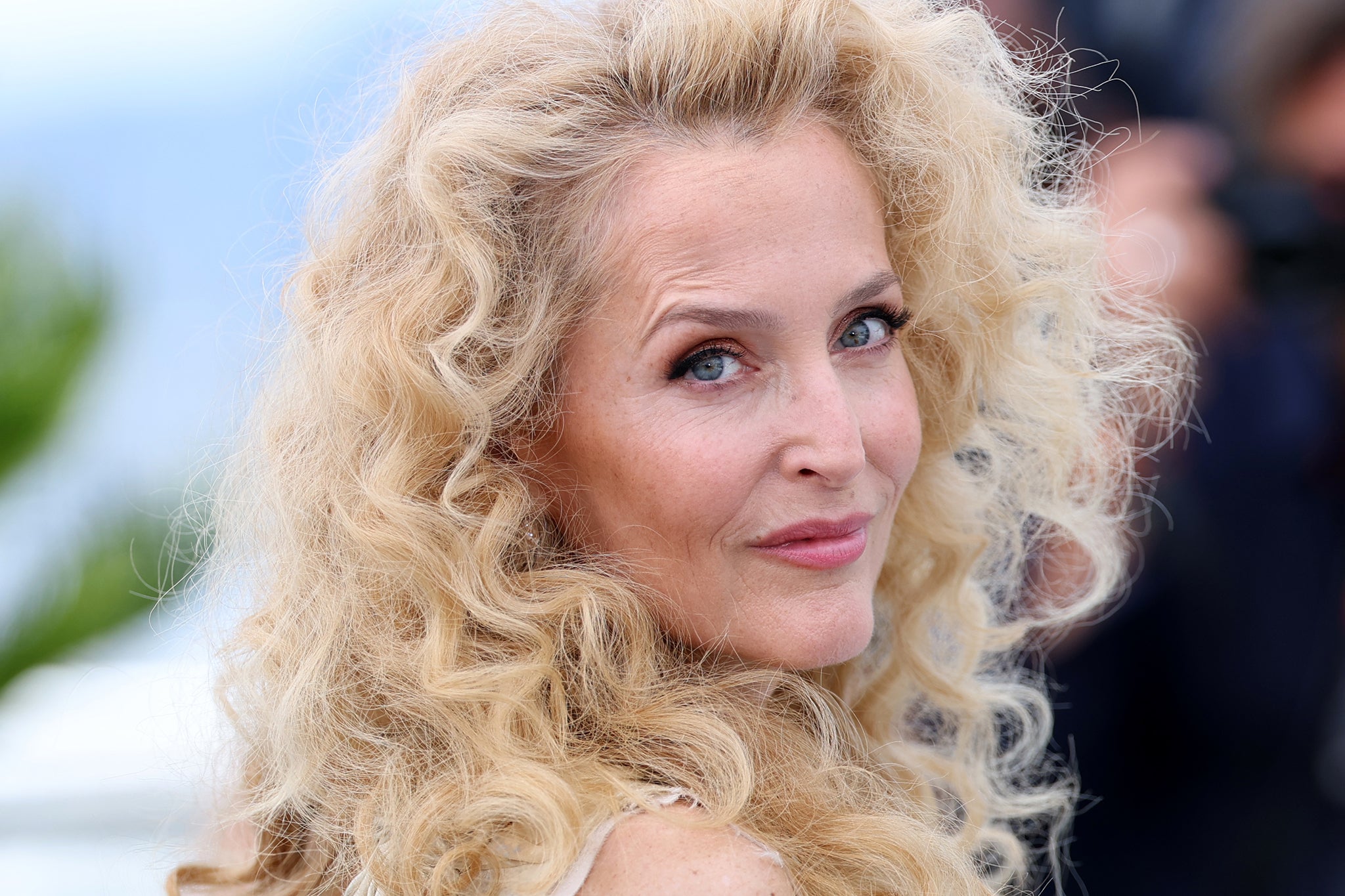
It’s a lot! But also eerie, romantic and funny, the singular filmmaker Jane Schoenbrun (of 2024’s brilliant trans allegory I Saw the TV Glow) mounting a staggeringly original take on the nuances of sexuality and the naughty thrill of problematic horror cinema. Yes, we know big-breasted women screaming in terror in their pants is a bit gross. But what if, for some, it was more? And the movie provides Anderson with her greatest acting showcase in years. She plays Billy as both maternal and threatening, coy and revealing; Kris is uncertain if Billy wants to kill her or nurture her (or, well, make love to her). There’s that sliver of camp that Anderson does so well at this point, her eagerness to run up to the fringes of broad but always pulling back before it proves fatal. And there’s a deep sadness to her, as well – Billy alluding to the horrors she’s seen, the career she missed out on, the innocence snatched away from her.
Oscar chat is among the lower forms of film festival discourse, but in a post-“Demi Moore in The Substance” world, it’s not totally out of the question for something this erotic, gnarly and peculiar to catch fire come awards season. And specifically Anderson’s performance, which builds upon the batten-down-the-hatches playfulness of her recent TV work.
Anderson has made dozens of films over the course of her career, but few have ever played to her strengths. She’s mere set-dressing in the Idi Amin movie The Last King of Scotland, and never quite as present as Emily Maitlis to Rufus Sewell’s Prince Andrew in the ripped-from-the-headlines Netflix film Scoop as you might imagine. And the less said, the better about last year’s poorly timed adaptation of The Salt Path – released mere days before allegations its “homeless couple triumphing against adversity” plot was a load of old hooey.
Only once has a film truly “got” Anderson, and that was 2000’s The House of Mirth, Terence Davies’ sumptuous and quite perfect adaptation of Edith Wharton’s novel, in which Anderson played the penniless socialite Lily Bart as an icy, mischievous enigma hurtling towards certain doom. The Guardian’s Peter Bradshaw wrote upon its release that Anderson was “Oscar-worthy”… but of course a trophy didn’t materialise. This was the turn of the millennium, with The X Files in its death throes (Anderson’s co-star David Duchovny had already bolted) and Anderson still regarded as a TV actor muddling her way through occasional films. We were five years away from her permanent move to Britain (though, as many now know, Anderson spent much of her childhood in the UK and is bidialectal – slipping between accents depending on her whereabouts), and her work in the BBC’s Bleak House, or in the West End revivals of A Streetcar Named Desire or A Doll’s House. She found a new trajectory, in work that challenged her and helped de-Scully her image in the public consciousness, but which the big-screen has never kept up with. Until Camp Miasma, anyway, which nods to the creepier beginnings of Anderson’s career, while pushing her into new, scrappier, bloodier corners. In a few months’ time, everyone will be talking about it.
‘Teenage Sex and Death at Camp Miasma’ is in UK cinemas from 21 August
