


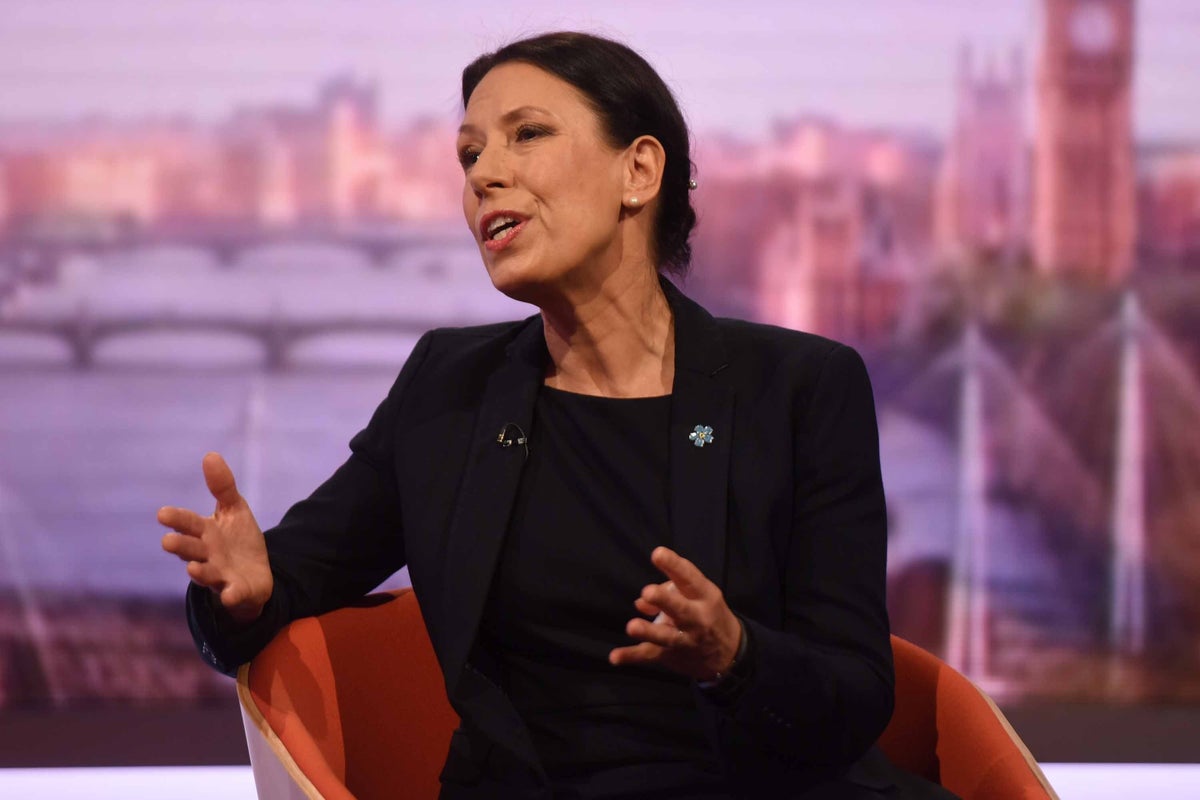
The government has been urged to increase Universal Credit for 66-year-olds.
The Work and Pensions Committee backs these calls to prevent financial hardship stemming from the “lottery of life” as the state pension age rises to 67.
It said ministers should consult on the change and potentially implement it by late 2026 as a temporary measure while longer-term support is developed.
Evidence suggests the prolonged wait for their state pension will “harm” 66-year-olds unable to remain in employment, the committee added.
This comes as the state pension age has begun a phased rise, incrementally increasing from 66 to 67 for new pensioners.
The report said: “For many, this will be a year of hardship, on inadequate working age benefits, potentially depleting savings they were relying on to support them in retirement.”
The committee said a growing number of 66-year-olds may have to rely on the standard rate of universal credit of around £425 a month for longer, despite worsening health.
Its report added: “On balance we support increasing the level of universal credit (UC) for all recipients in the year before state pension age because it has a greater impact in reducing poverty and hardship.
“We recommend it as a short-term approach, to mitigate the impact of the increase to 67, which has already started.
“We propose using UC on the basis that it should enable support to be provided quickly.




Get a free fractional share worth up to £100.
Capital at risk.
Terms and conditions apply.
Go to website
ADVERTISEMENT
Get a free fractional share worth up to £100.
Capital at risk.
Terms and conditions apply.
Go to website
ADVERTISEMENT
“We recognise that the impact on work incentives is a consideration. However, the proposal is for a modest increase in support in the year before state pension age.
“Those out of the labour market at this point in their lives are very unlikely to return to it.”
People on low incomes can apply for pension credit – but this support is only available once people have reached state pension age.
The committee said this leaves many pre-pensioners, particularly those with health issues, caring responsibilities or long histories in labour-intensive jobs, relying on the savings they may have set aside for retirement.
There is also a geographical consideration, with ill-health and disability concentrated in the most deprived areas, where there are fewer economic opportunities, the committee said.
The report said: “The impacts of the rise to 67 will be very uneven.
“For many unable to keep working, particularly on low incomes and in the most deprived areas, it will mean hardship as they wait longer for a state pension.
“Their shorter life expectancy means that they can then expect to receive it for a shorter time than those in the least deprived areas.
“We know that the last increase – from 65 to 66 – resulted in absolute poverty rates among 65-year-olds more than doubling.”
The report also said: “We were concerned to hear that, while later working is generally good for health when it is voluntary, this is not the case when it is due to financial necessity, particularly for people having to continue to in physically demanding jobs.”
It added: “Based on the evidence we have received, there is a clear justification for providing additional social security support for those unable to keep working in the years approaching state pension age.
“While pension age rises have been justified on grounds of fairness between generations – each generation should expect to spend a similar proportion of adult life contributing to and receiving the state pension – fairness within generations is also important.”

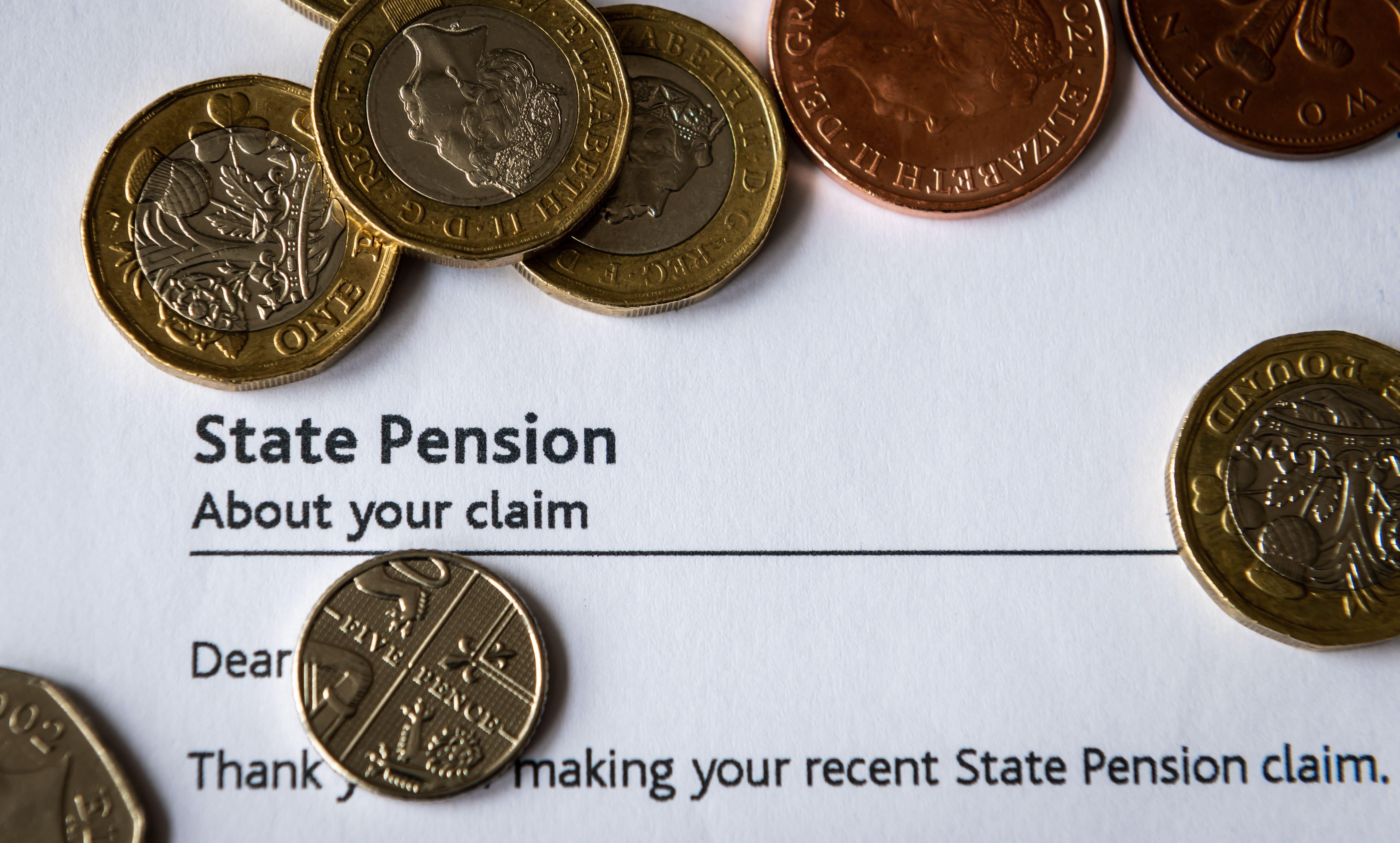
Committee chair Debbie Abrahams said: “We can’t just allow people who are already struggling as they approach pension age to be forced to choose between continuing work in poor health or prolonging their poverty as they wait for their state pension to kick in.
“This is not the later life that anyone wants or to see their loved ones endure after providing for decades.
“We should recognise that pre-pensioners have greater needs and greater barriers into employment due to ill-health, age discrimination, lack of opportunity to upskill.
“More than half of people are not in paid work in their mid-60s, and they’re not likely to get it if they’ve been effectively written off.
“Additional social security payments are essential in reducing the compounding effects of the lottery of life and the state pension age increase.”
Andrea Barry, deputy director for work at the Centre for Ageing Better, said: “What is being proposed by the committee is a short-term measure to alleviate the current issue.
“In the longer term, and well before any future state pension rises, we need the Government to take a joined-up approach across pensions, work, benefits, and health, to ensure that the mid-60s is not a period of heightened financial precarity for growing numbers of older people.
“This will require ensuring that ongoing reforms to employment and skills support are designed with the needs of older people in mind, alongside enhanced careers guidance and financial planning advice for older workers, and stronger support for those living with health conditions.”
A Department for Work and Pensions (DWP) spokesperson said: “We welcome the Work and Pensions Select Committee inquiry on the transition to state pension age and will consider their report and recommendations in due course.
“As of February 2026, just 0.02% of the universal credit caseload was aged 65 or 66.
“A range of options for extra support are available for those that have not reached state pension age, such as universal credit and other means-tested and disability-related benefits, while the Pensions Commission is examining how we can ensure secure retirements for tomorrow’s pensioners.”
Caroline Abrahams, charity director at Age UK, said: “We’re delighted that the select committee has recognised that far too many people approaching their state pension age find themselves in a very difficult financial position.
“Allowing people who are realistically never going to work again to struggle to make ends meet until they hit state pension age is a senseless waste and an issue we’ve been highlighting for many years, so it’s fantastic that the committee is strongly advising the Government to address it and to do so quickly.”