



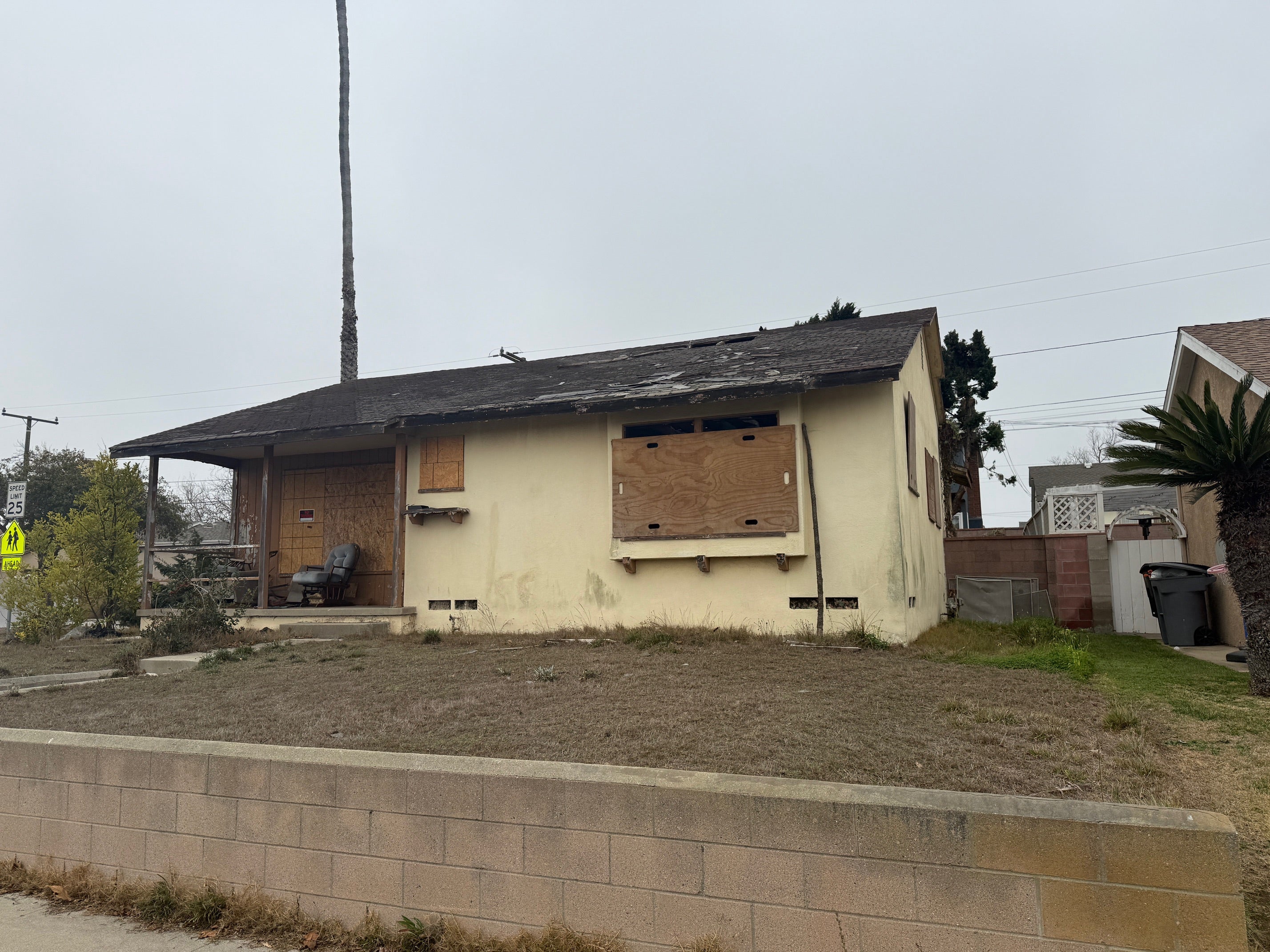
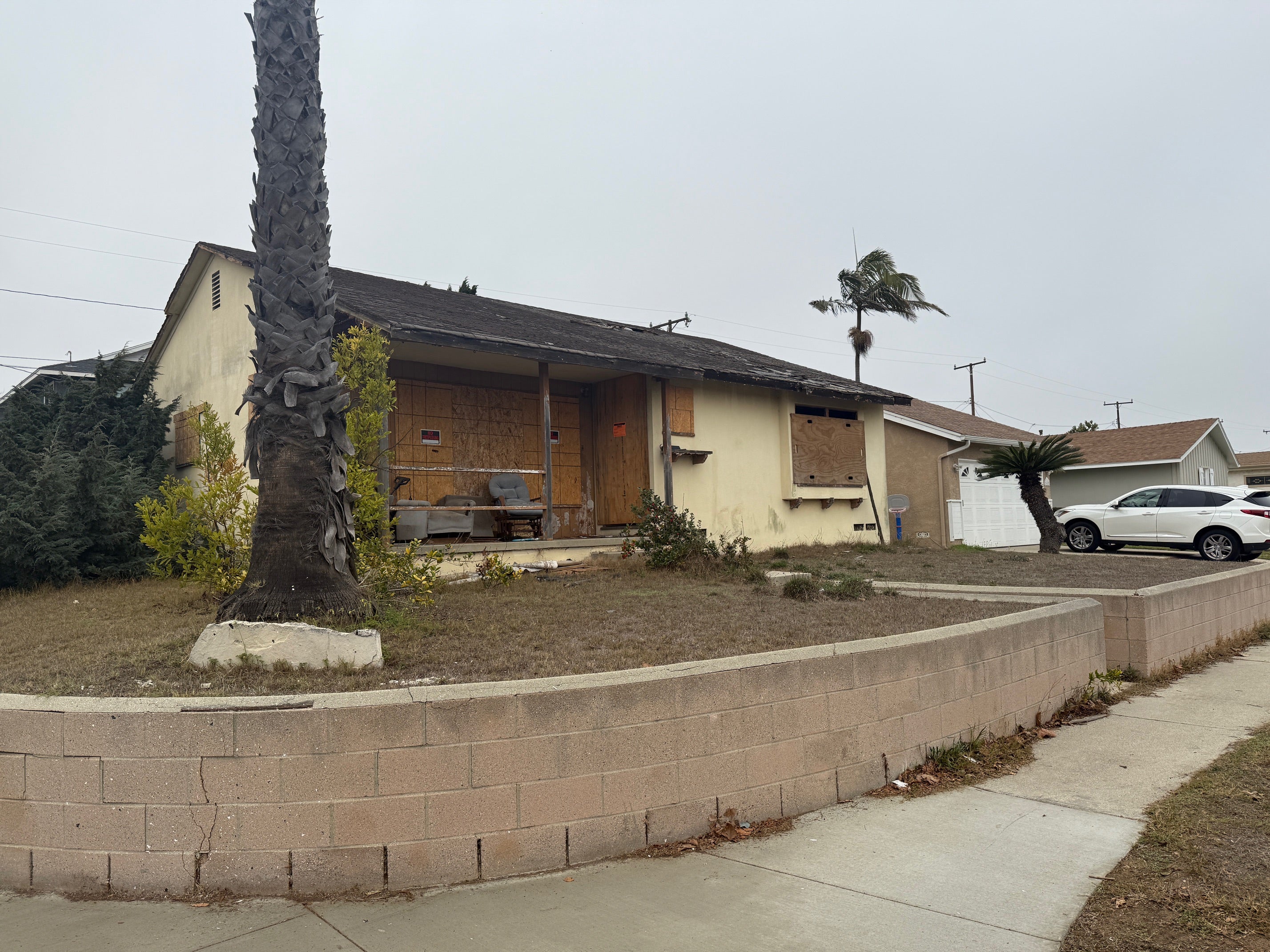
California’s housing crisis has gotten so bad that even a burned-out house on a busy corner in metropolitan Los Angeles is now worth $1 million.
The boarded-up, three-bedroom, two-bath home in Torrance sold for the eye-popping amount last week, according to multiple real estate websites. That’s despite it being clearly unlivable, with fire damage that includes a gaping hole in the roof.
“It’s a nice part of Torrance,” said Rhett Winchell, chief financial officer of NDA Real Estate in Calabasas, who handled an earlier auction of the burned-out house last year. “We had a tremendous amount of interest in the property.”
In the latest sale, the 1,140-square-foot, ranch-style house went for 2 percent above list price, according to Homes.com.
The stunning transaction appears emblematic of what the California Legislative Analyst’s Office calls a “serious housing shortage” that has resulted in costs “rising rapidly for decades.”

As of March, the median price of a “mid-tier” home in California was $775,000, more than twice the comparable national average of $366,000, according to the latest figures compiled by the LAO.
The burned-out house in Torrance has been vacant since a blaze broke out inside around 4 a.m. on Feb. 1, 2024, according to a Tuesday report in the Los Angeles Times.
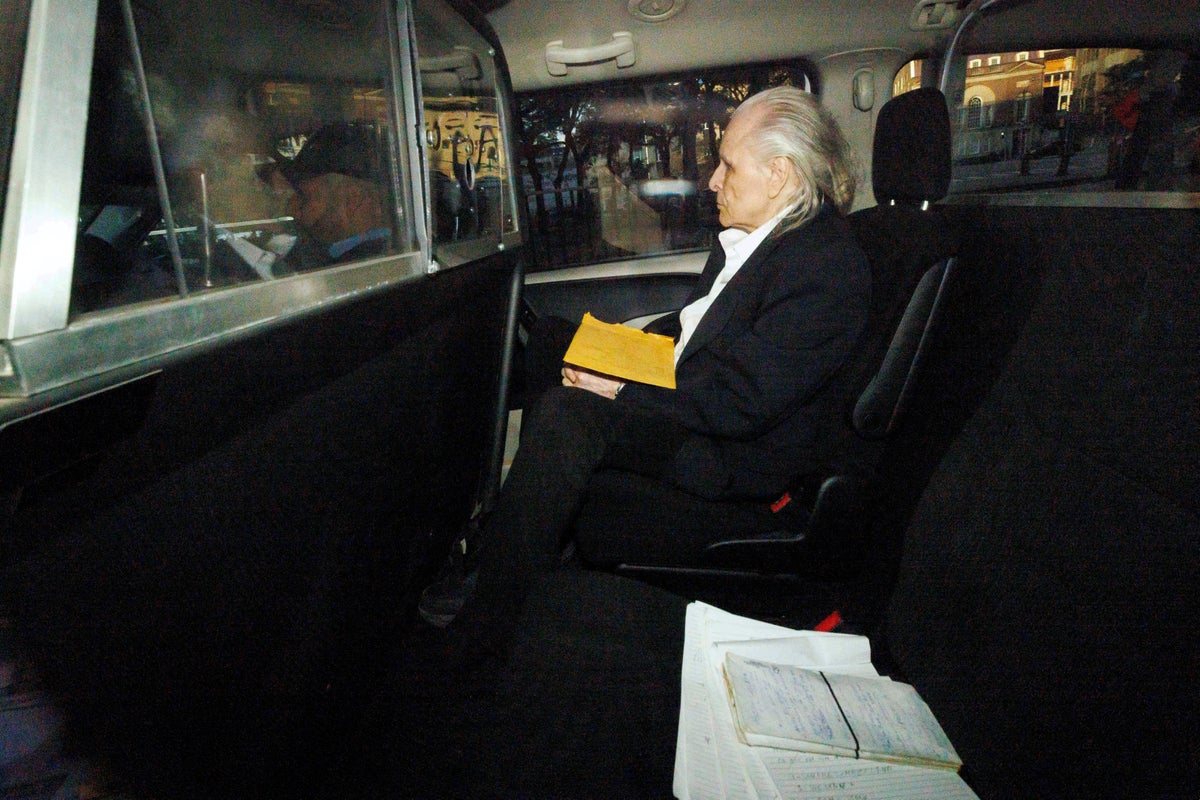
The place was reportedly “dangerously cluttered” and the fire apparently started when a heating grate in the floor ignited something, forcing an older man who was the only person inside to escape through an open window.
The man survived the incident but later died and his house was sold at a probate auction last year, when the high bid was $980,000, according to the NDA Auctions website.
The auction winner, who reportedly paid a total $1.08 million, resold the house on May 11.
The seller’s agent didn’t respond to an inquiry from The Independent and the buyer’s agent declined to identify his client or say what they planned to do with the property,
But Winchell, who handled last year’s auction, said that the house “sold for the land value” and that the price wasn’t unusual for the area, where comparable homes in “move-in condition” regularly fetch $1.5 million.
Outgoing Gov. Gavin Newsom, a Democrat and potential 2028 presidential candidate, has signed a series of bills aimed at increasing California’s housing stock, including several that led to a surge in construction of so-called accessory dwelling units on residential properties that already have a single or multifamily house.
Estimates of the housing shortage for the region vary wildly but their midpoint suggests the Golden State needs an additional 2.2 million housing units — 14.9 percent of the current supply — to meet demand, according to research by the American Enterprise Institute.
Eric McGhee, policy director and senior fellow at the Public Policy Institute of California, said that the housing laws were “probably the best of the reforms” and that construction under the bill now accounted for about 20 percent of residential construction in the state.
But it’s unclear if they’re “really helping the housing supply,” McGhee said.


“We don’t know what those are actually being used for,” he said, adding that possibilities included home offices, “man caves” and short-term vacation rentals.
McGhee blamed California’s housing shortage on backlash to its post-World War II housing boom, with local governments imposing restrictions on new development “in the name of environmentalism or preserving a livable community.”
“It enabled equilibrium for particular communities, but not the state as a whole,” he said.
McGhee said the ideal solution involved making housing construction easier, faster and cheaper, both by easing the permitting process and encouraging the use of “modular, factory-based” methods of building homes.
“This is a long-term problem we’ve created and it’s going take a lot of time to dig our way out of it,” he said.