




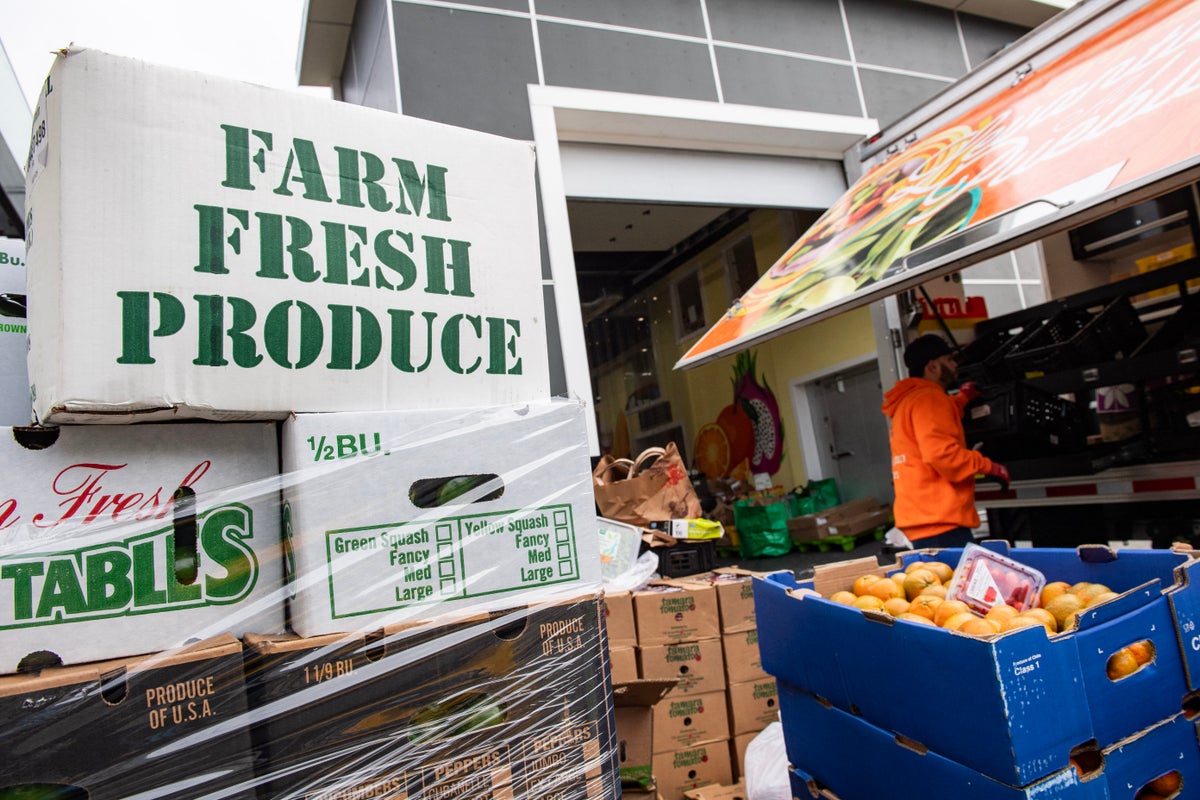
Businesses are starting to add fuel surcharges to deliver products as the price of oil increases amid the Iran war.
As President Donald Trump continues his military campaign with Israel in the Middle East, Americans are feeling the burden of the war at home.
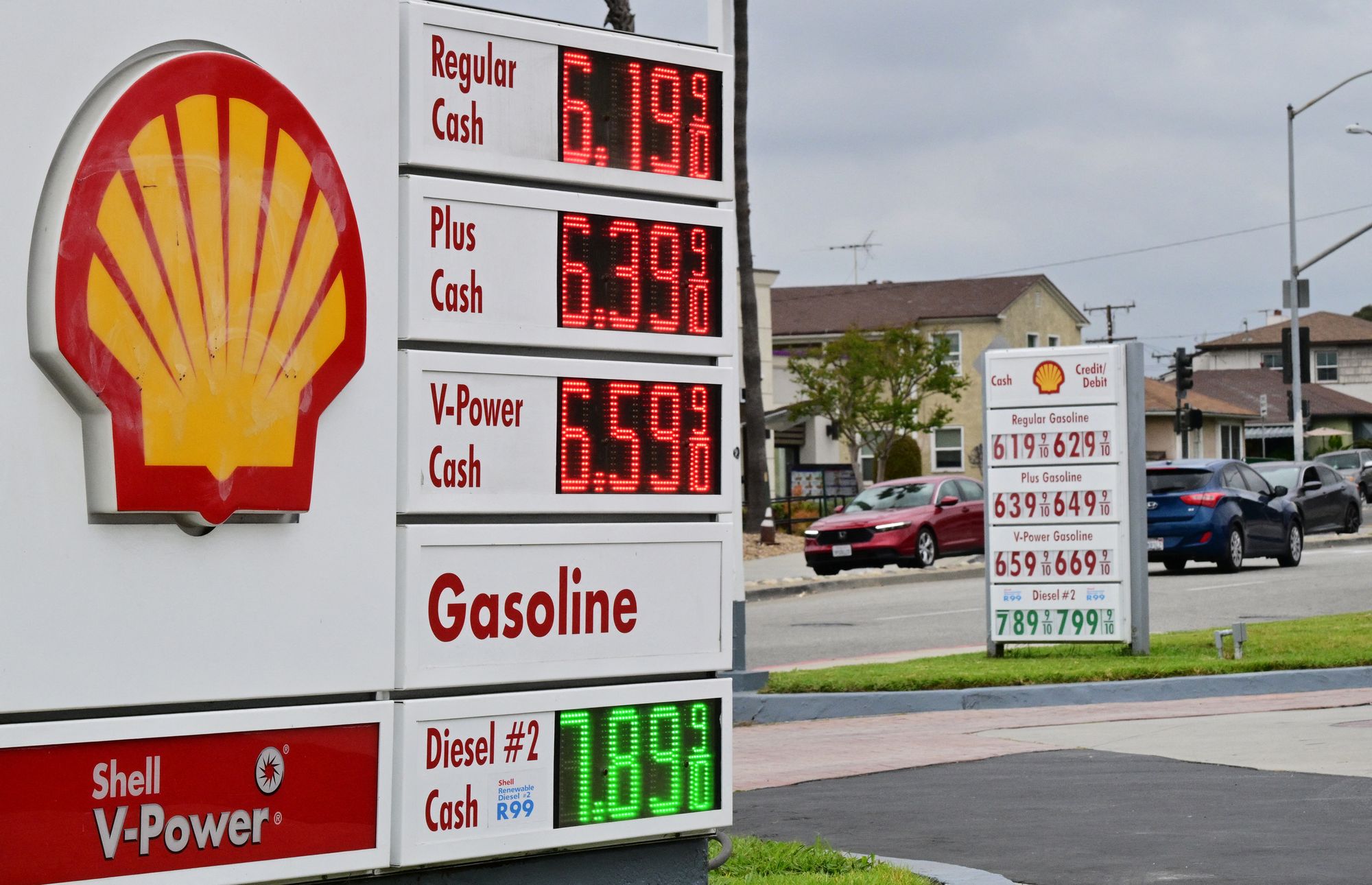
Oil prices have soared both domestically and abroad, causing a headache at the pump. The national average price of regular gas has jumped to more than $4 a gallon, according to the American Automobile Association, which is the highest since 2022. Diesel is even higher at around $5.45 per gallon.
Americans’ grocery prices will also go up since it takes fuel to grow produce, raise livestock and drive food to stores and restaurants.

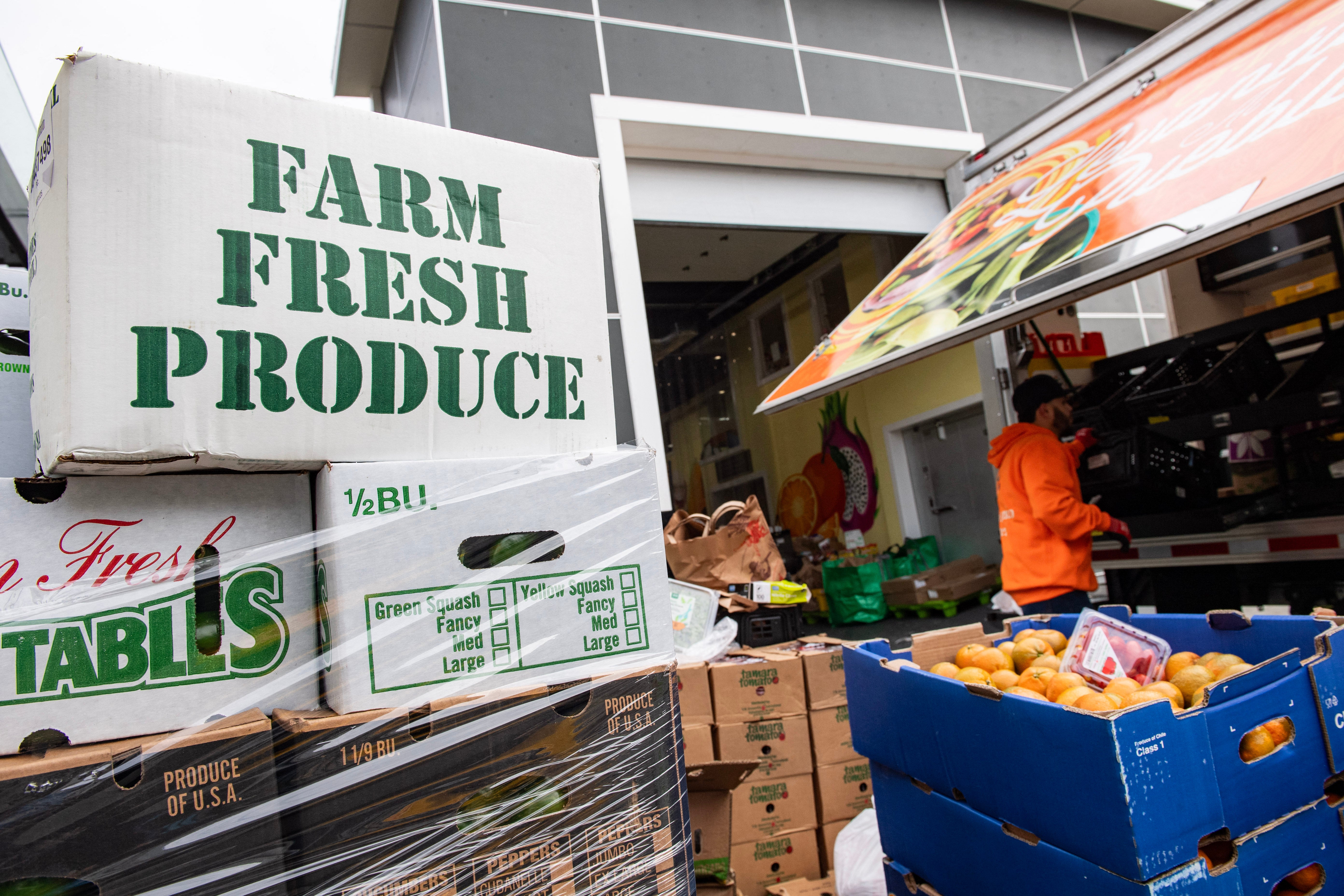
The wholesale price of fresh salmon has jumped from $6.25 a pound in February to $6.48 a pound, The New York Times reported.
The U.S.-Israeli strikes began at the end of February and have continued throughout March. Central Command has said the U.S. has hit at least 10,000 targets. But there is no end to the war in sight.
Janice Schreiber from Expana, a market data provider for the agriculture and food industries, explained how a fuel surcharge was being added at multiple points during salmon delivery.
“It all has to be done rather quickly, and at each of the different points, there is a fuel surcharge being added,” Schreiber told The NYT.

She noted this is happening “during one of the highest periods of demand for salmon,” which is before Easter.
Small businesses will particularly feel the burden of rising fuel prices, like with any economic hardship. And it comes at a time when they are still reeling from the tariffs Trump had placed on imports that disrupted global supply chains. Last month, the Supreme Court struck down Trump’s sweeping tariffs.
Jesse Filion of Walterboro, South Carolina, raises chicken, pigs and cattle, whose meat is delivered to homes and just 20 restaurants. His family business had to add a fuel surcharge of $5 for the deliveries.
The surcharge “is a way to be transparent, but also to cover some of the increased fuel prices that we’re seeing,” Filion told The NYT.

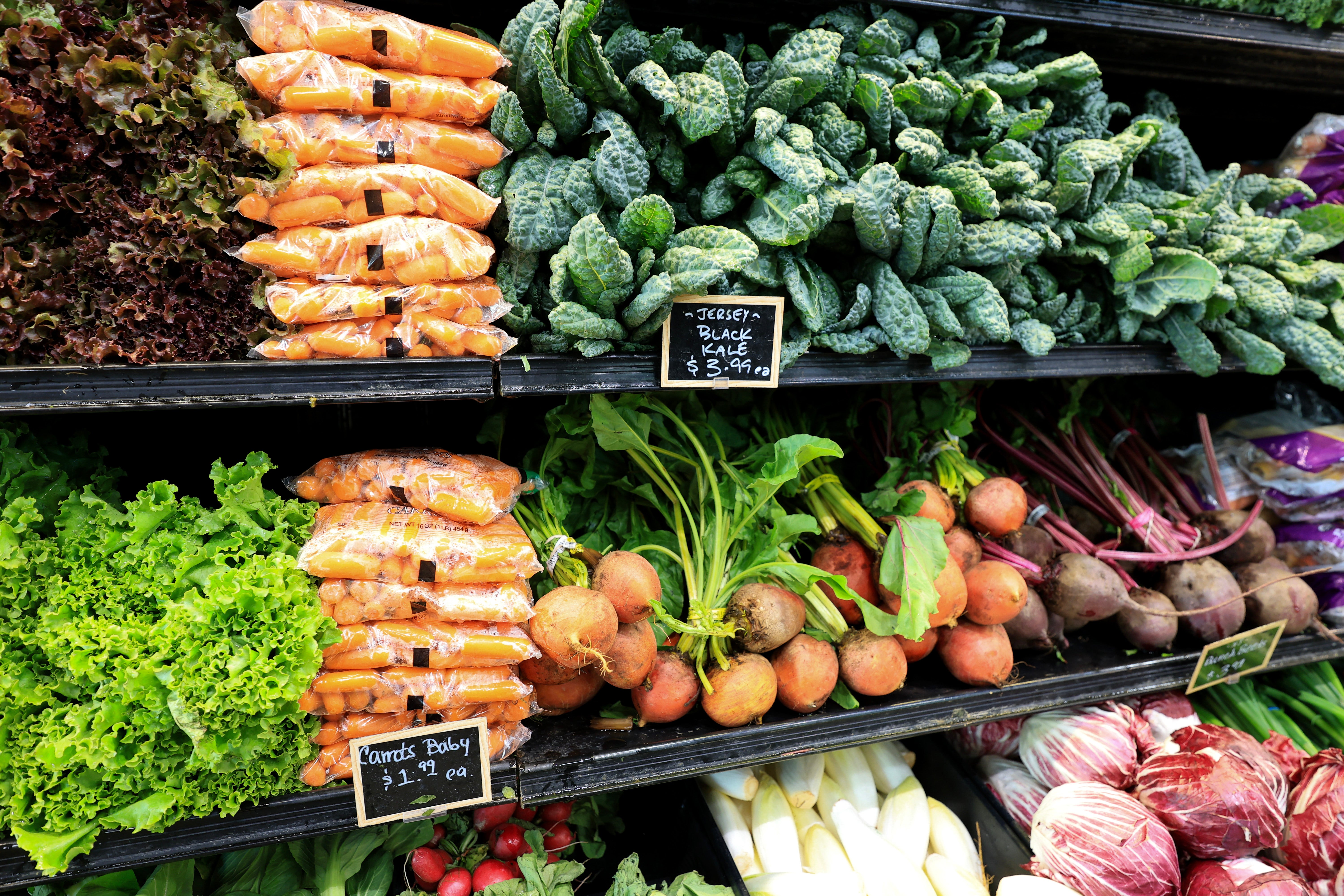
The Independent Grocers Alliance said last week fuel-related costs can account for about 15 to 30 percent of the total cost of some food products.
The group said that for every 10 percent rise in fuel costs, food prices can increase 2 to 3 percent, based on historical averages.
Food businesses aren’t the only ones adding surcharges during the Iran war. The U.S. Postal Service announced a temporary price change to “better align its costs of transportation with the market” last week.
The 8 percent price spike would affect base postage costs on Priority Mail Express, Priority Mail, USPS Ground Advantage, and Parcel Select.

