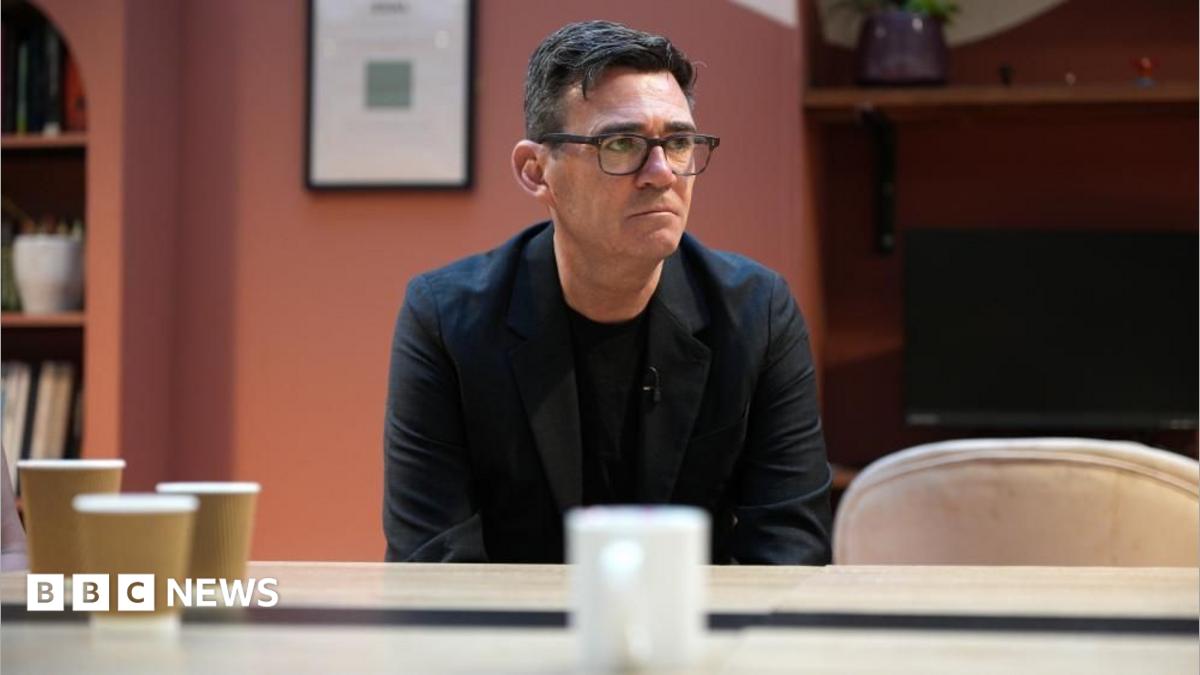




A group of Thames Water creditors has threatened legal action should Britain’s new Prime Minister Andy Burnham proceed with plans to nationalise the struggling firm which faces debts of up to £20billion.
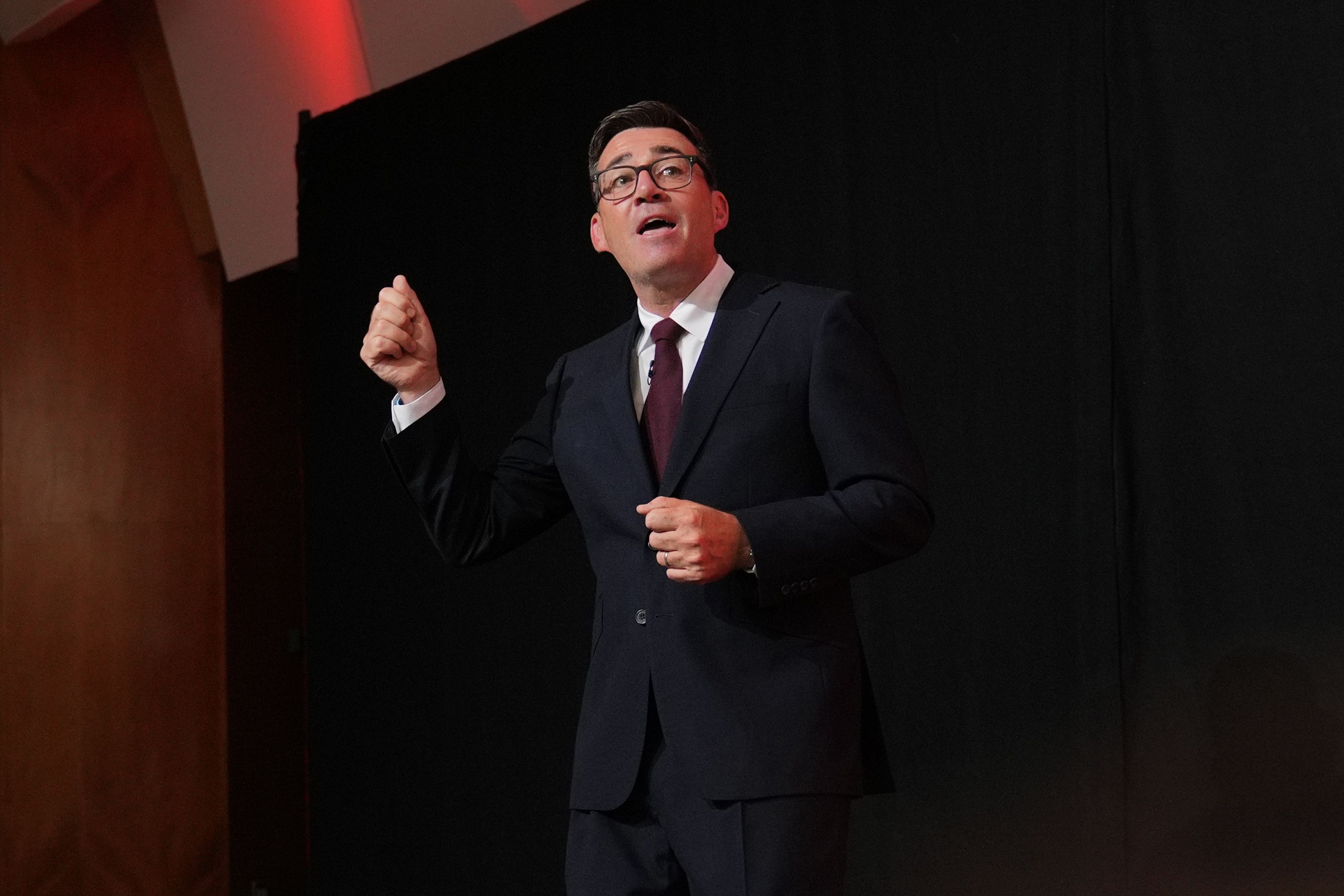
The warning comes as Burnham, who takes office on Monday, has consistently advocated for public ownership as the optimal solution for the company.
Thames Water has been embroiled in controversy for years, facing public outrage over sewage discharges into rivers and seas, a direct consequence of successive owners failing to adequately invest in its ageing infrastructure.
The utility’s precarious financial state, with a looming deadline to run out of money by November, presents one of the first major challenges for the incoming government.
International investors are closely monitoring the situation, viewing the new administration’s handling of Thames Water as a key indicator of its approach to financially distressed infrastructure assets.
The creditor group’s threat warns that nationalisation would prompt them to pursue outstanding debts through the courts, potentially burdening Burnham’s government with a multi-billion-pound bill amidst existing pressures on public finances.
Mike McTighe, who is working with the creditor group to build a new board for Thames Water, said that the group’s preference was to work with Burnham to find a solution, and this could include expanding public oversight of the company.
“We are keen to meet new ministers as soon as possible to discuss how we can work together in the best interests of customers, including by enhancing public control of the company’s operations,” he said in a statement.
Thames Water, Britain’s largest water company with 16 million customers across London and southern England, has for years been held up as the clearest symbol of the failure of Britain’s privatised water industry.
The creditor group, which includes Invesco, Elliott Management and Silver Point Capital, have spent months trying to convince the government to back its rescue deal, which involves writing off about half of Thames Water’s £20 billion ($27 billion) debt and investing £3.35 billion of new equity.
In return the creditors want to be given leniency over any environmental fines – a politically difficult concession for any government to make.
The government has so far rejected that deal and the creditor group has been working on improving its offer in recent weeks.
Should the government take Thames Water into its Special Administration Regime (SAR), a form of temporary public ownership, taxpayers would need to pump in about £2 billion to keep the utility going for the next 18 months, Thames Water’s management has said.
The firm has said it has enough funding until the autumn despite its debt mountain ballooning close to £20 billion.
The UK’s biggest water supplier, serving 16 million customers across London and the South East, reported pre-tax profits of £226.4 million for the year to March 31, a marked improvement from last year’s £1.65 billion loss.
However, full-year results showed debts swelled to £19.77 billion, up from £17.73 billion, as the group continued to draw down funds for capital investment.
Thames Water’s chief executive Chris Weston told The Sunday Times: “If they put us into a SAR, the government would have to fund us for the period of time that we were in the SAR.”
An ally of Mr Burnham said: “If it is going to cost the taxpayer £2bn to keep the company afloat, then the taxpayer needs to receive something in return – that means control, so that we can fix the company and secure the water supply for thousands of families and businesses.”
There is currently no precedent for a water company being put into an SAR.
However, energy supplier Bulb was put into a similar set of measures in 2021 before its assets were sold to Octopus Energy.
It was forced to repay £3bn to the government as part of a pledge to return the taxpayers’ funds it received for rescuing the firm.