
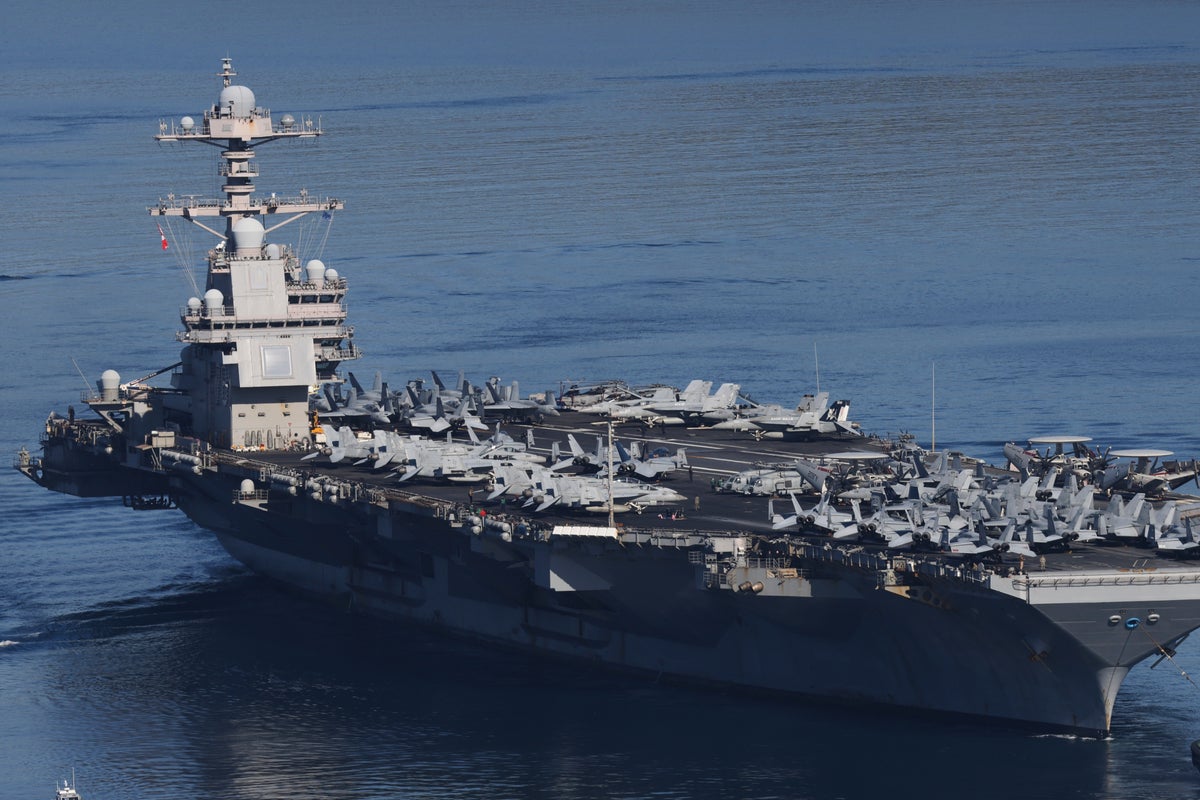
The world’s largest aircraft carrier is setting sail to Crete for repairs after a long string of mishaps, including a fire onboard and blocked toilets.
The USS Gerald R Ford has been deployed for nine months, first taking part in Donald Trump’s operation against Venezuela’s leader, Nicolas Maduro, in October.
The Ford was then stationed in the Middle East for the US-Israeli war against Iran, which is now in its third week.
But a recent fire onboard the warship – a $13bn vessel – has injured sailors and destroyed sleeping arrangements, dampening the crew’s morale.

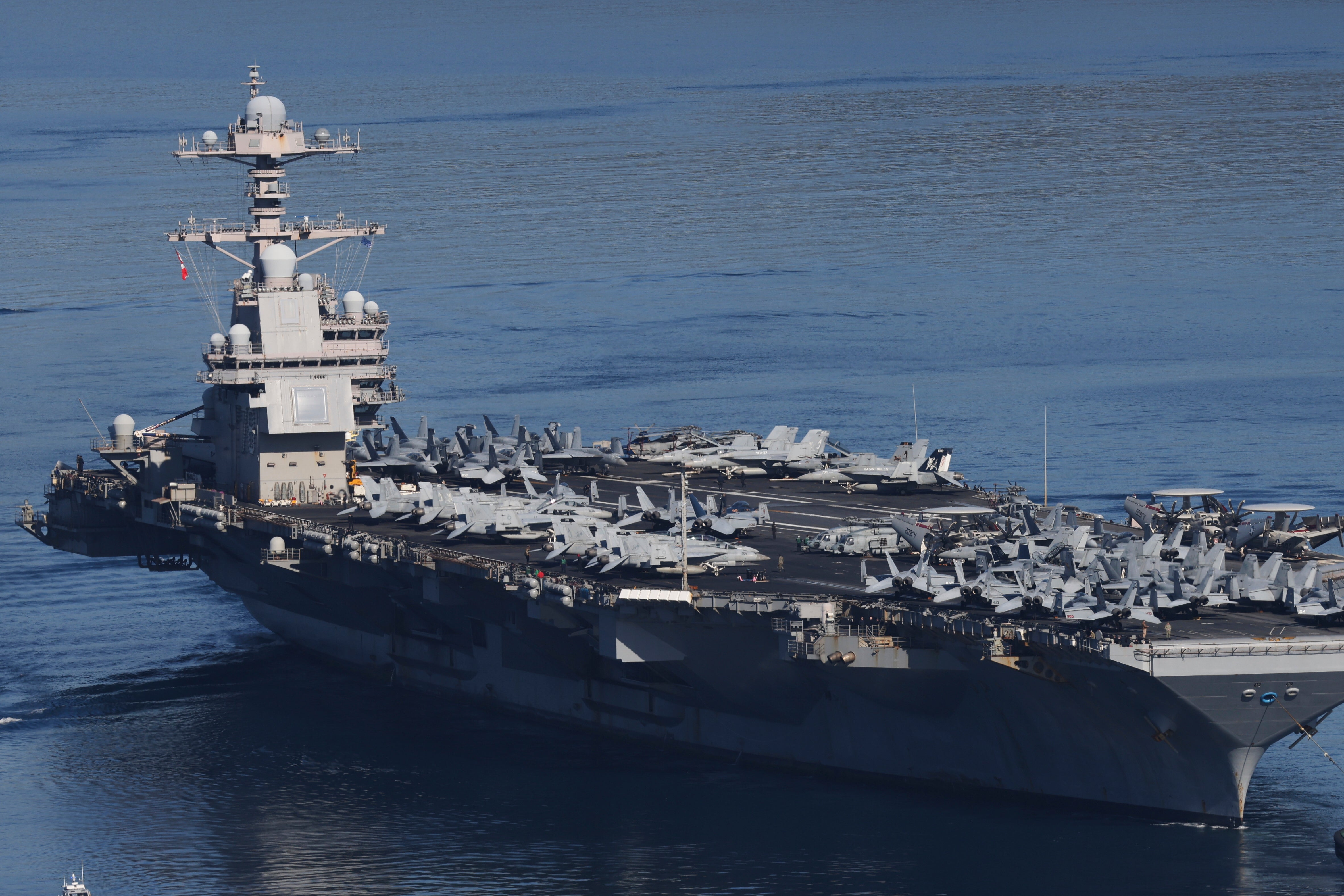
Officials said more than 600 sailors and crew members had lost their beds and have since been bunking down on floors and tables.
The US military’s Central Command said two sailors received treatment for “non-life-threatening injuries”. People on the ship reported that dozens of service members suffered smoke inhalation.
One of the officials said nearly 200 sailors were treated for smoke-related injuries when the fire broke out in the ship’s main laundry area. The fire took hours to bring under control and had an impact on roughly 100 sleeping berths.
One service member was flown off the ship for injuries, the official said.
The length of the deployment has raised questions about the morale of the sailors on board and the readiness of the warship.
The officials, who spoke on the condition of anonymity, did not say how long the Ford was expected to remain in Crete.
The New York Times first reported the extent of the damage on board the warship. The Pentagon did not immediately respond to a request for comment.
After the fire initially broke out, the US military had said that there was no damage to the ship’s propulsion plant and the aircraft carrier element was fully operational.

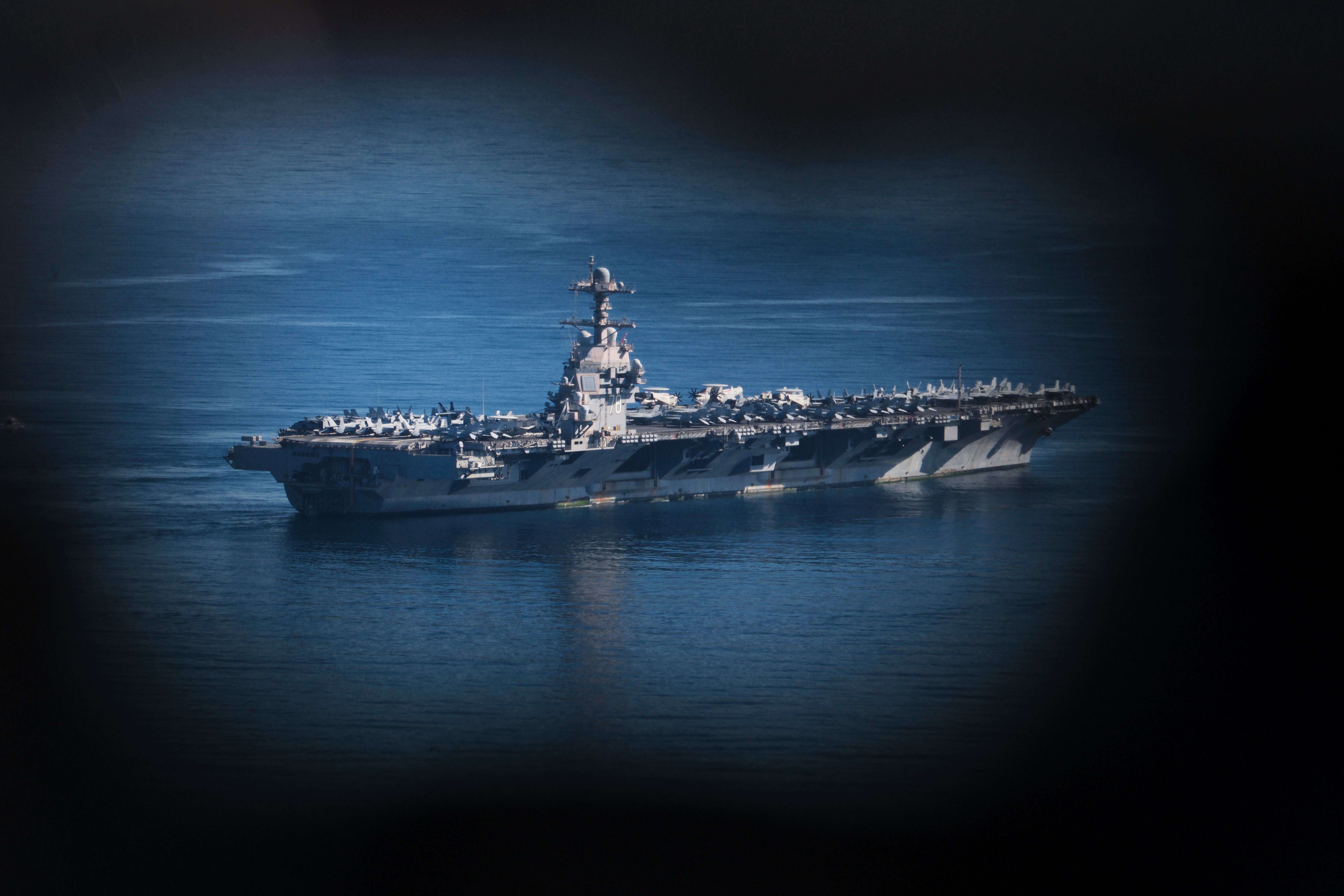
The carrier has also reportedly faced significant problems with its toilet system, including clogs and long queues for facilities.
A 2020 report from the US Government Accountability Office from 2020 said the ship’s toilet system was subject to “unexpected and frequent clogging” and requires acid flushes on a regular basis to clear it, at a cost of $400,000 each time.
The Ford, with more than 5,000 sailors aboard, has more than 75 military aircraft, including fighter aircraft like the F-18 Super Hornets.
Constructed by Huntington Ingalls Industries Newport News Shipbuilding, the ship weighs approximately 97,000 tons and is nuclear-powered.
It boasts of using augmented-reality technology which will give the army more insights into the ship’s systems and improve efficiency, according to CNet.
The Ford has sophisticated radar that can help control air traffic and navigation.
Supporting ships, such as the Ticonderoga-class guided missile cruiser Normandy, Arleigh Burke-class guided missile destroyers Thomas Hudner, Ramage, Carney, and Roosevelt include surface-to-air, surface-to-surface and anti-submarine warfare capabilities.