Britons doing their laundry or dishes on the weekend will be rewarded with free electricity in an attempt to tackle surplus power supply.
The National Energy System Operator (Neso) unveiled a new scheme on Tuesday, which encourages people to increase their electricity use at the times of day when there is an oversupply of energy.
Electricity demand is typically lower on weekends, bank holidays, or when the weather is warmer.
Households with smart meters would be rewarded through their energy suppliers or third-party apps “by running appliances like washing machines or dishwashers and charging electric vehicles during periods of excess supply,” the energy supply operator said.
“Alongside other NESO tools, this will help balance the system and reinforce energy security.”
Dr Deborah Petterson, Neso’s director of resilience and emergency management, said the tool will “not only reward consumers and businesses for flexible electricity use but also strengthen the resilience and efficiency of Great Britain’s electricity network.”
“The work of our excellent engineering teams at Neso means our energy system is well adapted to support a clean, resilient future, and puts us in a strong position to manage the changing patterns of electricity use over the summer.”
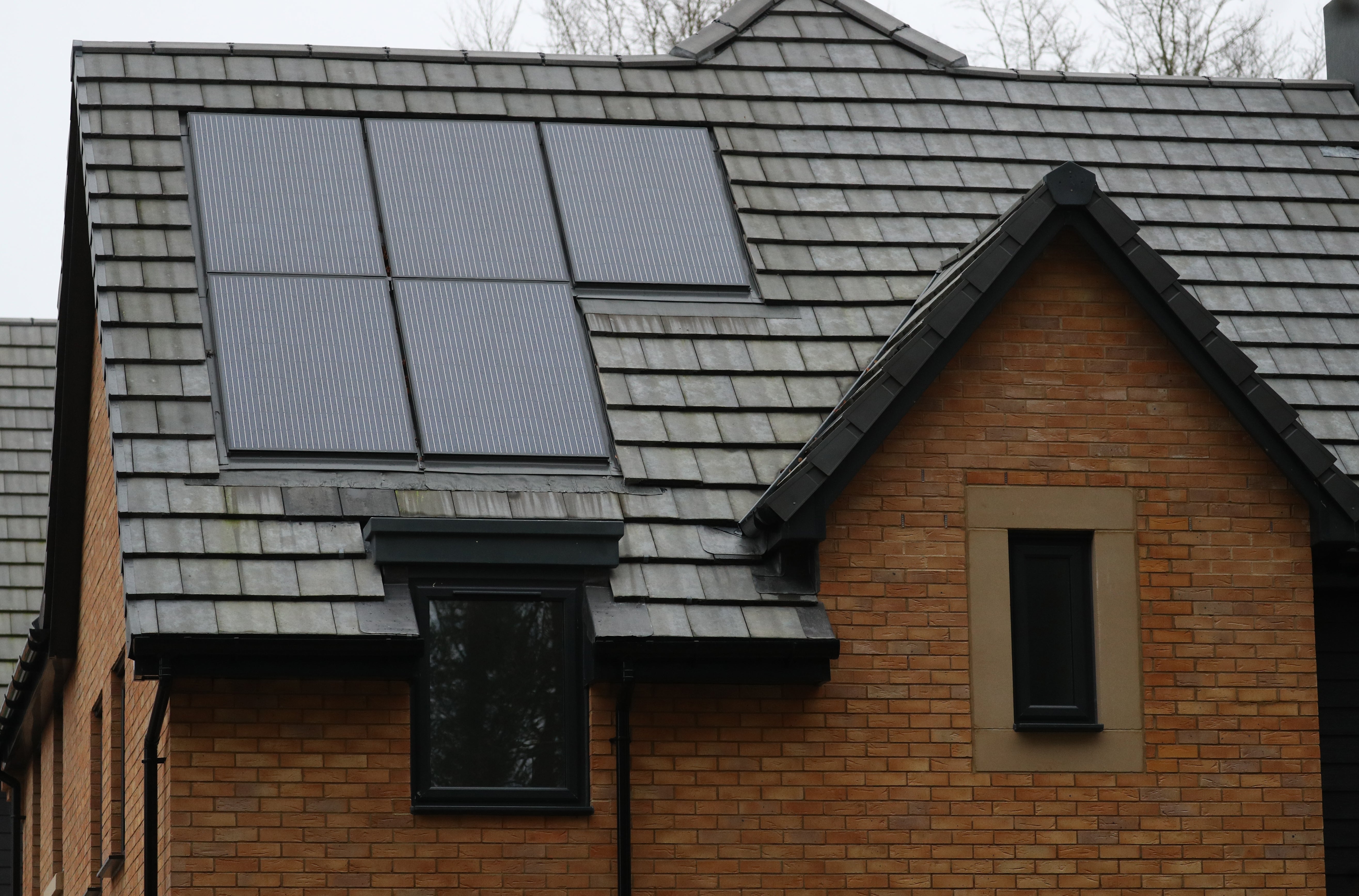
Electricity demand is typically lower in summer when warmer weather increases solar generation and causes people to change their electricity consumption habits.
In recent years, periods of surplus power supply have become more common, Neso said. “The growth of smaller, local electricity generators is also reducing reliance on large power stations on the national network.”
The scheme could also prevent the operator from having to pay wind and solar farms to switch off and fire up alternative power sources. In 2025, the UK paid nearly £1.5bn in wasted wind power costs.
Neso said the demand on the transmission network could fall to a record low this summer amid the rise of solar farms and solar panels.
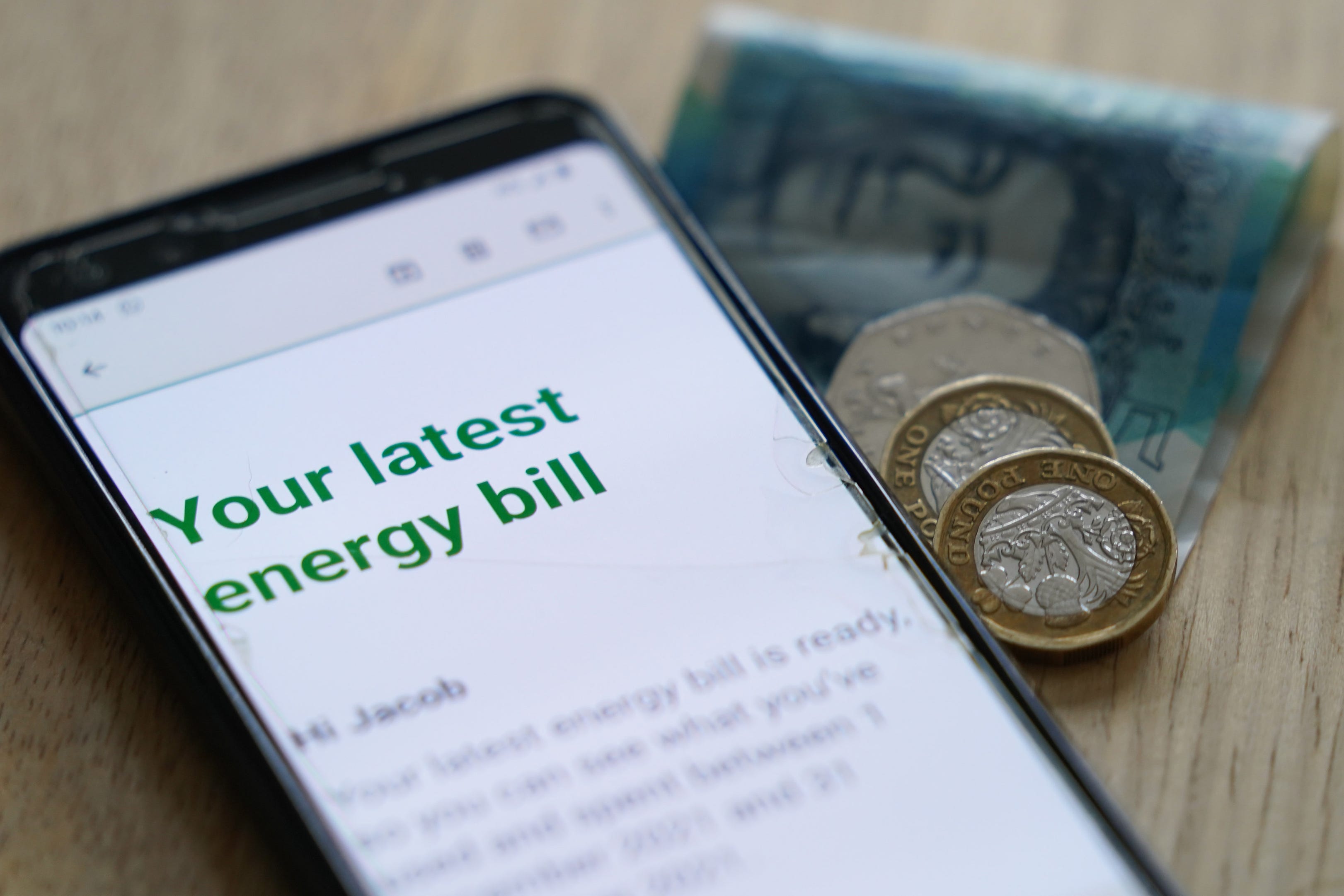
The closure of the Strait of Hormuz in February has sent gas and oil prices skyrocketing across the world. As a result, many UK households have turned to solar panels and heat pumps to avoid rising energy bills.
Greg Jackson, head of Octopus Energy, said its firm had seen a 50 per cent rise in solar panel and heat pump sales in March.
Last week, Graeme Downie, a Labour MP who sits on the energy select committee, warned that Britons could face higher energy bills for years to come.
He said it “will still take a long time for prices to return to normal” and the full impact of the crisis on the cost of living could be felt “until 2027/28 at least”.