

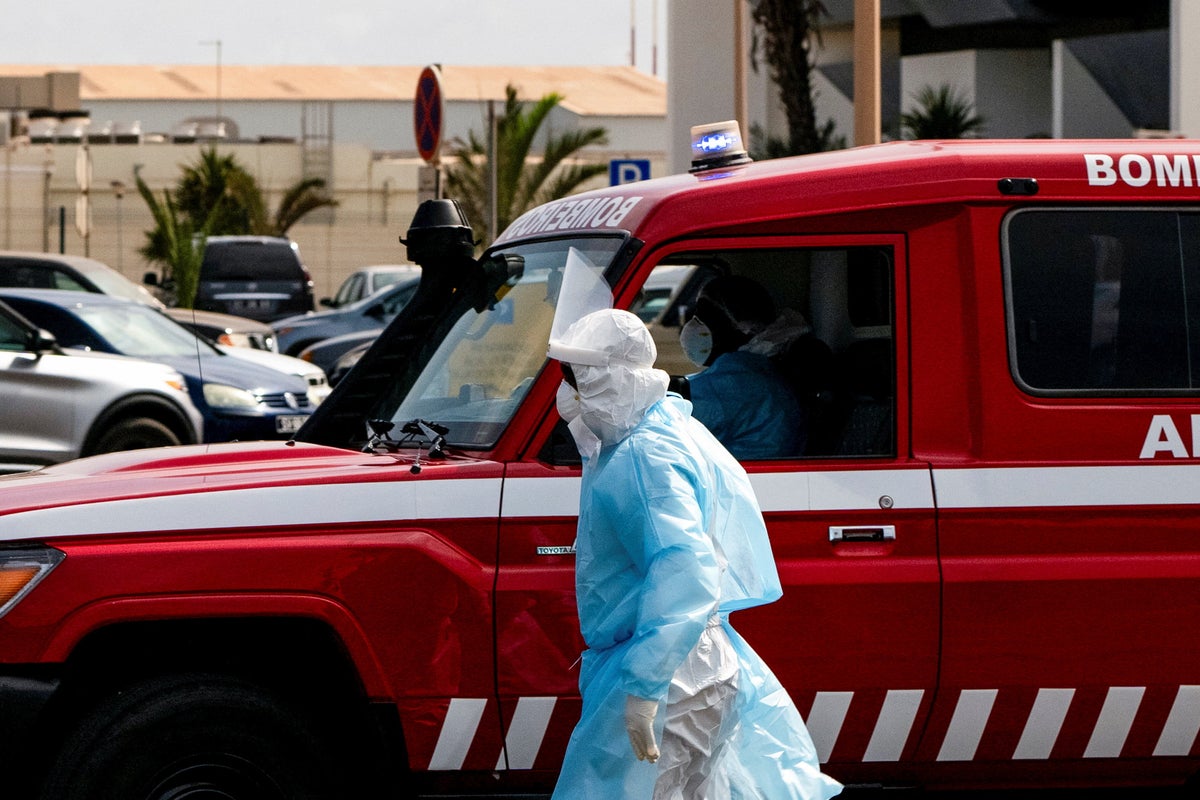
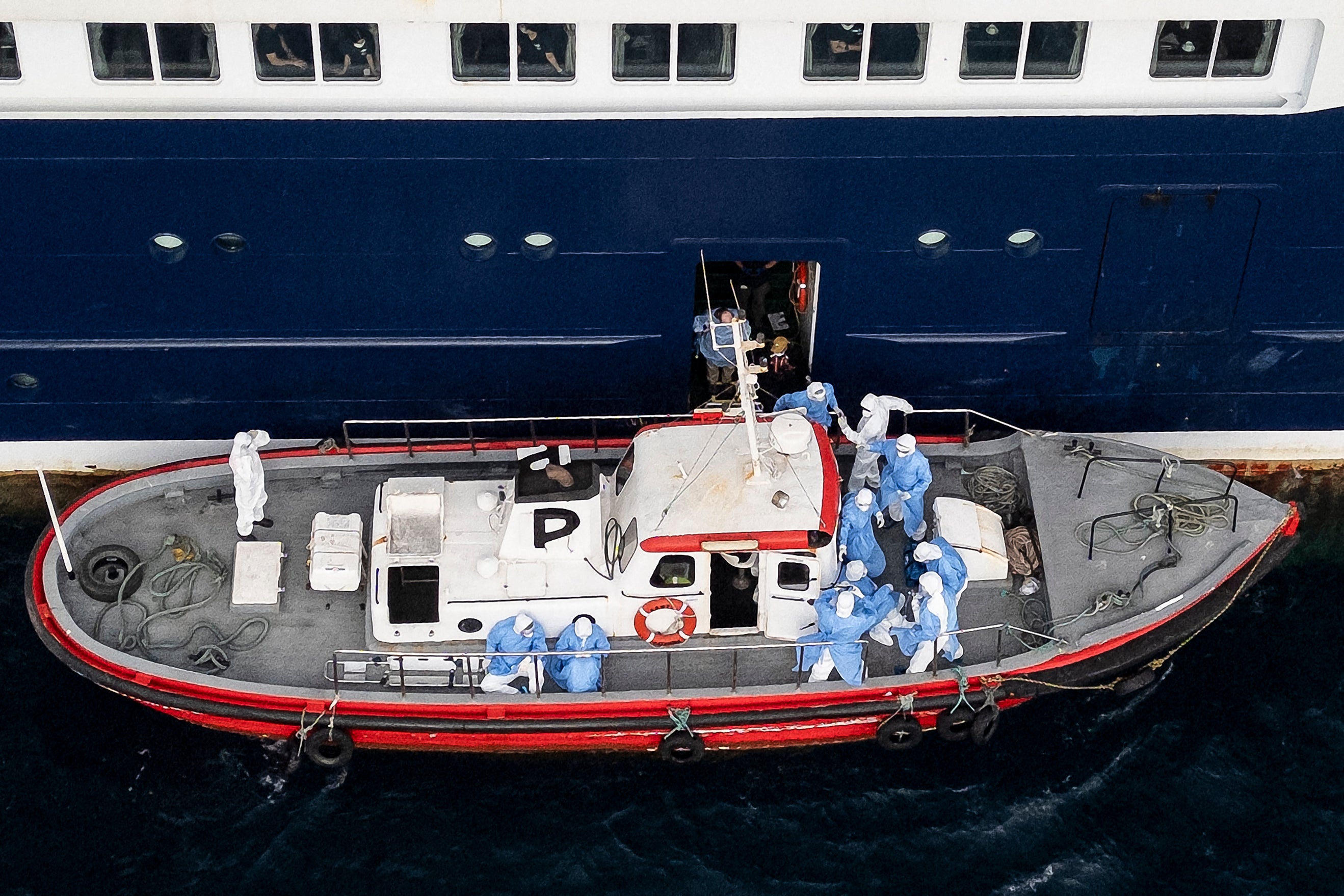
Three patients, including a British doctor, were airlifted from a hantavirus-stricken cruise ship to receive specialist medical care on Wednesday.
A total of eight suspected cases of the deadly disease have now been linked to the MV Hondius, with five of those cases now confirmed by the World Health Organisation (WHO).
There have been three deaths among passengers aboard the luxury cruise ship, which is currently sitting off Cape Verde as it prepares to sail to Spain’s Canary Islands.
While the cause of the outbreak is unconfirmed, two Argentine officials investigating its origins said the government’s leading hypothesis was that a Dutch couple contracted the virus during a bird-watching tour in Ushuaia, Argentina.
They said the couple visited a landfill during the trip, where they may have been exposed to rodents carrying the infection.
Health authorities have maintained that the risk to global health is low. Maria Van Kerkhove, the WHO’s top epidemic expert, said: “This is not the next Covid, but it is a serious infectious disease,” adding: “Most people will never be exposed to this.”
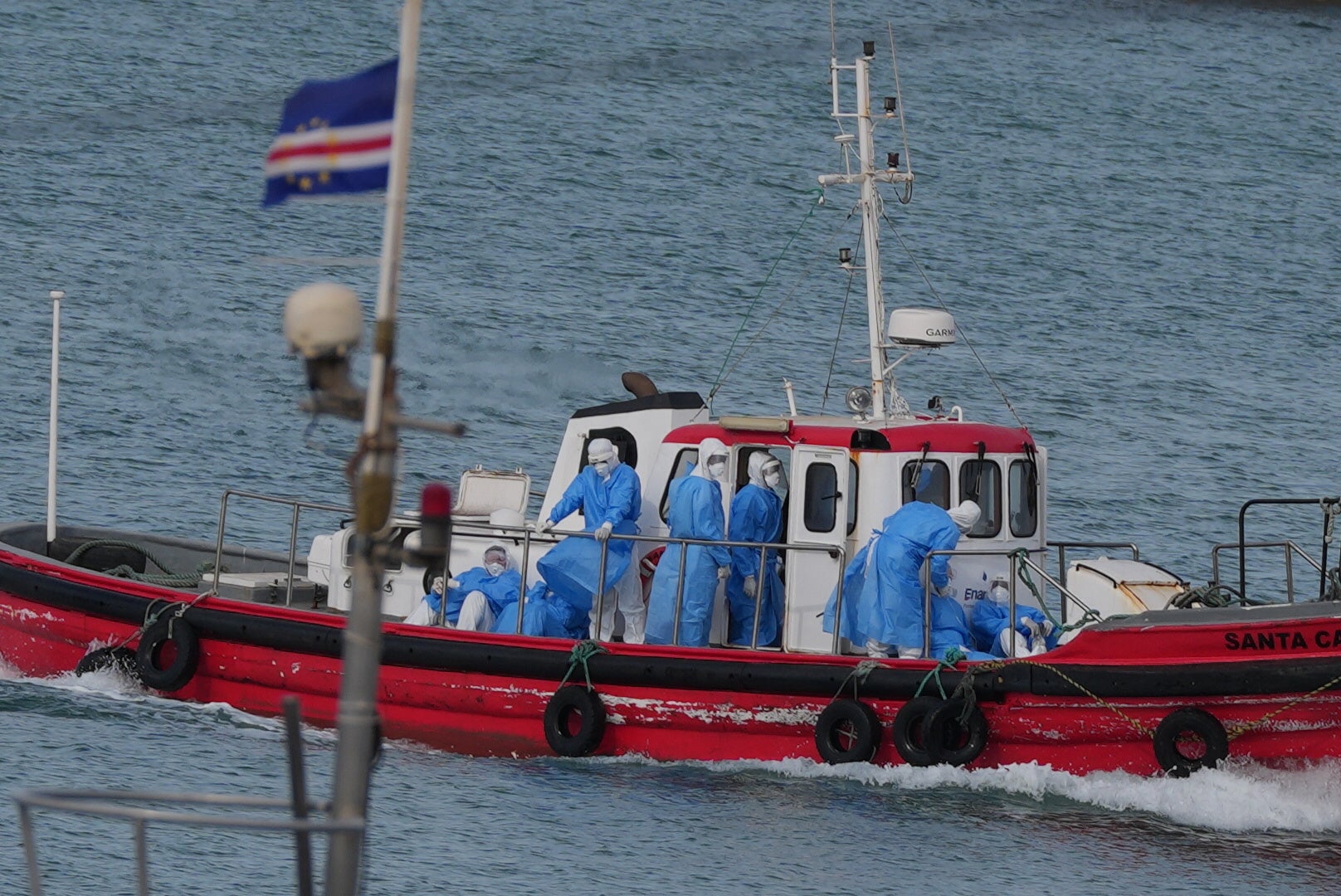
Two of the people evacuated on Wednesday were crew members, including the ship’s 56-year-old British doctor, who authorities say is no longer in critical condition.
A 41-year-old Dutch national and a 65-year-old German national were also evacuated and will be transferred to specialist hospitals in Europe.
The cruise ship’s operator, Oceanwide Expeditions, said two of those patients were ill, while the third had no symptoms but was “closely associated” with a German passenger who died last Saturday.
Another two passengers have tested positive in South Africa for the Andes strain, which, though rare, has been known to be transmissible between humans, the country’s health ministry said.
The WHO said it had not been notified of any changes to the Andes strain of hantavirus found on a cruise ship that would make it more transmissible.
Officials also said a Swiss national who had been aboard the vessel was being treated in a hospital in Zurich.
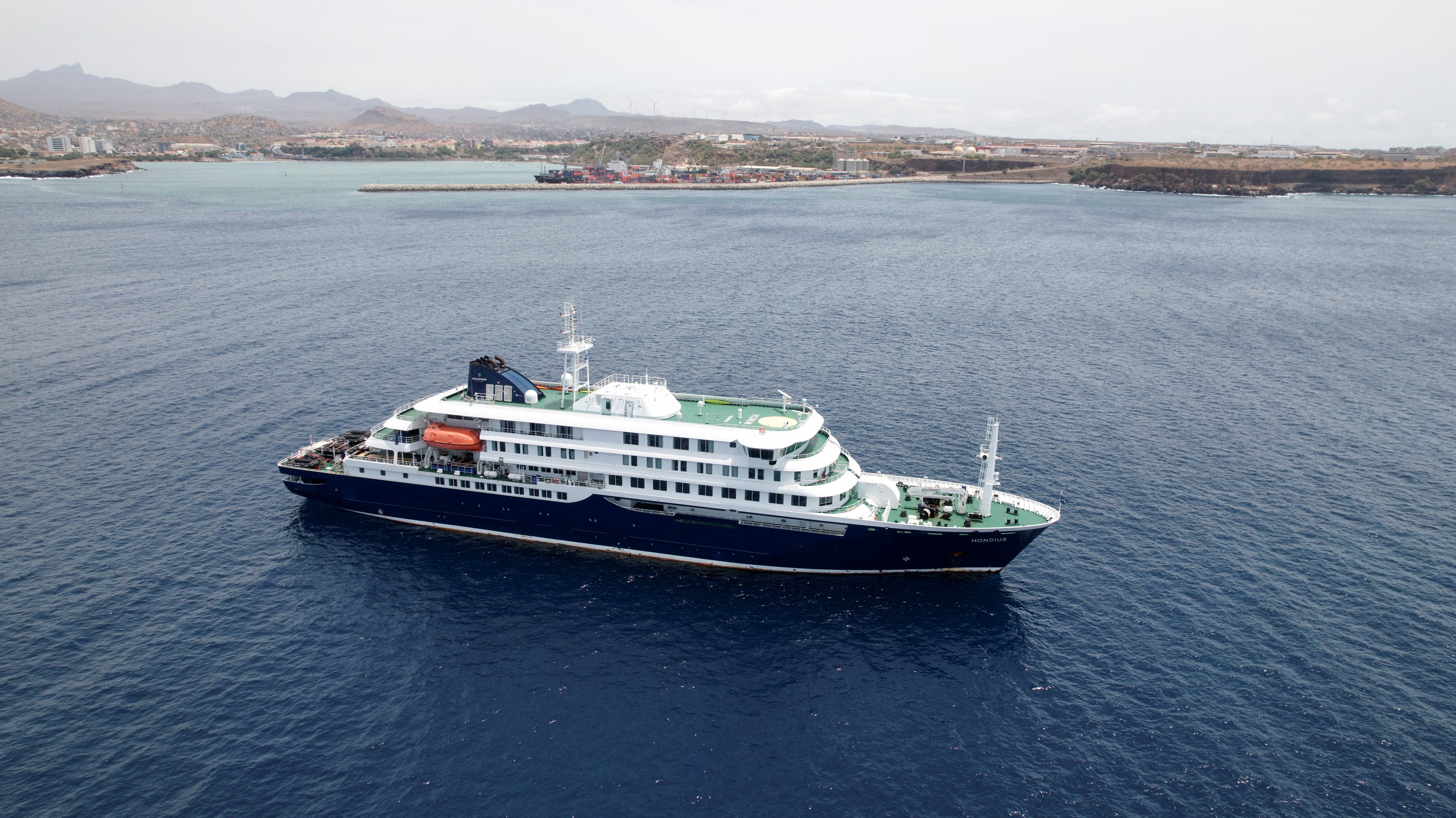
The remaining 150 passengers on the ship are isolated in their cabins and expected to arrive in the Canary Islands in the coming days.
The operator said on Wednesday: “At this stage, the planned onward destination for MV Hondius is the Canary Islands.
“Oceanwide Expeditions remains in close and continual discussion with relevant authorities regarding the exact point of arrival, quarantine and screening procedures for all guests, and a precise timeline.”
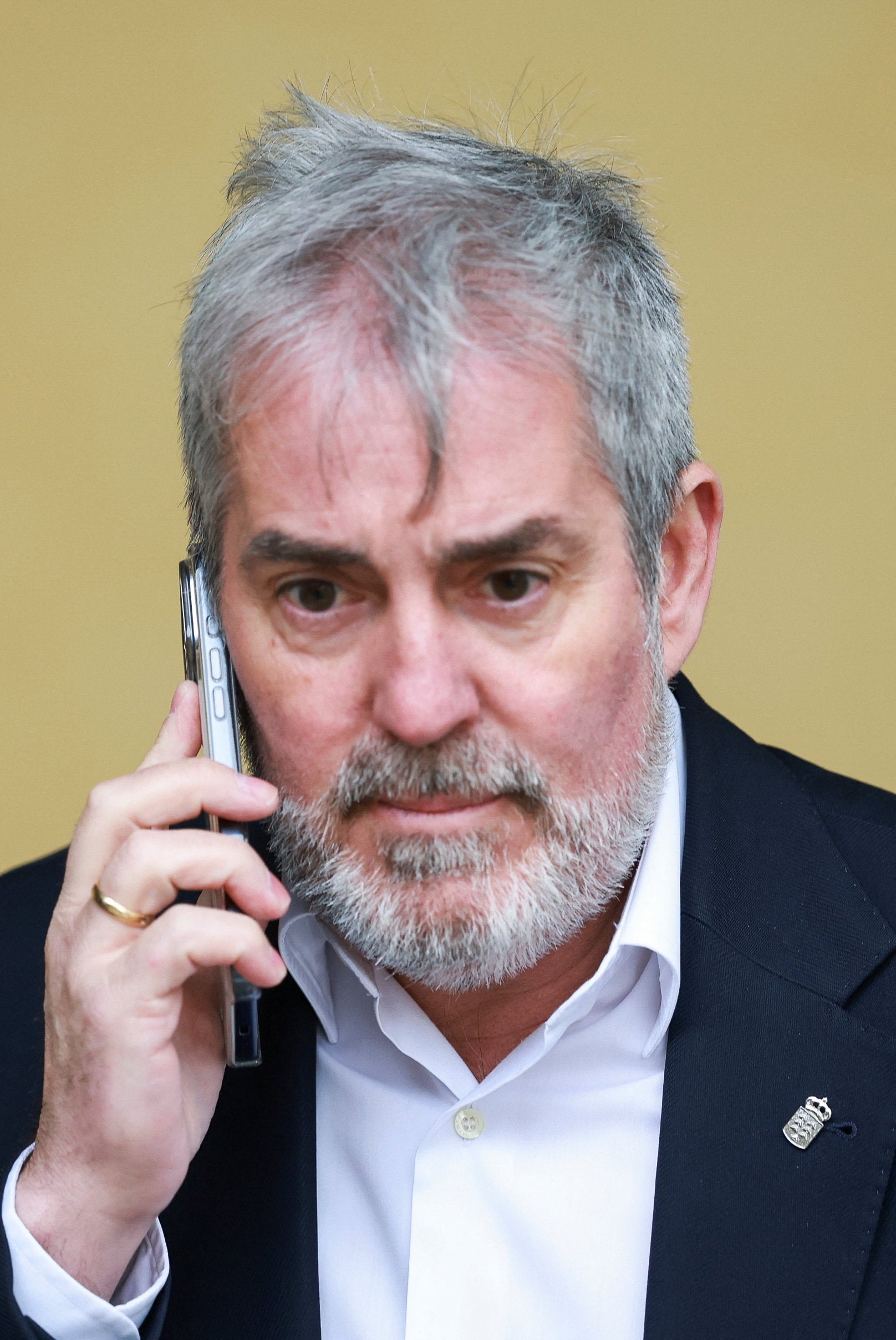
However, the president of the islands, Fernando Clavijo, has opposed the vessel docking in the archipelago, saying there was not “sufficient information” to guarantee public safety.
Spanish health minister Mónica García said the ship’s arrival “won’t represent any risk for the public” and confirmed that it would dock at a secondary port in Tenerife. Some 140 passengers will then be repatriated to their home countries, she added.
The UK Foreign Office said it was “working urgently” to get the British passengers home.
Foreign secretary Yvette Cooper said: “The outbreak of hantavirus is very serious and deeply stressful for those affected and their families.
“The Foreign Office is working urgently to support the UKHSA’s work overseas and to make sure British nationals on the MV Hondius can all get safely home with proper protection for public health.”
The cruise ship departed Argentina on 1 April for a voyage expected to stop in Antarctica and the Falkland Islands, among other locations.
Those aboard the ship have said they remain in good spirits as they await disembarkation.
One passenger, 31-year-old Qasem Elhato, said: “Our days have been close to normal, just waiting for authorities to find a solution.
“But morale on the ship is high and we’re keeping ourselves busy with reading, watching movies, having hot drinks and that kind of thing.”
Symptoms of hantavirus, which usually spreads by inhaling contaminated rodent droppings, can include muscle aches, stomach pain, nausea, vomiting, diarrhoea, or shortness of breath.