


Despite a sudden and quite inexplicable easing of tensions between Washington and Tehran, it would be premature to declare any end in sight for the war in the Middle East. Things are far from “over”.
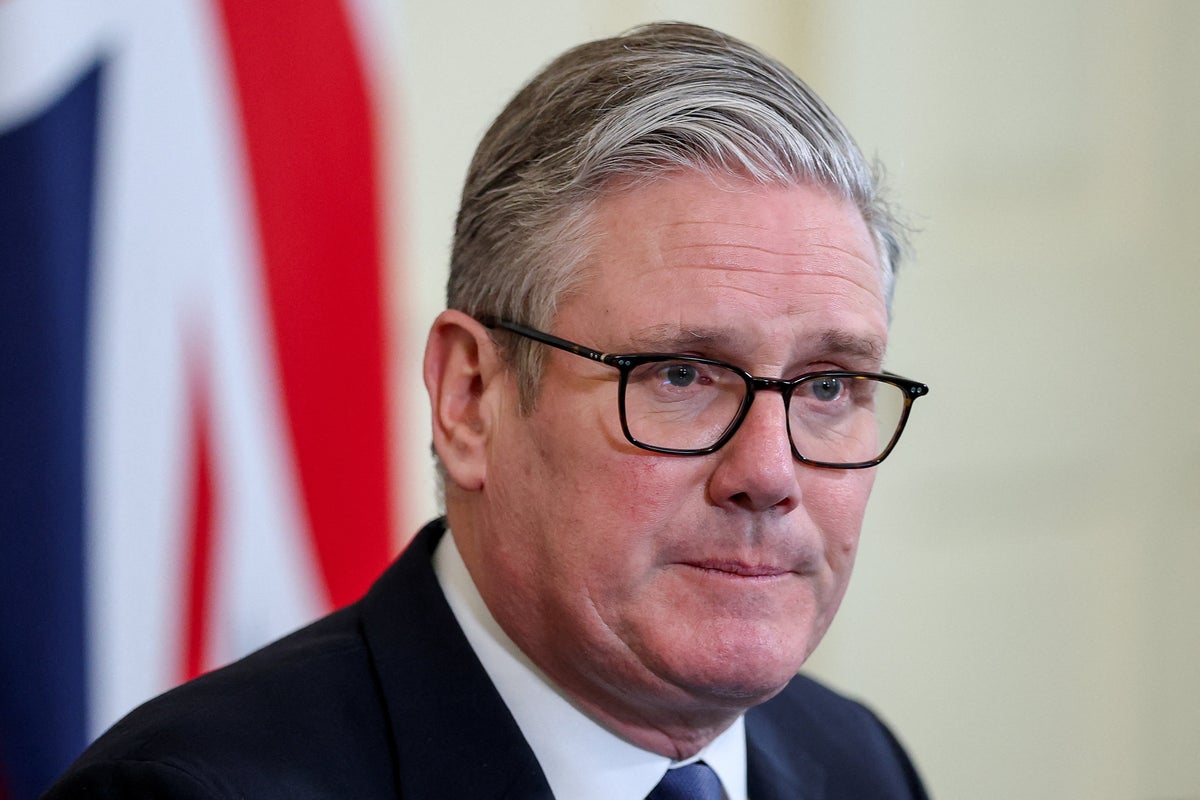
The prime minister has far more direct experience of Donald Trump than most, and he is therefore right to be extremely cautious about the prospect hinted at by the US president for a return to whatever passes for normality. Sir Keir Starmer, therefore, told senior MPs on the Commons liaison committee that the UK must not fall into the “false comfort” of thinking that there will be a quick and early end to this.
Quite so. The outcome could in fact be much worse for British households and businesses if the International Energy Agency is right about this being the worst energy crisis ever – like the ones in 1973 and 2022 combined.
At least there are signs that government planning for supporting the economy is underway, like ministers convening with the governor of the Bank of England, Andrew Bailey, to come up with some contingencies.
However, there should be some realism about what can be achieved, given the costs already incurred in successive crises in recent times.
The problem, even more than in previous episodes – and indeed because of those episodes – is money. Substantial increases in the UK national debt have already occurred from rescuing the banks during the global financial crisis in 2008, from the depressing effects of Brexit since 2016, from the Covid pandemic and now from the energy crisis when the second Ukraine war broke out. They have pushed public debt towards 100 per cent of GDP.
The bill for servicing that debt has risen once again for the UK, to above a wince-inducing 5 per cent on the benchmark gilt yield. Given that the world seems such an unstable place now, and the rate of economic growth so measly, any prudent chancellor would wish to retain some additional headroom for future contingencies, or “unknown unknowns”, so to speak.
The affordability of rising energy bills at the domestic level is mirrored in the public finances, where, despite some encouraging signs before the Iran war, there is little room for manoeuvre. According to the Office for Budget Responsibility, the total cost of energy support policies in 2022 and 2023 amounted to some £51bn. That is 2 per cent of GDP, almost the equivalent of the defence budget, or about two years’ worth of growth in the whole economy. It is difficult to see how the measures introduced during those years, by chancellor-turned-prime minister Rishi Sunak, could be easily afforded again.
If the crisis drags on and, say, propels the price of crude to $200 a barrel, every Western government outside the US will run out of options.
Nevertheless, the broad pattern of support that Mr Sunak oversaw is worth replicating if needs be. In his time, he established a flat-rate non-repayable rebate or subsidy for households, amounting to £400, with larger additional payments for those on means-tested benefits and, of course, for pensioner households (a bumper winter fuel payment would feel somewhat ironic for Rachel Reeves).
The principle that the most vulnerable should have the greatest help is a sound one – and the social costs to the NHS from people suffering from maladies in cold and mouldy homes must be taken into account.
This time around Ms Reeves does seem to be more aware of the urgent need for assistance for those who rely on fuel oil or liquefied petroleum gas for heating, notably in rural areas and in Northern Ireland. She will also have to make some attempt to help businesses, which have, as she well knows, been affected by increases in taxes, employers’ national insurance contributions and minimum wage levels, especially since Labour came to power.
There may be an additional reason to postpone, again, the scheduled increase in fuel duty, since it would increase industrial costs at such a difficult moment.
In the short term, the prime minister is clear that there should be no need for most people to panic over their gas and electricity bills. He is clear that bills will still be cut “because of measures we took in the Budget, and then held until the end of June” – and that pledge holds even if the war in the Middle East goes on.
After that, and peering towards next winter, there’s no doubt that it will be a tough one for many households in the “squeezed middle” – too prosperous to qualify for subsidies, but not rich enough to be able to absorb the higher bills. Bitter as they may be, they should look to Washington, not Westminster, for someone to blame.
