


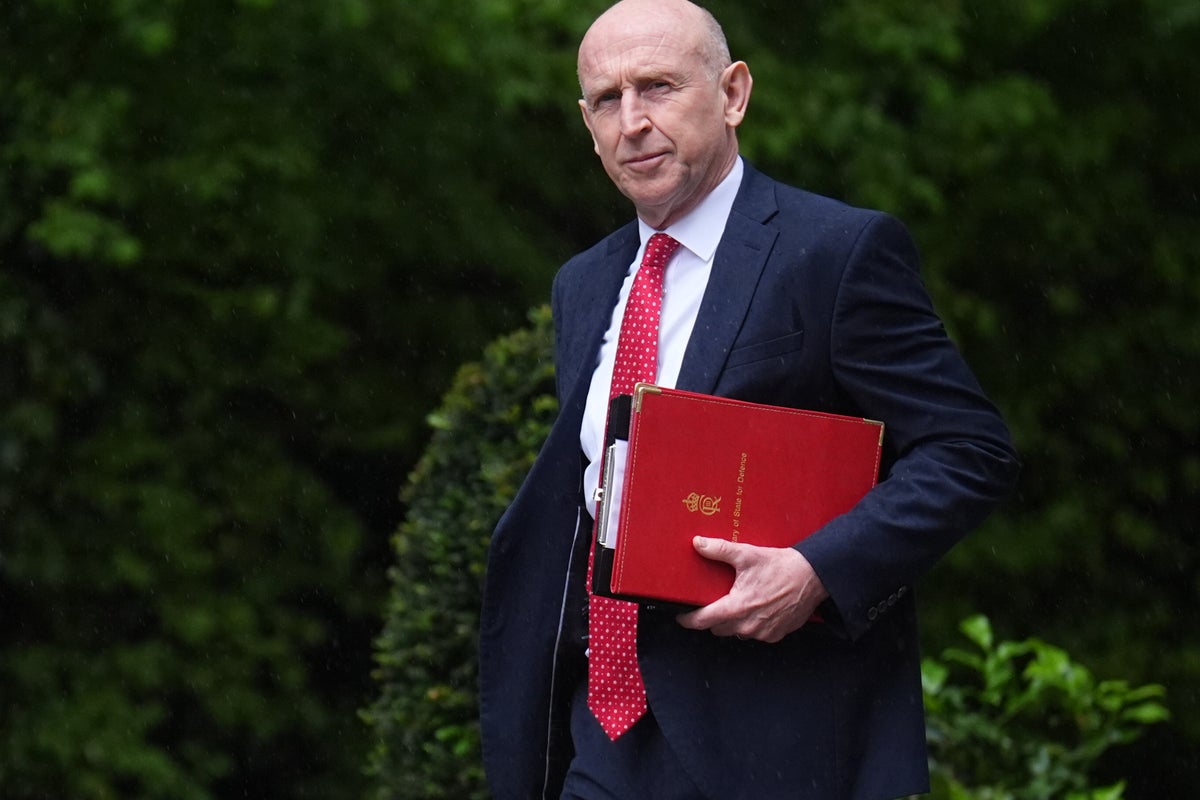
Sir Keir Starmer’s new Defence Investment Plan (DIP) won’t keep Britain safe, according to the former defence secretary who resigned over a lack of funding for the military, and has now urged the government to “do more” to bolster Britain’s defences.
John Healey – who quit earlier this month after accusing the prime minister of being “unwilling to commit the resources” needed to keep Britain safe – suggested the final funding settlement of 2.7 per cent of GDP was not enough and urged the government to set out a target date for the UK to spend 3 per cent on defence.
While the £15bn of funding allocated in the long-delayed DIP is £1.5bn more than the £13.5bn offer that was presented to Mr Healey a few weeks ago, it still falls well short of the £28bn officials wanted.
And with Sir Keir set to leave office within weeks, there is no guarantee that the funding set out today will still stand under the next prime minister.
Sir Keir – who said he would not cut day-to-day spending on frontline services to fund the DIP – said he had scrapped some capital projects that were not “immediately vital”, including some roads and energy schemes, in order to make up the extra £1.5bn.

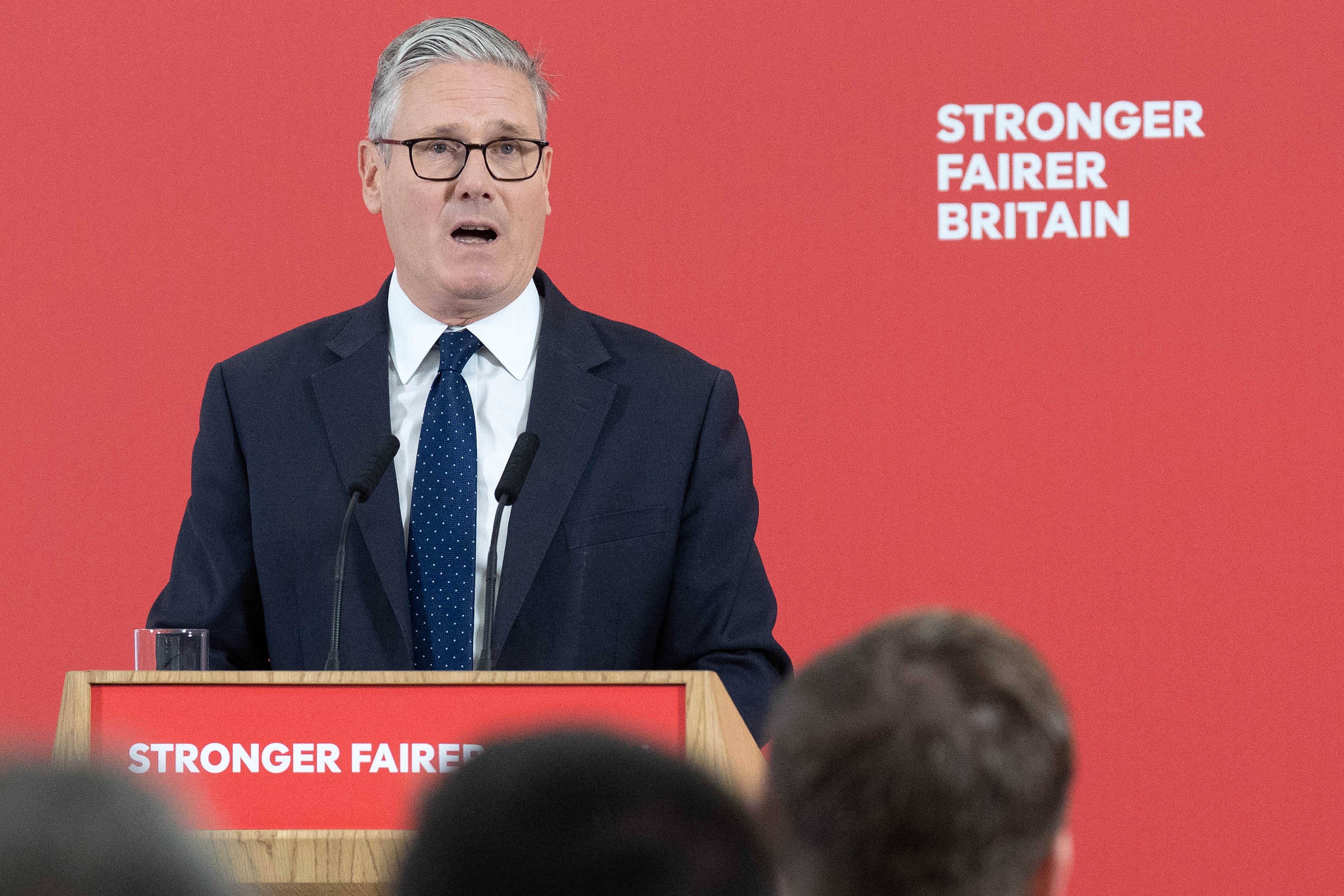
Other key elements of the Defence Investment Plan include:
- More than £10bn worth of efficiencies will need to be found
- Storm shadow missiles and a number of military helicopters will be axed
- More £5bn of spending will be allocated over the next four years to fund a “drone transformation” for the armed forces
- Spending on the nuclear deterrent will increase to reach 20-25 per cent of the Ministry of Defence’s overall budget, with around £64bn being poured into the sector
- £330m will be invested into critical underwater infrastructure
- The prime minister announced a “once-in-a-generation” £50 billion defence export facility to help British firms compete internationally.
The MoD has also been told to find around £11bn worth of cuts by 2029 as defence secretary Dan Jarvis admitted that “tough choices” would be necessary to make sure the armed forces are fit for the modern era.
The UK will scrap some older weapons and equipment, including Storm Shadow missiles and a range of military helicopters, as part of an attempt to make the military more efficient.
“Increased spending is only half the story. We have made tough choices, to stop doing things which were designed for another age, and invest in capabilities fit for the next war, not the last one”, Mr Jarvis wrote in the foreword to the DIP.
Responding to the DIP, which was published on Tuesday afternoon, Mr Healey said: “I want the Defence Investment Plan to be a success. And I thank the MOD officials who’ve worked so hard over many months on it. I welcome the extra funding and focus the Treasury has ceded over the last couple of weeks.”
But he warned: “The PM has made important new UK commitments. So we must now do more… Britain will still be spending just 2.7 per cent of GDP in 2030, the date when NATO has warned we could face a Russian attack. European security is at stake.”

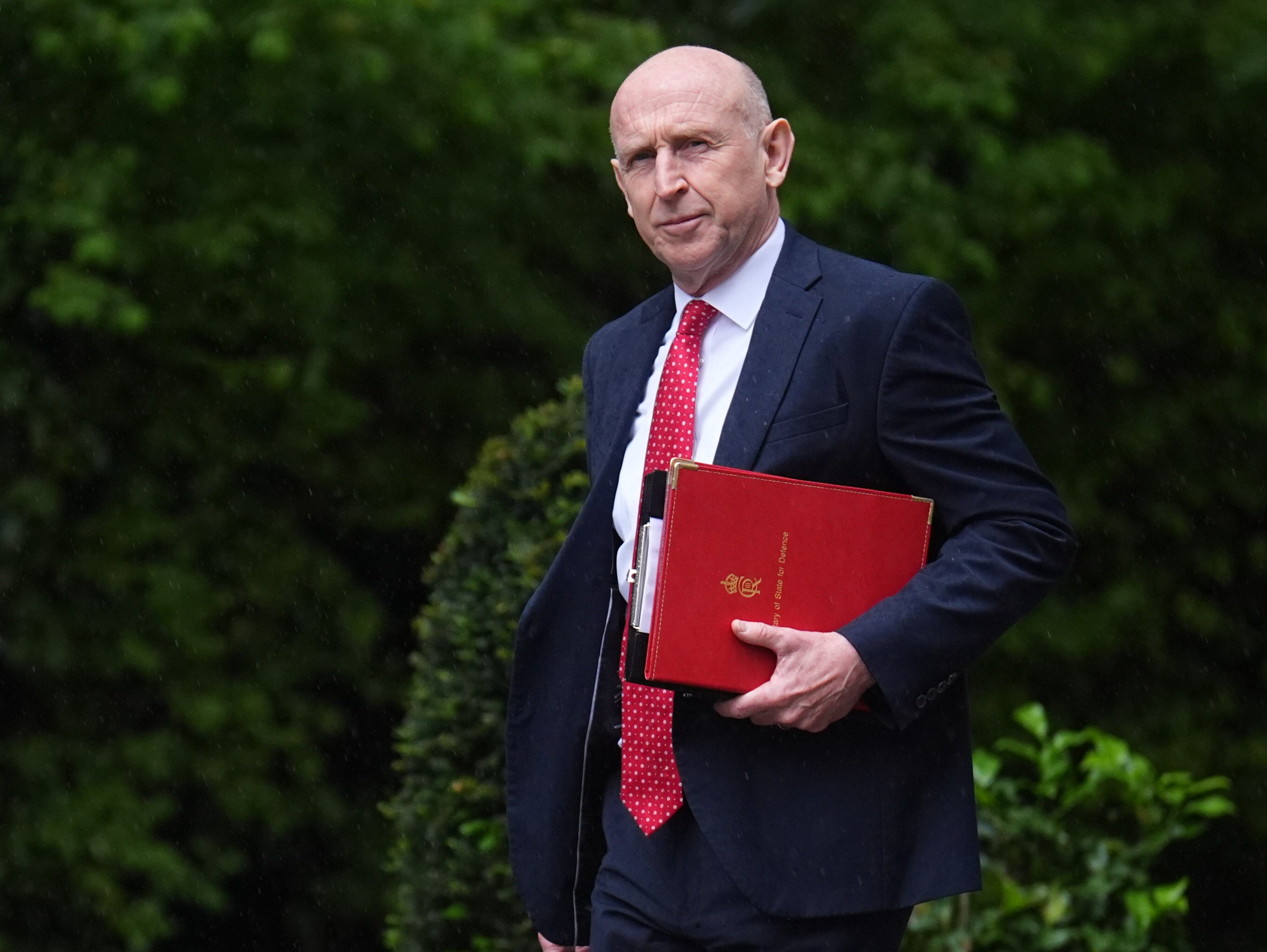
He demanded a target date for the government to spend 3 per cent of GDP on defence, and a “credible funding plan to meet our NATO commitment for 3.5 per cent on defence by 2035”.
Former Labour defence secretary Lord Hutton also criticised the plan, accusing Sir Keir of not having been “strong enough”.
“It certainly isn’t going to get us into a position, I’m afraid, where by the end of this parliament, our armed forces are war ready, because I think that’s really the challenge that we do face”, he told Times Radio.
The DIP makes clear the government’s intention to increase defence spending to 3 per cent in the next parliament, adding that funding and plans will be “set out at the next spending review, where defence will be the number one priority”.
While defence sources insisted it is “incredible unusual for the Treasury specify what their top priority is ahead of the next spending review”, armed forces minister Luke Pollard would not say whether or not Andy Burnham – who is expected to take over as prime minister within the next few weeks – had agreed to make defence the top priority at the next spending review, meaning there is no guarantee that the commitment will stand.
Mr Pollard also insisted that Britain is “still committed” to spending 3.5 per cent of GDP on core defence by 2035.
The nearly £11bn worth of efficiencies will include £3.3bn worth of savings through civilian workforce changes – including a target to cut workforce costs by at least 10 per cent by 2030.
There are also plans to move regular personnel from administrative into frontline roles, alongside a goal to automate at least 20 per cent of HR, finance, and commercial functions by July 2028. Some £2bn worth of savings will come from infrastructure, while £3.7bn will come through reforms to acquisition and supply chain processes.
Defence sources insisted that the efficiency savings are “not directly connected to the spending uplift”, with the £15bn increase in spending power not conditional on the savings.
As part of a series of “tough choices” being made by the MoD, Storm Shadow missiles – Anglo-French long range, air-launched cruise missiles which allow Ukraine to strike deep into Russia – will be axed, the DIP reveals.
While Storm Shadow missiles have plated a “vital role” for the armed forces, the document says, ministers are “now pivoting to the next generation of low-cost cruise missiles, meaning we will get significantly more missiles at a reduced overall cost.”
“Alongside these types of weapons, Stratus missiles will be the future of the UK’s complex weapons programme, delivering long range strikes against complex targets”, it adds.
In another bid to save money, more than 30 Wildcat helicopters and Chinook helicopters will also be axed, along with plans to upgrade a satellite communications system.

Meanwhile, the ambition to increase the size of the cadet force by 30 per cent by 2030 has been delayed to 2035.
However, Sir Keir promised the DIP will reverse the “corrosive hollowing out” of the armed forces, pledging more than £5bn of spending over the next four years to fund a “drone transformation” for the armed forces.
Some £650 million will be spent on combat and surveillance drones for land forces, which Sir Keir said would help increase the army’s “lethality” ten-fold.
There will also be funding for a “hybrid” Royal Navy, with smaller, autonomous vessels working alongside crewed ships.
Alongside this, the prime minister pledged more than £8bn for the Global Combat Air Programme to create a next-generation stealth fighter jet for the Royal Air Force in concert with Japan and Italy.
Meanwhile, spending on the nuclear deterrent will increase to reach 20-25 per cent of the Ministry of Defence’s overall budget, with around £64bn being poured into the sector.
Included in this will be £47bn on submarines, £13bn on the nuclear warhead, £1.7bn on nuclear fuels and £290 million on skills.