
Britain must be prepared for possible food and fuel shortages due to the escalating conflict in the Middle East, a cabinet minister has warned.
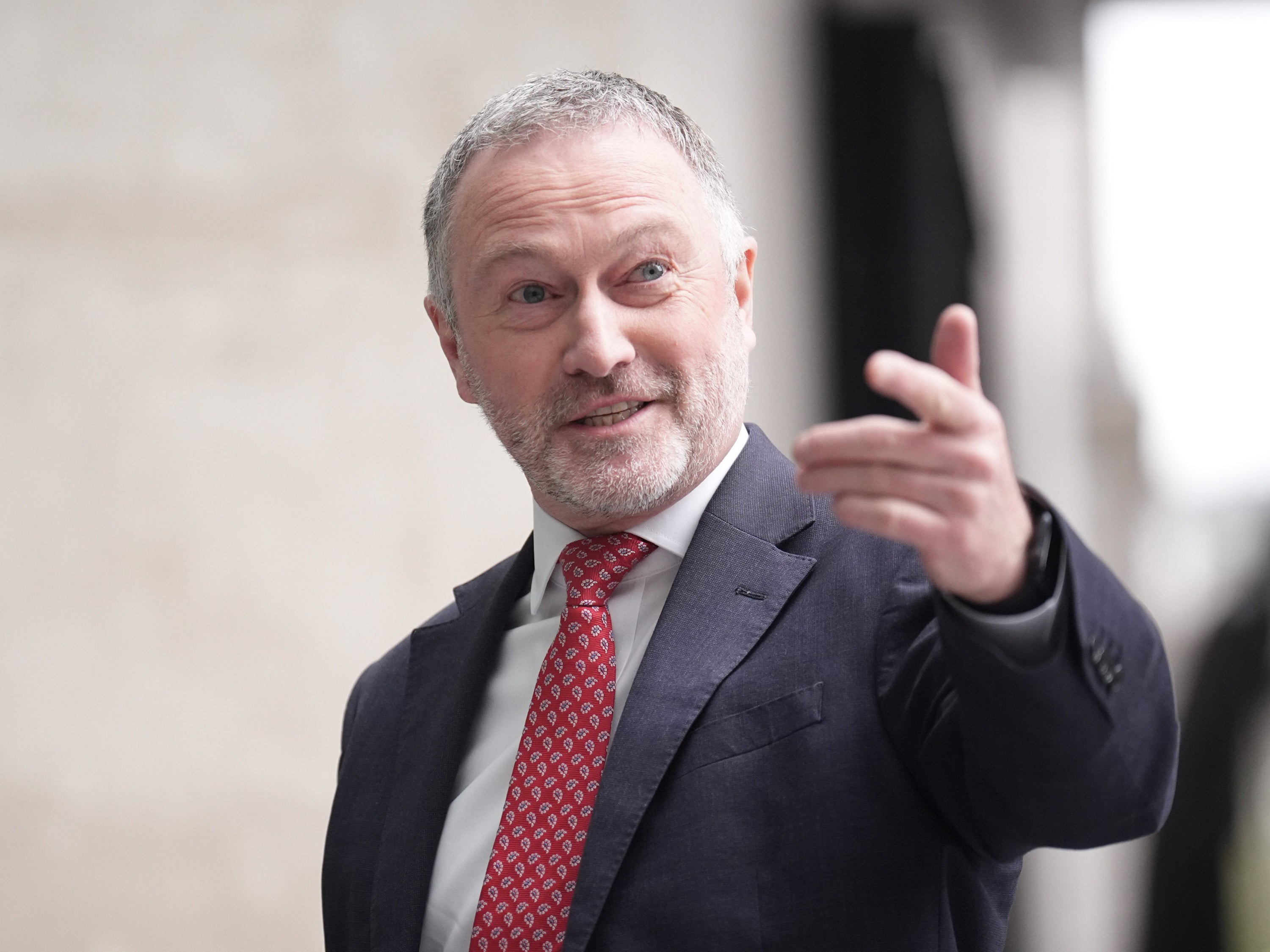
Steve Reed said the government was monitoring the situation “hour by hour” but said there was no need for rationing yet.
Asked if the government had a plan for shortages of petrol and food, he told Sky News’ Sunday Morning with Trevor Phillips: “Of course, we need to be prepared for any eventuality.”

But, he added: “There’s no need to ration fuel. People should go around and buy their fuel, just like they always would. If the situation were to change, then the government would look at what was required in that circumstance.”
He later said that when it came to energy bills, which looks set to spiral due to the soaring cost of oil and gas due to the conflict, “the government will take whatever action is necessary”.
His comments came as the chief executive of Centrica, which owns British Gas, Chris O’Shea, warned an increase in energy prices may be “inescapable” if the war in the Middle East “stays as it is”.
He also told the BBC that the impact on gas, and therefore electricity bills, from the closure of the Strait of Hormuz, a key shipping lane, ”should be lower than the impact on oil. So, my gut feel is that you’ll see more of an impact of this in the petrol pumps than you will in bills”.
He also backed the idea of targeted government support to help people with bills, which he described as “far better than blanket help”, and called for more exploration in the North Sea to cut energy prices.

It came as Keir Starmer was urged to impose a temporary profit cap on energy companies and petrol retailers to stop them benefiting too much from the Iran war, by the government’s cost of living tsar.
Lord Walker of Broxton, a boss of the supermarket Iceland, has asked the government to examine limiting profits during crises.
“As executive chairman of a retailer, I have no problem with profit. It’s what allows businesses to invest, employ people and pay tax. But I do have a big problem with profiteering, especially when families are under real pressure,” Mr Walker said in an article for The Sunday Times.
He added: “I have asked the government to consider a temporary profit cap to stop producers and retailers exploiting the crisis to make windfall profits at the expense of consumers.”
Mr Walker, a former Conservative who became a Labour peer last year, said petrol retailers and energy producers had been summoned to Downing Street and warned that “opportunistic rip-offs” would not be acceptable, in what he described as “a shot across the bows”.
He added that the Competition and Markets Authority (CMA), which also took part in the meeting, had “newly enhanced powers to step in if required”.

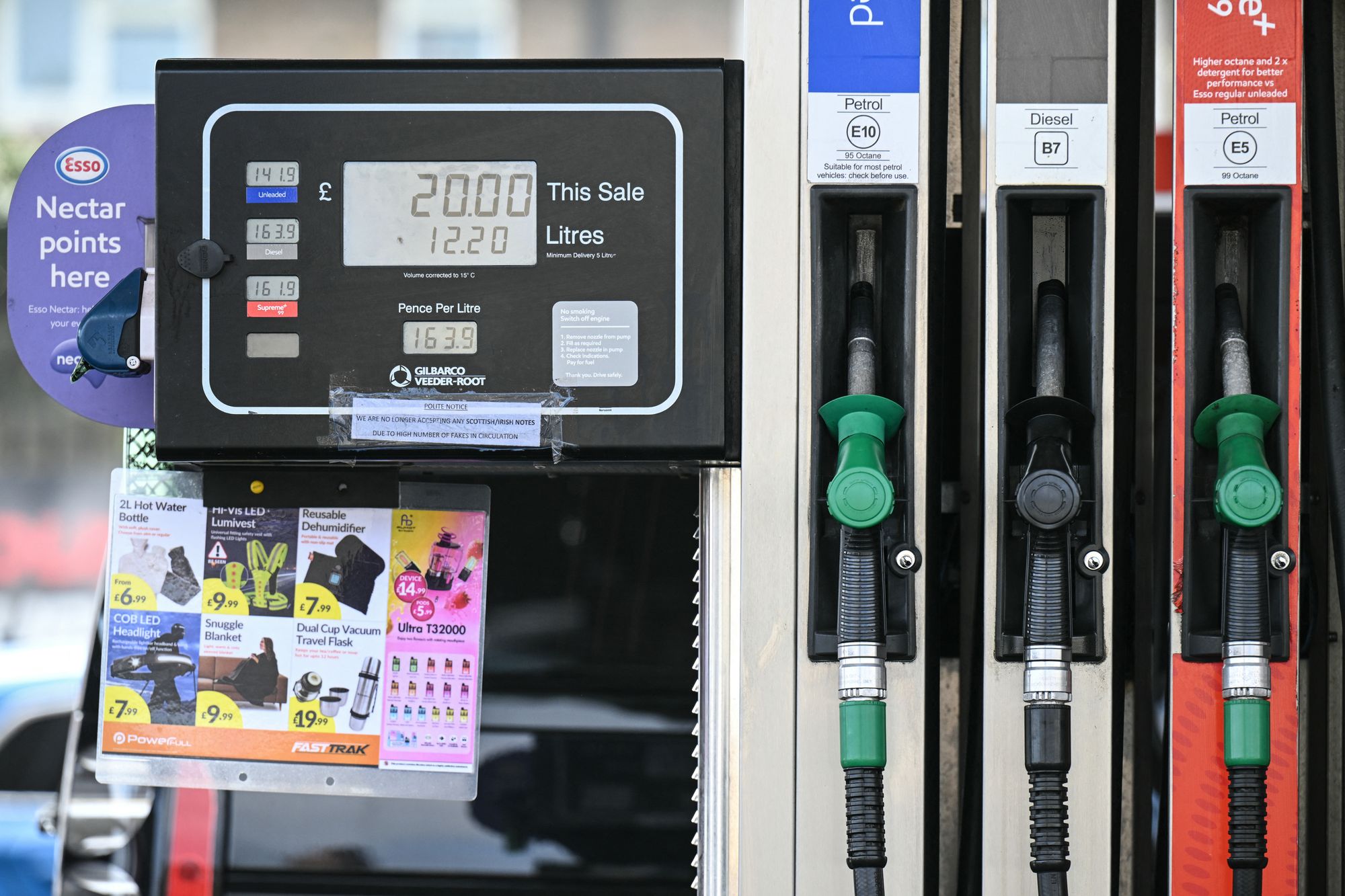
He went on to say that “the pressure on the regulators needs to be constant… If they do their job effectively, those sectors that have profited from price-gouging against the most vulnerable in society should consider themselves on notice.”
There has been a surge in global energy prices as a result of the conflict in the Middle East.
The average annual household energy bill alone is predicted to rise by £332 in July, according to the latest forecast from Cornwall Insights, and experts have warned that further rises in the price of petrol and diesel are inevitable after attacks on energy infrastructure in the region.
Ministers will next week hold an emergency meeting with Andrew Bailey, the governor of the Bank of England, to discuss plans to help households with the soaring cost of living caused by the conflict.
But Rachel Reeves has been urged not to raise taxes in response to the economic shock brought on by the US’s war with Iran.