.jpeg?trim=624,0,625,0&width=1200&height=800&crop=1200:800 "Are today’s motorists starting to care less about horsepower? – UK Times")

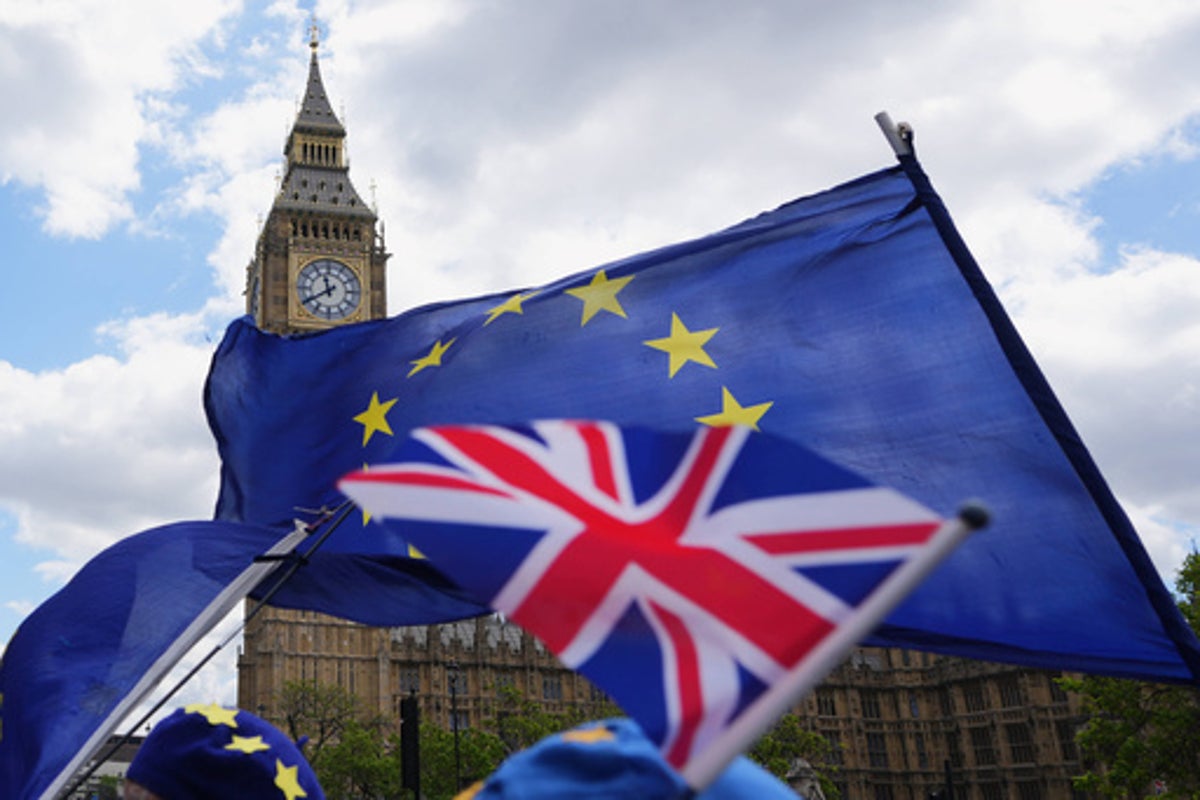
Britain’s global economic position has has been hit by Brexit and the cost-of-living crisis, a study into rankings of the world’s most competitive economies has suggested.
The latest World Competitiveness Ranking (WCR) has placed the UK as the 24th most competitive global economy in 2026, with Brexit serving as one major factor in its position.
The rankings, published annually by the IMD Business School in Switzerland, assess countries based on their economic performance, government efficiency, business efficiency and infrastructure.
The report’s lead author, professor of finance Arturo Bris, told The Independent the UK’s performance in the rankings had dropped since leaving the EU.
He said the UK used to rank in the top 20 before Brexit but that the country now sits consistently in the middle of the rankings.

“The impact of Brexit has been seen on different fronts,” he said, citing a lack of market exposure compared to the rest of Europe and weaker foreign investment in the country.
We are campaigning to rebuild Britain’s relationship with Europe. Join us here
The report states Britain’s economic performance remains a “weak spot”, having reached its lowest point in five years. Britain’s current account deficit sits at -3.13 per cent of GDP and inward investment flows rank just 66th.
The study suggests figures reflect “post-Brexit friction reducing the UK’s attractiveness as a European investment gateway”.
Office rent and high living costs have also contributed to Britain’s low ranking.
“Normally we see cost-of-living as a price to pay for competitiveness… but in the case of UK, it shows fragmentation of the UK economy between London and the rest of the country,” Professor Bris added.
The study finds that the impact of Brexit is “visible throughout the data”, which reveals a “stark investment gap”.
Britain ranks 69th for Inward Foreign Direct Investment, suggesting “Brexit has played a role in eroding the UK’s appeal as a European investment platform”.

It also finds that Britain’s goods exports as a percentage of GDP rank 64th, reflecting the potential friction of new customs arrangements with the EU, the UK’s largest trading partner.
Meanwhile, the weakened pound and elevated long-term unemployment “all point to structural economic damage that has not yet been fully repaired,” the study suggests.
However, Professor Bris added Britain had benefitted from Brexit in some ways, as it was protected from Donald Trump’s major tariff reform in 2025.
“A positive draw has been that the tariff war hurt European countries severely,” he said “The UK has been shielded from that.”
Meanwhile, new research shows Brexit has damaged UK exports to the EU by 12 per cent.
Research seen by The Guardian has found goods exports to the bloc are 16 per cent lower than they would have been, while services sector exports are 7 per cent lower.
John Springford and Anton Spisak, of the Centre for European Reform, said the data shows the “overwhelming majority” has been caused by leaving the single market.
“The regulatory costs related to Brexit – such as new certification procedures and checks for compliance with EU standards – have had a much more significant impact on UK-EU trade than customs-related barriers,” they told the paper.
The prime minister, who has announced a second EU-UK summit will take place in Brussels on July 22 to make progress on his reset with the bloc, has previously vowed not to return to freedom of movement, a customs union, or the EU single market.
The date for the EU-UK summit was announced as Sir Keir met the EU’s leaders in the margins of the G7 summit in Evian-les-Bains, France, where he said Britain would be at the “heart of Europe” under his reset plans.
A youth mobility deal, allowing British and EU member state citizens under 30 to live, work and study in each other’s countries, is set to be agreed at the gathering.
Join the community
Sign up to our free Europe: The Way Back newsletter here
What you will get by joining:
- A dedicated community: We are fully committed to the long haul, consistently campaigning to secure the absolute best deal for Britain within Europe.
- Free weekly newsletter: Every Wednesday, political editor David Maddox and political correspondent Millie Cooke will be in your inbox with exclusive reporting, analysis and insight on the biggest developments shaping relations between Britain and Europe. Each week, they will explain what’s happened, what it means, and what the key political figures, experts and decision-makers are saying about it.
- Essential continental updates: Stay informed with regular briefings on the biggest developments in European politics and the specific policies that could pave the way for closer EU relations.
There are even more benefits if you subscribe for just £1 for seven months:
- Exclusive content: Get the highest quality analysis, opinion and debate from political experts across the UK and Europe by subscribing to our premium service.
- The Brexit Effect: You’ll get exclusive access to extracts from Anthony Seldon’s major new book, The Brexit Effect, offering an unparalleled analysis of the 10 years since the referendum.
- Inform the debate: Receive exclusive invitations to live events, webinars, expert Q&As and podcast recordings.