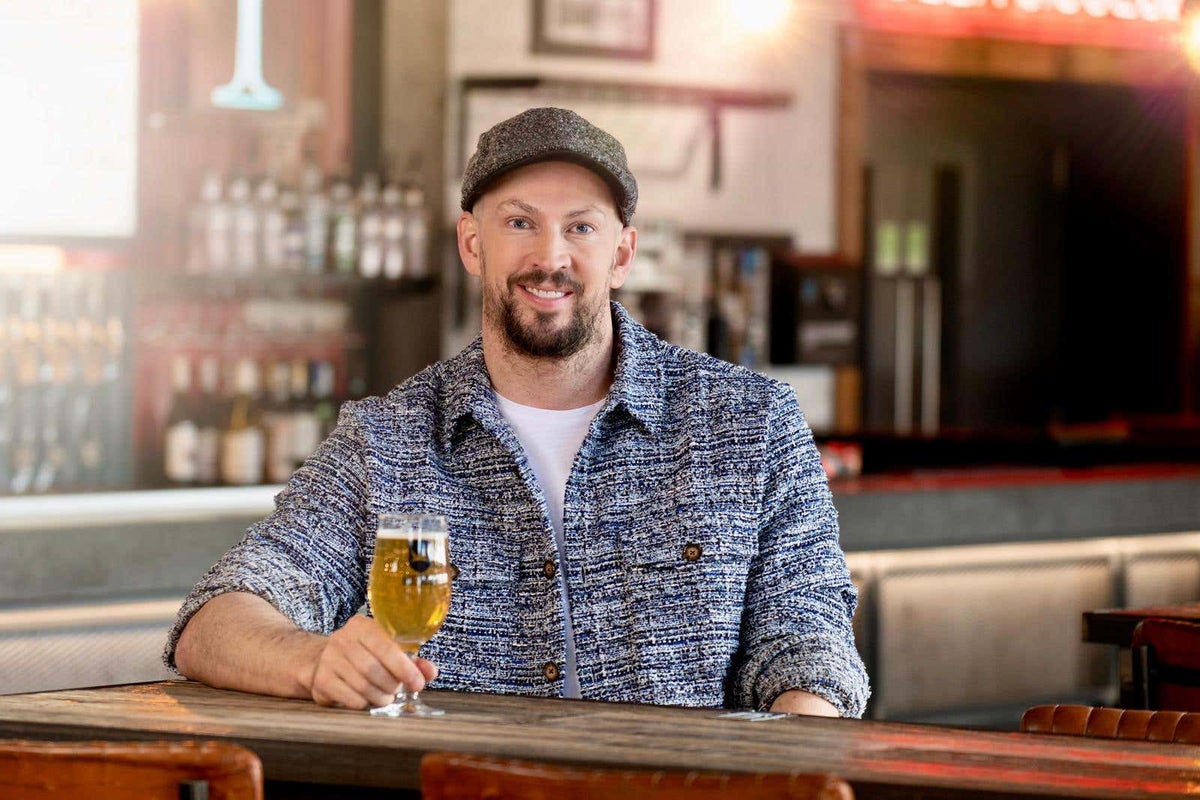
BrewDog co-founder James Watt has made a bid to buy back the craft beer firm just months after it was acquired out of administration by US company Tilray.
In a post on LinkedIn, Mr Watt revealed he had tabled an offer to buy BrewDog through his new beer firm Second Best, claiming that 43,000 so-called equity punk investors have joined forces for the bid.
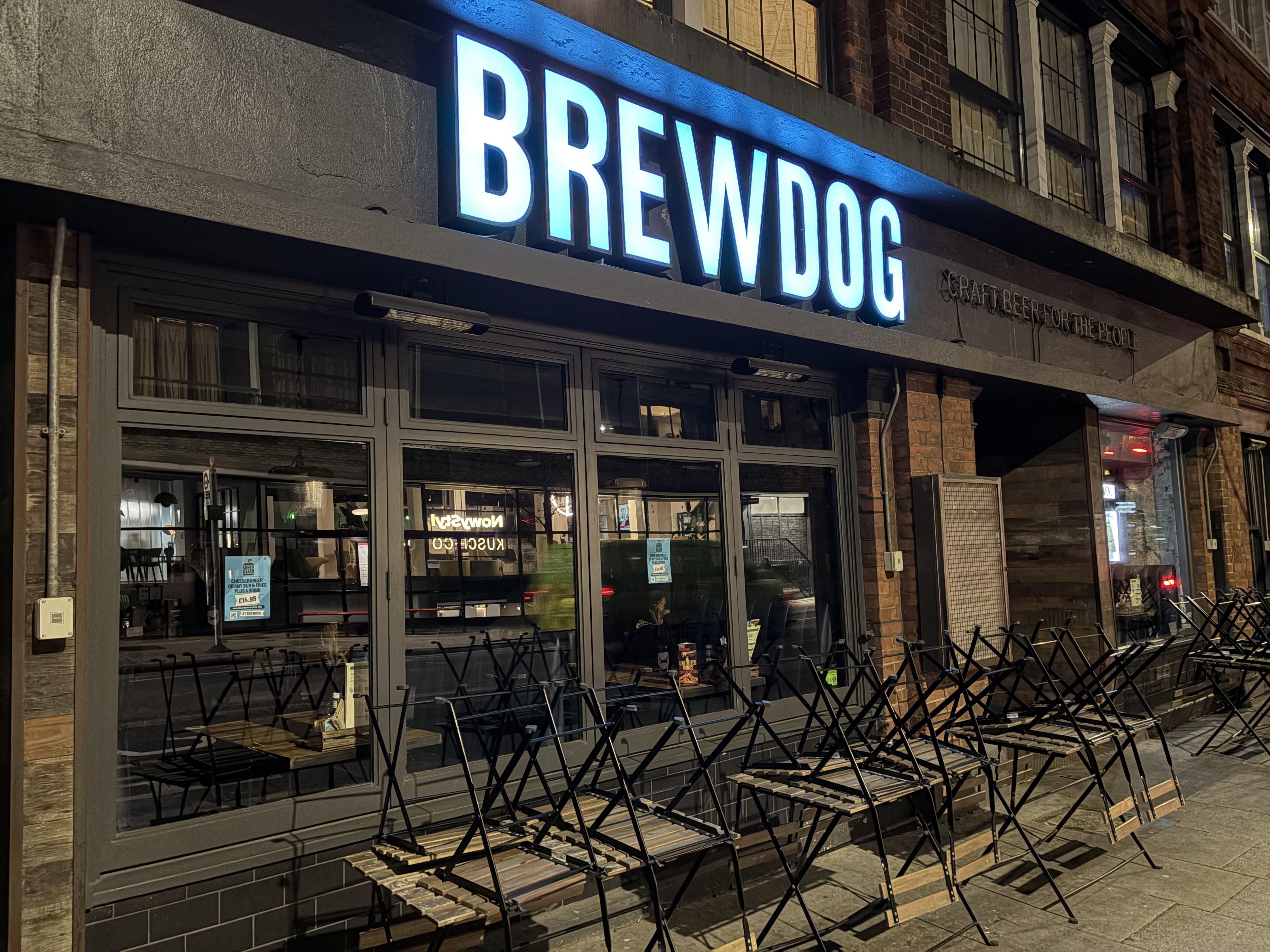
The move follows New York-based Tilray’s acquisition of BrewDog in March, which rescued the company out of administration, resulting in the closure of 36 bars in the UK, with close to 500 workers losing their jobs.
Mr Watt said: “If we succeed, every registered punk gets their BrewDog equity back, for free.
“We’d also restore the real living wage, bring back the team’s equity, and put the community back at the heart of the business.”
Around 20,000 people invested in BrewDog’s Equity For Punks, typically spending about £500 each on shares, which were then worth nothing when the firm collapsed into administration.
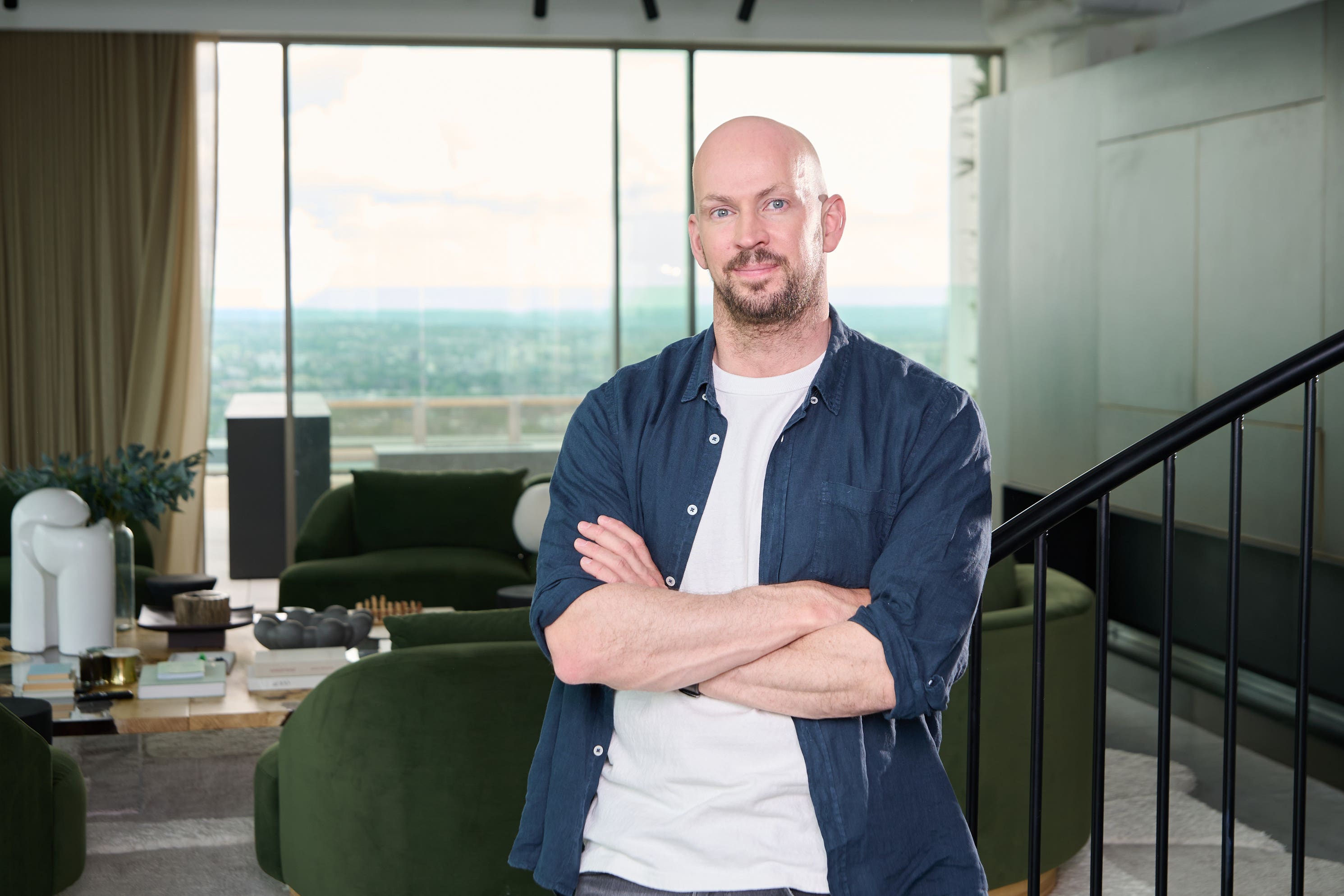
Mr Watt said on LinkedIn: “The punks and the crew built this company and BrewDog deserves to belong to them once more.
“Equity Punks, you backed me once. This time, I’m backing you.”
Mr Watt co-founded craft beer giant BrewDog in Aberdeenshire in 2007 with the brand growing rapidly afterwards.
He stepped down as chief executive in 2024 to become its “captain and co-founder”.
He has apologised to staff and investors for what he said were “mistakes” made during his time at the helm.
He said in March he was “heartbroken” for those who had lost investments after the company was taken over by Tilray.
In a social media post at the time, he said: “I am heartbroken for all of the hard-working and passionate team members who have lost their jobs.
“I am heartbroken for all of our brilliant equity punks who did not get the return on their investment they wanted.”
He continued: “I was 24, working part time on a fishing boat, and still living in my dad’s spare room when we started BrewDog. I had never run a business before, I had no idea what I was really doing and I just made it all up as I went along.
“When an underdog strategy works so well that people perceive you as the incumbent, that strategy breaks down, and I should have recognised that earlier.
“With the benefit of hindsight there are also so many other things I would have done differently.
“At times we expanded too fast, diversified too broadly and I feel that I did not respond to certain crises that we faced (and we faced many) in a way that was authentic to who we were.”