

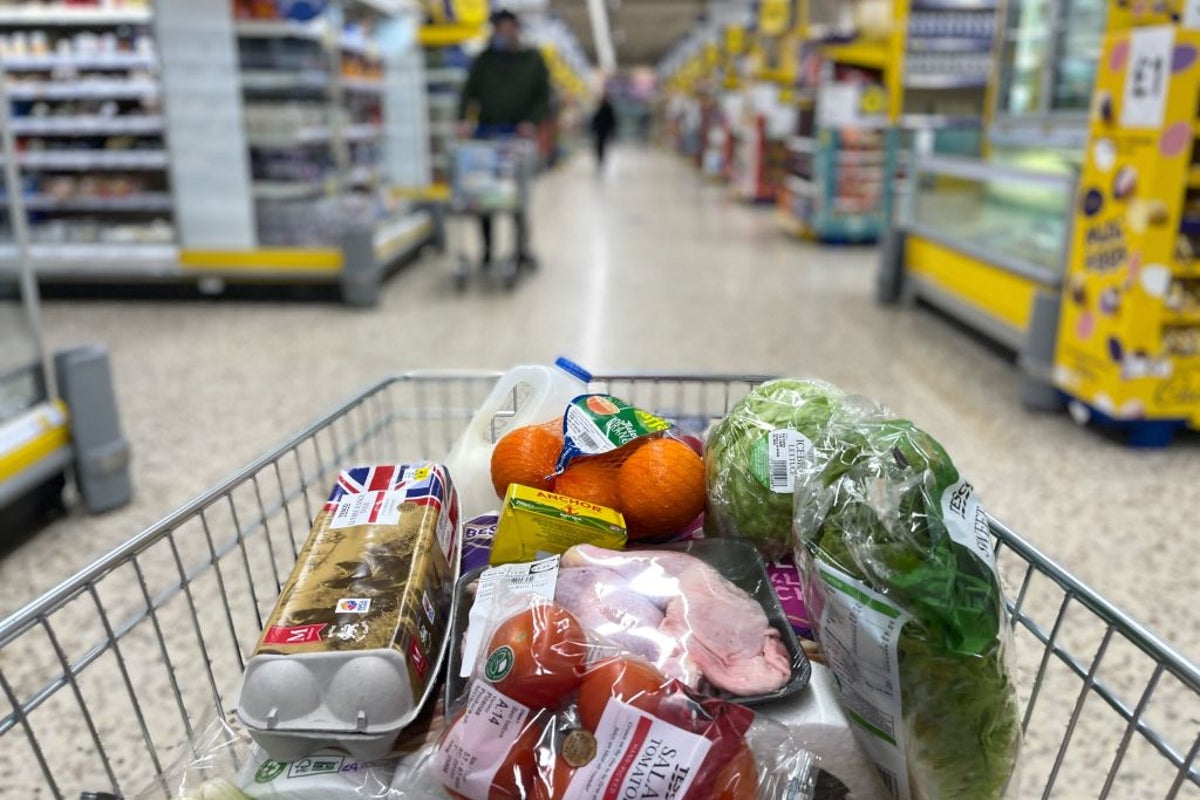
British households face persistently high prices for essential food items such as bread and pasta, with a new report attributing the long-term trend to ongoing global events like the Middle East crisis and the El Nino weather pattern.
Analysis from the Energy and Climate Intelligence Unit (ECIU) suggests that price hikes following “major shocks” tend to recede only gradually and partially.
This “rocket and feathers” effect, where food prices “shoot up like rockets but drift down like feathers”, means consumers are left with elevated grocery bills long after the initial disruption has subsided.
The think tank’s findings, based on over three decades of UK data, indicate that shelf prices recover a mere 1 per cent of their original increase after six months, rising to just 7 per cent after two years.
When adjusted for wages, only about a third (35 per cent) of the initial affordability impact is unwound within a two-year period, explaining why grocery costs remain significantly above pre-pandemic levels despite some contributing factors easing.
ECIU food and farming analyst Chris Jaccarini said: “Shoppers feeling that prices are on a never-ending escalator upwards is borne out by the data.
“War and extreme weather are increasingly pushing up the cost of the weekly shop with the latest conflict in the Middle East driving up the price of oil, gas and fertiliser used to grow, ship and process food.
“In England, we’ve had three of the worst harvests on record in the past five years and next year is shaping up to be the hottest globally.


Get a free fractional share worth up to £100.
Capital at risk.
Terms and conditions apply.
Go to website
ADVERTISEMENT
Get a free fractional share worth up to £100.
Capital at risk.
Terms and conditions apply.
Go to website
ADVERTISEMENT
“The only way to stop the growing risk of floods and droughts is to reach net zero and bring the climate back into balance.
“That means cutting our reliance on oil and gas, which would also help shield food prices from the volatile global markets that have helped drive the cost-of-living crisis.
“As the data shows, once prices are up, they’re up – prevention is the only cure.”

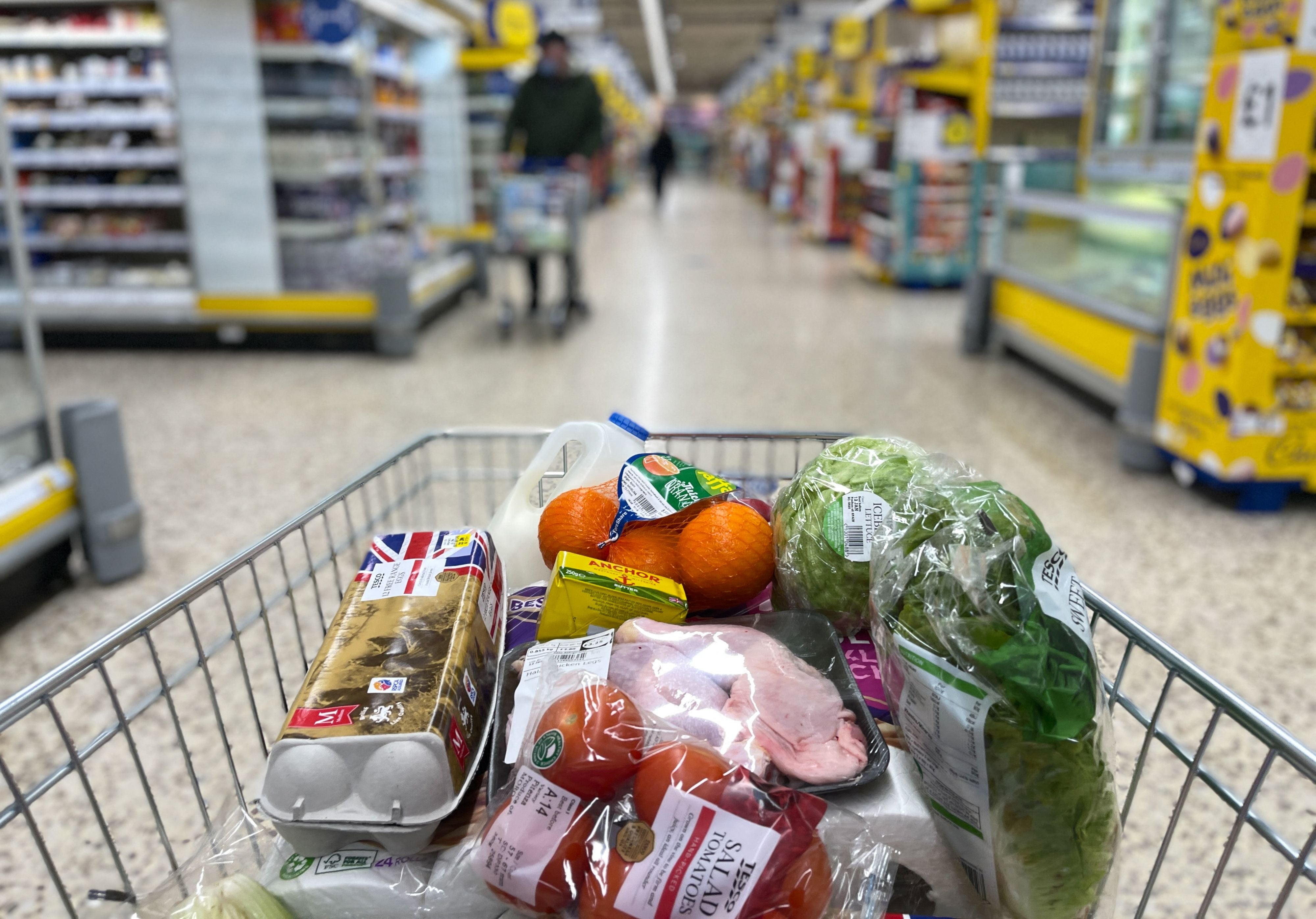
Henry Dimbleby, former lead of the government’s National Food Strategy, said: “Food inflation has been brutal – and it will keep biting unless we tackle the underlying causes.
“That’s because our food system is tightly tied to energy, fertiliser and transport costs – and we’ve built too little resilience into supply chains and production.
“As climate change and energy volatility worsen, shocks are likely to become more frequent and more severe.
“Unless we cut our reliance on fossil fuels, diversify supply chains and build real resilience into food production, higher food prices will become a lasting feature of daily life, with the heaviest burden falling on those least able to bear it.”
A previous report by the think tank suggests that UK food prices are on track to be 50 per cent higher by November compared to levels at the start of the cost-of-living crisis in mid-2021.
The “grim milestone” would mean that the price growth seen in the nearly 20 years prior to the crisis would be achieved in just over five years, almost quadrupling the pace of food inflation.

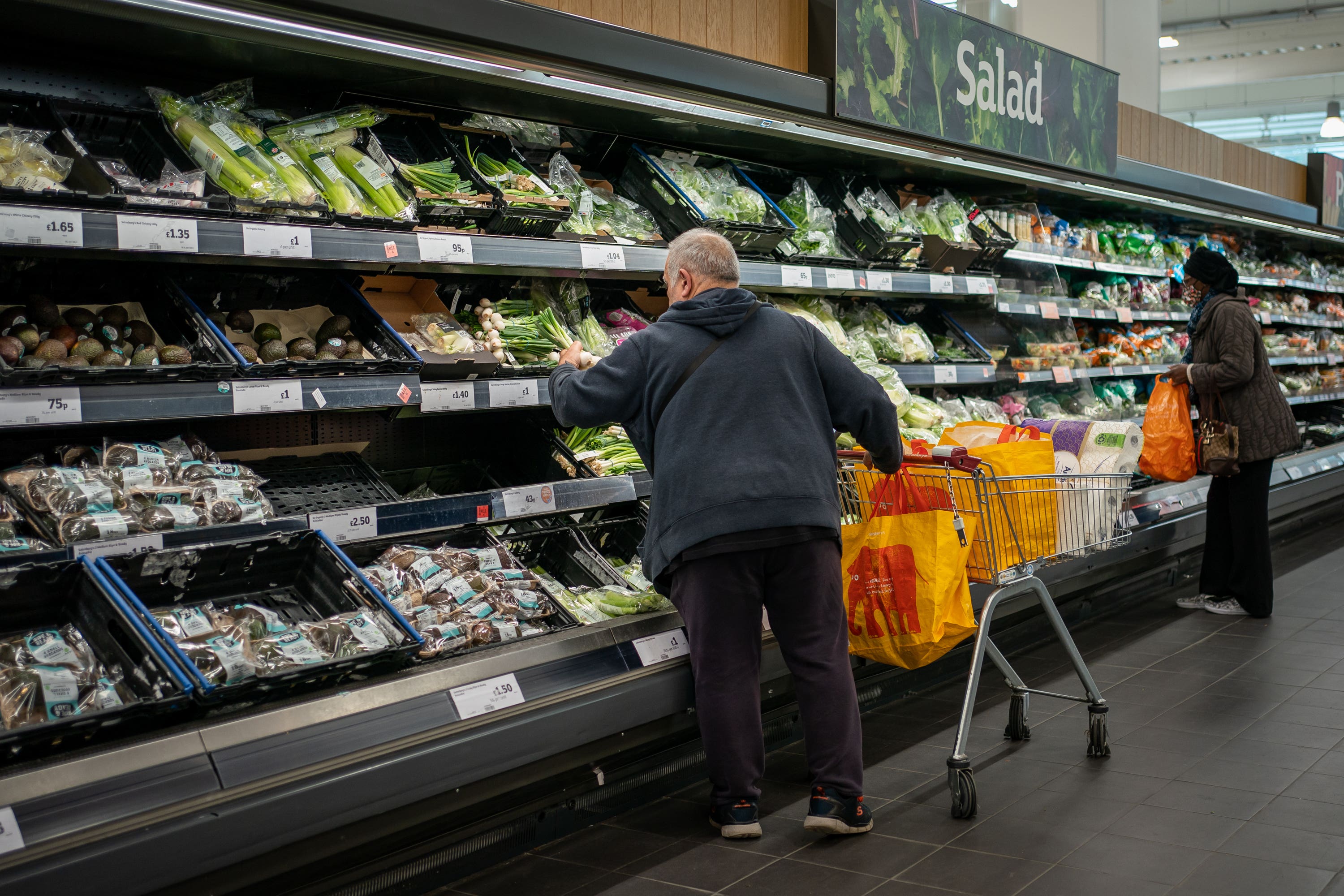
The ECIU said warmer El Nino temperatures tended to particularly affect cocoa, food oils, rice and sugar, with wider risks for other products linked to the tropics such as bananas, tea, coffee, chocolate and soy-fed meat.
Households have already seen food prices rise more than 40 per cent since mid-2021, the report said.
For families with children in the lowest fifth of earners, a healthy diet now required spending around 70% of disposable income after housing costs.
Anna Taylor, executive director of the Food Foundation, said: “What’s striking here is the lasting impact of these shocks: once food prices go up, they rarely come properly back down and that means for millions of people in Britain food becomes harder and harder to afford, and food insecurity continues to remain unacceptably high even after the headlines have moved on.
“If we are serious about making food more affordable, we have to focus on reducing the impact of the next shock, not just responding after the damage is done.
“The UK needs to stop lurching from crisis to crisis and put a long-term plan for food resilience on a statutory footing.
“A Good Food Bill would help protect families, farmers and food businesses alike by building a more resilient food system and helping to ensure that everyone can afford and access healthy food, even as climate impacts and geopolitical disruption become more frequent.”