

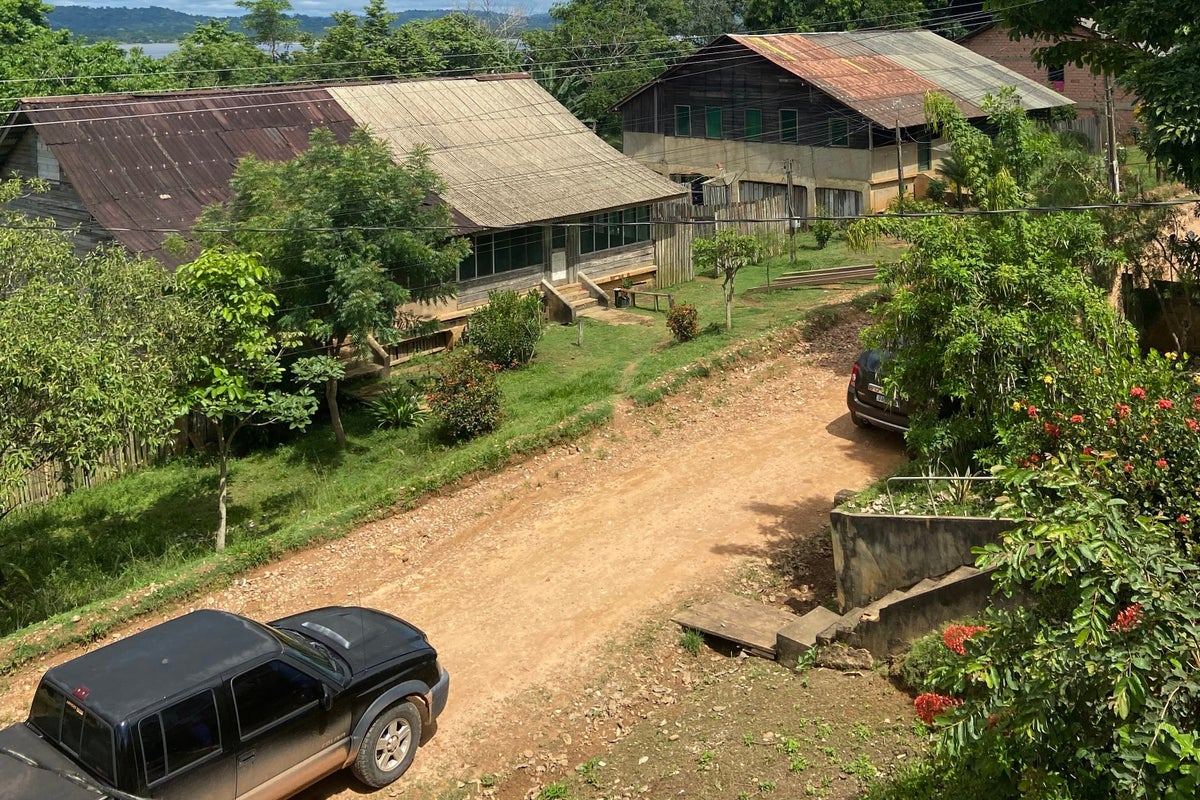
A Brazilian court has ordered federal and local authorities to restore and preserve Fordlandia, the ambitious Amazonian city founded nearly a century ago by U.S. industrialist Henry Ford.
Prosecutors have hailed the decision as a significant milestone in heritage protection for the site.
Now a ghost town and a district of the city of Aveiro, Fordlandia was established in 1927 in the northern state of Pará by the Ford Motor Company. It was conceived as a rubber-tapping metropolis to secure a steady supply of natural rubber for tires, designed to resemble an idyllic American suburb.
Once the third-largest settlement in the Amazon, the venture failed as disease ravaged rubber tree plantations, leading to its abandonment. The Brazilian government acquired the site in 1945.

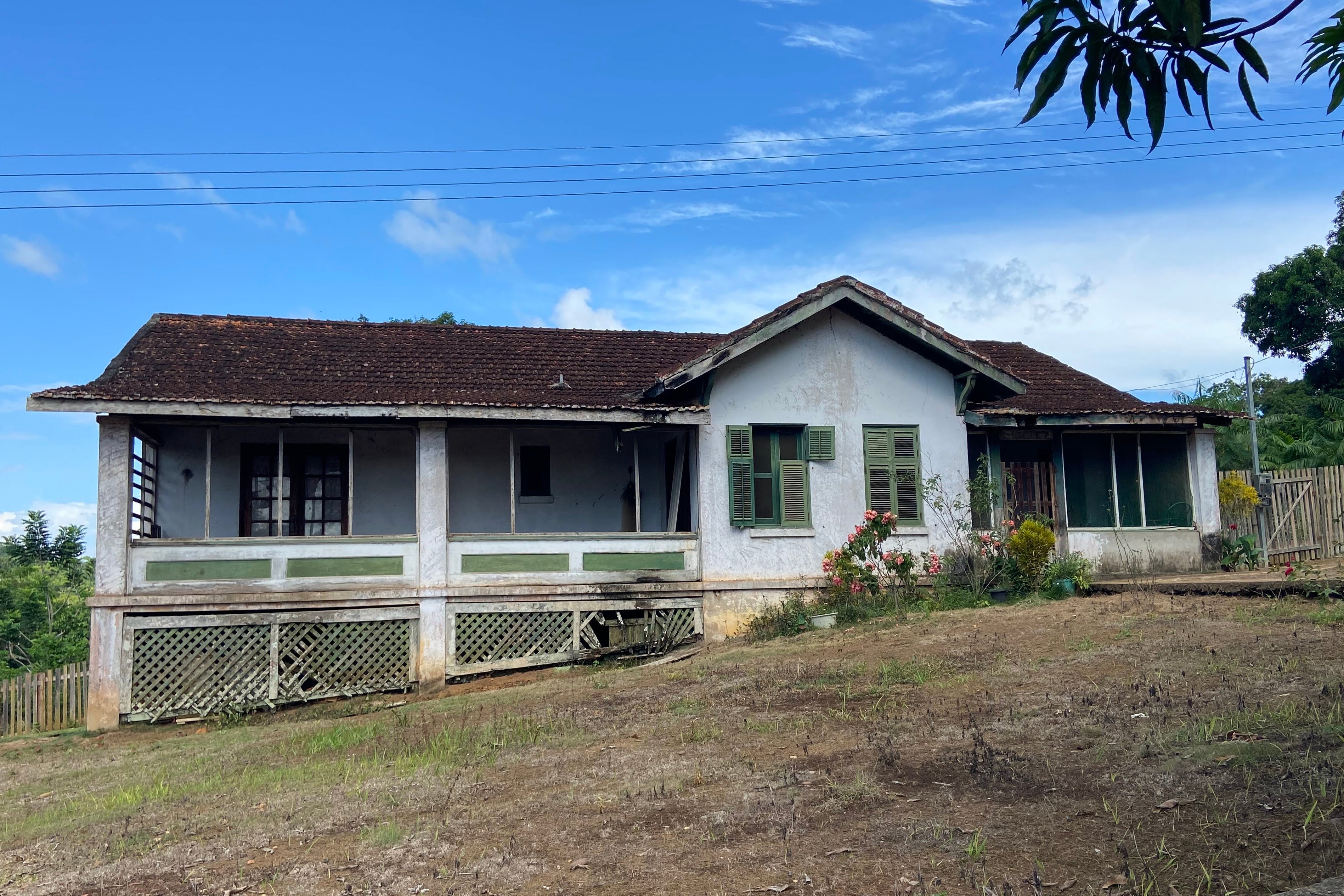
The legal battle began in 2015 when Brazil’s federal prosecutors’ office in Pará sued the national architectural heritage agency, Iphan, and the city of Aveiro for failing to preserve Fordlandia and demanded protected status.
The prosecutors’ office stated: “Fordlandia is a landmark chapter in the history of Brazil and of global industry. The project was an American effort to challenge the British monopoly on rubber, bringing cutting-edge infrastructure—including a hospital, running water, electricity and a movie theater — to the heart of the Amazon in the 1920s.”
After more than a decade of legal proceedings, a judge in Pará issued the order two weeks ago.
Although not officially recognized as a heritage site, the court found that Fordlandia possesses historical, cultural, and architectural significance, which the Brazilian Constitution mandates must be protected.
The ruling requires the government and municipality to develop and implement a recovery plan for the district, with potential financial penalties for noncompliance.