

The hum never stops.
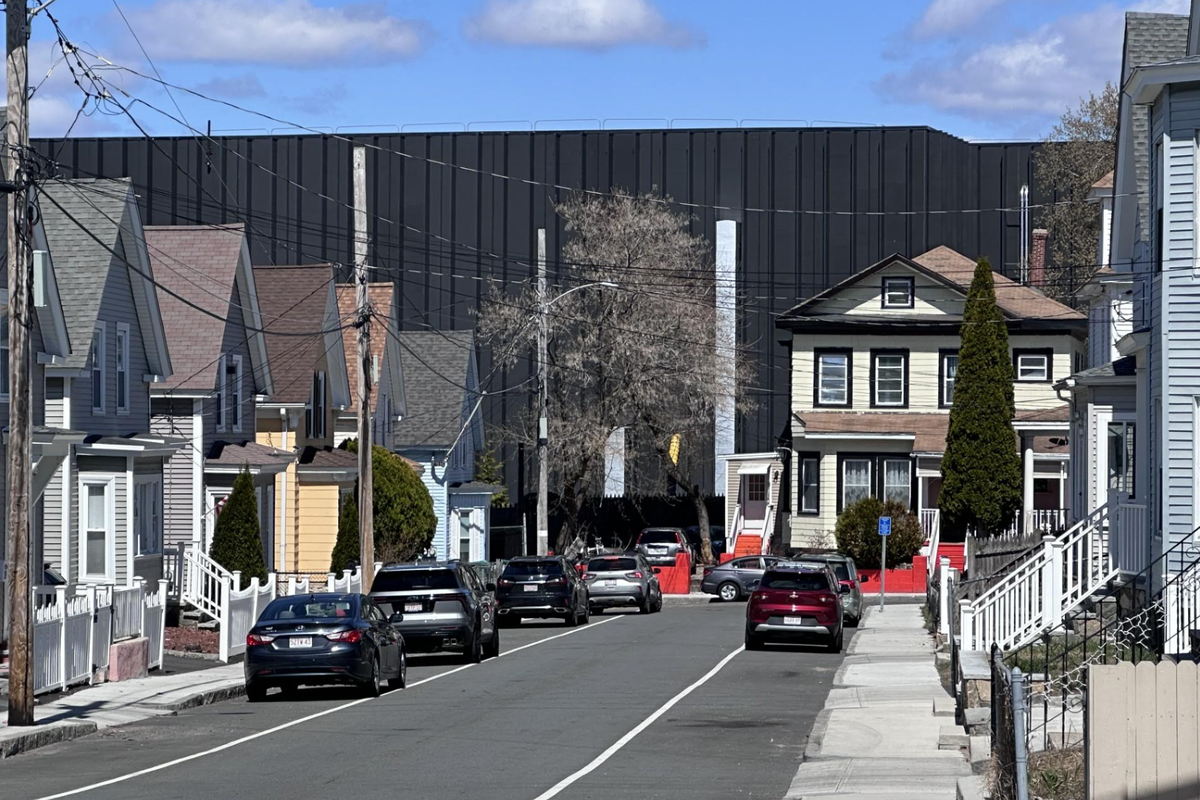
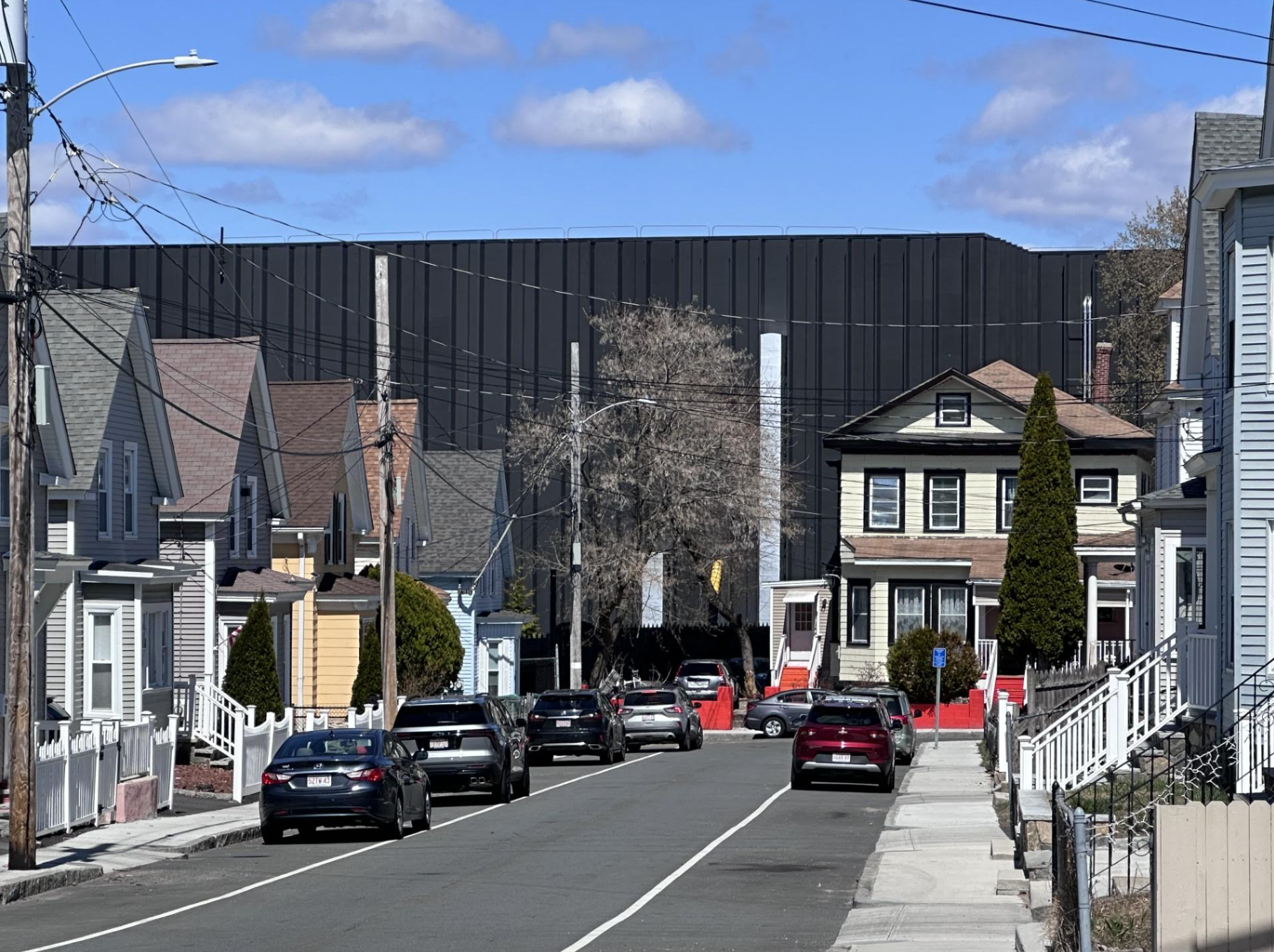
That’s life for Jake Fortes, whose childhood home in Lowell, Massachusetts — approximately 30 miles north of Boston — sits just 100 feet away from the mammoth Markley data center. He told CBS News that he can hear the hum of the center’s numerous industrial air conditioners, and noted that the hum gets louder in the summer.
“It’s nicknamed by a lot of residents in the neighborhood, ‘the dungeon,'” he said. “Because it seriously is just this black building that looms over us.”
Residents of Lowell — with the help of the Environmental Justice Law and Advocacy Clinic at Yale Law School — are now fighting to stop state officials and the data center’s developer from further expanding the facility. Last month, concerned residents of Lowell managed to force the passage of a one year moratorium on data center development in the city. But, according to a new lawsuit filed by the EJLAC, state officials and Markley developers attempted to circumvent necessary permitting processes to begin an expansion on the facility.
The new lawsuit asks the courts to “prevent Markley and MassDEP from making an unlawful end-run around the state’s air pollution control laws and permitting requirements.”

“This is an important step forward in getting the respect our neighborhood has not had for the past 11 years. It didn’t have to come to this, but Markley refused to listen to the neighborhood or respect state laws,” Fortes, who is a plaintiff in the lawsuit, said in a comment.
The Independent has requested comment from the developer and the Massachusetts Department of Environmental Protection.
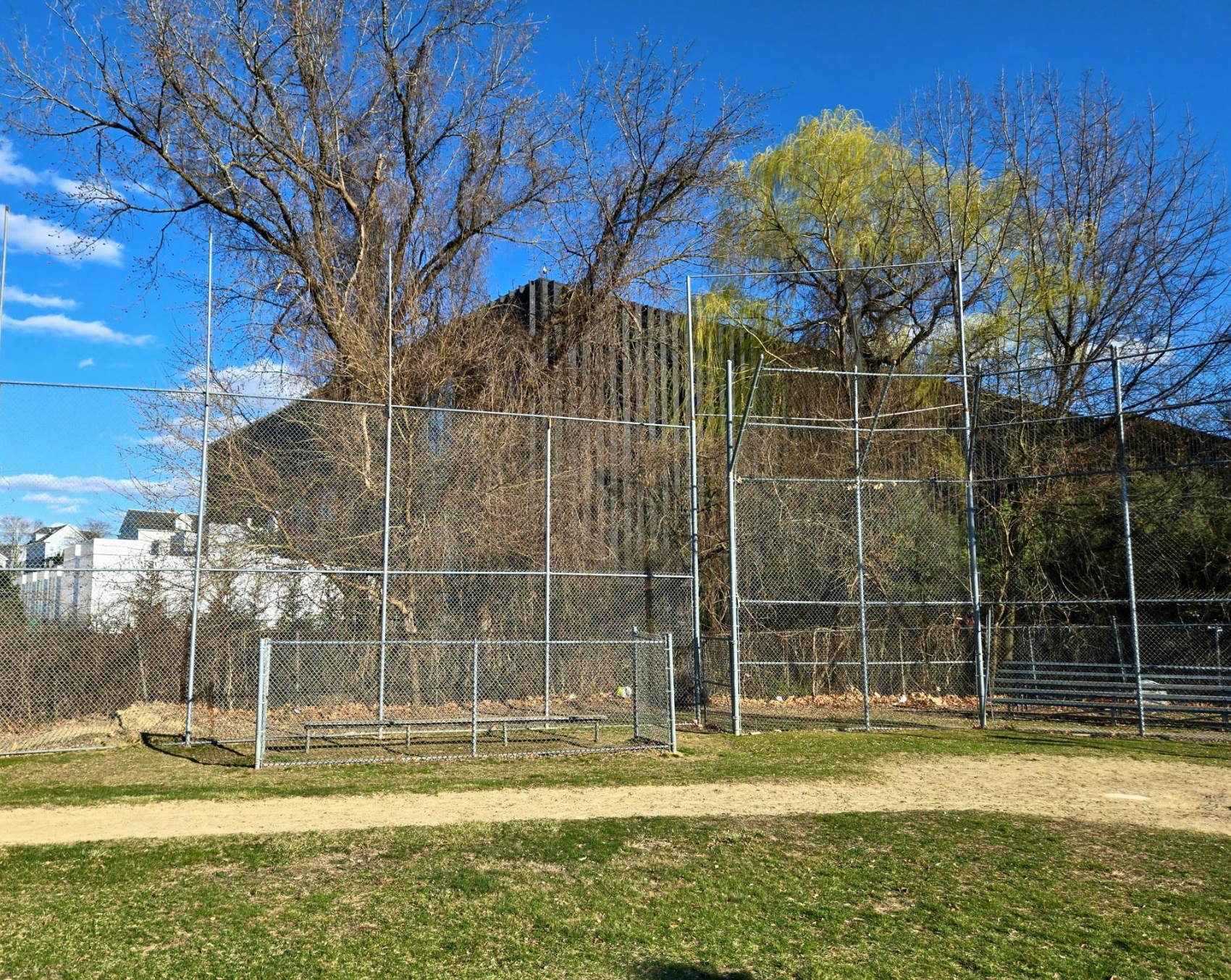
The data center appears alien when juxtaposed against the surrounding neighborhood of suburban family homes. Its black walls tower high over the modest roofs of its neighbors. It currently sits on 14 acres and abuts a youth baseball field, a public park, and is only a block away from a preschool for children with special needs.

Markley’s corporate vice president, Adam Burnham, gave local broadcaster WBZ a tour of the facility that included a look at the emergency generators that many of the residents have complained are very loud.
Just before the tour, Fortes told WBZ’s David Wade that he believes the company intentionally powers down the emergency generators when reporters come snooping.
“Usually when they detect that there’s a reporter coming, they will turn it off and it will go very quiet and you will hear the birds,” he said.
In his report, Wade confirmed that he was taken to see the generators and noted that they were quiet enough to hear birds chirping, which Burnham said was “typical.” Wade was told the generators were not operating at a full load. He asked exactly how much the generators had been turned down, but Burnham could not provide an answer.
He asked Burnham if he believed the residents were exaggerating in their complaints about the noise. He said he does.
“I think they’re exaggerating, yes,” he reportedly said.
But it’s not just noise that’s bothering the residents. The new lawsuit has also alleged that the data center is contributing to air pollution and illness in the neighborhood.
“The census block group that houses the data center ranks in the 97th percentile in the country for nitrogen oxide emissions and in the 90th percentile nationwide for proportion of adults with asthma,” according to Yale Law, citing Environmental Protection Agency data.
According to the World Health Organization, diesel engine exhaust is carcinogenic and can increase the risk of illness in humans.
Alex St. Pierre, vice president for environmental justice at Conservation Law Foundation, which is co-counsel with the EJLAC on the lawsuit, said the residents of Lowell have endured the side-effects of the data center’s presence for years and that their concerns have been ignored.
“For the last decade, this community has shown remarkable persistence in the face of consistent pollution, noise, dust, odors, and traffic right outside their homes,” he said in a statement. “Even as the years passed and the facility grew more disruptive, they continued to raise concerns — only to be dismissed and denied a fair hearing. They deserve to be heard and respected, and CLF is proud to work alongside them.”