


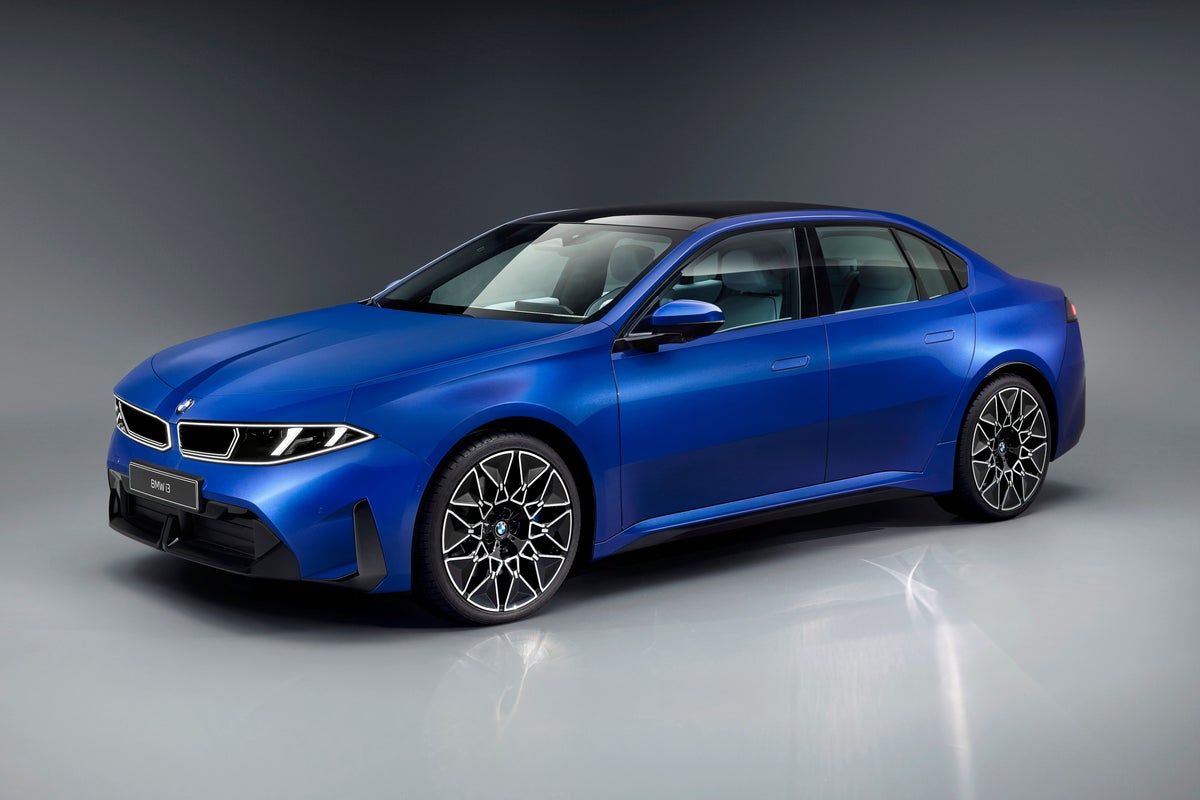
BMW has revealed its all-new all-electric i3 – and while the name might be familiar, this is a very different proposition to the quirky hatchback that first wore the badge between 2013 and 2022. This new i3 is effectively the electric version of the 3 Series, and it’s also the second model in BMW’s all-new Neue Klasse family – following the impressive iX3 – that will underpin the brand’s future.
The i3 is set to go into production in Munich from this August with first deliveries expected later in the year. This heralds what BMW describes as a “technological quantum leap” as it moves its core model line into the electric age.
At launch, the i3 arrives as the i3 50 xDrive, featuring a dual-motor, four-wheel-drive setup also used in the iX3. Total system output stands at 463bhp, alongside 645Nm of torque. That places it firmly in the territory of today’s performance saloons, albeit with a very different drivetrain.

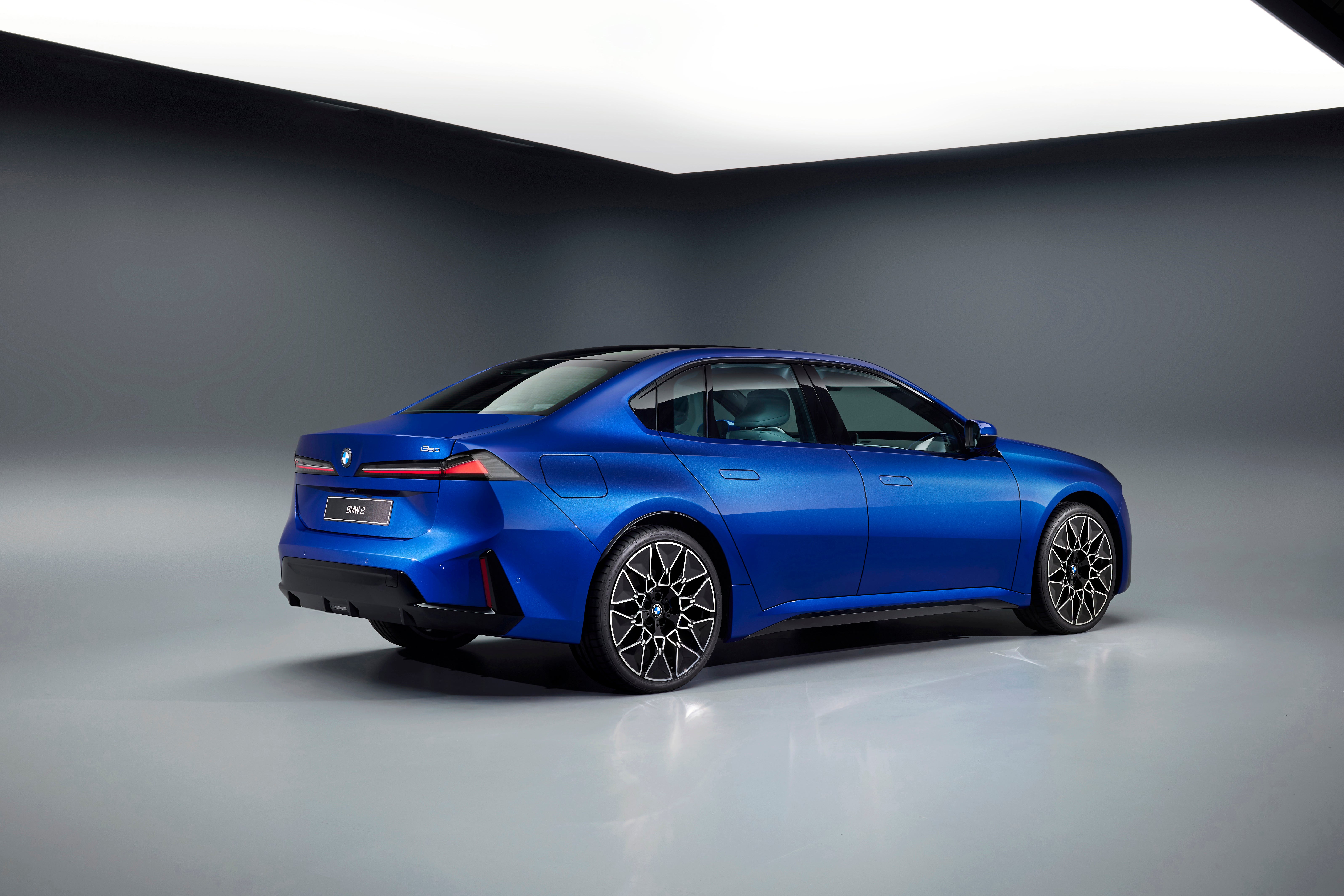
BMW is targeting a range of up to 559 miles, although these figures are still provisional. If real-world usability comes anywhere close to that number that would put the i3 among the longest-range electric cars on sale.
Charging is equally ambitious. Thanks to an 800-volt electrical architecture, the i3 can accept DC charging at up to 400kW, with BMW claiming that up to 249 miles of range can be added in just 10 minutes under ideal conditions.
There’s also AC charging of up to 22kW and, importantly, bidirectional charging capability – meaning the car can act as a power source for external devices, a home energy system or even feed electricity back into the grid.
Underpinning all of this is BMW’s sixth-generation eDrive technology, which introduces new round battery cells designed to improve energy density and efficiency. Compared with the previous generation, BMW says range increases by around 30 per cent, with similar gains in charging speed.
The battery itself forms part of the car’s structure, helping to reduce weight while improving rigidity and aerodynamics. Combined with the flat floor enabled by this design, it also contributes to a lower centre of gravity – something BMW is keen to highlight when it comes to driving dynamics.
New designs for the electric motors at the front and the back also boost efficiency. BMW claims this pairing reduces energy losses by 40 per cent and cuts both weight and production costs, compared with the previous generation of electric drivetrains.

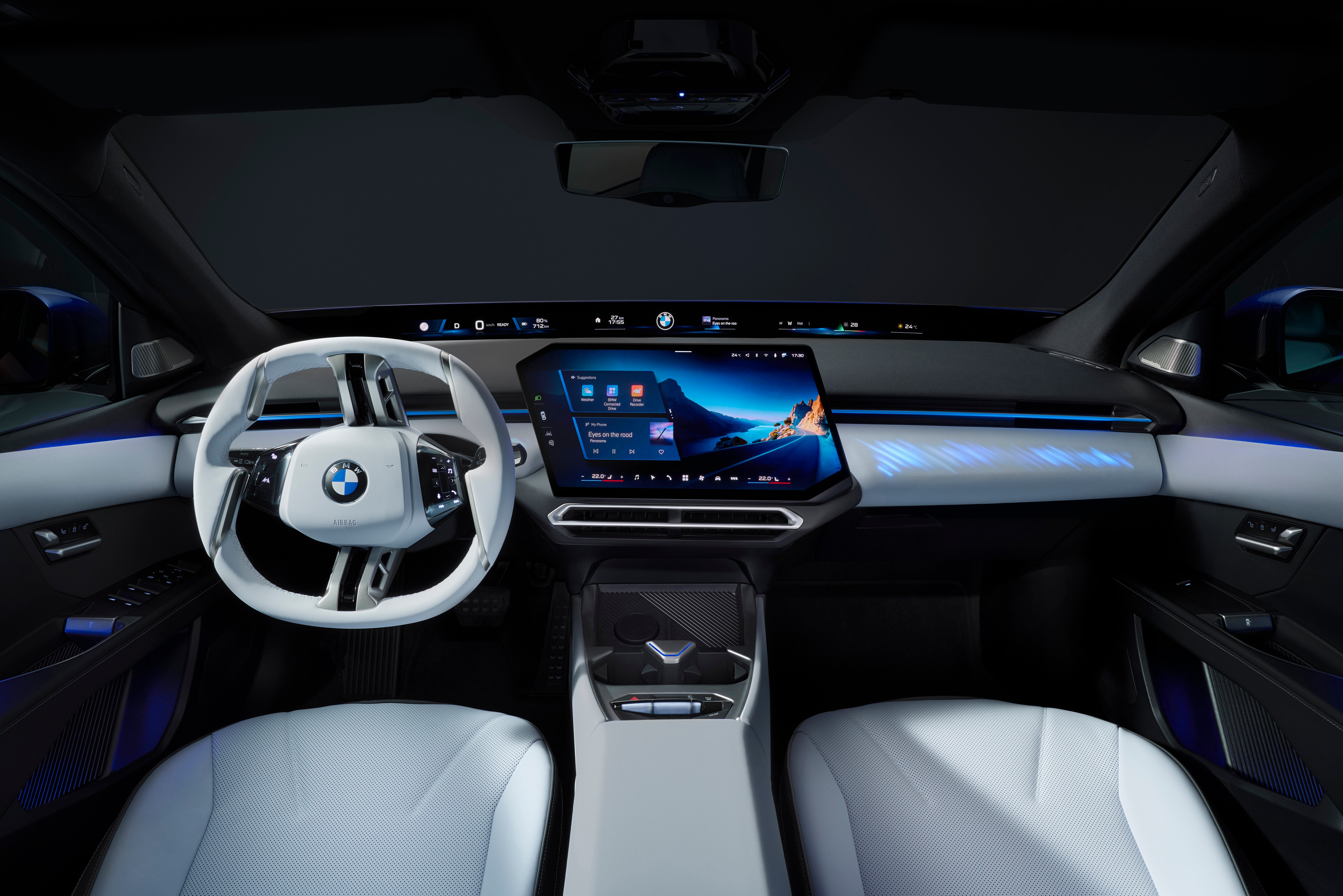
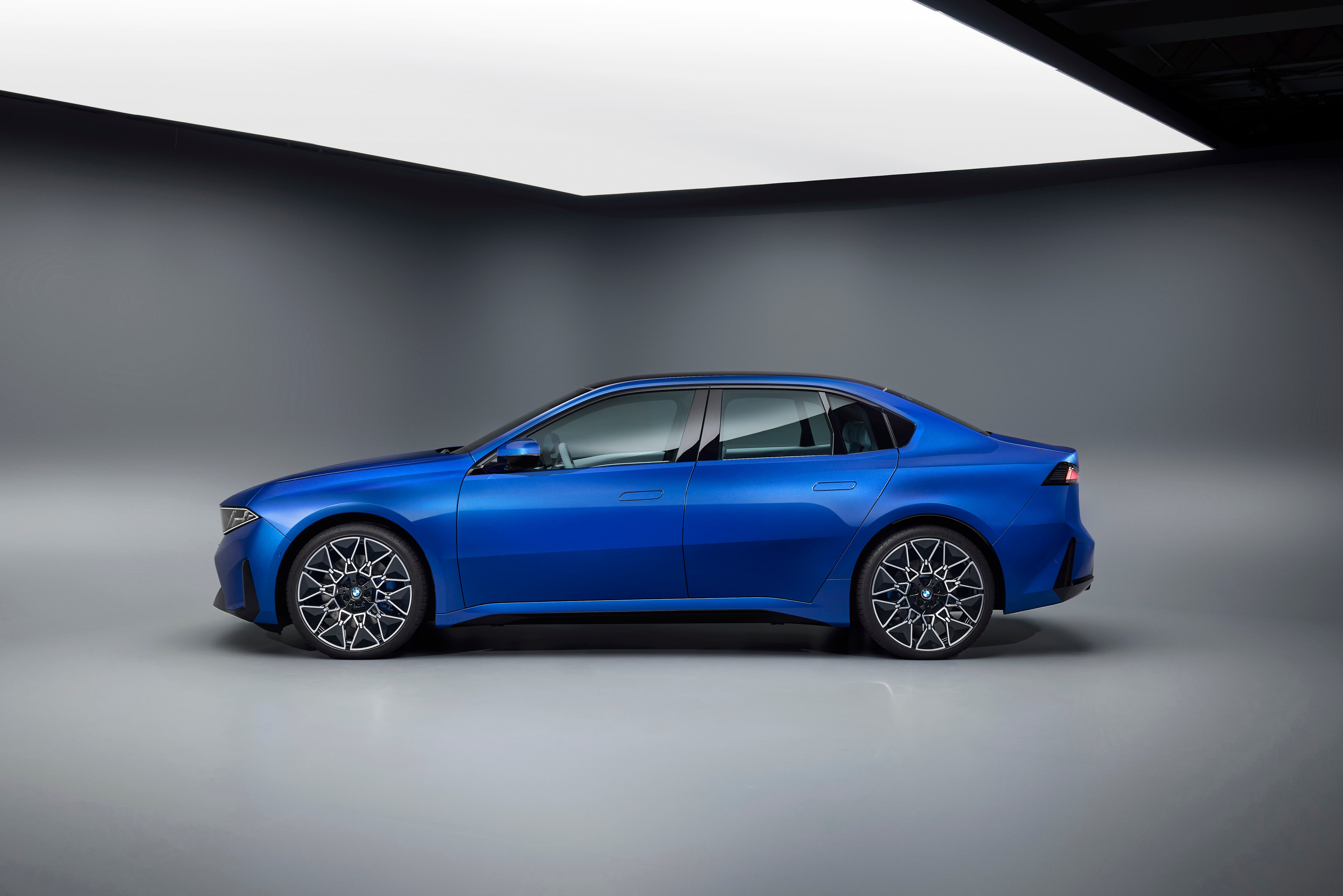
Visually, the new i3 sticks closely to BMW’s traditional saloon proportions, reinterpreted for the electric era. The company calls it a “2.5-box” design, with a long wheelbase, short overhangs and a cabin that tapers towards the rear.
At 4,760mm long, 1,865mm wide and 1,480mm tall, with a wheelbase of 2,897mm, it sits squarely in the same footprint as today’s 3 Series. The familiar BMW cues are all present, including the so-called four-eyed front-end design, although the grille and headlights are now integrated into a single lighting element that’s much more subtle than BMWs of late.
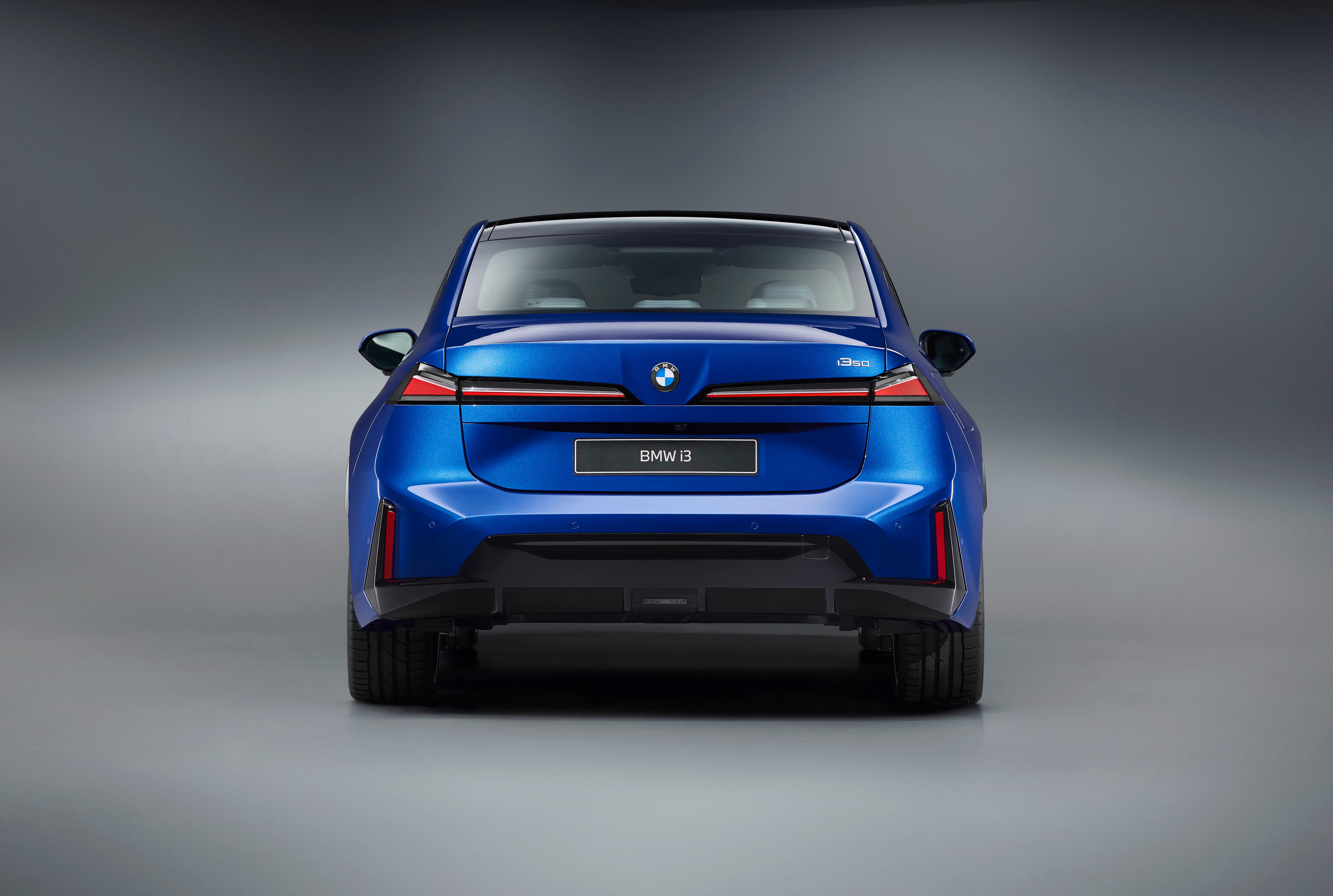
The rear features a wide, horizontal light strip and pronounced wheel arches, emphasising the car’s stance. Aerodynamics have clearly played a major role, with a fully enclosed underbody and carefully sculpted surfaces designed to maximise efficiency.

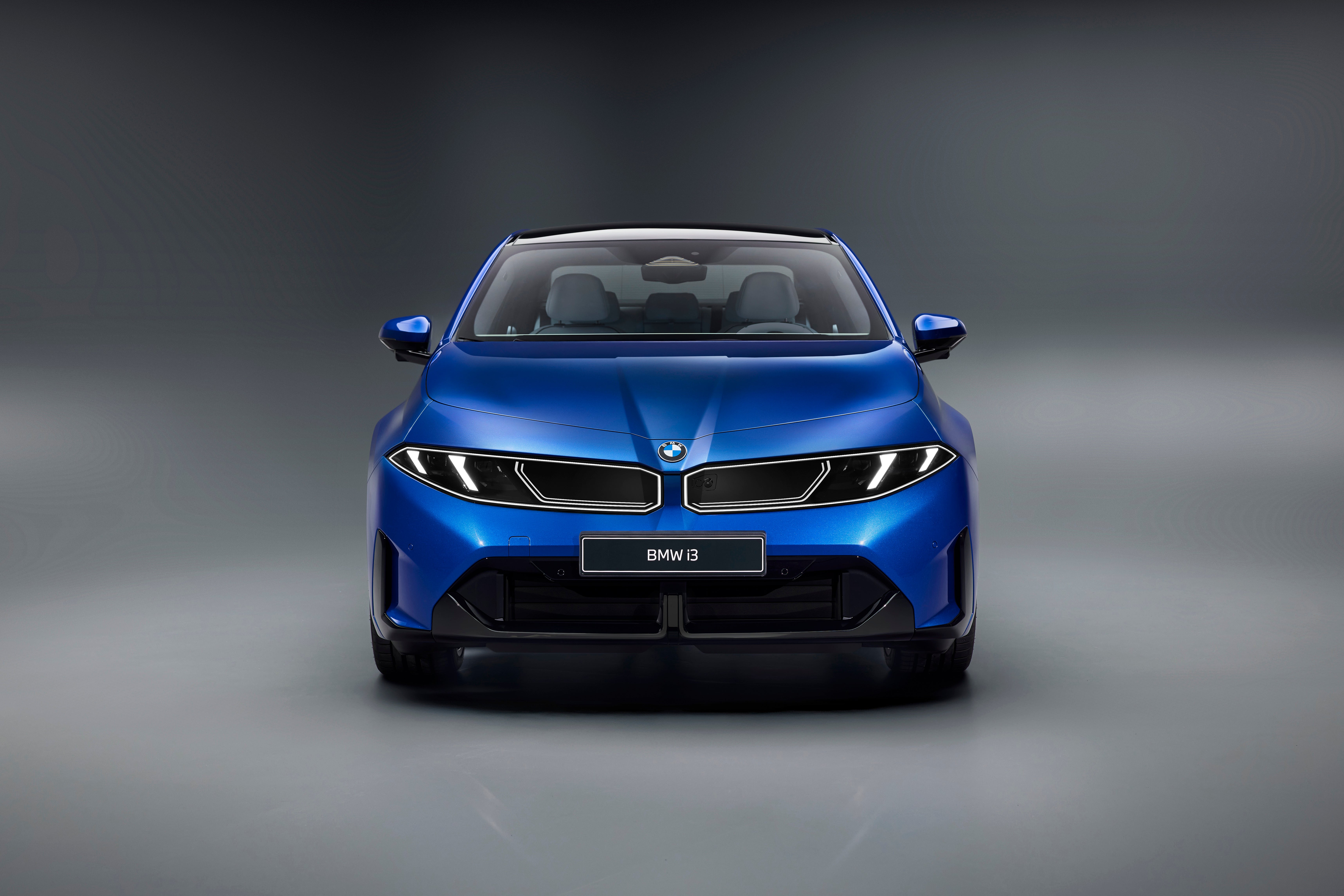
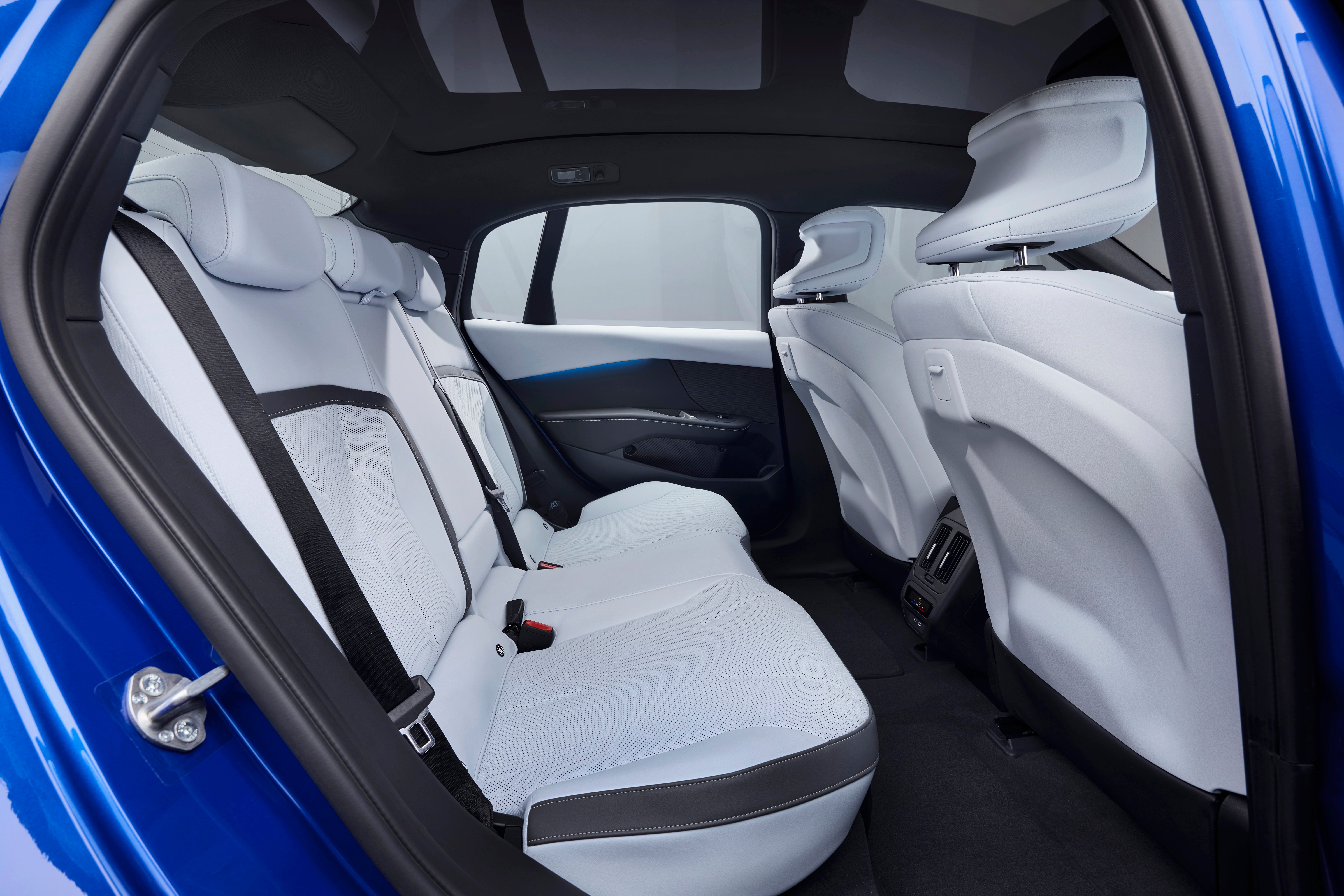
Inside, the focus is on space and simplicity, with a cabin that takes advantage of the EV architecture. Large glass areas and an optional panoramic roof aim to enhance the sense of openness, while materials include recycled elements as part of BMW’s wider sustainability push.
As with the iX3, the interior is dominated by BMW’s new Panoramic iDrive system, which fundamentally changes how information is presented to the driver. Instead of a traditional instrument cluster, key information is projected across the lower section of the windscreen from pillar to pillar. In our experience with the iX3, Panoramic iDrive works really well with important information easy to see and additional info can be personalised.
Panoramic iDrive is supplemented by a 17.9-inch central display and an optional 3D head-up display, all designed around BMW’s long-standing “hands on the wheel, eyes on the road” philosophy.

Voice control also takes a step forward, with the BMW Intelligent Personal Assistant now using large language model technology to allow more natural interaction. The system can control vehicle functions, navigation and media, while also learning from user behaviour over time.
Owners can personalise the experience through various “My Modes”, adjusting lighting, sound and display layouts, while up to seven user profiles can be stored via BMW ID.
At the heart of the new i3 is a completely redesigned electronics architecture built around four high-performance computers – or “superbrains” in BMW’s terminology.
Each one is responsible for a specific area: driving dynamics, automated driving, infotainment and core vehicle functions. Together, they offer up to 20 times more computing power than previous BMW systems.

This “Heart of Joy” system, which controls key aspects of the driving experience including acceleration, braking and steering, is said to react ten times faster than before. BMW claims this results in more precise handling and smoother responses, including what it describes as the smoothest stopping process in its history – in the iX3 impressive ‘chauffeur stops’ are possible.
Over-the-air updates will allow the car to gain new features and improvements over time, reflecting the shift towards software-defined vehicles.
Despite the move to electrification, BMW is keen to stress that the i3 retains the driving characteristics that have defined the 3 Series for decades. A low centre of gravity, new suspension set-up and optional adaptive M suspension are all aimed at balancing comfort with sporty handling.
Driver assistance systems are also evolving, with what BMW calls “Symbiotic Drive” designed to allow more natural interaction between driver and car. Rather than taking full control, the system works alongside the driver, allowing inputs such as steering or acceleration even when assistance is active.

Beyond raw charging speeds, BMW is also focusing on the broader charging experience. The navigation system can plan routes with optimised charging stops, taking into account factors such as charger availability, speed and even nearby amenities.
Battery preconditioning ensures the pack is at the optimal temperature before rapid charging, while an intelligent charging flap can open automatically when the car detects that the driver is approaching a known charging point.
At home, BMW is offering a new Wallbox system that supports bidirectional charging, enabling the car to act as an energy storage device. This can help reduce household energy costs or allow owners to feed electricity back into the grid.
BMW says sustainability has also been considered throughout the i3’s lifecycle, from production to use. The car uses around 30 per cent secondary materials overall, including recycled plastics, aluminium and even marine waste in some components.
The company claims that, depending on usage, the i3 can achieve a CO2 advantage over an equivalent combustion-engined car within one to two years of driving.
Production at BMW’s Munich plant is also being transformed, with the facility set to switch entirely to electric vehicle production within a year of the i3’s launch.