

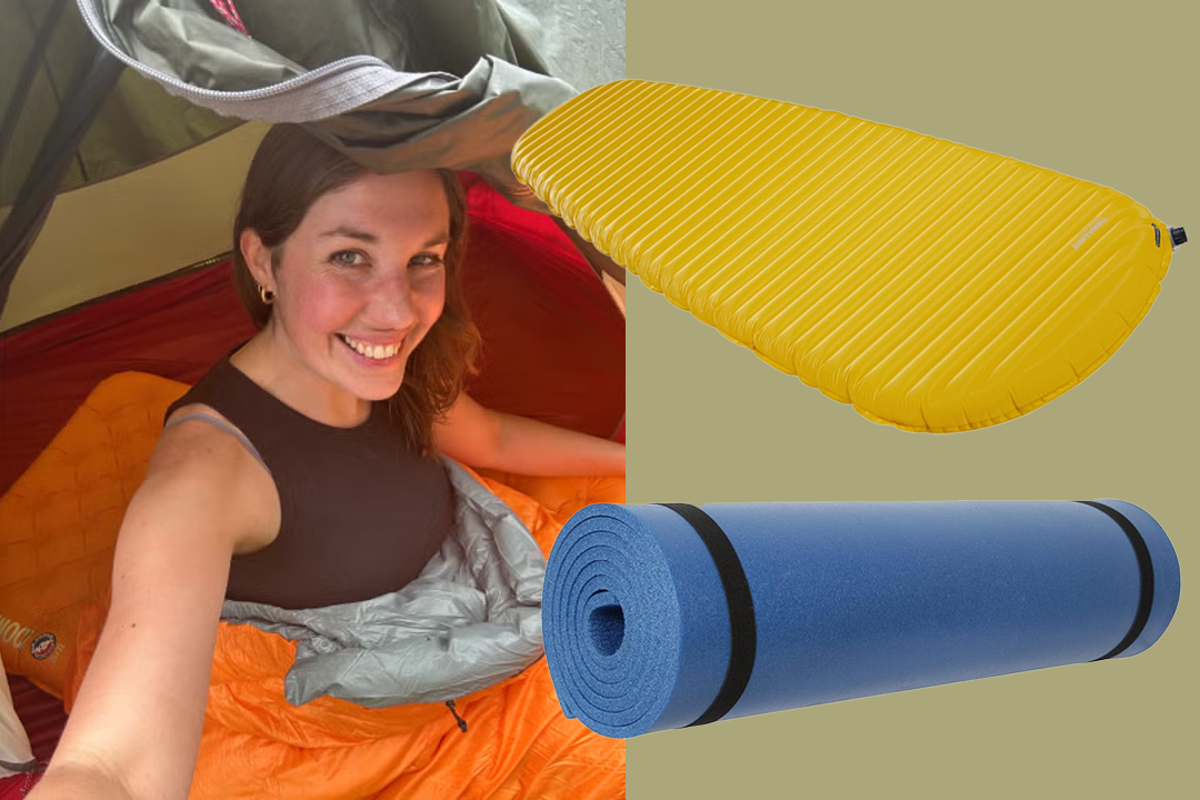
If you’re a keen camper or backpacker, having the right kit is essential for a comfortable trip. Whether you’re out for one night or a full week, you’ll want to make sure you’ve packed all the essentials for a good night’s sleep. Alongside a sleeping bag, a camping mat is a great addition as it helps insulate you from the cold ground and cushions uneven terrain, reducing strain on your back.
You may wonder how camping mats differ from airbeds. Airbeds are best suited to longer stays in one location, as they’re bulkier, often require a pump or power source, and can lose heat overnight as the air inside cools. They’re also more vulnerable to punctures and slow leaks. Camping mats, by contrast, are ideal for backpackers and wild campers due to their lightweight and compact design – often weighing just 400–500g. Many self-inflate and use foam or synthetic insulation, packing down small enough to fit in a daypack while still providing effective ground insulation.
A key factor when choosing a mat is the R-value, which measures thermal resistance. Higher R-values mean better insulation: 1.0–2.0 is suitable for summer, while 4.0–5.0+ is better for winter or high-altitude use. Higher-rated mats tend to be thicker and bulkier Storage is also worth considering. Some mats should be kept inflated between uses for longevity, though most can be rolled and stored in a stuff sack when space is limited.
I’ve tested a selection of camping mats in real-world conditions to see how they perform. Keep reading for my honest reviews.
Read more: Best air beds, tried and tested by an expert

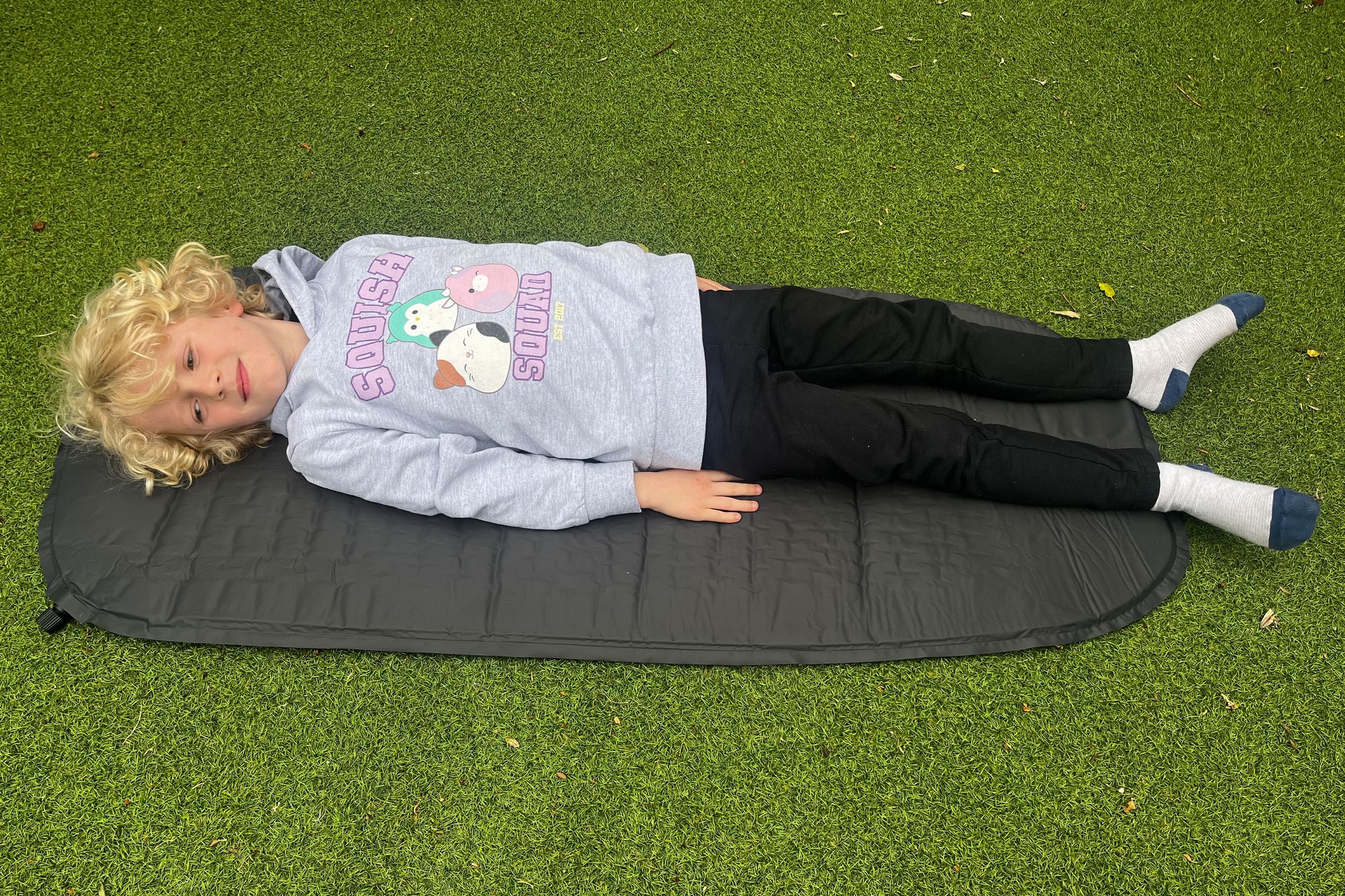
The best camping mats for 2026 are:
Read more: 10 best women’s hiking boots, tried and tested in Cornwall