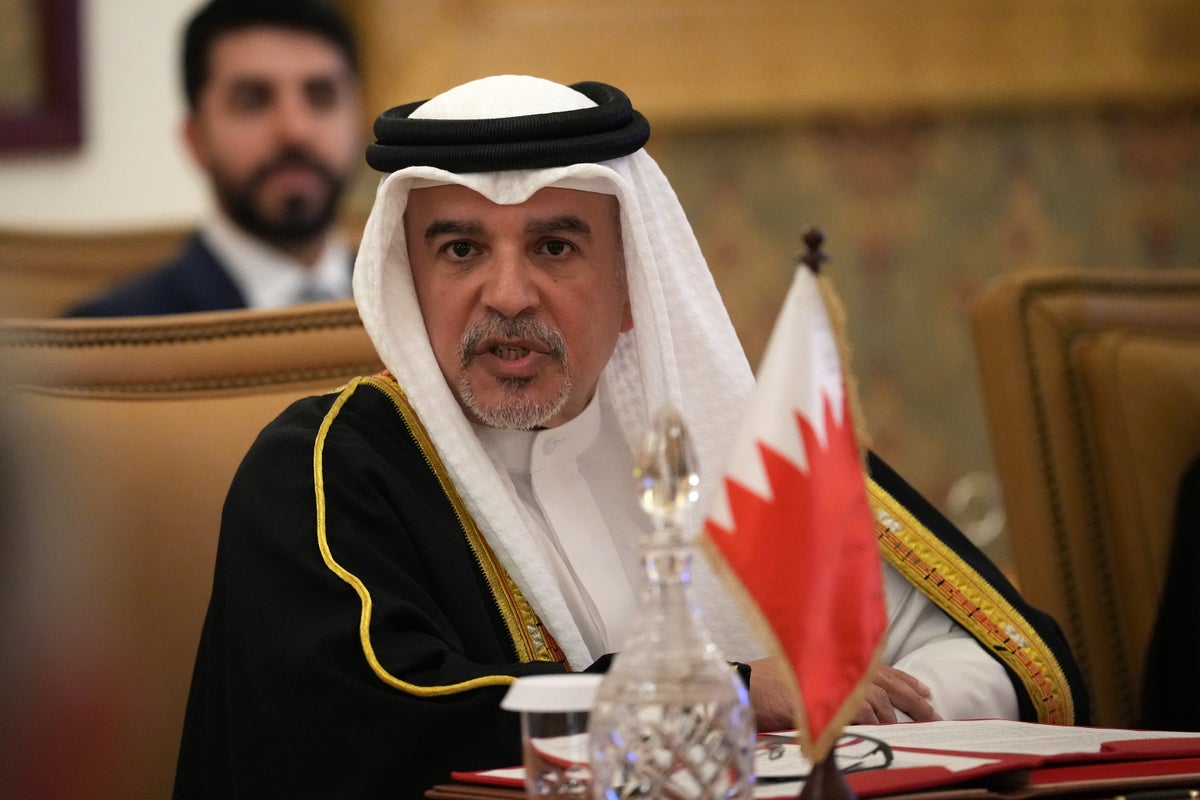
Bahrain’s decision to strip dozens of its nationals of citizenship after accusing them of sympathising with Iran during the ongoing Middle East war will leave Shia Muslims with Iranian heritage at risk, a human rights group has warned.
Bahrain’s Interior Ministry announced on social media this week the 69 people whose citizenship have been revoked included accused individuals and their family members – an act that critics termed as “collective punishment”. They affected people are all of non-Bahraini origin.
The announcement came as the Gulf kingdom continues to navigate the fallout from the regional war triggered after Israel and the United States launched attacks on Iran in February, and Tehran retaliated across the region.
The ministry said: “The Bahraini nationality has been revoked from those individuals for glorifying or sympathising with the hostile Iranian acts, or engaging in contacts with external parties.”
Under Bahraini law, a person can be stripped of citizenship if they are deemed to have caused “harm to the interests of the Kingdom or acting in a manner that contradicts the duty of loyalty to it.”

The ministry said the revocation had been carried out in accordance with royal directives from Bahrain’s King Hamad bin Isa Al Khalifa and were based on the Bahraini Nationality Law.
It said the competent authorities were “continuing to study and review” who deserves Bahraini citizenship.
The London-based human rights group, Bahrain Institute for Rights and Democracy (Bird), described the move as “politically motivated punishments dressed up as national security measures”.
Bird’s director, Sayed Ahmed AlWadaei, tells The Independent that Bahrain has not provided any evidence to support its claim the accused individuals had spoken out against the war.
“We are still in the process of verifying the full list of 69 individuals and working to confirm the specifics,” he says. But according to AlWadaei at least some of them are Shia Muslims of Iranian origin.
He says that many of those on the list were being “targeted only for their identities”.
“Entire families are included in the list of 69 individuals as a consequence of sharing the same name of one targeted individual. This sets a precedent that leaves all Shia Muslims with Iranian heritage at risk,” he says.
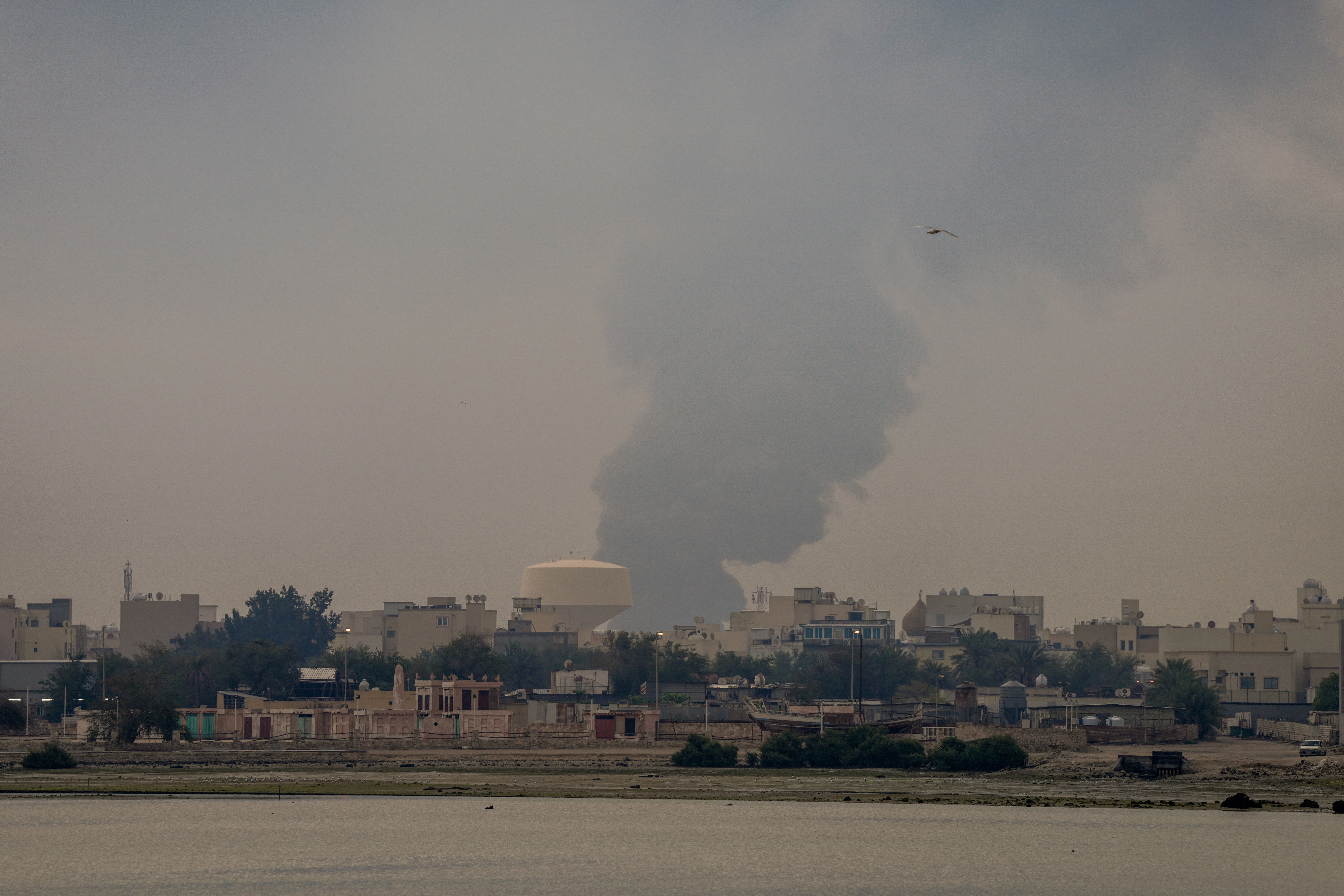
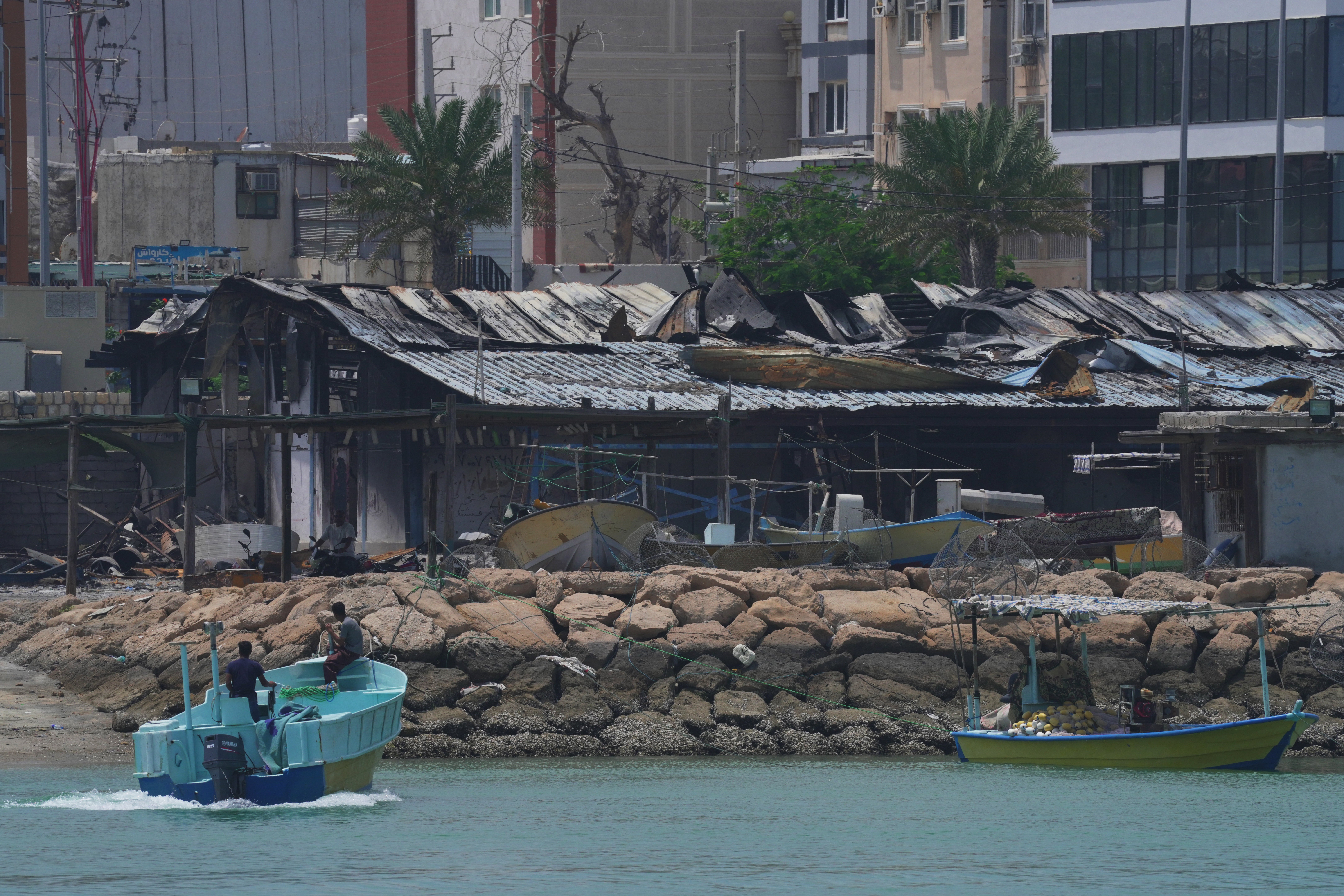
Iran fired at targets in Bahrain and other Gulf Arab states where the US has military bases after America and Israel launched a war against Iran on 28 February. Bahrain is ruled by a Sunni Muslim dynasty, but the tiny kingdom has about 45 per cent Shia population that has long complained of marginalisation.
Bird says it was the first such revocation of citizenship in Bahrain since 2019. Between 2012 and 2019, Bahrain revoked the citizenship of at least 990 nationals, the group said.
Bahrain’s National Communication Centre denies allegations of discrimination against its citizens.
“Bahrain remains united in the face of recent Iranian aggression and is rightly acting against those few individuals in Bahrain who pose a threat,” the kingdom tells The Independent. “The Ministry of Interior has published the details relating to the case for full transparency.”
“Under Bahraini law, all persons are subject to equal treatment, without regard to personal characteristics, gender, or religious background. Any suggestion to the contrary is categorically false,” it says.
The NCC says the kingdom’s decision to strip individuals of their citizenship “is a sovereign legal measure applied under Bahraini law”.
“Freedom of expression is a right protected under Bahraini law, and the Kingdom fully upholds it. However, the concerned individuals had expressed support for Iranian illegal and hostile acts against the Kingdom, and had colluded with foreign entities, including by sharing sensitive information or intelligence with hostile actors, threatening Bahrain’s national security and interests.
“As in most countries, such behaviour is not tolerated, is criminalised and punishable by law. The authorities are responsible for investigating alleged offences and, where appropriate, prosecuting those concerned. Bahrain is committed to upholding the rule of law for all, acting firmly on threats of violence and protecting its citizens and residents.”
AlWadaei, however, says “Bahrain is using the regional conflict as a pretext to both eliminate dissent and to define who is considered Bahraini”.
The revocations, according to the human rights group, tend to spike during periods of political tension or regional conflict, disproportionately target Shia Muslims, and “are used in conjunction with other repressive tools such as imprisonment, travel bans, asset freezes – often with the result of silencing individuals and intimidating their families”.
“Individuals often learn they have lost their citizenship through government announcements or social media, targeting those with Iranian heritage or known for their prior support of the Iranian regime. In practice, there is no real right of appeal,” he says.
The primary legal instrument is the Bahraini Citizenship Act of 1963, which grants the government broad powers to revoke citizenship on national security grounds. It has been amended over the years to expand those powers.
The government amended the Citizenship Act in 2014 to include revocation where a person “causes damage to the interests of the kingdom” or “committed a disloyal action against the kingdom”.
Critics say, the law is defined broadly to enable a crackdown on human rights defenders, political opponents, or minorities.
“In a repressive state or dictatorial regime in which the laws are used to advance the interest of the ruling family, the statute itself is not necessary for legal cover to justify their actions,” says AlWadaei. “The rule of law does not dictate what the government can do, rather the government decides what the rule of law is such that they can do as they please,” he says.
In Bahrain, the consequences of losing citizenship are severe and in many cases irreversible.
“People become stateless – they lose their right to work, access public services, hold a passport, or travel freely,” explains AlWadaei.
“Those inside Bahrain at the time of revocation often face immediate detention, are forcibly deported to neighbouring states, or must find a country to flee to in a very short time.
“Many find themselves living in prolonged legal uncertainty in third countries with no status and no protection, and their status impacts generations to come, in particular because Bahraini nationality is transferred paternally.
“The Bahraini government frames this as a counter-terrorism or national security issue, in this case invoking alleged links to Iran. In practice, it is a sectarian targeting of a significant population to maintain the grip of a minority ruling elite. A Shia faith and family connections to opposition figures are all treated as grounds for suspicion,” he says.
According to Bird, as of 10 April, at least 286 people have been detained since the beginning of the war.