


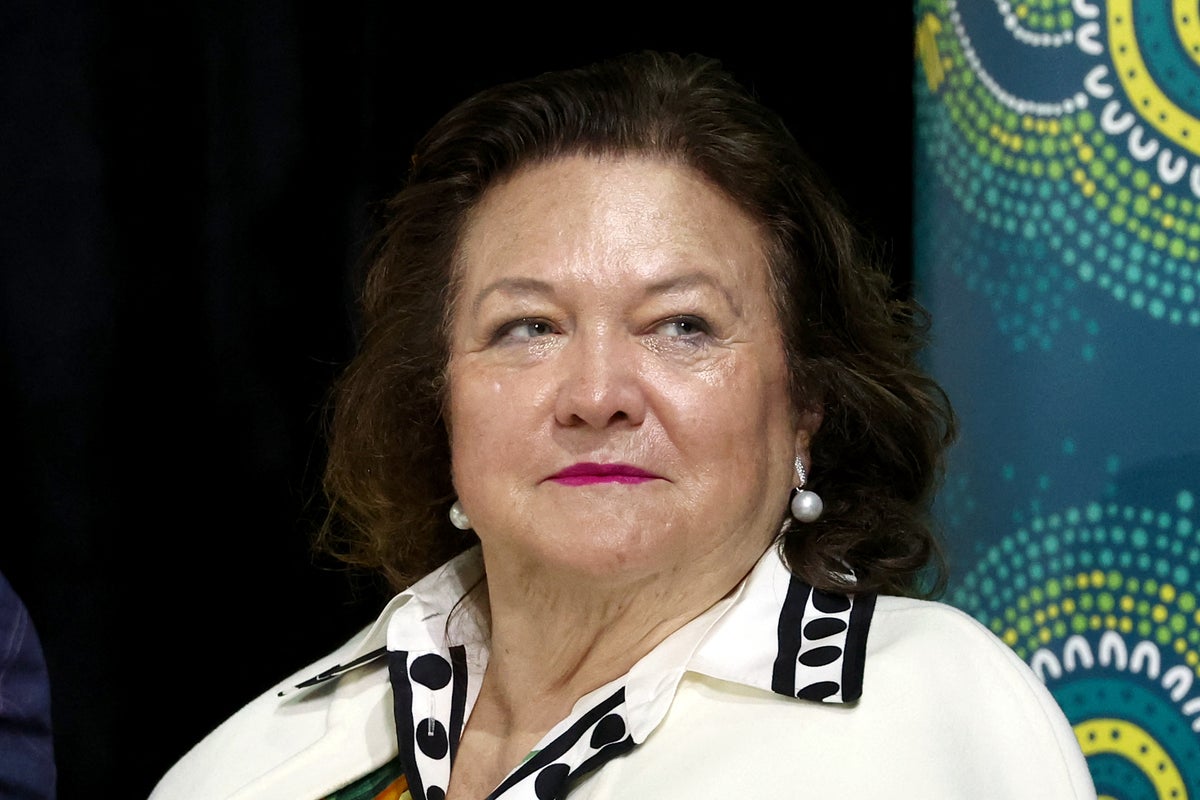
Australia’s wealthiest person Gina Rinehart must pay royalties to the descendants of her late father’s business partner after losing a decade-long legal battle involving one of the country’s largest iron ore mines.
The Supreme Court of Western Australia ruled on Wednesday that Wright Prospecting, a private firm owned by the descendants of Peter Wright, was entitled to a share of royalties from Hope Downs, a large iron ore mine in the Pilbara region that Ms Rinehart was jointly running with the global mining giant Rio Tinto.
The case centred on an agreement struck decades ago between Ms Rinehart’s father, Lang Hancock, and Mr Wright, who together pioneered iron ore prospecting in Western Australia.
The two men staked claim over Pilbara and launched a joint venture called Hanwright to manage their shared interests. Mr Wright’s descendants argued the partnership entitled them to an equal share of royalties from assets including Hope Downs.
Rio Tinto pays a royalty of 2.5 per cent to Ms Rinehart’s company, Hancock Prospecting, for its share in the mine. Justice Jennifer Smith ruled that half of that royalty belonged to Wright Prospecting.
Hope Downs generated AUD 832m (£440m) for Hancock Prospecting last year.
The judge however rejected Wright Prospecting’s claim to ownership of the mining rights, meaning the mine would remain Ms Rinehart’s.
“Wright Prospecting won half of its case, lost half of its case, and Hancock Prospecting won and lost half of its case,” Justice Smith said.
A partial royalty claim by DFD Rhodes, a company owned by the descendants of prospector Don Rhodes, was also granted.

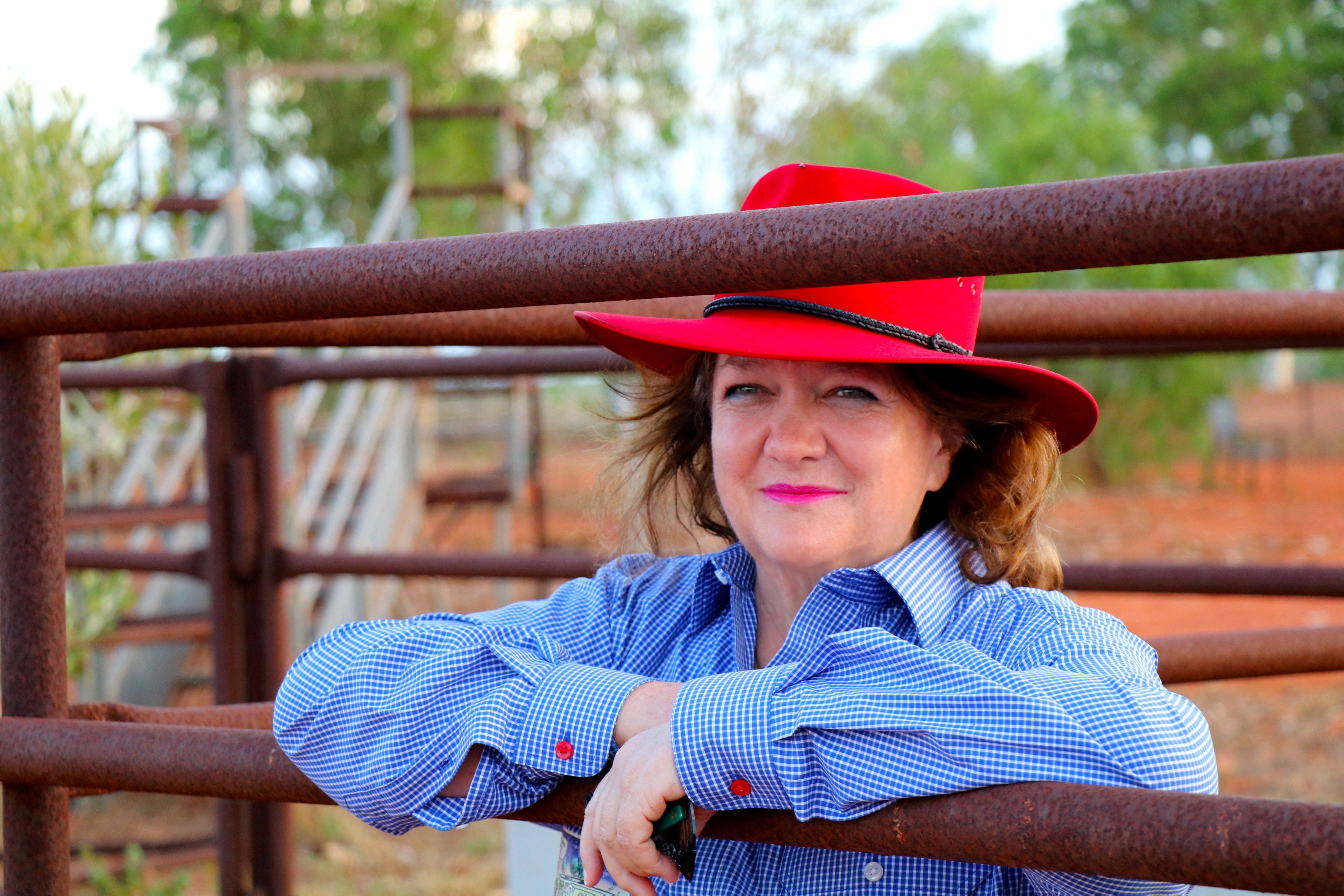
Two of Ms Rinehart’s children, John Hancock and Bianca Rinehart, were parties to the proceedings, arguing that their mother had moved lucrative mining rights out of a family trust into a part of the business they could not access, contrary to their grandfather’s intentions. That claim was rejected.
Ms Rinehart, 71, is the only child of Lang Hancock, who discovered one of the world’s largest iron ore deposits in 1952 and built a prospecting empire in remote Pilbara.
When he died in 1992, Hancock left behind a company burdened with significant debt. Ms Rinehart took over as executive chair and set about turning the business around, developing the Hope Downs and Roy Hill iron ore mines and expanding into coal, agriculture, copper, rare earths, and media.
The iron ore boom of the early 2000s, driven by China’s industrialisation and its voracious appetite for steel, transformed her fortunes. By 2006 she was a billionaire. By 2011, the richest person in Australia. Today, she’s worth an estimated AUD 38bn (£20bn), making her one of the richest women in the world.
The legal battle over Hope Downs began more than 13 years ago and involved a 51-day trial in 2023 during which over 4,000 documents were tendered as evidence.
Hancock Prospecting said the ruling confirmed its ownership of Hope Downs. Wright Prospecting said it welcomed the decision and would review the judgment before determining its next steps. The ruling is likely to be subject to appeal.