
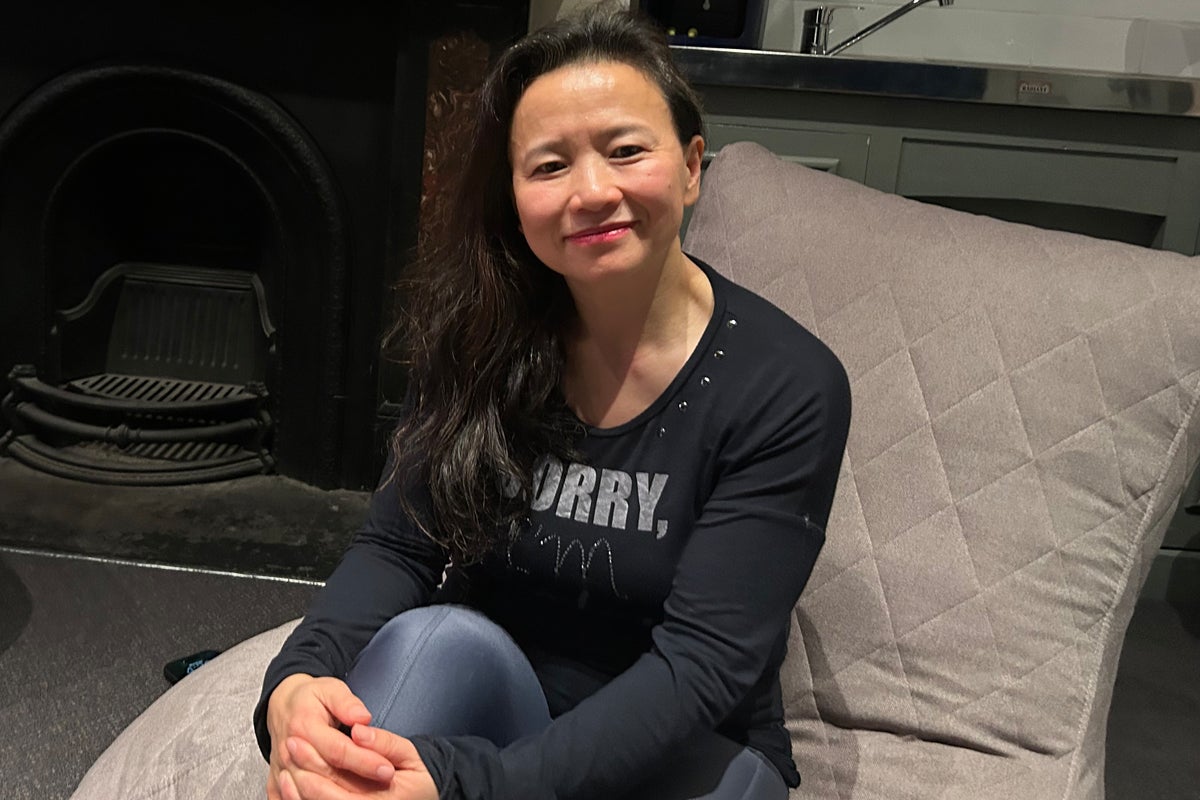
After three years as a political prisoner in Beijing, Cheng Lei is not merely rebuilding her life; she is redefining it.
The Australian journalist, deported from China in October 2023, has since penned a memoir, developed a play about her incarceration, tried her hand at stand-up comedy, and resumed her career in journalism. Her story offers a rare, stark insight into the harsh conditions within China’s secretive prison system, alongside a deeply personal narrative of resilience.
“I think when your life gets shattered and you lose so many things that used to define you, you do have a kind of freedom to reorganize your atoms and create a new you,” Ms Cheng told The Associated Press during rehearsals for her play, 1154 Days.
She added: “For me, it’s a fuller appreciation of life and much more adventurousness and also a serene sort of quiet fearlessness.”
Ms Cheng, who became an Australian citizen after migrating from China at age 10, had built a two-decade career in bilingual journalism across Asia. She was an anchor for the “Global Business” show on China’s state broadcaster CCTV English when her life abruptly changed in August 2020.
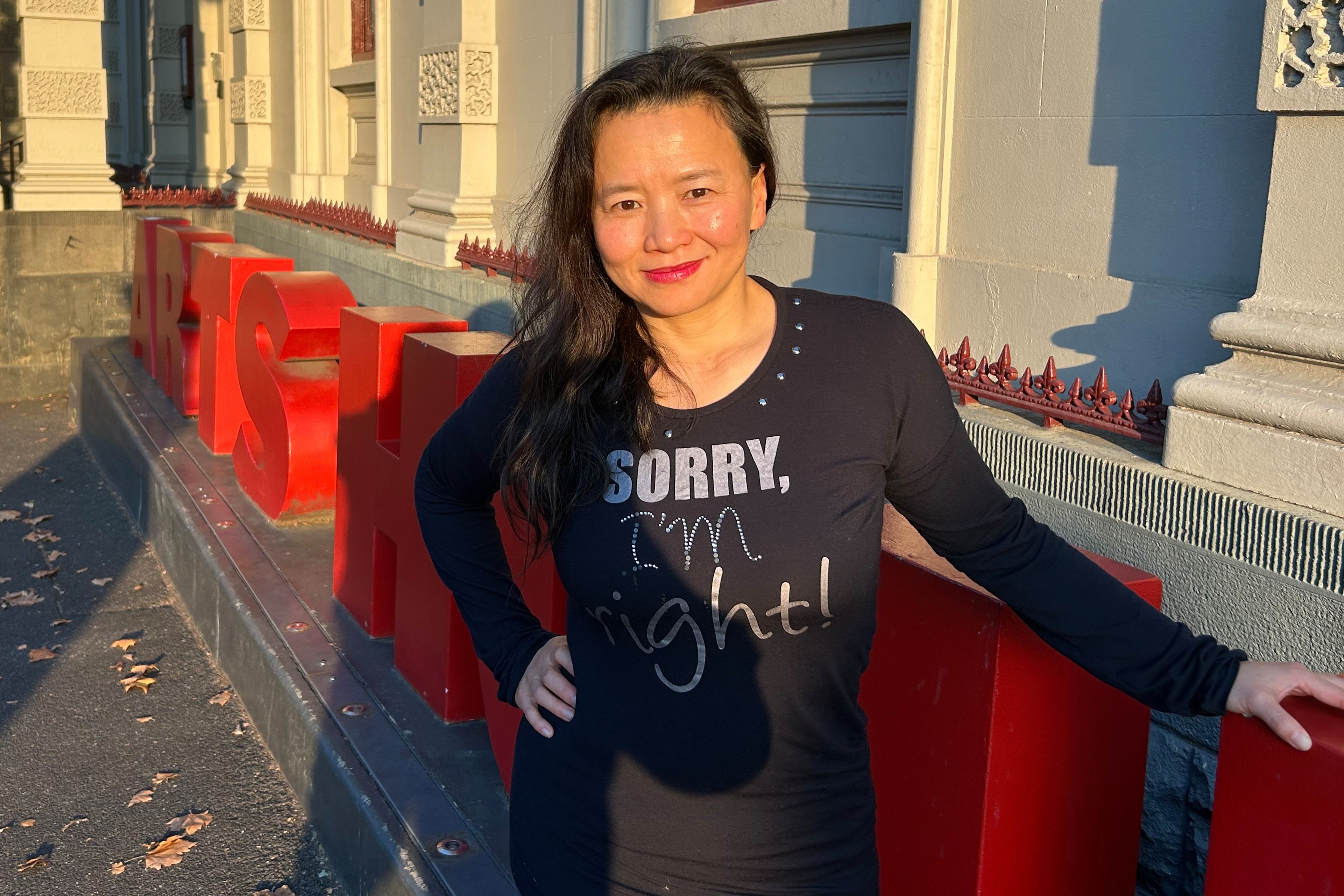
A Beijing State Security Bureau official informed her at CCTV headquarters that she was under investigation for supplying state secrets to foreign organisations. She was then blindfolded and taken to a secret location.
A Beijing court convicted her in October 2023 of illegally providing state secrets abroad, sentencing her to two years and 11 months in prison – a period she had almost entirely served by the time of her sentencing.
Her alleged crime involved breaking an embargo by seven minutes in May 2020 on then-Chinese Premier Li Keqiang’s annual report. The report unusually revealed no economic growth target for China that year due to pandemic uncertainty, a detail Ms Cheng stated in her memoir she was unaware was under embargo.
Ms Cheng believes she was a victim of “hostage diplomacy,” punished as an Australian citizen because her government had called for an investigation into the origins of COVID-19.
Australia’s then-Foreign Minister Marise Payne made this call on 19 April 2020, with China’s Ministry of State Security beginning its investigation into Ms Cheng just four days later on “suspicion of endangering state security.” “Why me? Why that time? All these questions I’m still asking,” she reflected.
A month before her arrest, Australia had warned its citizens of the risk of “arbitrary detention” in China. All Australian journalists working for Australian media subsequently left the country, with the last two, Michael Smith of the Australian Financial Review and Bill Birtles of the Australian Broadcasting Corp., departing in September 2020 after diplomatic standoffs.
Both were interviewed by police about Ms Cheng before their departure.
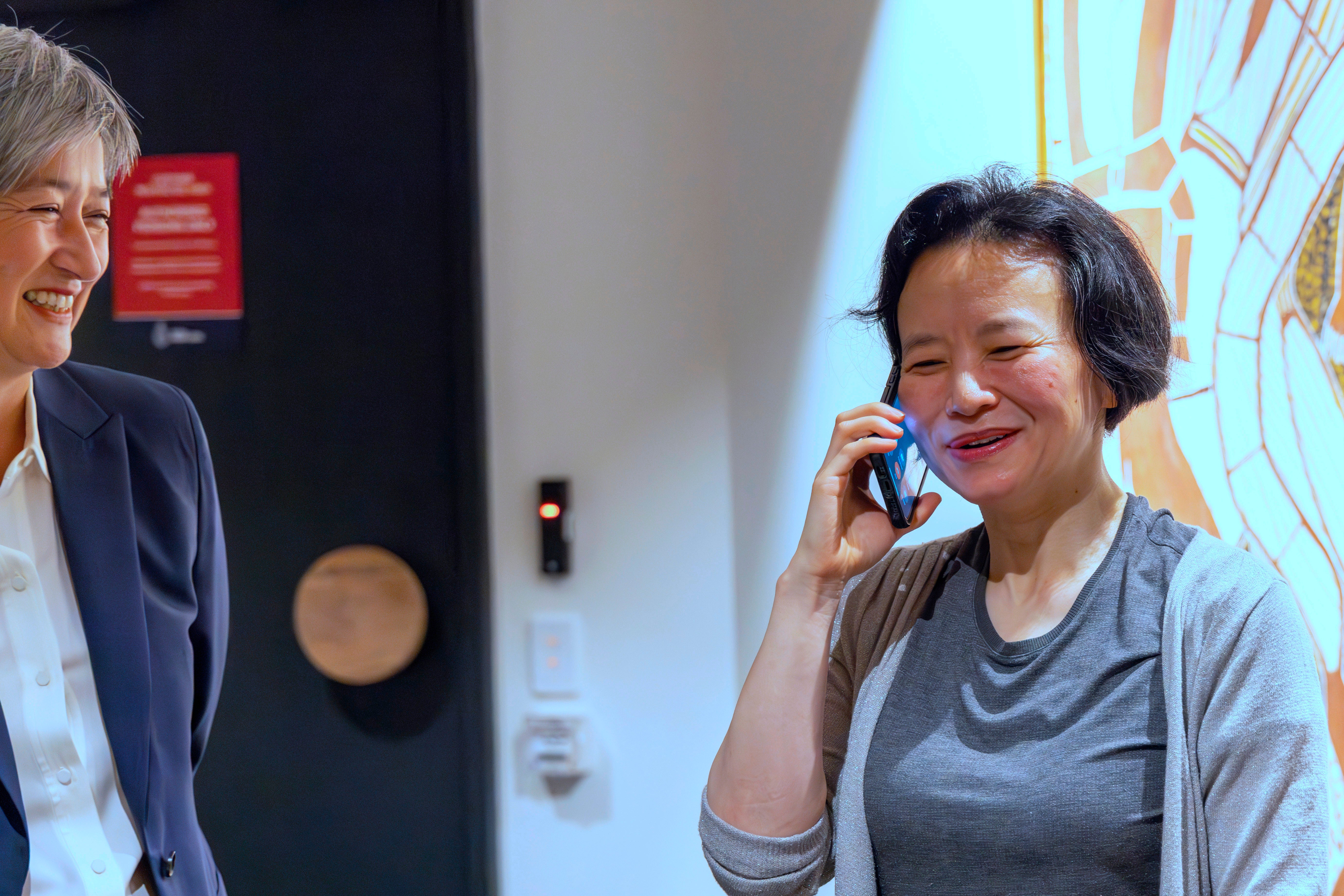
The pandemic plunged the already fraught relationship between Australia and China to new depths. Beijing ceased taking calls from Australian government ministers and imposed official and unofficial bans on Australian exports, including wine, coal, barley, and lobsters.
The conservative Australian government that so outraged China was replaced by the current center-left Labor Party government in elections in May 2022, before the trade blockades began to be removed.
Australian officials consistently raised Ms Cheng’s detention in high-level bilateral meetings, and continue to pressure Beijing for the release of another Australian, Yang Hengjun. The Chinese-born democracy blogger was given a suspended death sentence in 2024 after a Beijing court convicted him of espionage.
Mr Yang, 60, has been detained since his arrival in China from the United States in 2019, and is awaiting a decision on whether his penalty will be commuted to life imprisonment. His supporters fear he would not survive a long prison sentence due to his deteriorating health.
Ms Cheng feels a profound responsibility to speak out for those like Mr Yang, who have fallen victim to the Chinese justice system. She described the initial six months of her incarceration, spent under Residential Surveillance at a Designated Location (RSDL), as the worst period.
Authorities, she explained, focus on breaking prisoners to secure guilty pleas through isolation, constant surveillance, enforced silence, and extreme restrictions on movement. Despite the “stultifying monotony,” she only received credit for three of her six months in RSDL towards her sentence.
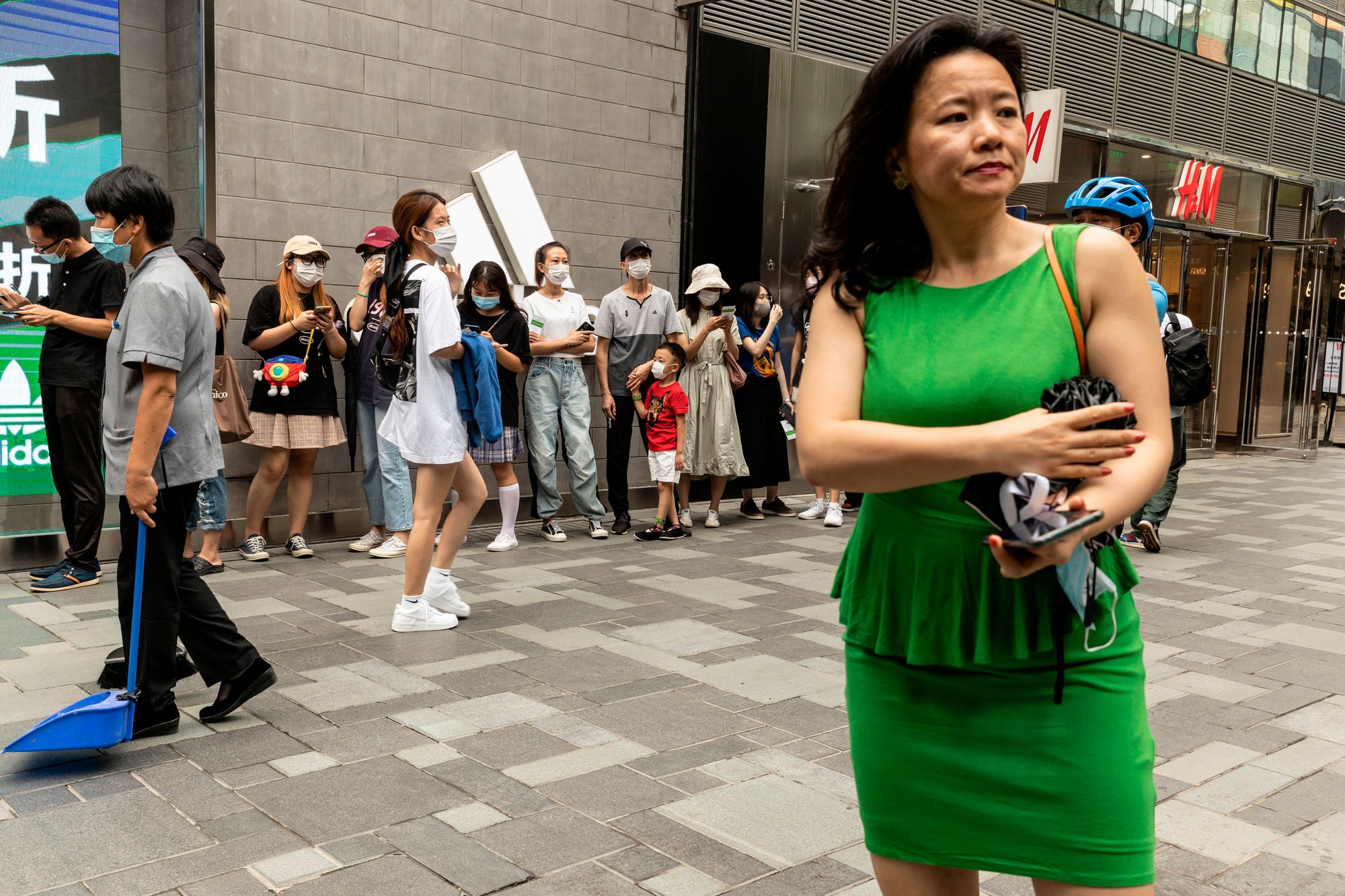
“I know people who are still going through RSDL, or unfair, unjust, arbitrary detention in China. Or being sentenced to ludicrous, harsh sentences for standing up for other people, for standing up for human rights,” Ms Cheng stated. “They would want this story to be told because they don’t have a voice. And for the people who are too scared to talk because their families are hostages in China, this is for them too.”
Her play premieres on 28 May in Melbourne, where Ms Cheng, 50, now lives with her children, Ava, 17, and Alex, 15. Her children had been visiting family in Melbourne when China closed its borders in early 2020, months before her arrest. Ms Cheng is also employed in Melbourne as a TV news presenter and columnist for Sky News Australia.
The play’s publicist highlights how the work reveals the mind’s ability to adapt, resist, and create under pressure. “In isolation, she built television programs in her head, devised memory games and found unexpected ways to connect with herself, others and even with her captors,” a press release noted.
Ms Cheng simplifies it: her work is about feelings. “It’s about how it feels to have everything taken away from you. How it feels to be with three other people all the time in the same little cell for three years, how it feels to be watched every minute of the day and how it feels to finally regain your freedom,” she said.
Ms Cheng hopes audiences will see beyond China’s claims of being a just and ordered society that adheres to the rule of law, particularly as Beijing positions itself as a more reliable international partner than the United States under President Donald Trump.
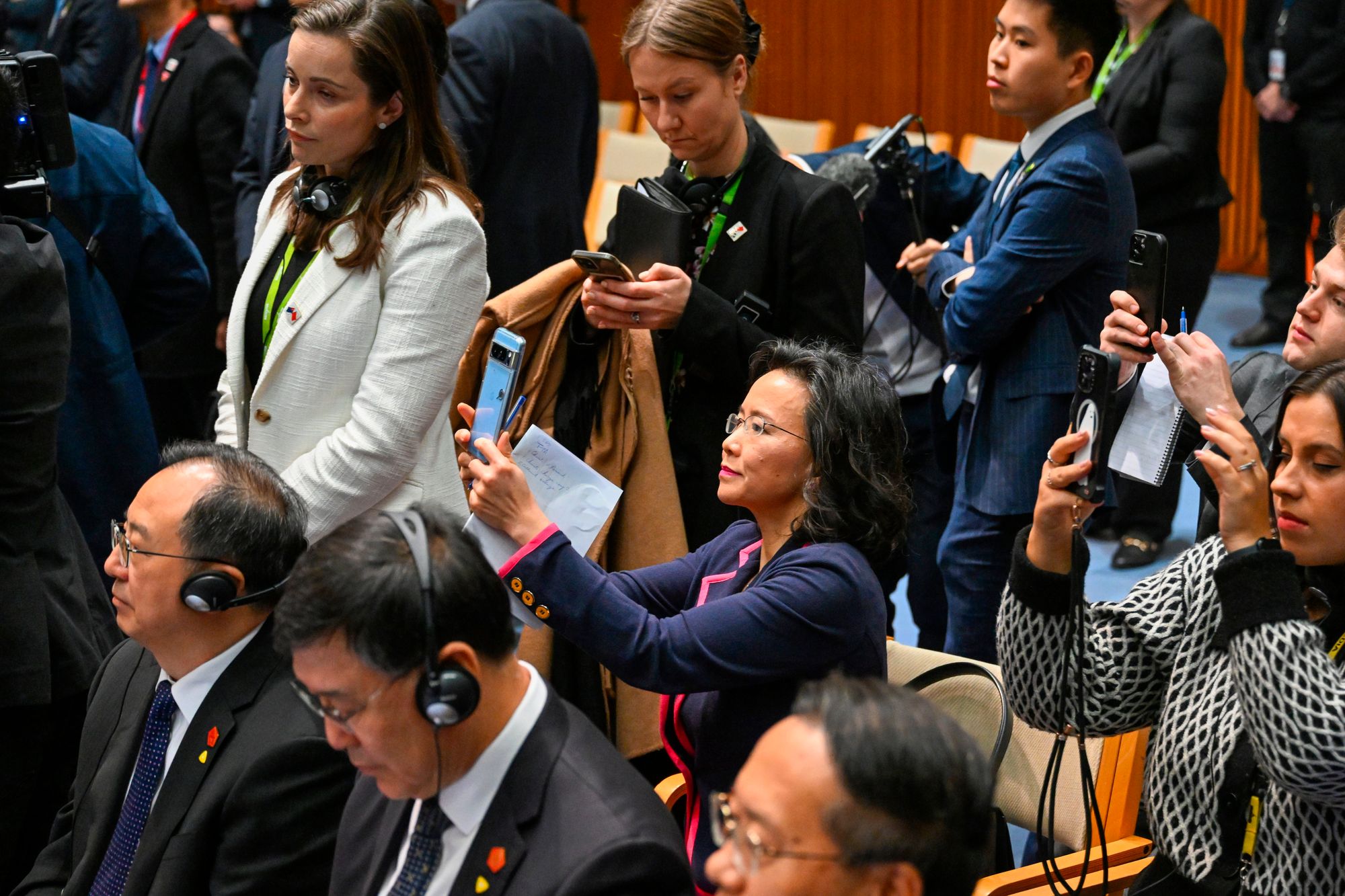
Humour has also become a vital part of her post-prison life. She made her stand-up comedy debut in Melbourne in June 2024, eight months after her release, alongside Chinese-born Australian activist and writer Vicky Xu. “If you can’t joke about incarceration, then you have no sense of humor,”
Ms Cheng told the Australian Financial Review at the time. “Humor got me through much of it and brightened the cell for me and my cellmates.” She performed a five-minute set at the Melbourne International Comedy Festival’s RAW Competition in February and plans to do more. “Life is a tragic comedy and we should mine it,” Ms Cheng quipped. “I just have a bit more material than others.”