At least eight new victims of Gisele Pelicot-style sexual abuse have been identified in Britain as part of a major international probe into online abuse forums.
The National Crime Agency said some women have been assaulted in their own homes without their knowledge over many years as part of a major investigation into organised drug-facilitated sexual assault (ODFSA).
The eight victims were identified after German investigative journalists tipped off police about a forum where users share tips on how to drug and sexually assault victims, as well as share images and videos of the abuse.
The NCA said their probe into one forum and its offshoots had uncovered a “truly international network” where such abuse is normalised, but admitted that they do not yet understand the “true scale” of the growing phenomenon.
Ms Pelicot’s case shocked the world when she waived her anonymity after learning her husband Dominique had been drugging and raping her for years and had invited 50 other men to join in the attacks. He was jailed for 20 years for the horrific abuse, which lasted almost a decade.
The NCA has so far identified more than 270 individuals linked to one particular online forum and its successors and has sent 210 intelligence packages with information about potential abusers and victims to individual police forces, mostly overseas.
A total of 15 of these were sent to forces in Britain, and so far, eight suspected victims have been safeguarded and eight people have been arrested.

Separately, Europol has identified 156 victims and perpetrators of drug facilitated sexual assaults in a probe into online misogynist communities called Project Medusa. It has not been revealed which countries those suspects and victims originate from.
Nigel Leary, deputy director at the NCA, said these crimes are “no longer isolated behaviour” and are increasingly being enabled by online networks where abusers identify like-minded individuals.
Many start on mainstream platforms or openly accessible forums from which they are drawn into smaller groups, often migrating to encrypted platforms.
“These environments enable offenders to build trust, normalise behaviour, exchange tactics, and facilitate offending,” he explained.
“Importantly, these spaces create a sense of community and legitimacy where deeply harmful behaviors are minimised or justified in platforms.”


Users discuss in graphic detail how they want to commit the “most heinous” sexual abuse, he said, adding: “Discussions include inviting other people to take part in the sexual assaults, seeking advice for the best drugs or sedatives to use and help administer them, asking for specific abuse to be conducted, but also coordinated offending, arranging to rape and abuse victims, sharing methodologies and developing tactics to avoid detection.
“In many of the cases we’ve seen so far, individuals who have become victims of sexual crime while sedated do not remember at all.”
Victims of any age can be targeted, with abusers usually exploiting a relationship of trust.
“Offenders utilise the existence of committed, trusting, and often long-term relationships to perpetrate and facilitate offending,” Mr Leary added. “This means that some women who have been abused have been abused for a long period of time in their own home, in their own bedrooms, and in some cases over many years.”
Announcing a new national response to tackle the evolving threat, he warned this type of crime is almost certainly “under-detected and under-reported”.
“The scale of what we have seen so far is deeply concerning,” he added. “Intelligence indicates there have been, and are, other groups, many as yet unidentified by law enforcement, still involved in this type of offending. The reality is that we do not yet know the true scale of this offending.”

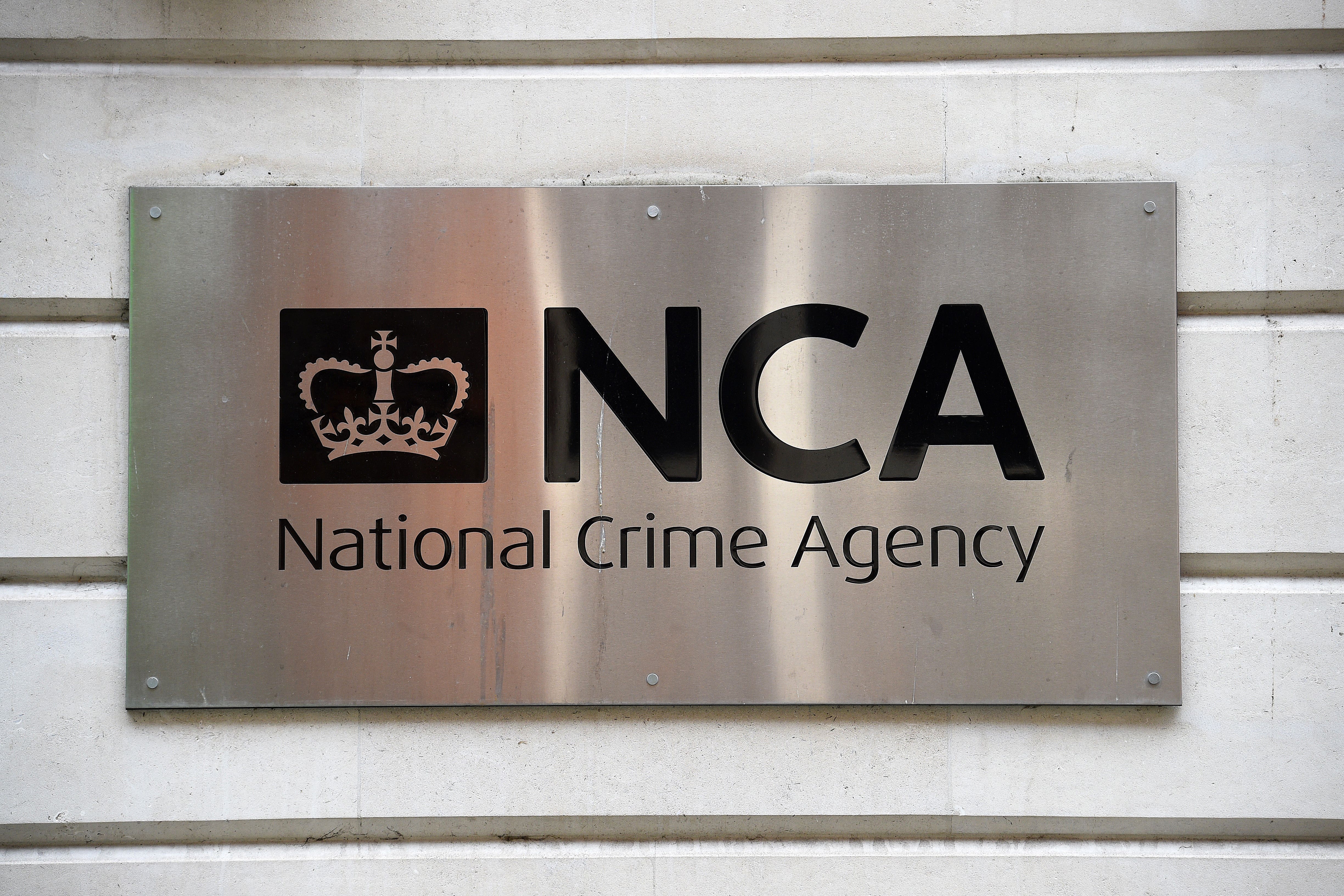
Helen Millichap, director of the National Centre for Violence Against Women and Girls and Public Protection (NCVPP), urged anyone with concerns to come forward.
“If something doesn’t feel right, you do not need proof or a clear memory to seek help,” she added. “Police and support services will make sure you are listened to, taken seriously and given the care you need.”
Siobhan Blake, national CPS lead for Rape and Serious Sexual Offences, added: “The abuse we’re discussing is some of the most horrifying I have seen in my career. Victims are being subject to horrendous sexual offending in their own homes in an ultimate breach of trust.
“This offending thrives in secrecy online and behind closed doors. It is the job of the criminal justice system to bring it out into the open to deliver for victims and survivors.”