

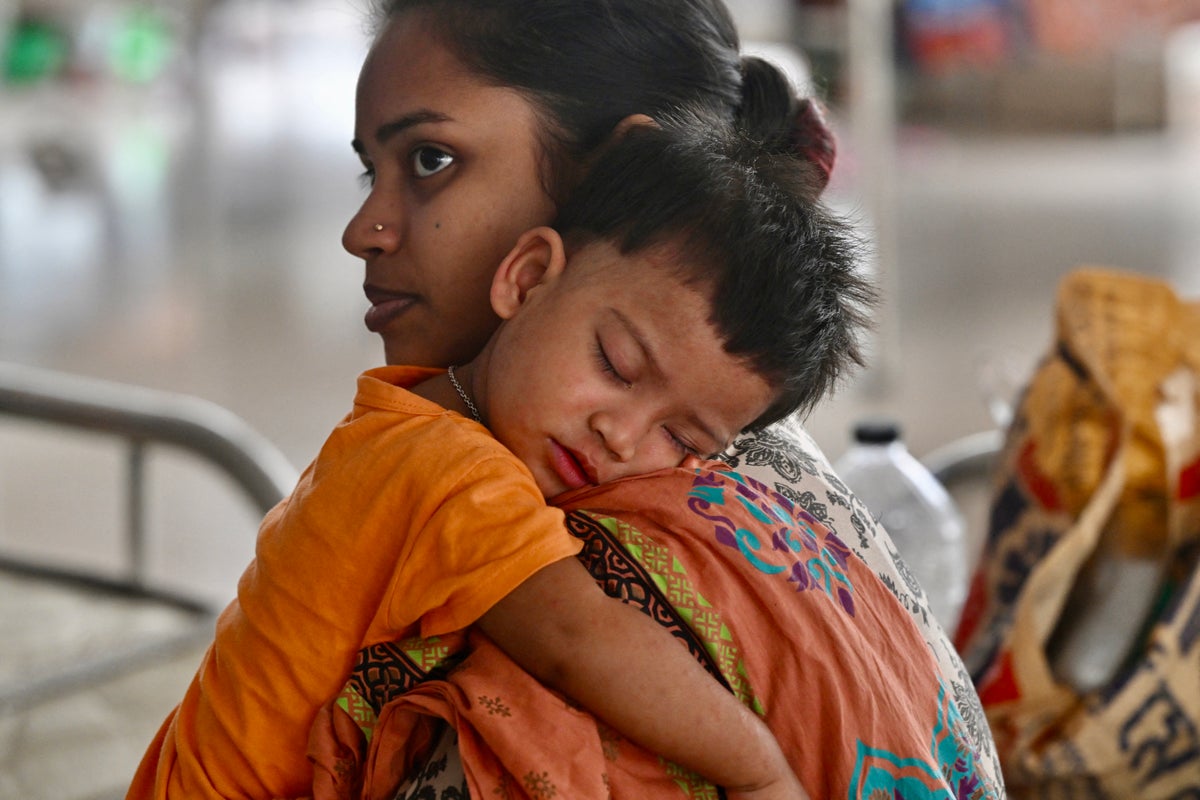
At least 194 children succumbed to a measles outbreak in Bangladesh since March and 28,000 suspected to have the disease have been hospitalised, officials in Dhaka said on Friday.
At least three to five children have died from the highly contagious disease caused by the virus every day for the past week, officials said.
Bangladesh confirmed an outbreak of measles on 15 March – the worst in the south Asian country in decades. The government has launched a robust nationwide vaccination programme and the World Health Organization (WHO) has also assessed the risk at the national level as high due to ongoing transmission across multiple divisions.
“Our target is to vaccinate 18 million children,” health department spokesman Zahid Raihan told AFP.
“So far, we have covered a little over one-fourth of our target, and it may take another two weeks to see the impact of this vaccination programme.”

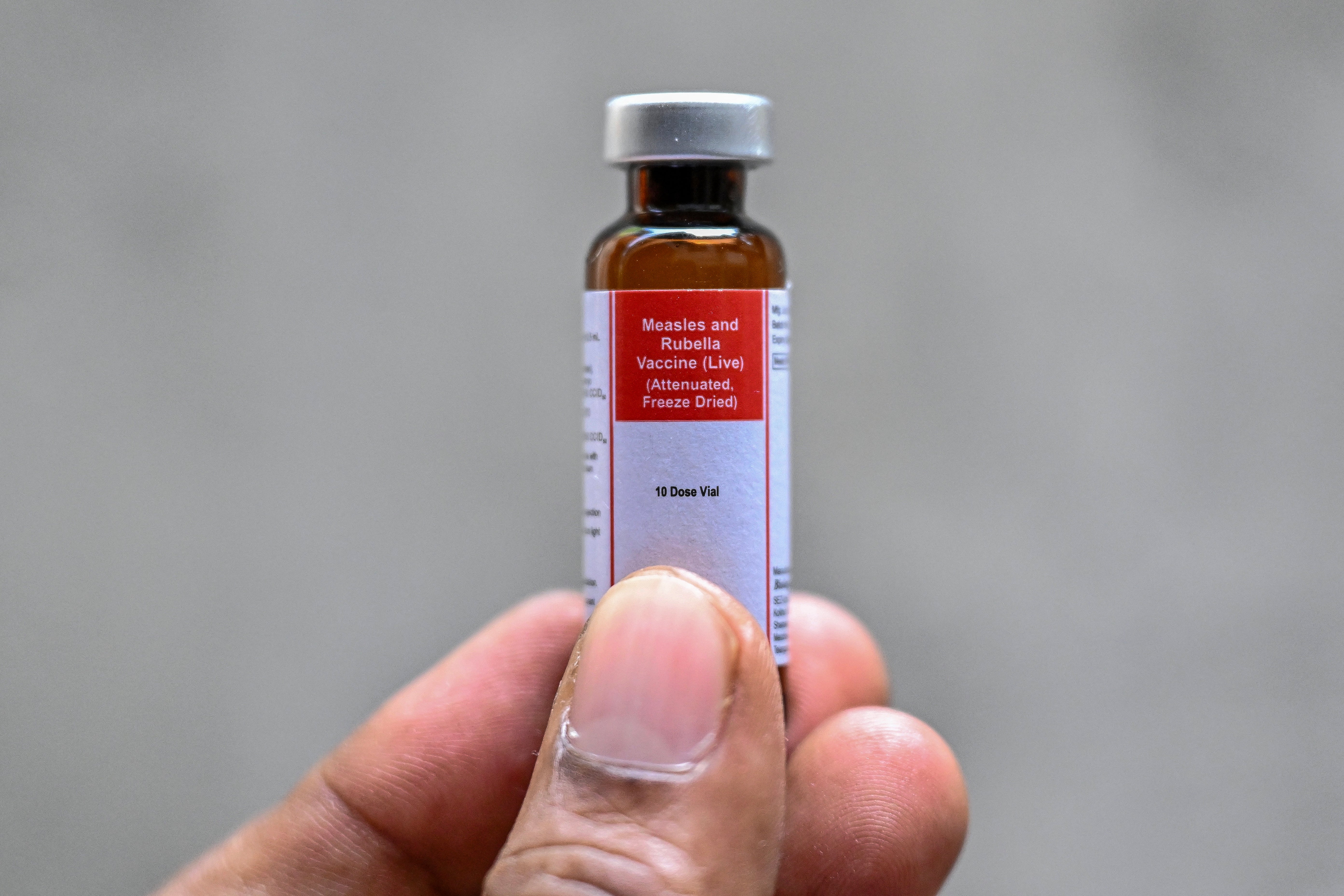
Measles is one of the world’s most contagious diseases, according to the WHO and is spread through coughs and sneezes. The deadly disease can affect people across age-groups but is most common among children.
It can cause complications that include brain swelling and severe respiratory problems.
Bangladesh has experienced a marked increase in measles cases since January this year, the WHO said.
“Geographically, cases have been reported across all eight divisions, in 58 out of 64 districts (91 per cent of districts), indicating widespread transmission nationally,” it said in a statement on Thursday.
A total of 19,161 suspected measles cases and 2,973 laboratory-confirmed cases have been reported between 15 March to 14 April, and a total of 12 318 hospital admissions and 9772 hospital discharges have also been reported, the WHO said.
Newly-inducted prime minister Tarique Rahman has blamed the previous government of Sheikh Hasina for mismanagement and failing to vaccinate the population, leading to a rise in cases.
Even though the country has made significant advancements in its vaccination programmes aimed at different infectious diseases, measles has been left out due to the major protests in the country which toppled the Hasina administration in June 2024.
“The autocratic government that we ousted, together with political parties both inside and outside Parliament, did not procure vaccines,” Mr Rahman said.
He added that the country was receiving assistance from the UN children’s agency, but there was a shortage of testing kits.
The crisis has left many parents without means to save their children.
“After noticing a rash on our son’s skin, we rushed him to the hospital. Five days later, we brought him back dead,” said Mohammad Sajib, a parent who lost his three-year-old son.
“He had a high fever and breathing difficulties,” his mother Afsin Meem told AFP.