

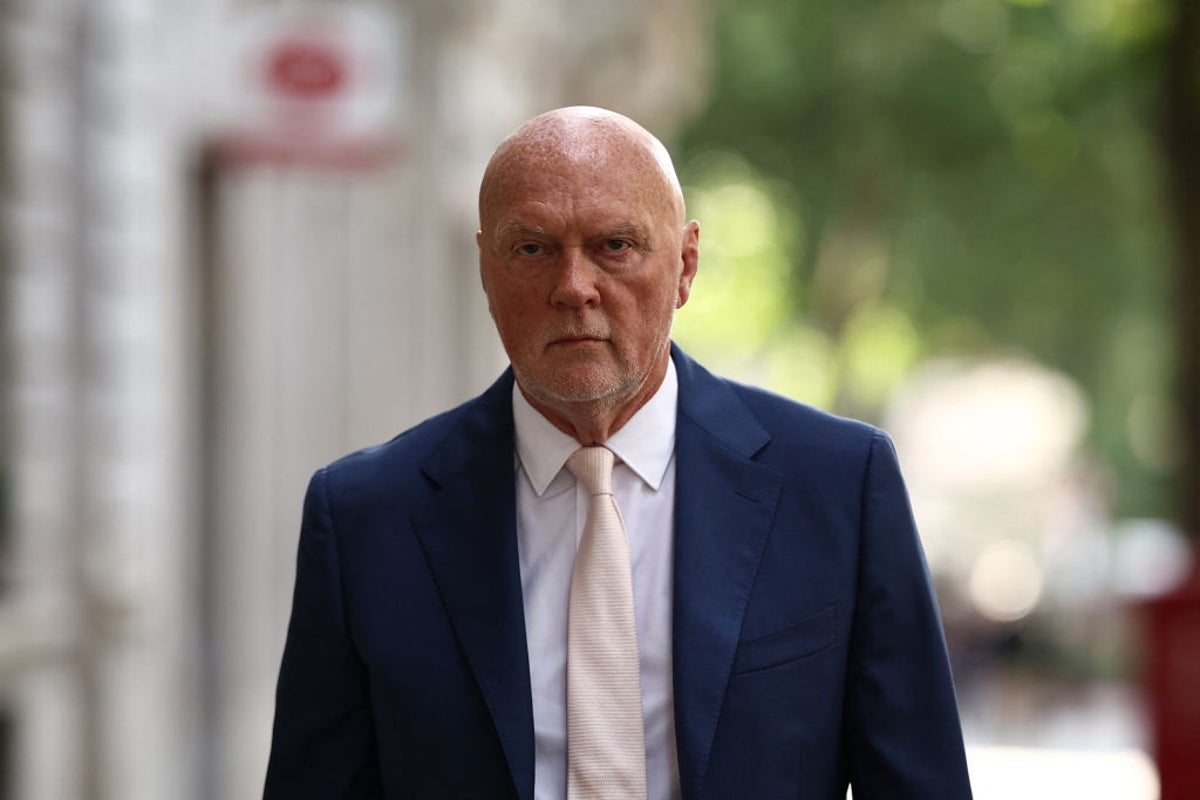
Labour is not doing enough to support business and has become “more and more difficult” to deal with, Asda’s chief has warned.
Allan Leighton, who has chairman of the supermarket since 2024 but was also chief executive in the late 1990s, said Labour used to “go out of their way to try and engage with business” when he was last running the company but were now “less helpful”.
He added that decisions made in Westminster are now having a bigger impact on companies – and not in a good way. Businesses are being left to deal with problems created by those in power, he suggested.
“Politics and government have a much more bigger impact on what happens today than they did,” he told the Retail Week x The Grocer conference this week.
“You know, I think in that period of time, most of government was pretty business-friendly, and over a period of time that’s got, I think, more and more difficult.”

He is the latest supermarket chief to speak out about the government’s approach to business with Tesco boss Ashwin Prasad warning last month that Sir Keir Starmer is “sleepwalking” into a joblessness epidemic.
Mr Leighton suggested businesses were being left to deal with a “lot of constraints today that are not of their own making”.
As well as rising hiring costs from the minimum wage increase in April, as well as National Insurance contributions going up, firms have faced additional cost pressures through packaging fees and rising energy costs. New workers’ rights laws could add further burdens on companies.
But Mr Leighton said businesses simply had to “deal with it, which is why I don’t complain about it”.
Speaking on Tuesday in response to chancellor Rachel Reeves’ spring statement, Shevaun Haviland of the British Chambers of Commerce (BCC), urged the government to go further with plans to boost the economy and support British businesses.
“The spring statement confirmed that the UK economy is heading in the right direction, but a further acceleration is needed,” Ms Haviland said.
“With GDP expected to grow well below two per cent a year until 2030, unemployment set to rise in the near term and net trade remaining anaemic there is more to do.”

Ms Haviland also warned that the government needed to put plans in place to deal with the aftershocks of the Middle East crisis, including supply and price changes to commodities such as oil and gas.
“The OBR’s inflation forecast does not take into account the widening conflict in the Middle East and increasing disruption to oil and gas supplies and shipping. That inevitably adds a fresh element of uncertainty on prices and government borrowing.
“Recent BCC research shows more firms want to expand, with nearly half intending to grow this year, compared to a third in 2025. To turn that optimism into a reality the government is right to focus on boosting exports, increasing regional investment and transforming productivity.”
Asda is Britain’s fourth-largest supermarket but industry figures have shown falling year on year sales – the only major supermarket to do so.
Mr Leighton expects the turnaround to take a little while longer yet, while hinting that he intended to appoint a chief executive from within existing staff ranks.
“I’ve said from the beginning, this is a three to five years [job]. You do not turn these things around in a short period of time. I’m just looking for signs of progress, and there are signs of progress,” he added.
Mr Leighton was chief executive of the retail giant for around four years in the late 1990s, before leaving in 2000 and heading up the likes of Royal Mail, Pandora and the Co-Operative Group. He returned to Asda in 2024 as chairman.