


A historic crew of four astronauts, including the first non-U.S. citizen to journey to the moon, is now more than halfway to their lunar destination, preparing for a groundbreaking fly-around that will push humanity deeper into space than any Apollo mission.
The three Americans and one Canadian are set to reach the moon on Monday, where they will photograph its mysterious far side during their unprecedented orbit.
This marks the first time a crew has been moon-bound in over 53 years, effectively resuming NASA’s Apollo program.
The Artemis II mission is poised to establish a new distance record for human spaceflight, traveling more than 252,000 miles (400,000 kilometers) from Earth.
The crew will execute a U-turn behind the moon before heading directly home, without entering lunar orbit. This feat will surpass the current record held by Apollo 13.

Canada celebrated its pivotal role in the mission, with the Canadian Space Agency speaking from Quebec to astronaut Jeremy Hansen as he approached his lunar rendezvous.
Hansen is making history as the first non-U.S. citizen to fly to the moon.
Canadian Space Agency President Lisa Campbell remarked, “Today he is making history for Canada. As we watch him taking this bold step into the unknown, let his journey remind us that Canada’s future is written by those who dare to reach for more.”

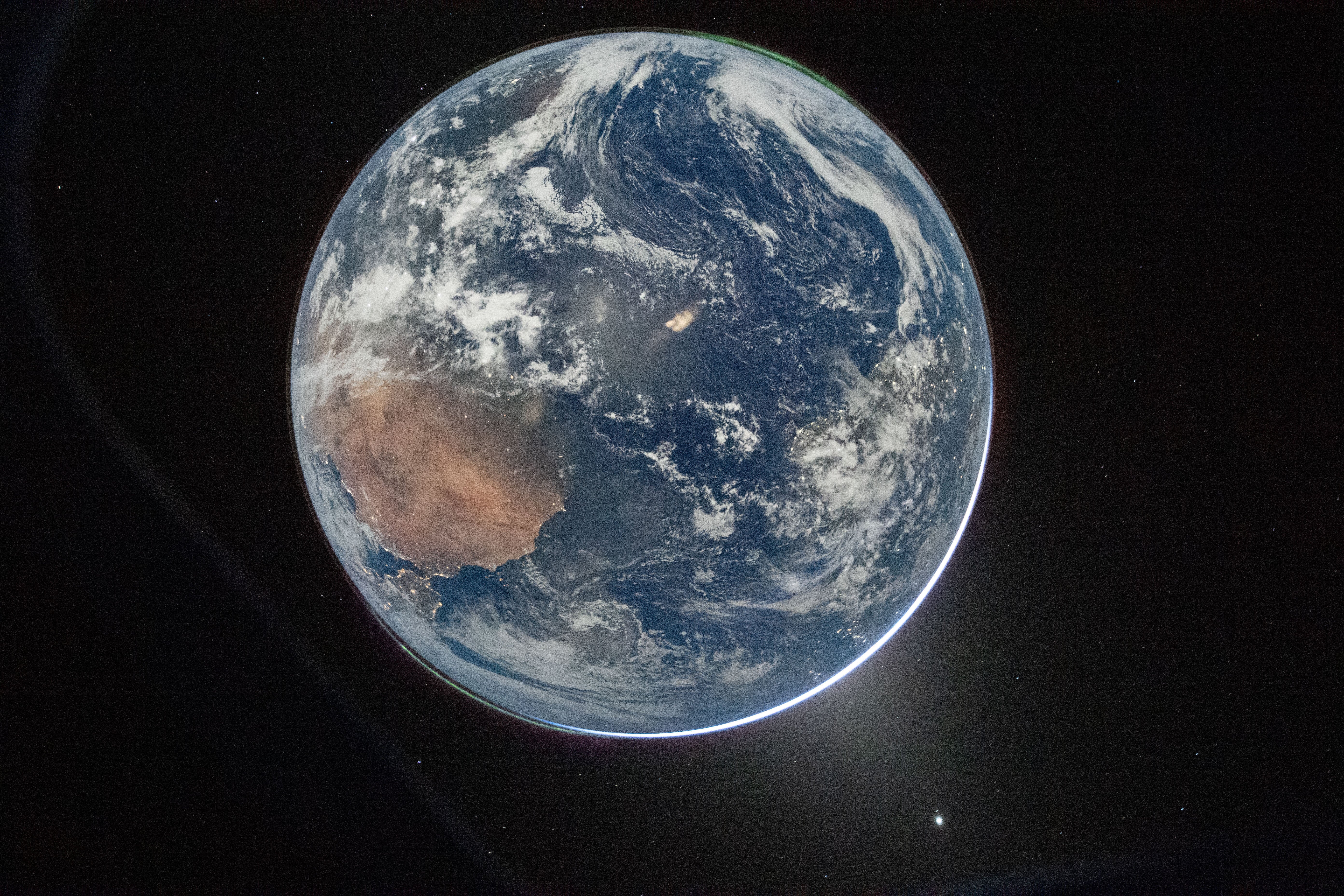
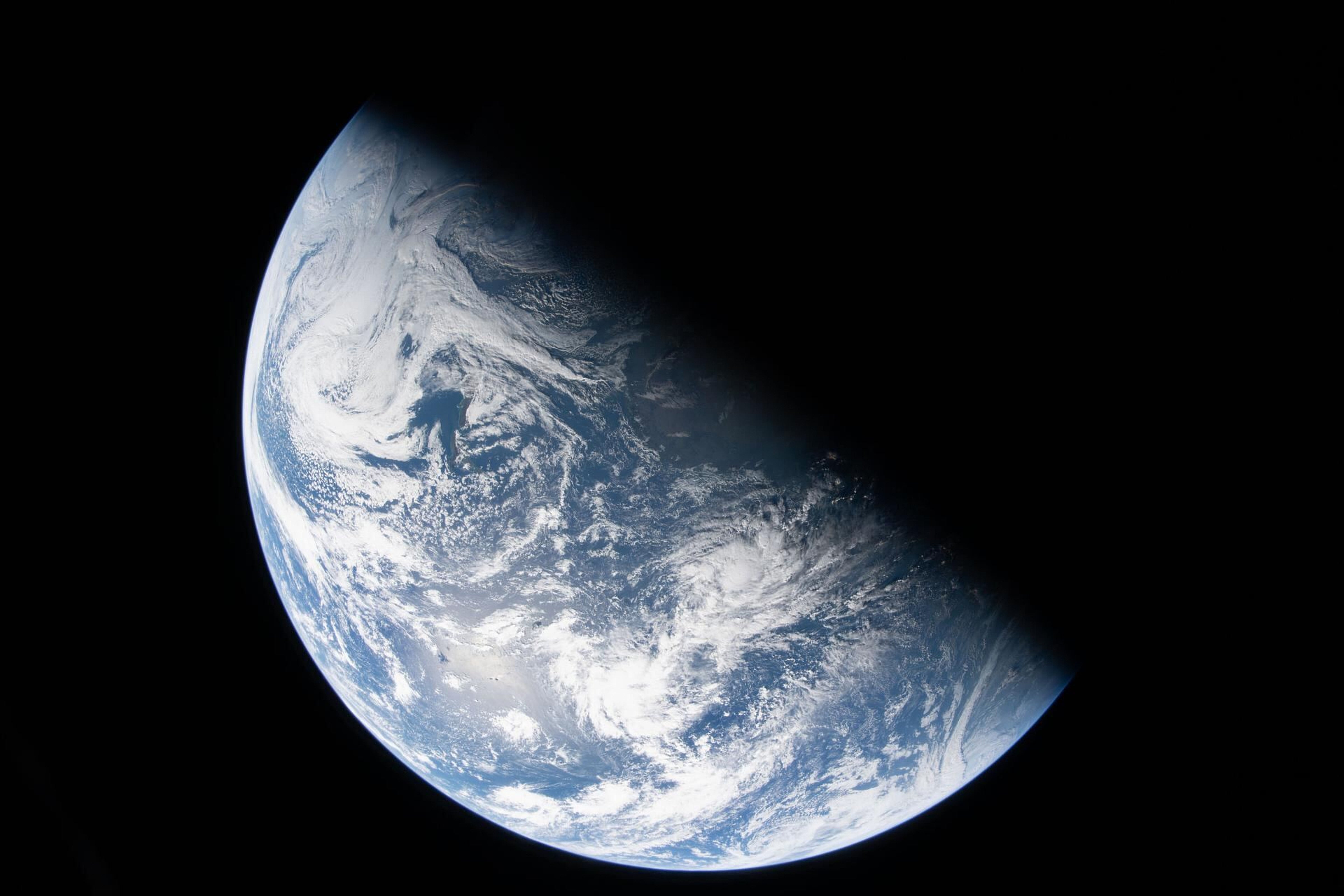
In a live televised linkup, Hansen shared that he has already witnessed “extraordinary” views from NASA’s Orion capsule.
He is joined by Reid Wiseman, Victor Glover, and Christina Koch, making them the first lunar astronauts since Apollo 17’s crew in 1972. Koch is the first female astronaut to the moon, and Glover is the first Black astronaut to achieve this milestone.
This nearly 10-day mission, culminating in a Pacific splashdown on April 10, represents the crucial first step in NASA’s ambitious plans for establishing a sustainable moon base. The space agency aims for a human moon landing near the lunar south pole by 2028.