



A hiker is in critical condition after being stung more than 100 times by bees on mountain in Arizona.
The man rang emergency services in Phoenix because his injuries prevented him from continuing his descent from Lookout Mountain during a trek Saturday.
Rescue teams dispatched a helicopter and hoisted him from the mountain, before transferring him to an ambulance to bring him to hospital. Emergency service officials say the unnamed victim is fighting for his life.


Phoenix Fire Department has advised people to avoid disturbing hives, wear light-colored clothing and not to use scented products when hiking.
Anyone who encounters a swarm is advised to run away quickly and protect their head, face, and especially mouth.
Bees are very common on Lookout Mountain and are frequently encountered by hikers.
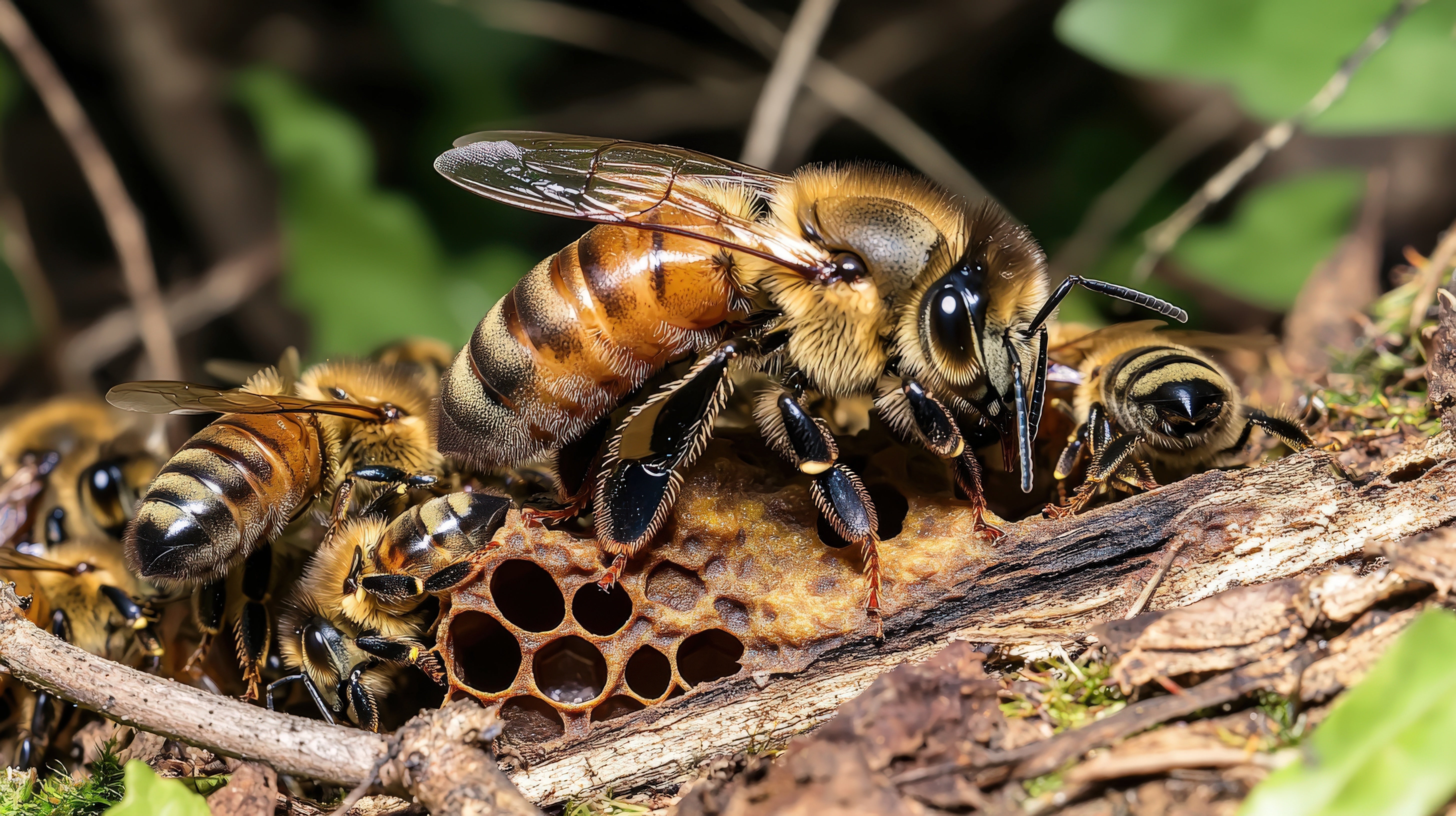
Almost all wild bees in Arizona are Africanized honey bees, which are highly protective of their hives and commonly known as “killer bees” for their aggression.


Africanized honey bees are a hybrid of the African honey bee and various European honey bee subspecies.
They were accidentally released in Brazil in the 1950s after a geneticist had been crossbreeding the different subspecies in an effort to improve the country’s honey yields.
The geneticist, Dr Warwick E Kerr, was intending to combine the European bees’ greater capacity for honey production with the African honeybees’ adaptation to warmer climates.
However, he also isolated the African subspecies aggression and ability to deploy coordinated defensive manoeuvres.
According to the Centre for Invasive Species Research, they have spread as far south as Argentina and are only found in the Americas.
Dr Frank Loveccino, a professor at Arizona State University, said the venom from repeated bee stings effectively “crushes your muscle”.

He told FOX 10 it is not uncommon for someone to be stung hundreds of times in a single incident.
“It’s always about protecting the queen bee, protecting the hive,” he said. “And it sends signals [for] the other bees come over and kind of attack you.”
Bee activity has been especially high recently due to an unusually warm winter, this being just the latest in a string of incidents.
Last week, five people were stung, of which one was taken to hospital, after a swarm disrupted a women’s lacrosse game at a university sports field in Tempe.