

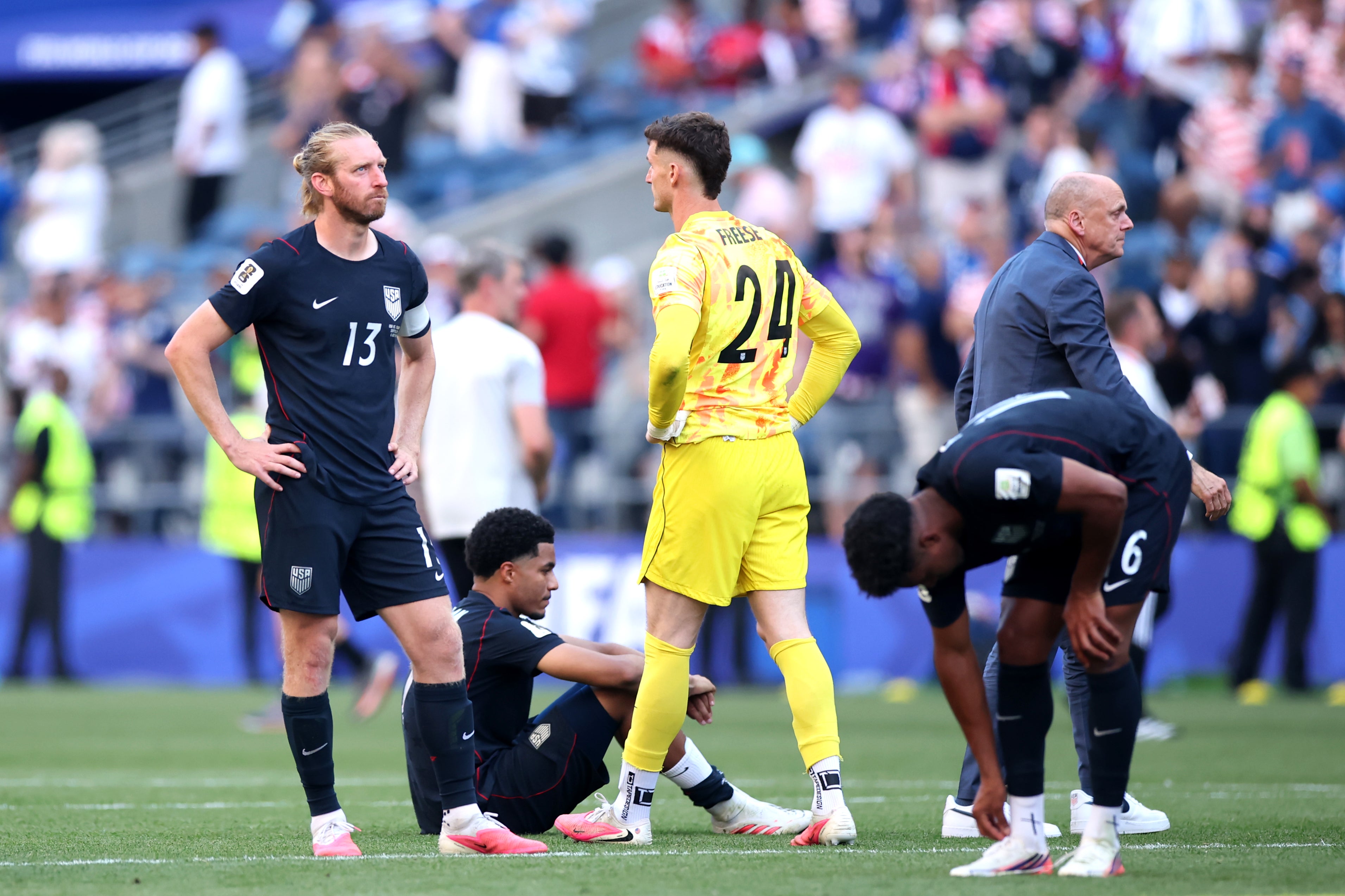
The World Cup loss by the U.S. men’s national team on home turf was devastating for hopeful soccer fans — but it underlined a key argument for critics of America’s $40 billion “pay-to-play” youth sports industry.
“World Cup losses will continue until America fixes its youth soccer system,” an ESPN headline put it bluntly following Belgium’s 4-1 victory in Seattle, Washington, earlier this month.
Parents whose children play sports spent an average of nearly $1,500 per kid in 2024 – up 46 percent from 2019, according to a survey published last year by the Aspen Institute. The average costs included more than $400 for travel and lodging, about $280 for team registrations and almost $265 for lessons and instruction. And in some cases, parents were paying close to $25,000 per child, according to the report.
Following America’s exit from the World Cup tournament — which will be decided by Sunday’s final between Argentina and Spain — retired U.S. team captain Landon Donovan put a finer point on it, citing research that found a majority of kids who played organized soccer came from households with incomes from $100,000 to $150,000.
“Only 2 percent of kids who were playing organized soccer in America came from households that made less than $50,000,” Donovan said in an interview, the day after the epic loss. “Meaning, if you don’t make $50,000, your kid cannot play organized soccer.”

Donovan added: “And think about how many kids you’re missing out on in this country because they can’t afford to play the game.”
Critics blame the soaring prices on Wall Street’s private equity investors who’ve been snapping up businesses tied to youth sports.
“Private equity has recognized that there’s money to be made in this business, especially if their scale as institutional investors allows them to roll up a sport or region and create a self-reinforcing cycle across events and facilities,” Marty Fox, a program manager for the Aspen Institute’s Sports & Society Program, told The Independent.
“While private equity-backed operators may use criticized practices, like mandating hotel stays and requiring subscriptions to watch games online, they didn’t invent them,” Fox added.

The controversy over costly youth sports has caught the attention of federal lawmakers. Last month, a House education subcommittee held a bipartisan hearing titled “Field of Fees: Private Equity’s Role in the Commercialization of American Youth Sports.”
Democrats also recently proposed legislation to crack down on private equity investment in the area, and were supported by the Sports Fan Coalition, a nonprofit consumer advocacy group, and the anti-monopoly American Economic Liberties Project.
But with Republicans now in control of both chambers of Congress and no apparent support from the GOP, chances appear slim it will advance before the next session.
‘In the early innings’
In 2024, global investment giant KKR & Co. paid $4.5 billion for Varsity Brands, which makes uniforms and organizes cheerleading competitions, according to The New York Times.
That deal came after a fund controlled by the Swedish private equity company EQT bought the IMG Academy, a sports-focused boarding school in Bradenton, Florida, in an all-cash, 2023 deal that valued it at $1.25 billion.

Later that year, another investment company, Patricof, also put money into IMG. More than 50 of its pro-athlete clients — including Dallas Cowboys quarterback Dak Prescott, retired golfer Michelle Wie West and former football star Jason Kelce — took part in the deal, according to the IMG website.
Private equity billionaires Josh Harris and David Blitzer, who own teams including the NBA’s Philadelphia 76ers and the NHL’s New Jersey Devils, also reportedly used money from their family foundations to start a business called Unrivaled Sports. They’ve bought baseball camps, flag football fields and youth leagues, and told the Times they were still “in the early innings” of the endeavor.
“Our ambition is to build the most trusted, expansive and impactful youth sports platform in the country,” Harris and Blitzer said in a statement to the Times.
Brand Velocity Group — in which former New York Giants quarterback and two-time Super Bowl MVP Eli Manning is a partner — announced last month that it paid an undisclosed sum for RCX Sports, which partners with professional leagues to operate youth sports competitions.

In its statement about the RCX acquisition, Brand Velocity Group said its investment would “support expanded access, stronger league and community partnerships, and continued national participation growth.”
A KKR spokesperson declined to comment and none of the other companies responded to inquiries from The Independent.
‘We’re going to lose the soul of our nation’
During the June 30 congressional hearing, subcommittee Chairman Kevin Kiley, an independent California lawmaker who caucuses with Republicans, said lawmakers were worried about “particular practices that reduce competition, drive up costs and limit access for families,” according to CNBC.
“The simple reality is that too many children are being priced out,” said Kiley, a former Republican. “It’s not that they lack talent or determination; it’s that their families simply cannot afford the rising costs.”
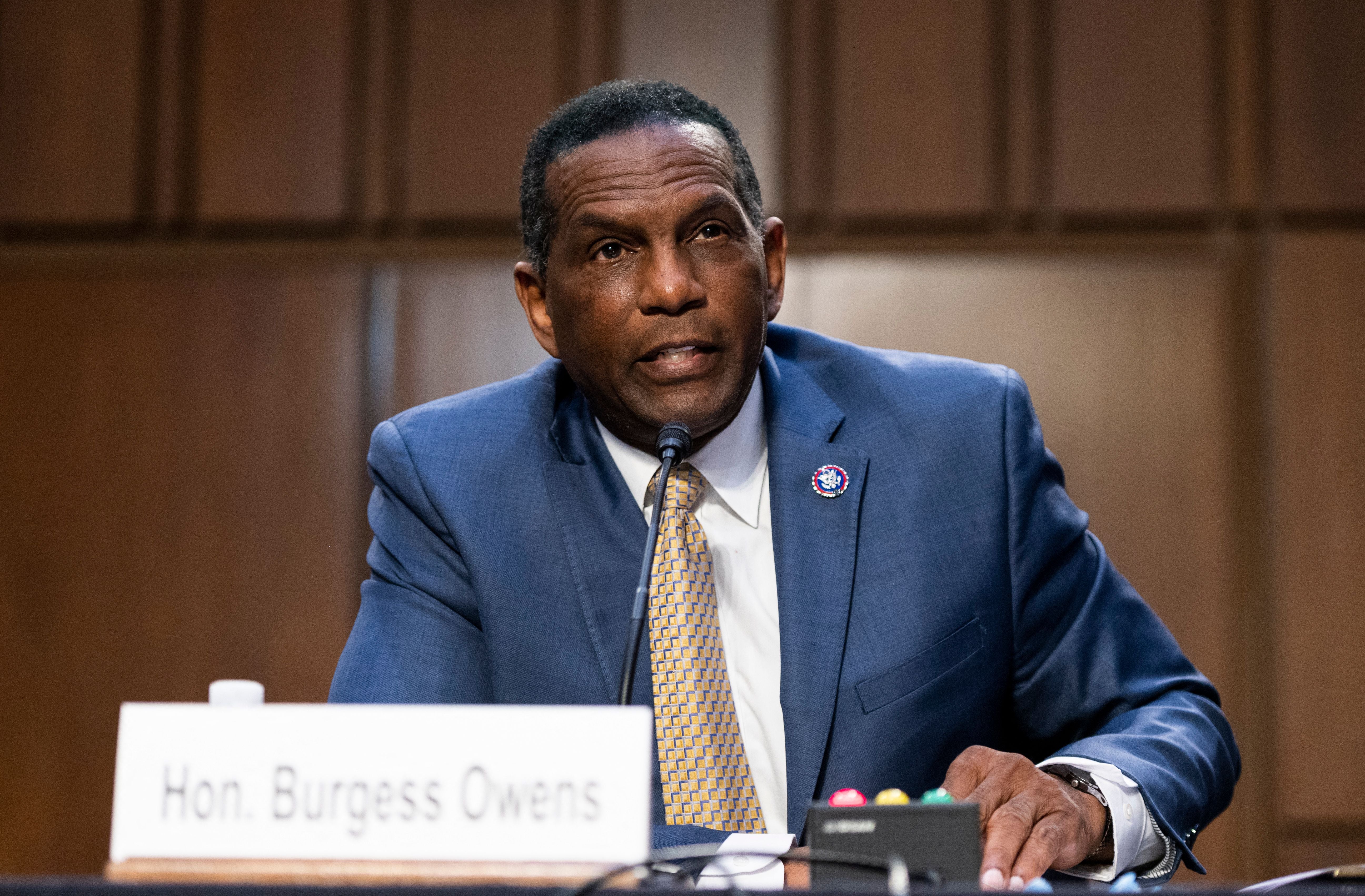
Representative Burgess Owens, a Utah Republican who played safety for the Oakland Raiders when they won the 1981 Super Bowl, said some investors were “doing it the right way” but added that Congress needed to keep out any “bad actors.”


“Investment is important, but it’s when the mission is our kids, not investors,” he said. “We’re seeing too much of this. We’re going to lose the soul of our nation if we don’t get this right.”
Democratic Representative Susan Bonamici of Oregon accused President Donald Trump’s administration of “not taking any action to rein in private equity, curb corporate greed or protect consumers,” according to coverage of the hearing by The Wall Street Journal.
“When fewer companies control more of an industry, competition declines, prices rise and families are left with fewer affordable choices,” she said.

Under the Democrats’ Let Kids Play Act, introduced in May by Senator Chris Murphy of Connecticut and Rep. Chris Deluzio of Pennsylvania, private equity investors who engage in so-called vulture practices would be banned from youth sports and forced to refund “junk fees” and cancel any debts racked up by parents.
“As a hockey dad, I’ve seen how viciously these private equity companies rip families off,” Murphy said in a statement at the time. “We are getting these profit-obsessed corporations out of kids’ sports for good.”
In a statement, Deluzio said: “Sports should be a sacred part of childhood. Instead, big money vultures have turned sports into a luxury item. That must end.”
The legislation — co-sponsored by Senator Cory Booker of New Jersey and Reps. Pramila Jayapal of Washington, Pat Ryan of New York and Angie Craig of Minnesota — has been referred to the relevant committees for review.