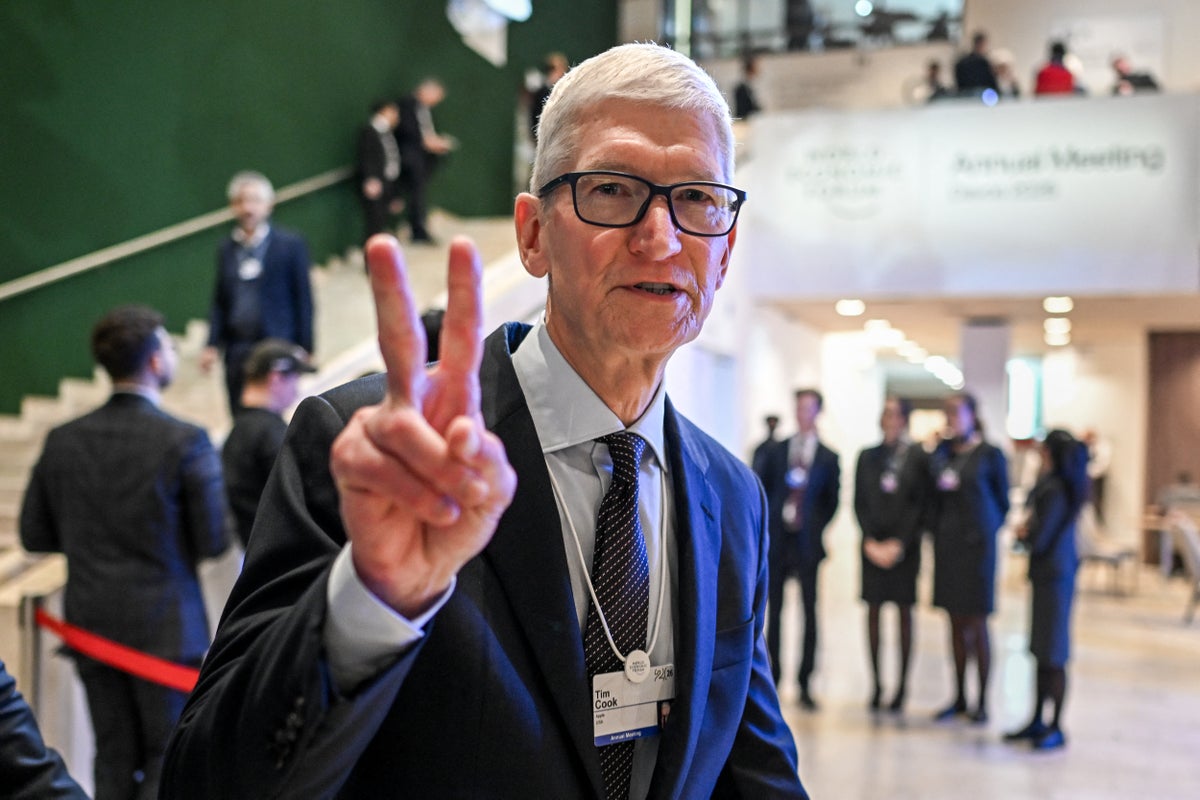
Longtime Apple CEO Tim Cook is stepping down after 15 years leading the company through the Covid-19 pandemic, the US-China trade war, and two Trump presidencies.
In a press release Monday, Apple — which just celebrated its 50th birthday — said the 65-year-old would step down on September 1 as part of “thoughtful, long-term succession planning process”, staying on as executive chairman of Apple’s board.
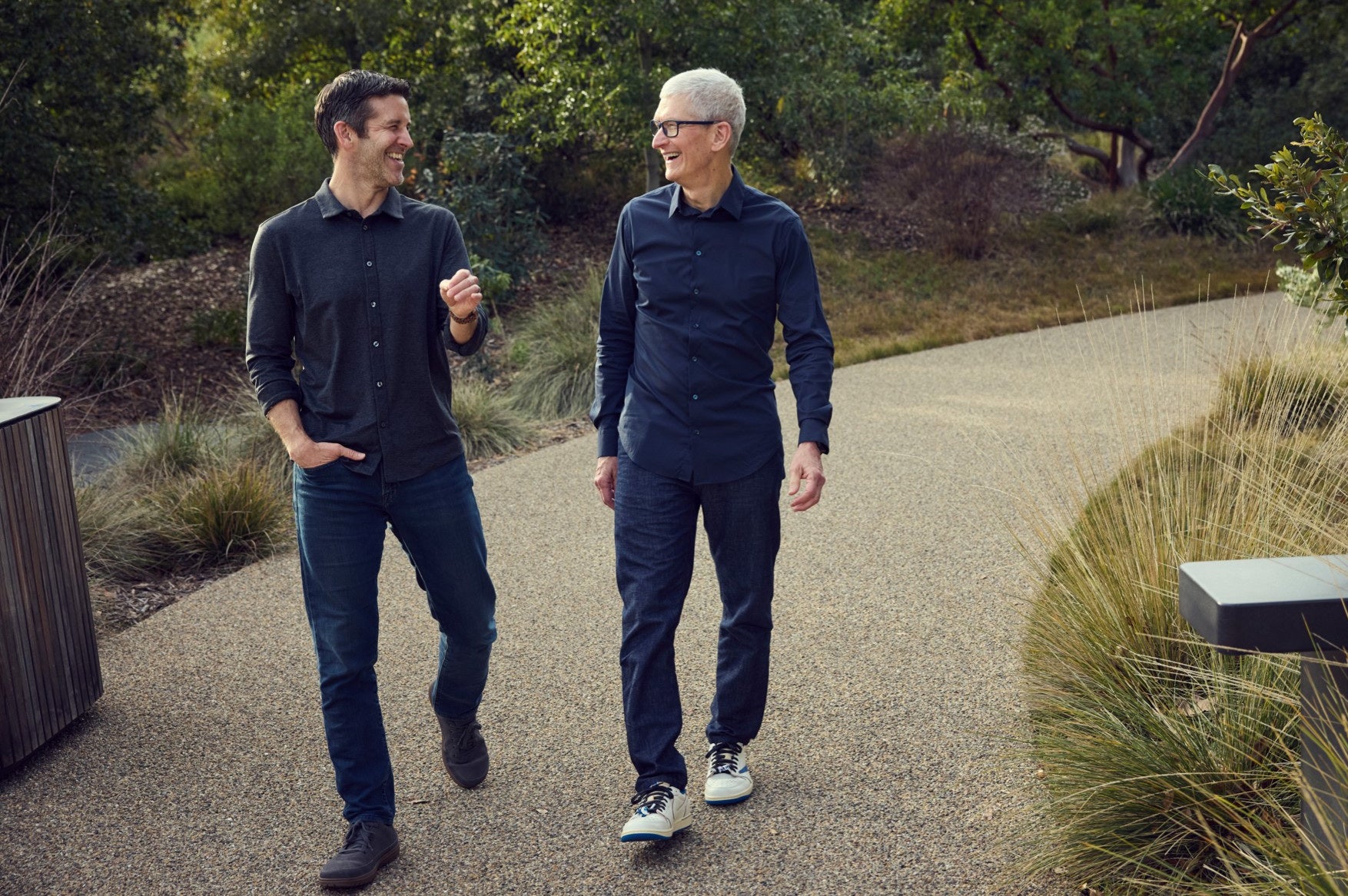
His replacement will be senior vice president of hardware engineering John Ternus, who is relatively unknown outside Silicon Valley but has long been tipped by insiders as a likely successor.
Apple shares dipped a little in after-hours trading following the announcement, dropping by as much as 1 percent.
“It has been the greatest privilege of my life to be the CEO of Apple, and to have been trusted to lead such an extraordinary company,” said Cook.

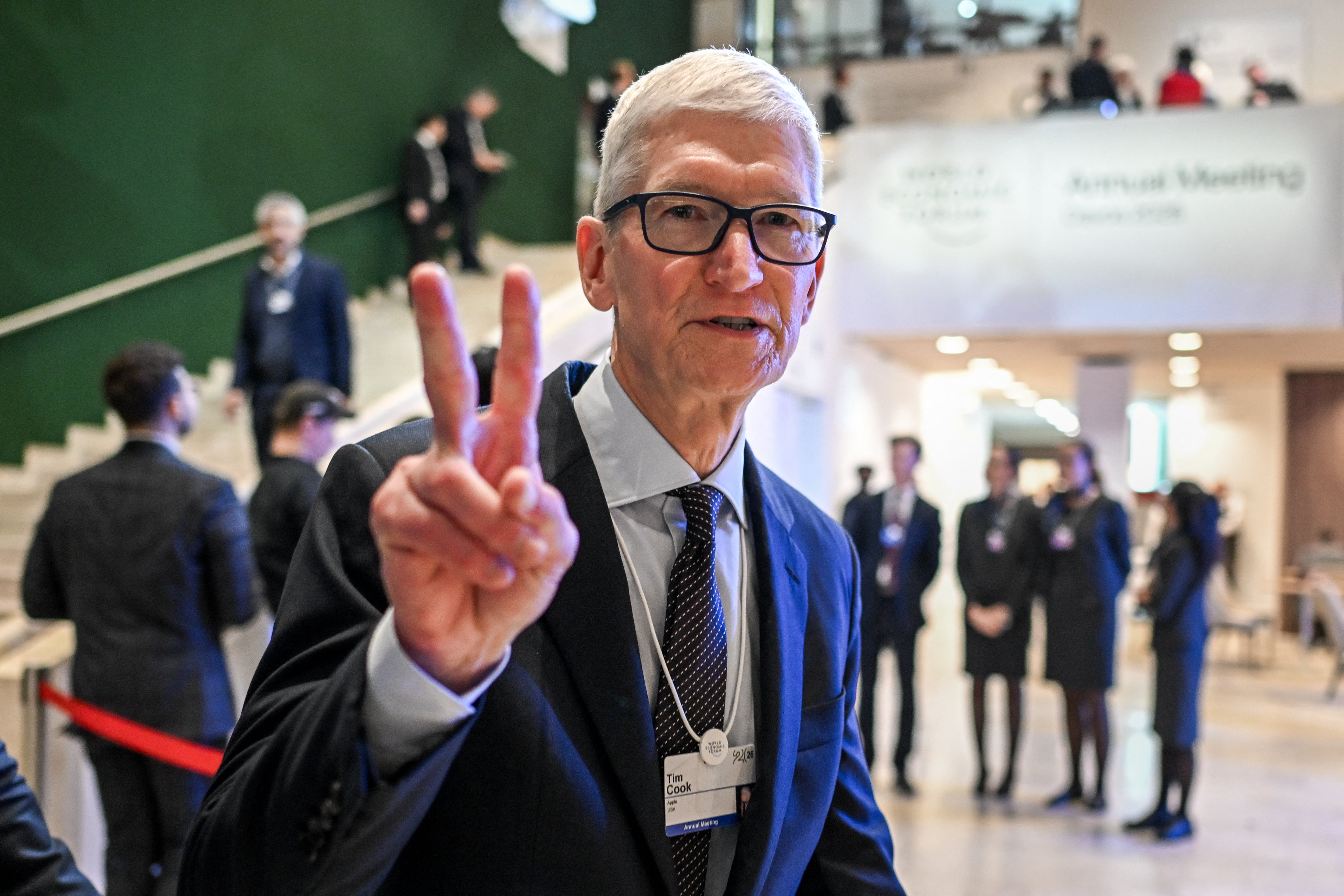
“I love Apple with all of my being, and I am so grateful to have had the opportunity to work with a team of such ingenious, innovative, creative, and deeply caring people who have been unwavering in their dedication to enriching the lives of our customers and creating the best products and services in the world.”
He described Ternus as “a visionary” with “the mind of an engineer, the soul of an innovator, and the heart to lead with integrity and with honor.”
Ternus himself said he was “profoundly grateful” for the opportunity and thanked both Steve Jobs and Tim Cook for mentoring him throughout his 25-year career at Apple.
“I am humbled to step into this role, and I promise to lead with the values and vision that have come to define this special place for half a century,” he said.

Tim Cook: From loyal lieutenant to smartphone king
Cook had enormous shoes to fill when he assumed leadership of Apple at the age of 51 on August 24, 2011, just six weeks before Steve Jobs’ death from pancreatic cancer.
Since being personally recruited to Apple by the visionary entrepreneur in 1998, he had been a loyal lieutenant who once even offered a portion of his own liver to help save Jobs’ life (Jobs angrily refused).

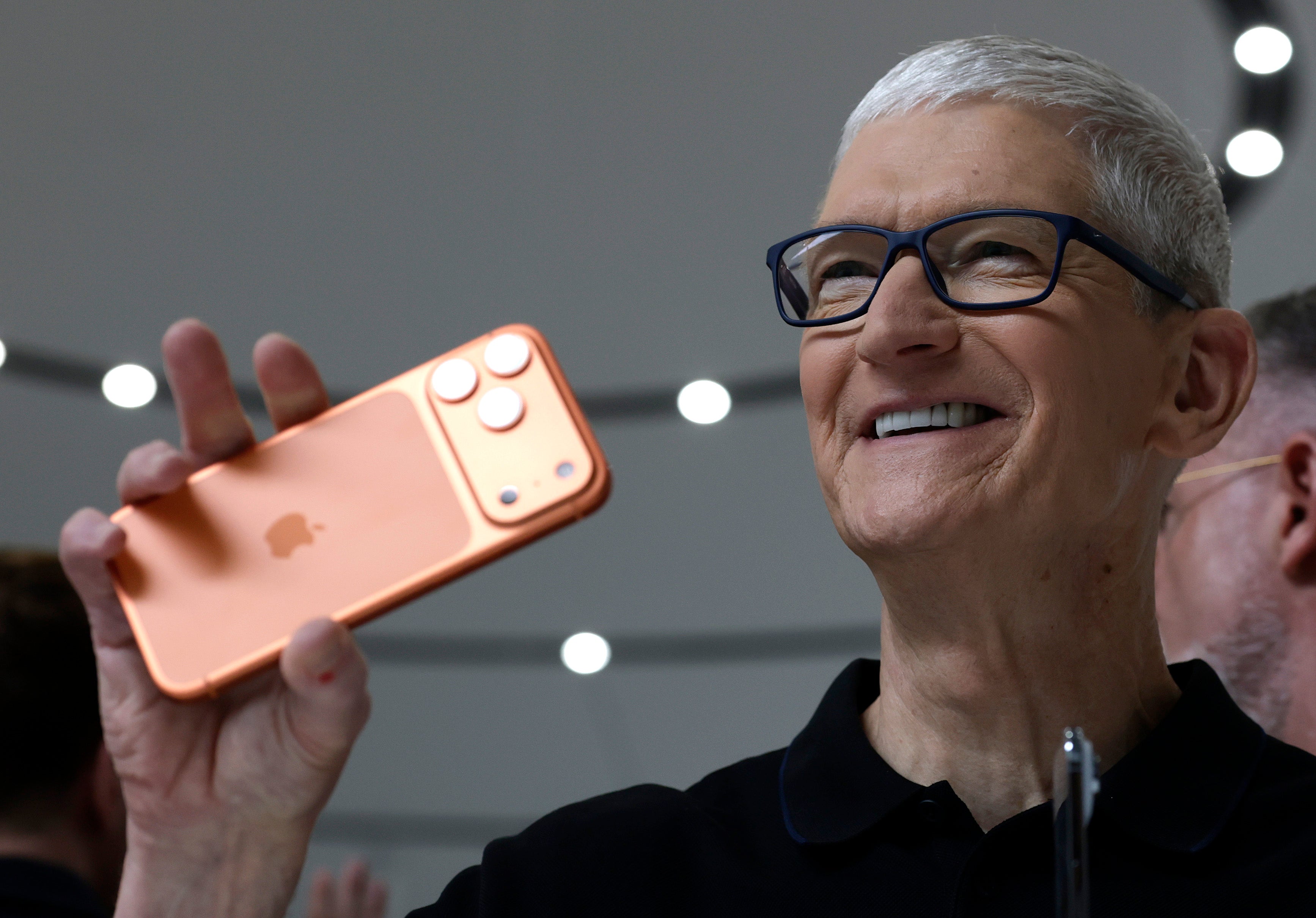
Cook’s canny hardware deals and cost reductions laid the groundwork for Apple’s dramatic return from near-bankruptcy to king of the smartphone market.
But throughout his tenure, critics have questioned whether he could continue Apple’s run of transformative innovations such as the iPhone and iPad, rather than merely keeping the ship upright.
Indeed, no Apple product since the iPhone has been anywhere near as revolutionary. Under Cook, the company has largely continued to sell upgraded versions of its old products (plus Apple Watches, Airtags, and other accessories).
But his focus on building out services such as iCloud and Apple TV, and on dominating the mobile app economy through control of the iPhone’s App Store, have helped make the company a global behemoth with a once-unimaginable market value of $4 trn.
In 2014 Cook also made history as the first CEO of any Fortune 500 to publicly come out as gay, saying he considered it “among the greatest gifts God has given me.”


John Ternus is a hardware guru
Ternus, now 51, joined Apple in 2001 after working at a company that built virtual reality headsets. He’d studied engineering at the University of Pennsylvania, where he was a chmpaion swimmer.
He helped launch the original iPad and AirPods, as well as multiple generations of iPhones, Macs, and Apple Watches, with a focus on reliability, durability, and reducing carbon emissions.


He also played a major role in Apple’s transition from Intel processor chips to its own Apple Silicon range, which has proven extremely capable for home AI workloads and made Mac Minis wildly popular among AI hobbyists and entrepreneurs.
Now he must face the same challenges Cook has struggled with. Despite making one of the world’s most famous virtual assistants, Siri, Apple is barely even a contender in the AI race and must figure out how to capitalize on the boom (or survive a bust).
It also needs to maintain its extensive Chinese supply chain — something that forced Tim Cook to grit his teeth and play nice with Trump, despite their previous disputes and the Republican Party’s anti-LGBT+ pivot in recent years.