Violence targeting the United States government has soared to a 30-year high, driven by attacks from the Left for the first time in decades, according to new analysis.
The Center for Strategic and International Studies (CSIS) identified 20 domestic attacks and plots last year, of which 10 it categorised as originating from the far Left, while eight it said came from the extreme Right.
Attacks from across the political spectrum have steadily increased in number since the late 2010s, but more than doubled last year, led by violence against immigration officers or facilities in response to the Trump administration’s crackdown, the Wall Street Journal reports.
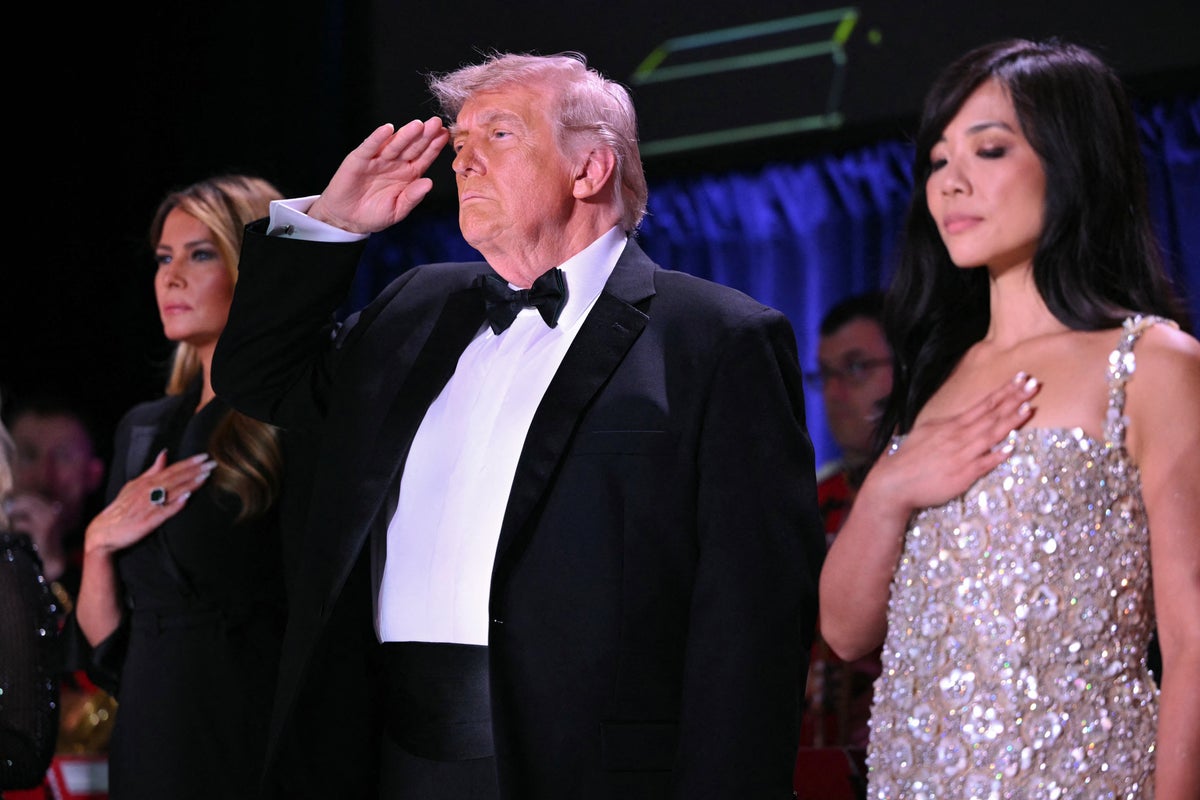
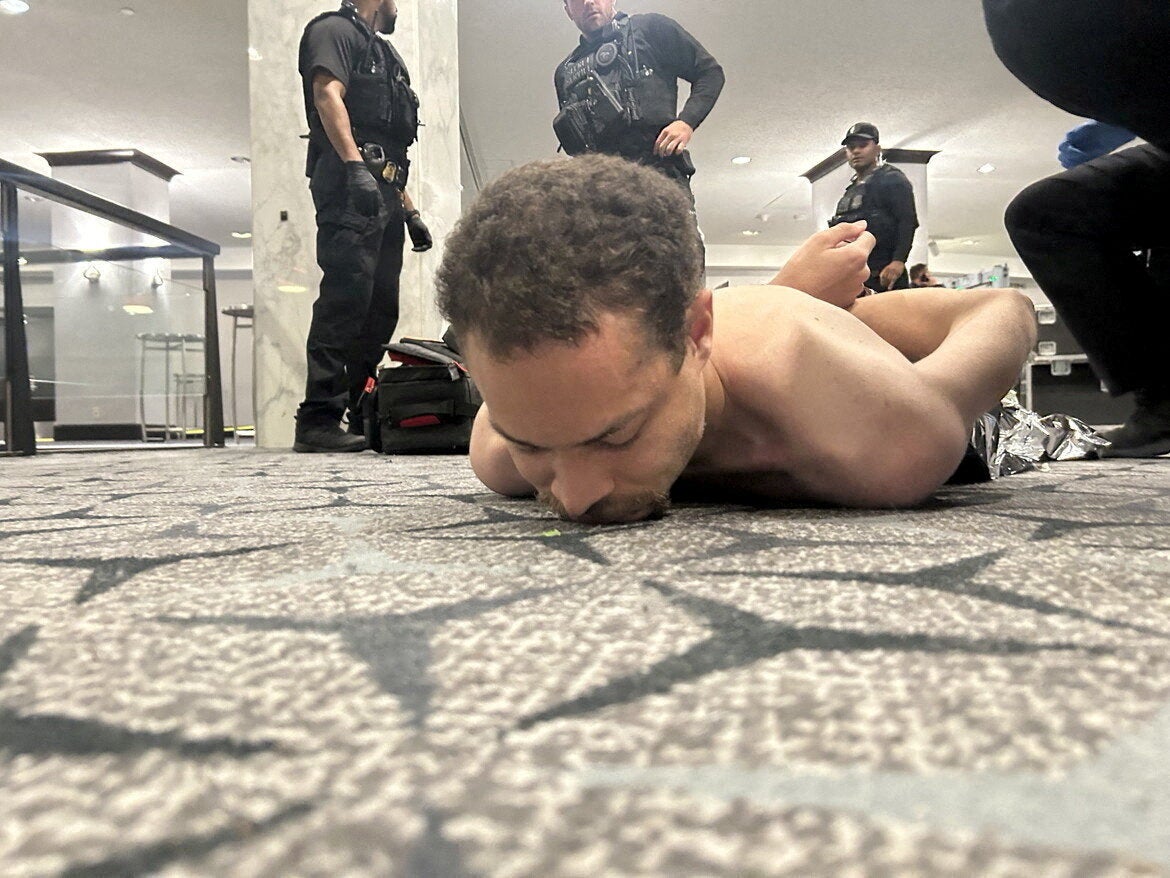
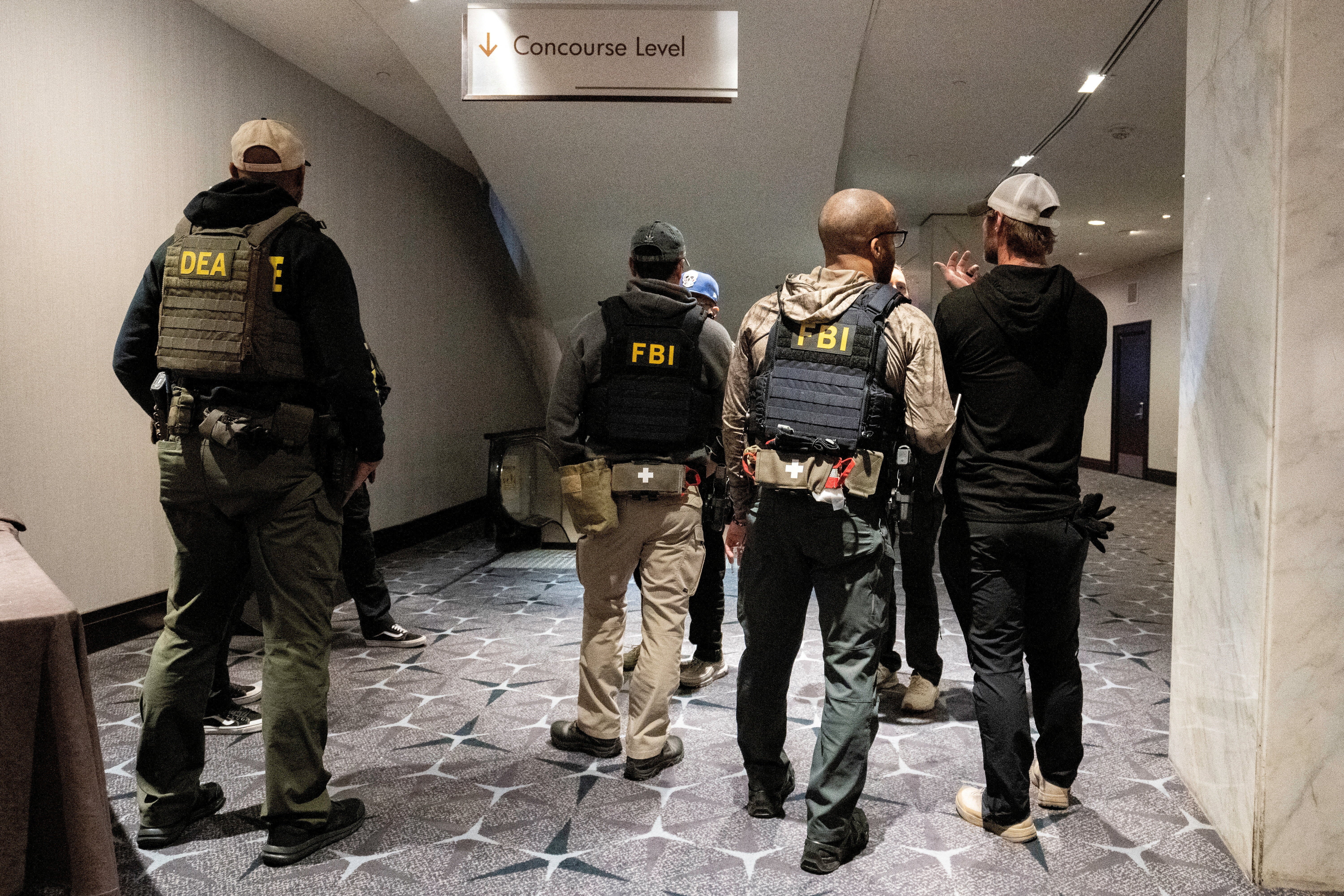
The findings come as the administration is still reeling from a shooting at a Washington dinner attended by Donald Trump and multiple senior administration officials Saturday.

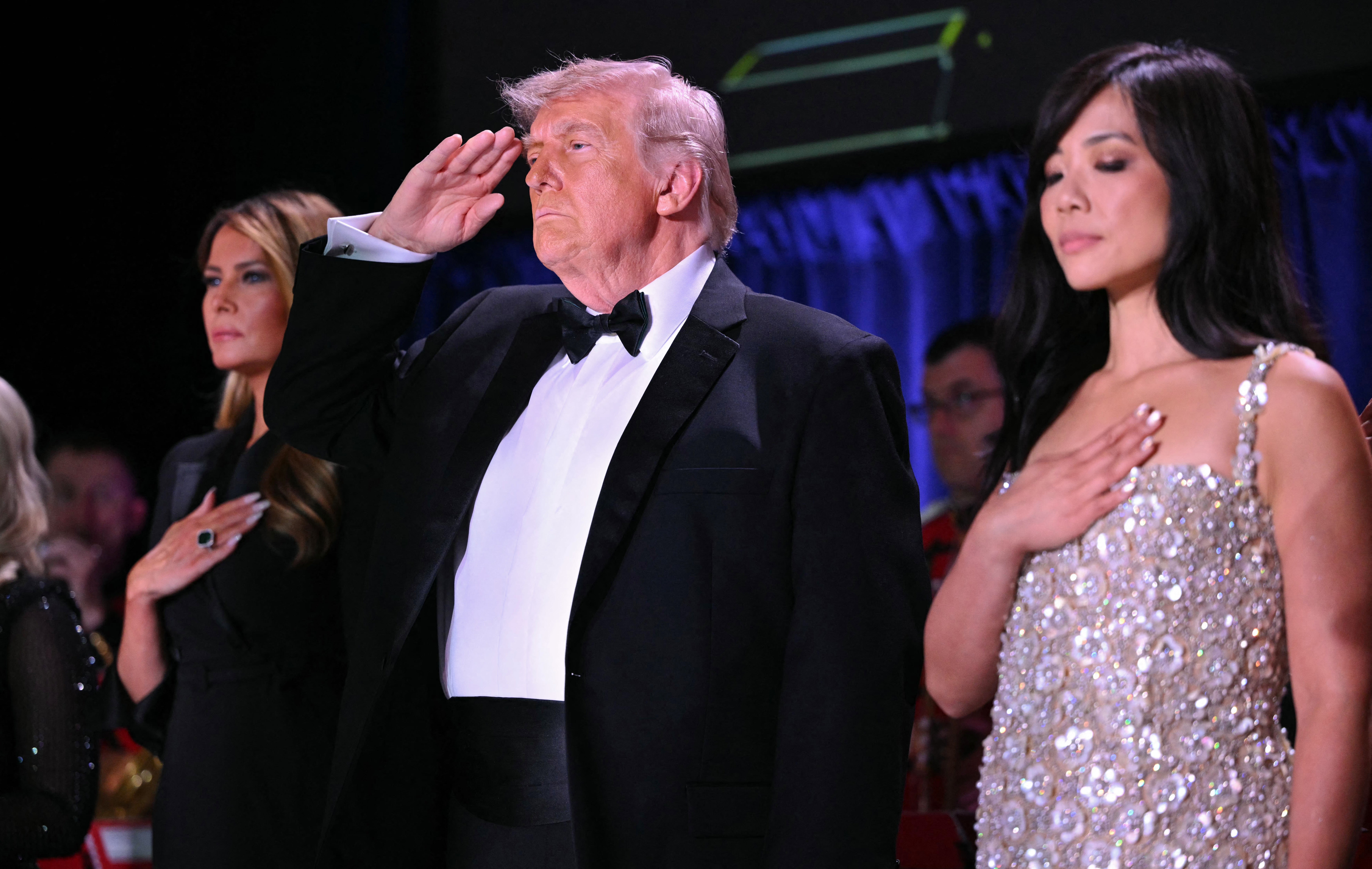
Trump said Monday that political violence had “always been there”, but accused the Democratic Party of stoking tensions with what he called “dangerous” hate speech.
“Well, you know, you go back 20 years, 40 years, 100 years, 200 years, 500 years, it’s always been there,” Trump mused. “People are assassinated. People are injured.
“People are hurt. And I’m not sure that it’s any more now than there was,” he continued. “I do think that the hate speech of the Democrats much more so is very dangerous. “
Last year saw the highest frequency of acts of political violence on record, dating back to 1994. The 20 incidents recorded in 2025 eclipsed the next most violent year, 2024, which saw 10 attacks or plots.
Trump has been at the centre of multiple security incidents in recent years, including an assassination attempt at a campaign rally in Butler, Pennsylvania, in July 2024 and a separate attempt months later in West Palm Beach, Florida.
That year, as Trump eyed a return to office, the U.S. government also brought charges against a man in connection with an alleged Iranian plot to assassinate him before the election.

The CSIS analysis found that political violence on both sides has increased. Democratic state lawmaker Melissa Hortman and her husband were shot by a man disguised as a police officer last June. Three people were killed last year in attacks from the extreme Right, while one died after an attack deemed extreme Left, according to the CSIS.
The data includes attacks on officials and facilities linked to the government. Attacks in response to the administration’s immigration crackdown in part explain the explosion in reports of political violence last year.
The CSIS classifies attacks as being of the Left or Right based on court documents and contemporaneous reporting, the WSJ reports.
Incidents were notably lower in 2021 as president Joe Biden took office, but jumped back to eight occurrences in 2022, tied with 1995 for the third most violent year on record.
After the correspondents’ dinner shooting, lawmakers on both sides of the aisle condemned the rise in political violence.

Former president Barack Obama wrote: “It’s incumbent upon all us to reject the idea that violence has any place in our democracy. It’s also a sobering reminder of the courage and sacrifice that U.S. Secret Service Agents show every day. I’m grateful to them – and thankful that the agent who was shot is going to be okay.”
“Political violence is absolutely unacceptable,” New York City Mayor Zohran Mamdani wrote. “I am glad the President and guests at the White House Correspondents’ Dinner are safe.”
Similar calls were made following the killing of right-wing activist Charlie Kirk at a college event in Utah last year.
At the time former FBI agent Katherine Schweit, author of Stop the Killing: How to End the Mass Shooting Crisis and How to Talk About Guns With Anyone, told The Independent the country was facing a growing crisis.
She described the U.S. as entering a moment akin to the late 1960s and early 1970s, a period of political instability and assassinations of prominent leaders that showed how “political violence begets more political violence.”
“We lost two Kennedys, Malcolm X and Martin Luther King, in a very short number of years,” she told The Independent. “And I think that temperament, that appetite for political violence after the assassinations in the ’60s and ’70s waned because people saw that violence just causes more violence, and they began to move towards what we need, of course, which is peaceful discord, because that is the foundation of our democracy.”