
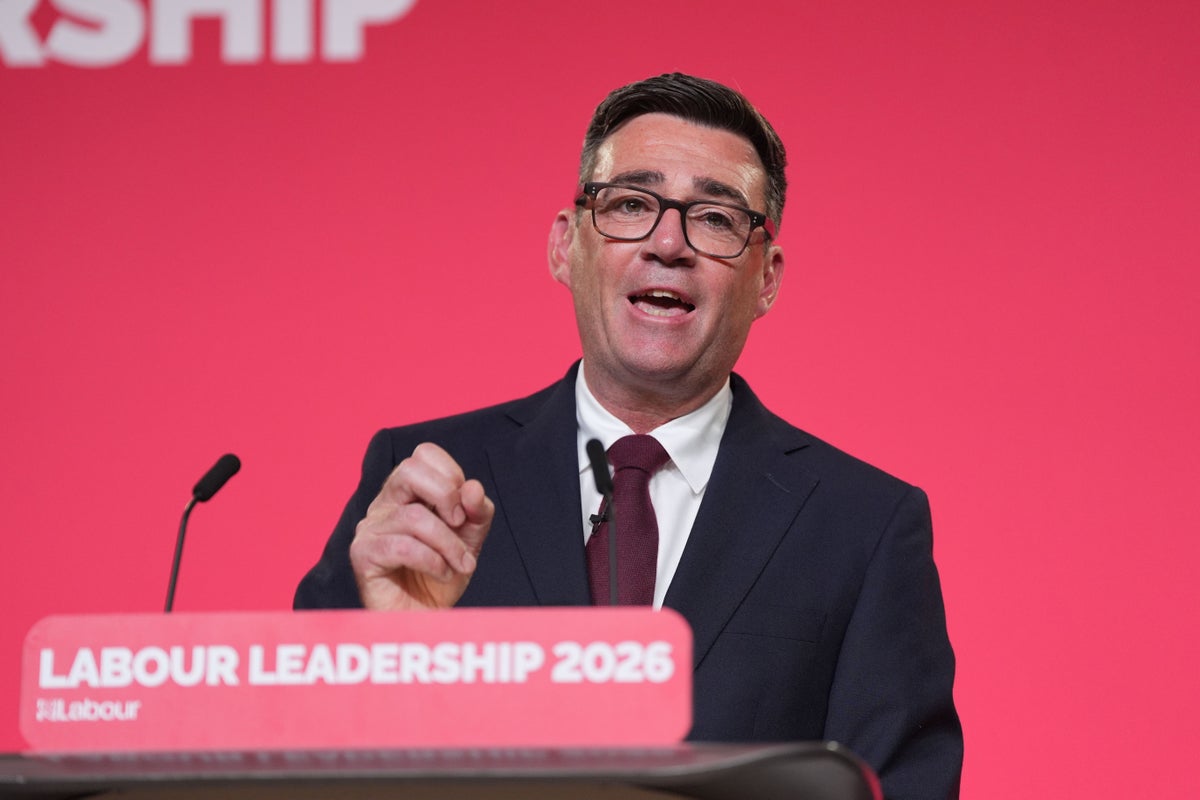
Andy Burnham was unveiled as Labour’s new leader on Friday, pledging to offer “hope” and “change” – but with a warning to his party that “this is our last chance to change”.
Declaring that he was “ready to lead”, he called for unity in the party, which has been plagued by factionalism under Sir Keir Starmer, to fight “the new right in British politics”.
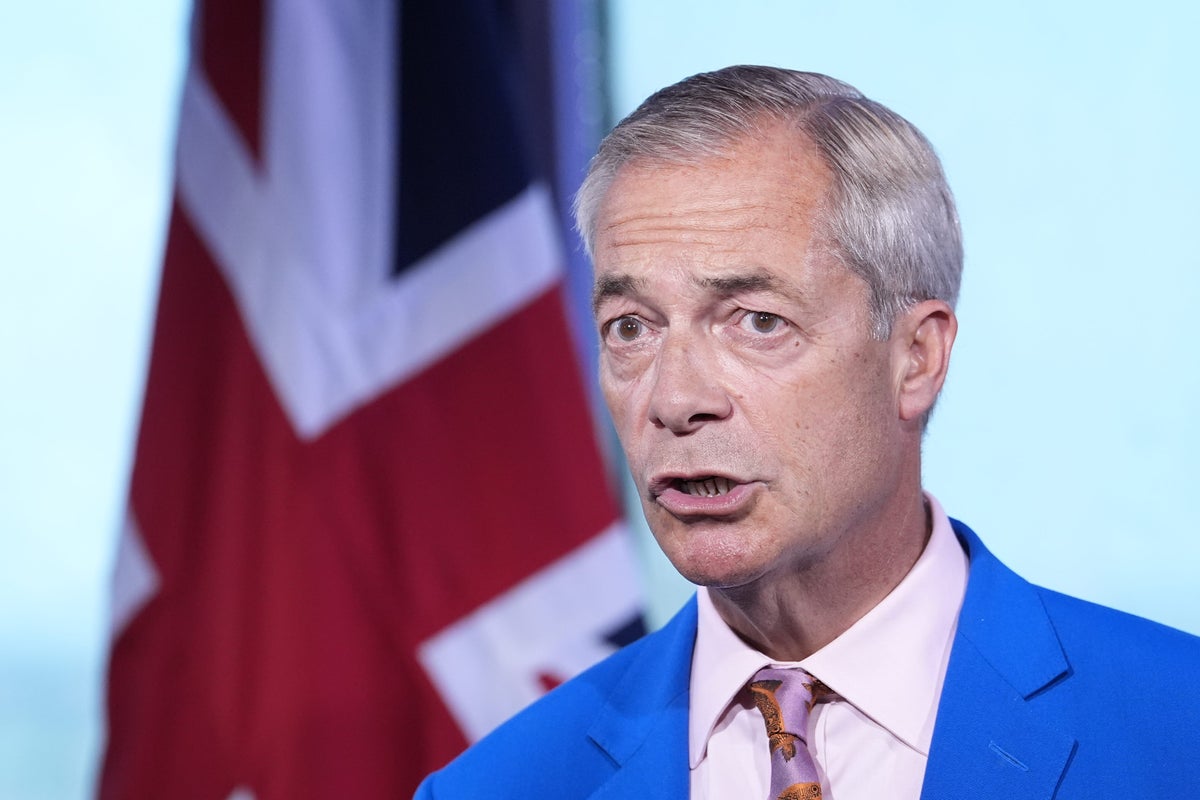
After concerns about the way Labour has tried to chase Nigel Farage’s policies on immigration, he vowed to be “distinctively Labour” in the way he governs and insisted “we won’t try to out-Green the Greens, or out-Reform Reform, or doing what we’ve done in the past, wearing too many Tory clothes”.
In an acceptance speech which lasted almost 40 minutes, he assured supporters: “I have a plan.” But beyond five pledges about his style of leadership, he offered little detail on what that plan was, beyond promising to rewrite the economic consensus of the last 40 years and devolve more power to communities.
In an extraordinary admission, he confessed that he has still not decided who will hold the top ministerial positions in his government, just three days before he is confirmed as the new prime minister – the seventh in a decade. He later confirmed he would announce his cabinet on Monday, insisting that revealing his top team before he enters No 10 would cause “complete chaos”.
The former mayor of Greater Manchester succeeded Sir Keir as Labour leader at a special conference in London after he was the only candidate to receive enough nominations, securing the backing of 379 MPs and all the trade unions.
With a sense of optimism in the room, Mr Burnham described his uncontested election as “the most significant change moment in our politics for 40 years”.

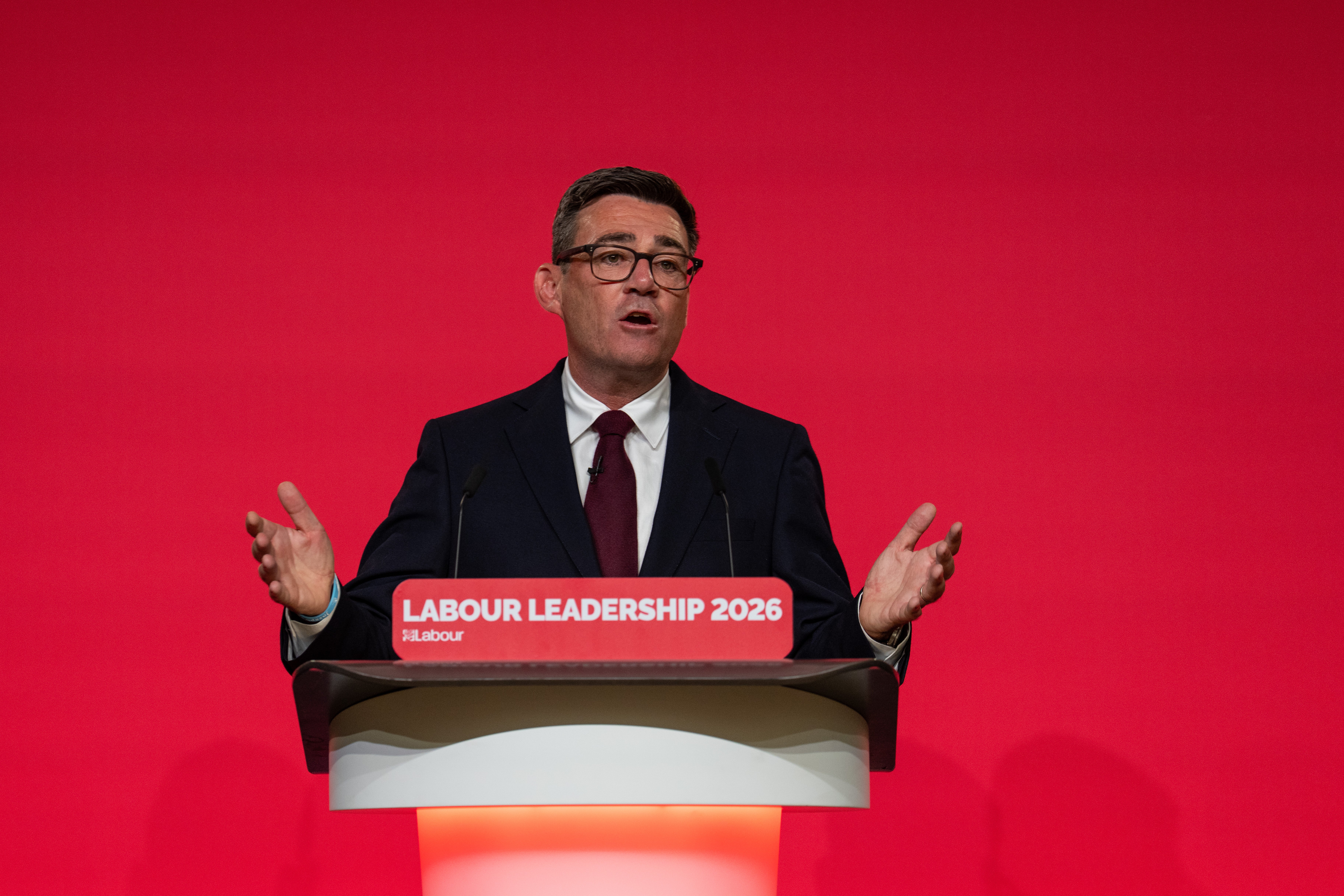
But as Reform still leads in the polls, he was clear that Labour still has a long way to go and warned that the greatest enemy was factionalism and infighting.
He said: “When we are united and we put the power that comes from that unity at the service of people and places who have been waiting too long for politics to let them hope again.
“That’s what we are going to do everybody. We are going to give them hope back.”
Mr Burnham was elected in the northwest constituency of Makerfield just a month ago, where he successfully saw off the threat of Reform and came out victorious with 55 per cent of the vote.
He has vowed to apply the “Makerfield test” to his policies going forward to make sure the government always considers those communities so often left behind in the UK.
Referring to his constituents in his speech, he gave his party a warning. “They gave us a fair hearing, as the great British public always do, and then another chance,” he said.
“But let’s be honest, everybody, this is a last chance to change, and we must take it together, united together.”

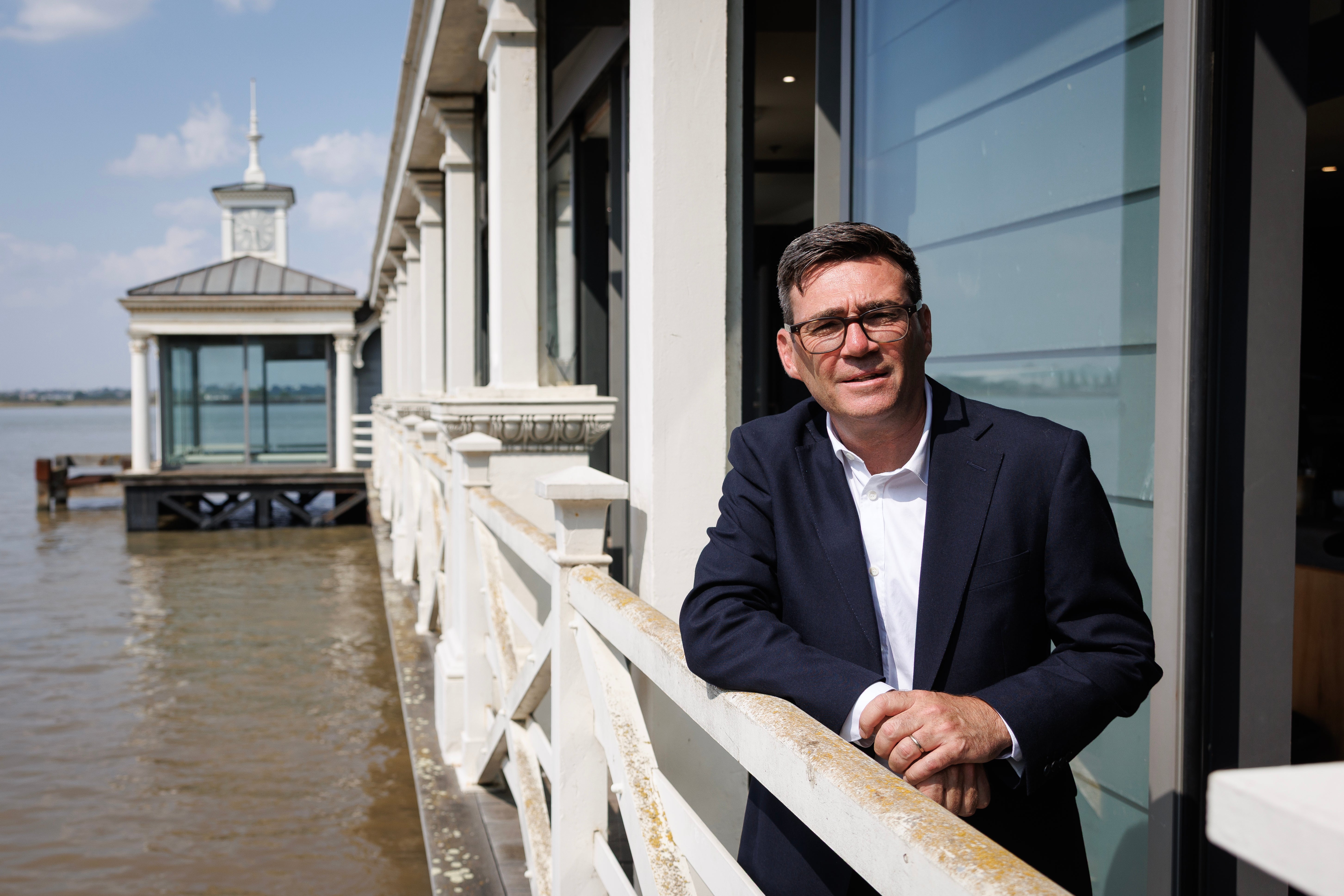
While praising Sir Keir for putting Labour “back in a position to change people’s lives” in winning the 2024 general election, Mr Burnham suggested he had left the country in a state which “does not work for working-class communities”.
Forgotten places up and down this country were calling “for a return of the Labour they once knew”, Mr Burnham said, adding: “We will be that version of Labour again.”
He also attacked the party’s “wrong turns in the 1980s where power was centralised and economic power was privatised” and pledged to devolve power away from Westminster to give people “more power over life’s essentials”.
Asking Labour to remember its history, he noted that it was their communities hurt most under the Thatcher era, many of which were now looking to Reform to deliver change.
“Political power was used viciously against them to protect vested interests. Economic power, cruelly stripped with the deindustrialisation of the 1980s, as it was against so many places up and down the land, and let us never forget: these are the very same places that built this labour movement, this trade union movement, where we are today. “

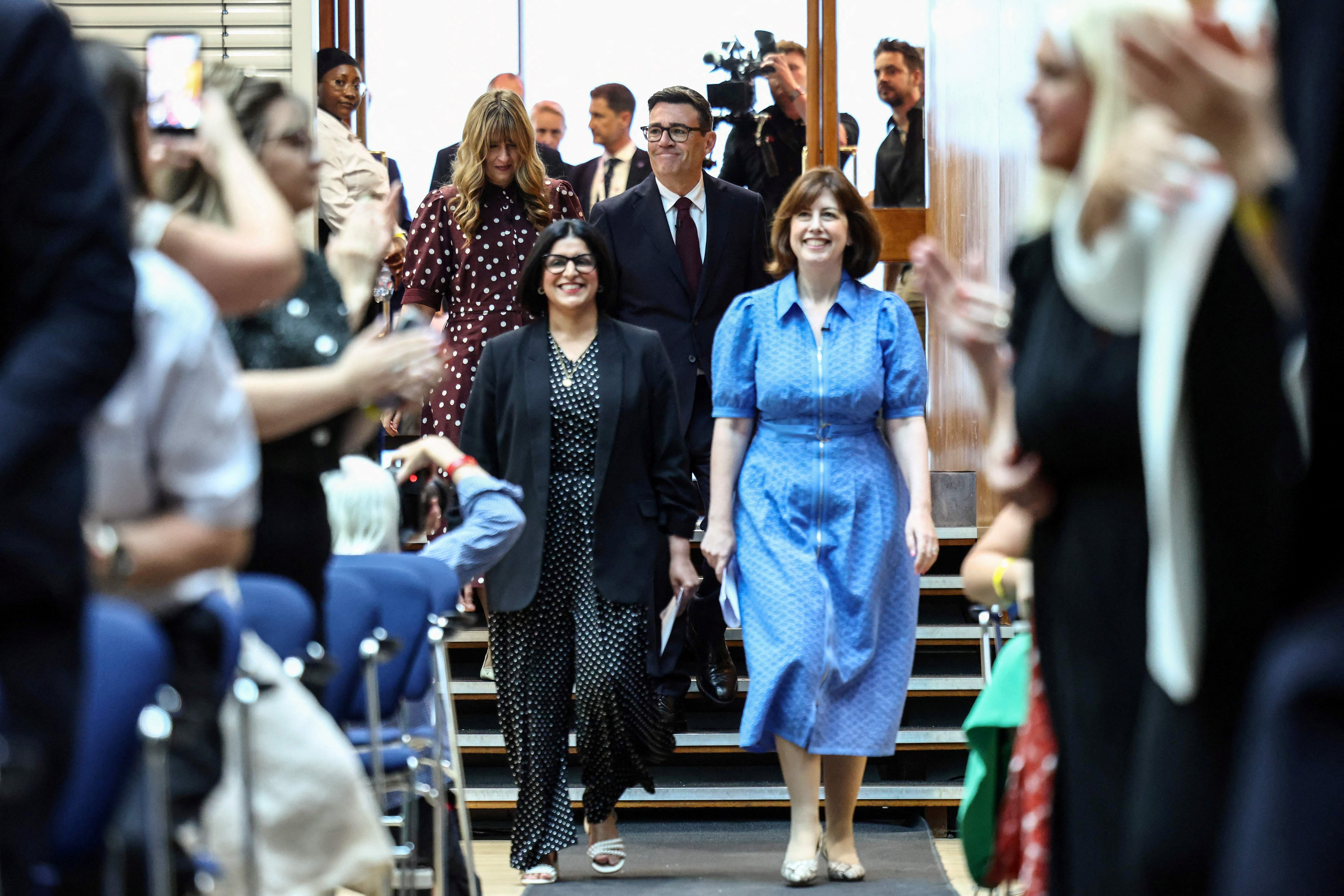
The event was not attended by the outgoing PM or most of his cabinet, many of whom may lose their jobs. Also absent were former prime ministers Sir Tony Blair and Gordon Brown, neither of whom got a mention in Mr Burnham’s speech, as he repudiated the economic legacy they adopted from Margaret Thatcher.
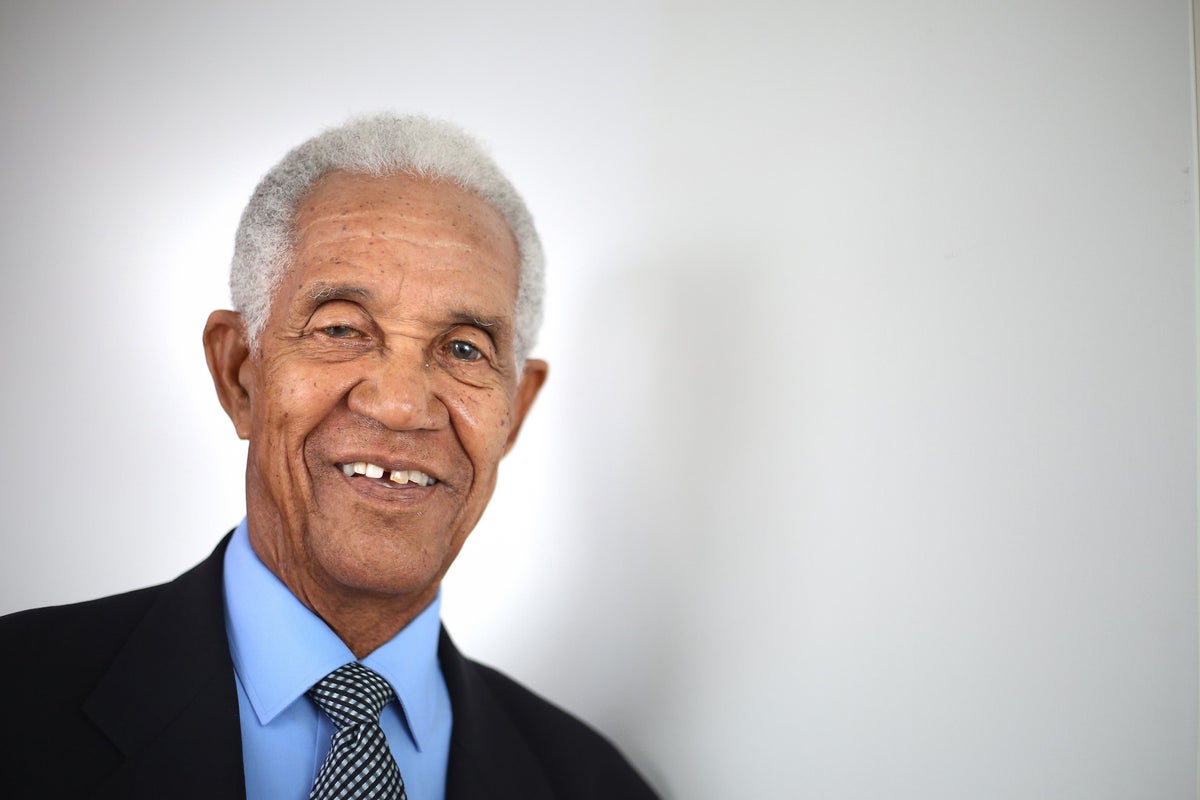
He did thank three veterans – former home secretary David Blunkett, who gave him his first job in the ministerial ranks; former deputy leader Margaret Beckett and former leader Neil Kinnock, who he said inspired him to join the Labour Party.
But while praising aspects of Sir Keir’s legacy, especially with the passing of the Hillsborough Law to end cover-ups in the public sector, Mr Burnham made some barbed remarks about how he will be different.
Notably, he said that unlike Sir Keir he would be keeping his football season ticket, where he will continue sitting with the fans, after the former PM ran into controversy for accepting a director’s box at Arsenal for “security reasons”.
But more importantly, Mr Burnham promised an end to factionalism and “punishing members who have principled views that may be different from mine” – a reference to the Labour MPs suspended over policy disagreements on benefits changes and jury trial reforms.
He said he wants to build unity by “respecting all shades of opinion” and said his cabinet would have a broad range of views.