





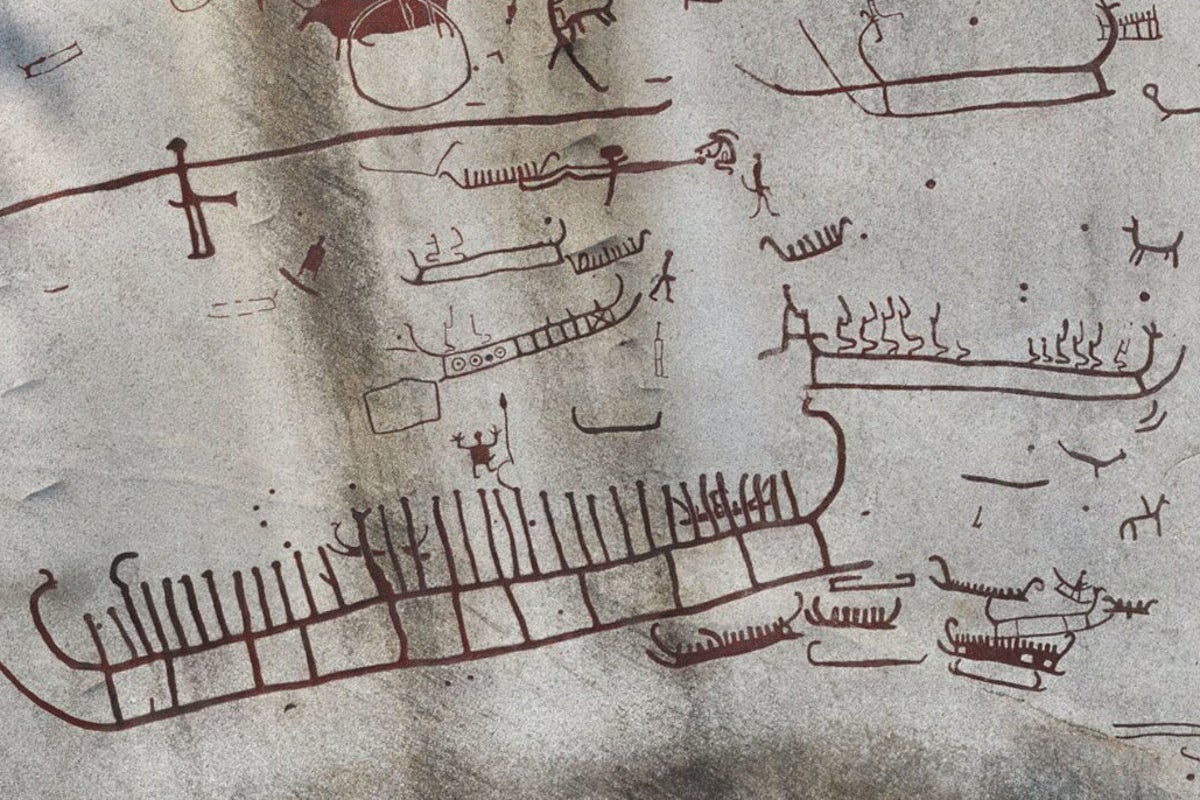
European communities were far more connected during the Bronze Age than previously thought, a new study of strange ancient rock carvings of boats across the continent reveals.
Carvings of boats on rocks dating to the Bronze Age were previously typically associated with Scandinavia, where they were the most prevalent signs, with over 20,000 depictions found to date.
But recent discoveries at rock art sites along the Atlantic coast of Iberia have forced a reconsideration of the implications of such carvings.
Rock carvings found in northern Portugal and southwest Galicia have also been found to feature similar boat motifs to Bronze Age Scandinavian boat depictions.
Based on these new findings, archaeologists now suspect there was long-distance metal exchange during the Bronze Age between Iberia, the Atlantic communities and Scandinavia.
“This rock art reflects both advancements in boat technology and the ritual and cosmological beliefs of maritime communities engaged in transregional exchange,” researchers wrote in the study published in the journal PLOS One.

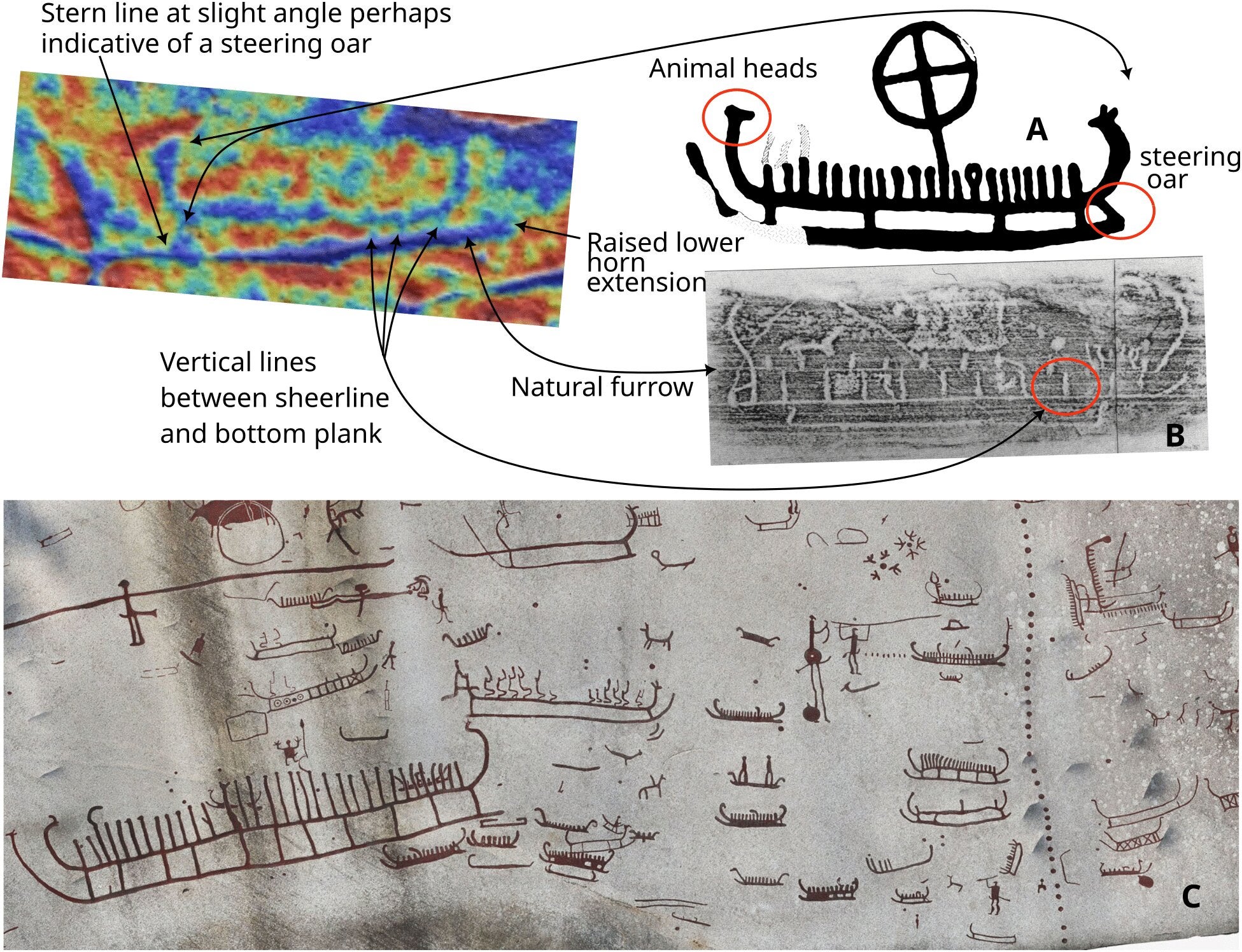
In the new study, scientists compared Iberian boat imagery across 12 sites in Northwest Iberia, including modern Spain and Portugal, with Scandinavian examples.
They conducted detailed 3D scans and models of the Iberian rock carvings to study the shapes and details more accurately.
Scientists also mapped where the carvings were located and analysed the surrounding areas – in particular, their proximity to coastlines, rivers and waterways.
Iberian boat rock art sites were also found mostly near a river or sea or positioned where water was visible, suggesting they were deliberately placed in maritime landscapes, according to the study.
The analysis helped date the Iberian carvings to some time between 1300BC and 800BC, which aligns them chronologically with known Scandinavian maritime technologies.
Carvings of boats in both regions were found to share distinct design features, including end-ship decorations like birds and s-shapes, as well as rigging, oars and sail-like shapes.
These similarities in vessel designs hint at ideas and technologies shared across Europe through maritime links and cultural connections, researchers suspect.
Boats may have also been more than just a means of transport, with symbolic importance linked to rituals and beliefs, they say.

-Tapada-do-Ozo-Valena.jpeg)
Regardless of whether the engravings were left by visiting foreign crews or local sailors adopting foreign naval technologies, coastal communities in Northwest Iberia were actively engaged with expansive, long-distance maritime networks, scientists say.
This could be evidence of sea travel at the time covering large distances, sharing cultural ideas across thousands of kilometres, they say.
Iberian rock art also had motifs like sun crosses near boats, similar to Nordic iconography, hinting at a shared focus on solar mythology, the study noted.


