The United States announced Wednesday that its citizens returning from the Democratic Republic of Congo must spend 21 days in a third country before entering the U.S., citing concerns over the region’s Ebola outbreak.
These restrictions, issued by the Centers for Disease Control and Prevention (CDC) in a July 14 website update, also apply to some travelers from Uganda and South Sudan. Other travelers from these nations will continue to undergo airport screening, as has been the practice in recent months.
The CDC stated that exceptions could be granted on a case-by-case basis for humanitarian or law-enforcement reasons.
Reuters first reported the new policy on Tuesday, noting the administration was blocking Americans in Congo from boarding U.S.-bound commercial flights.
Dr. Daniel Jernigan, a former senior CDC official who led the agency’s response during the 2014-2015 Ebola outbreak in West Africa, said on Tuesday that using a “do-not-board” policy to prevent U.S. citizens from returning home when they have little risk of Ebola infection is unprecedented.
“This change in policy risks shifting medical and public-health responsibility to third countries, it may encourage travelers to conceal itineraries or exposures, and it will make recruitment of American outbreak responders more difficult.”
The CDC and other federal agencies had already issued an order this spring that prevented non-citizens, including those with extended legal status, from entering the U.S. directly from those three countries and required the same 21-day stay in another country.
Americans had been allowed to enter at select airports, where they were screened by officials on travel history, temperature and symptoms.
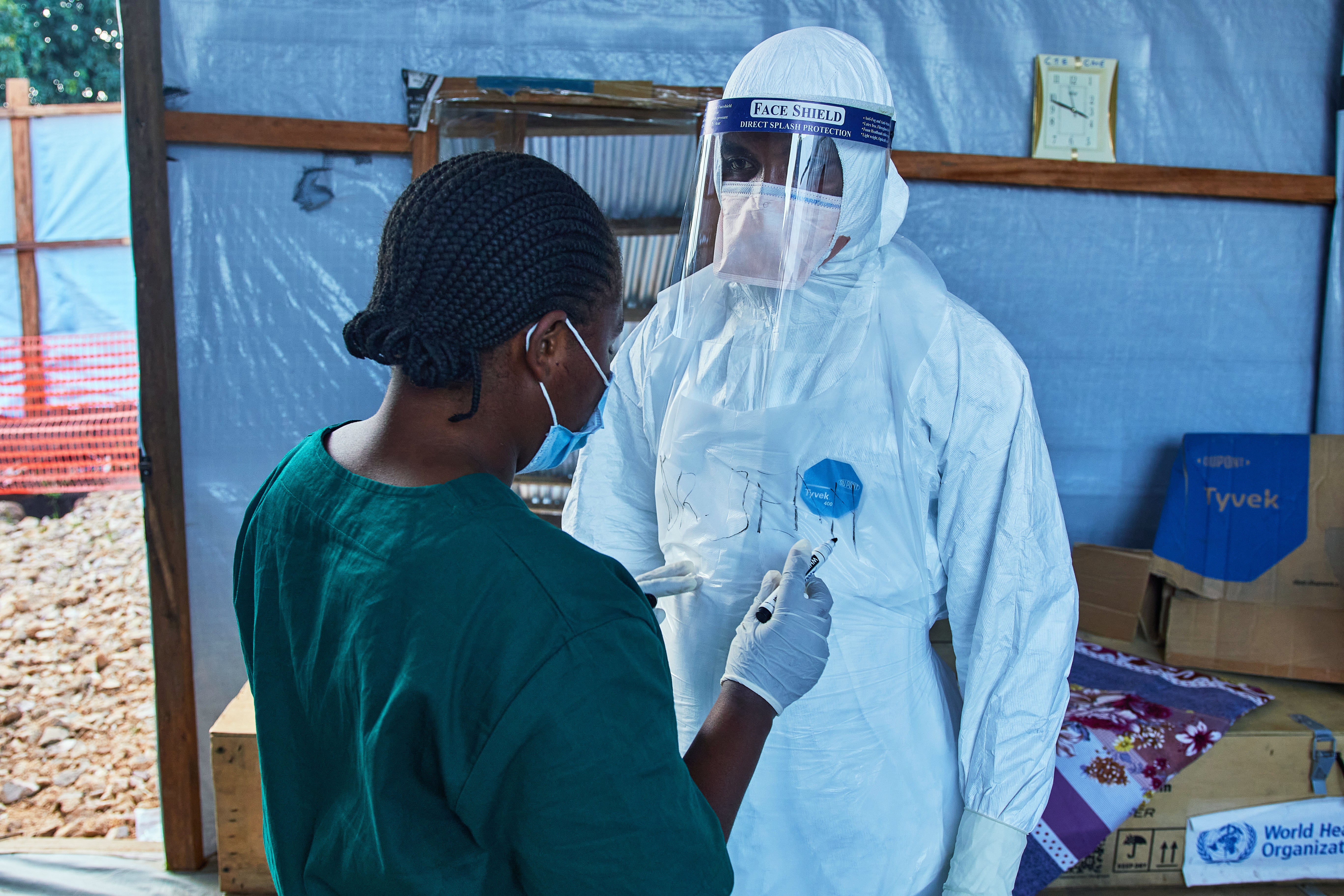
The outbreak in Congo has resulted in more than 1,900 confirmed Ebola cases and over 700 deaths, according to official data, with all cases linked to the Bundibugyo strain.
No cases linked to the outbreak have been confirmed in the United States, and the risk to the American public and travelers remains low, according to the CDC.