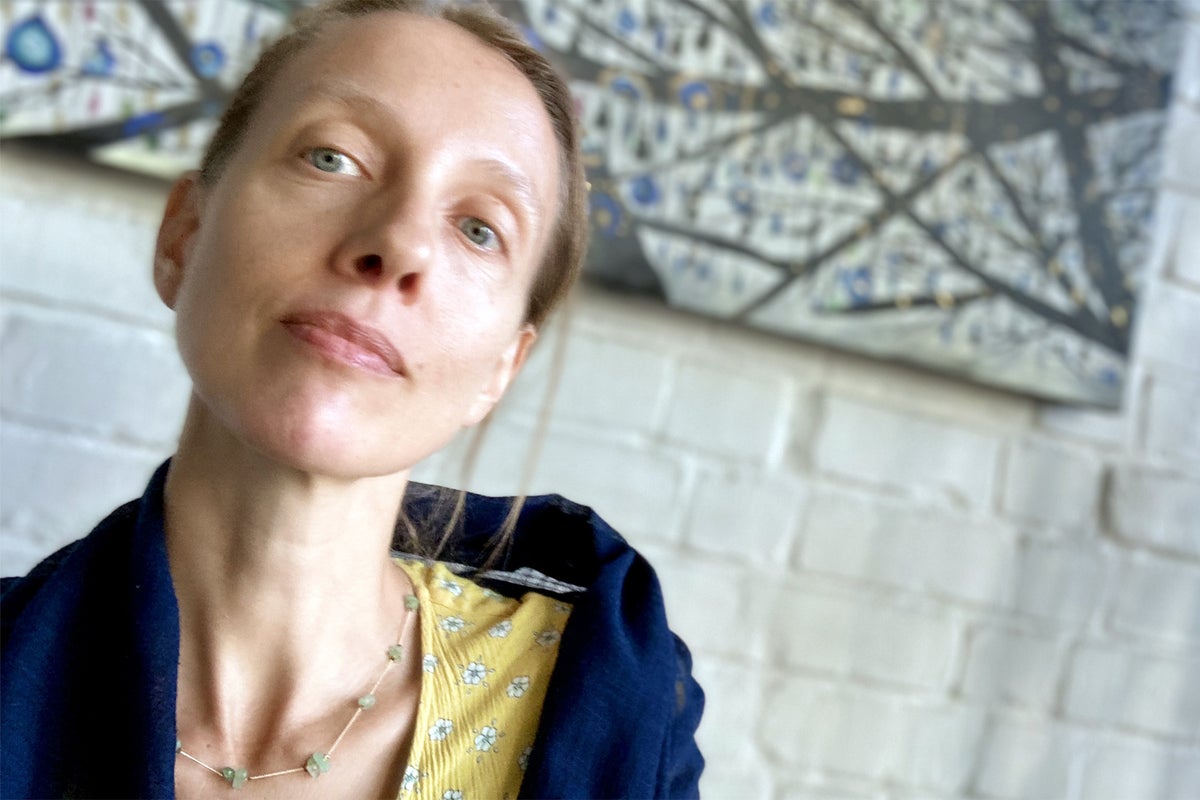
American journalist Shelly Kittleson was warned of threats against her in the days leading up to her kidnapping in Iraq’s capital of Baghdad, US and Iraqi officials have revealed.
Kittleson, a freelancer, was taken from a street in the capital on Tuesday, having worked as a reporter in Iraq and Syria for years.
An urgent search was launched and her disappearance has sparked international concern about her welfare.
US officials were warned of a kidnapping threat against Kittleson by Iran-affiliated militias, according to one Iraqi intelligence official who spoke to the Associated Press on condition of anonymity.
In a post on X on Tuesday, Dylan Johnson, US assistant secretary of state for public affairs, said that the “State Department previously fulfilled our duty to warn this individual of threats against them.”

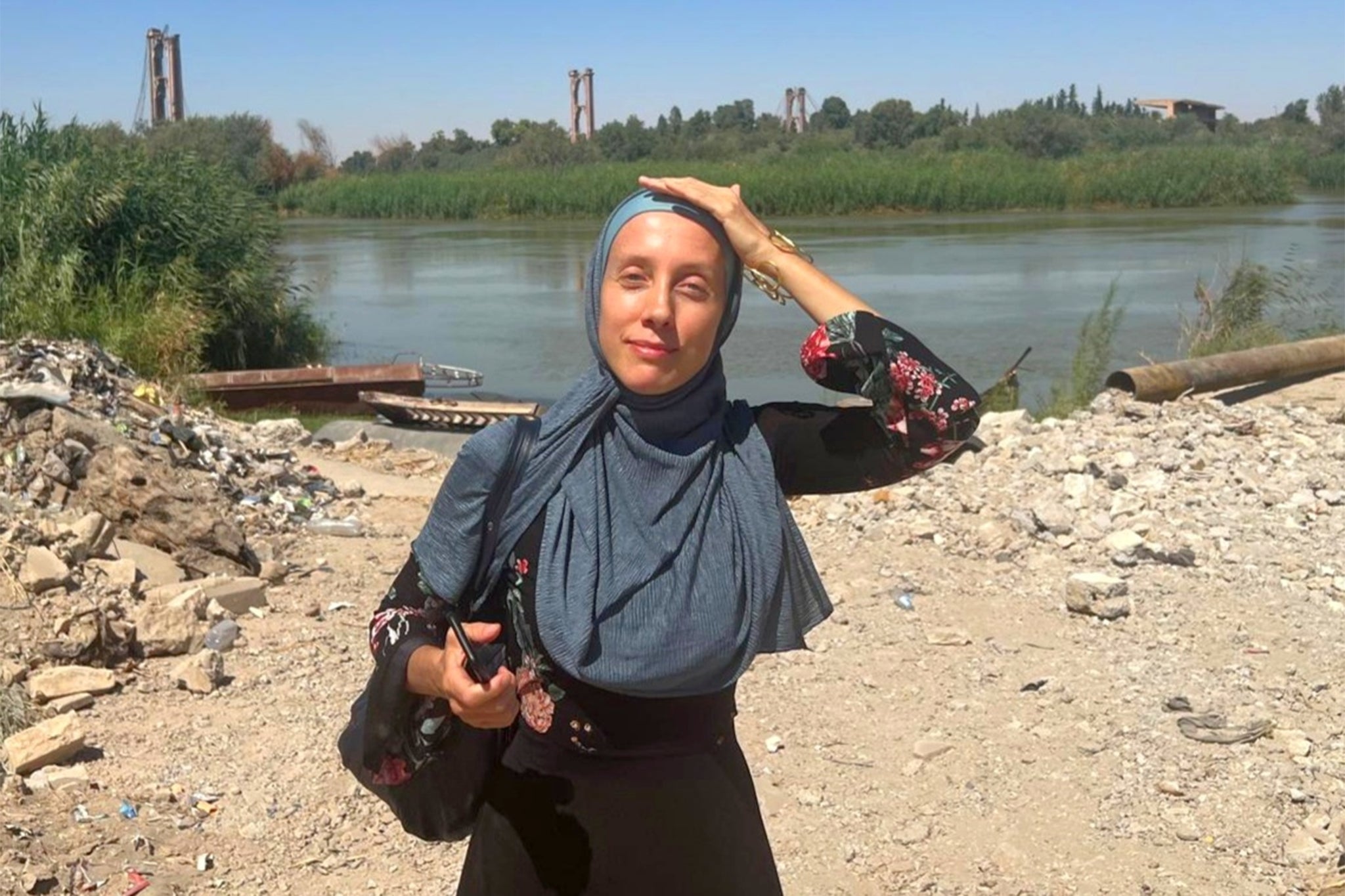
“She was contacted multiple times with warnings of the threats against her,” including as late as the night before the kidnapping, added a US official not authorised to comment publicly.
American officials believe the freelancer was taken by Kataib Hezbollah, an Iraqi militia affiliated with Iran that has been implicated in previous kidnappings of foreign citizens.
The group has not claimed the kidnapping and the Iraqi government has not publicly said anything about the kidnappers’ affiliation.
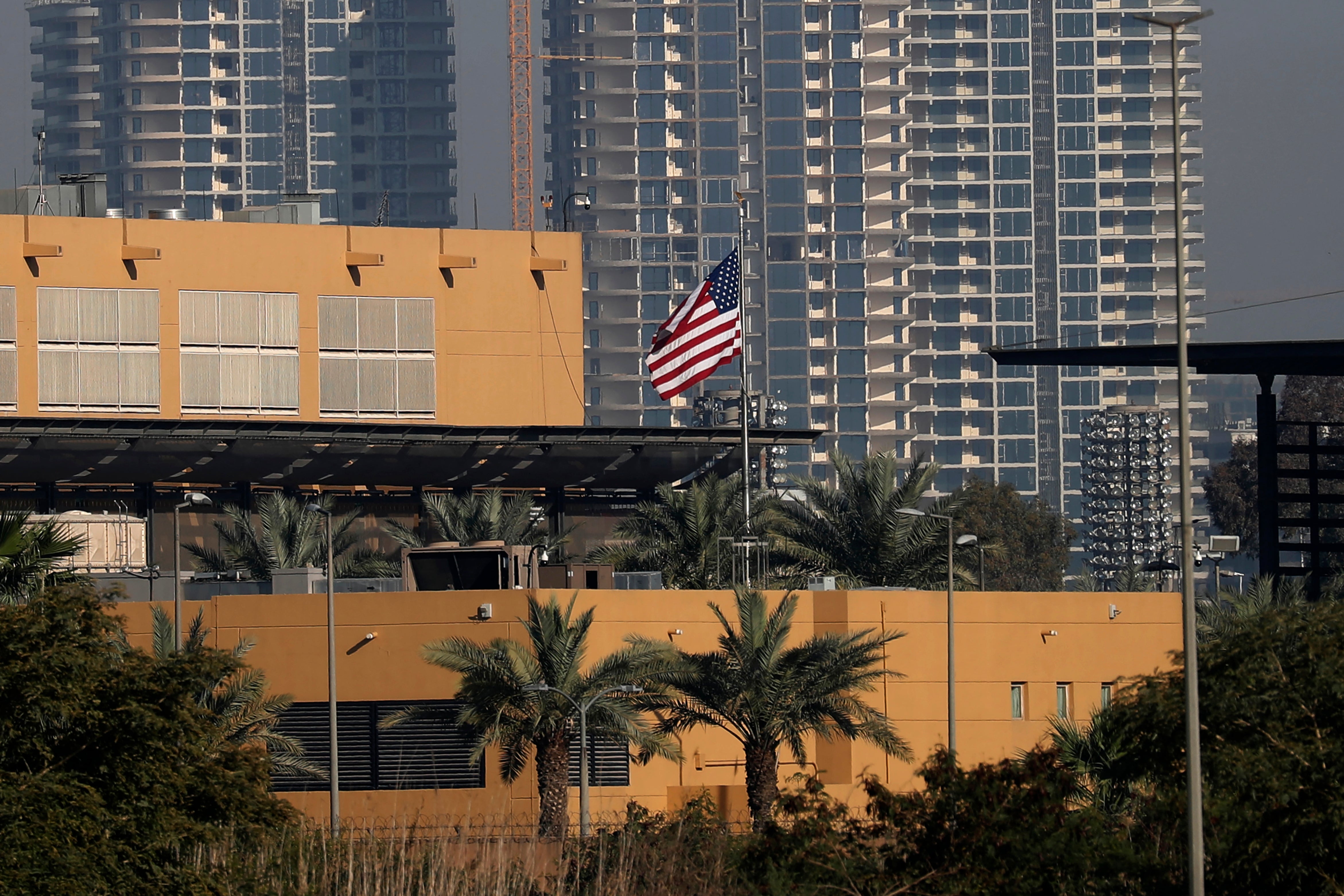
Militias have launched regular attacks on US facilities in Iraq since the outbreak of the US-Israeli war on Iran on 28 February.
Surveillance footage obtained by AP appears to show the moment Kittleson was taken in Baghdad. The clip shows two men approach a person standing on a street corner and usher them into the back of a car and driving off after a brief struggle.

Three weeks before the incident, the journalist had attempted to cross from Syria into Iraq but was turned back, according to Hussein Alawi, an adviser to prime minister Mohammed Shia al-Sudani.
He said she sought to enter via the al-Qaim crossing from Syria on 9 March but was turned back because she did not have a press work permit, and because of security concerns due to “the escalation of the war and aerial projectiles over Iraqi airspace as a result of the war on Iran”.
After obtaining a single-entry visa into Iraq that was valid for 60 days, Kittelson was eventually able to cross into the country.
The visas are issued to foreign citizens that are stranded in neighboring countries to “transit through Iraq to reach their home countries via available transport routes,” Alawi said.
She had been staying in a hotel in Baghdad for a few days before she was captured.

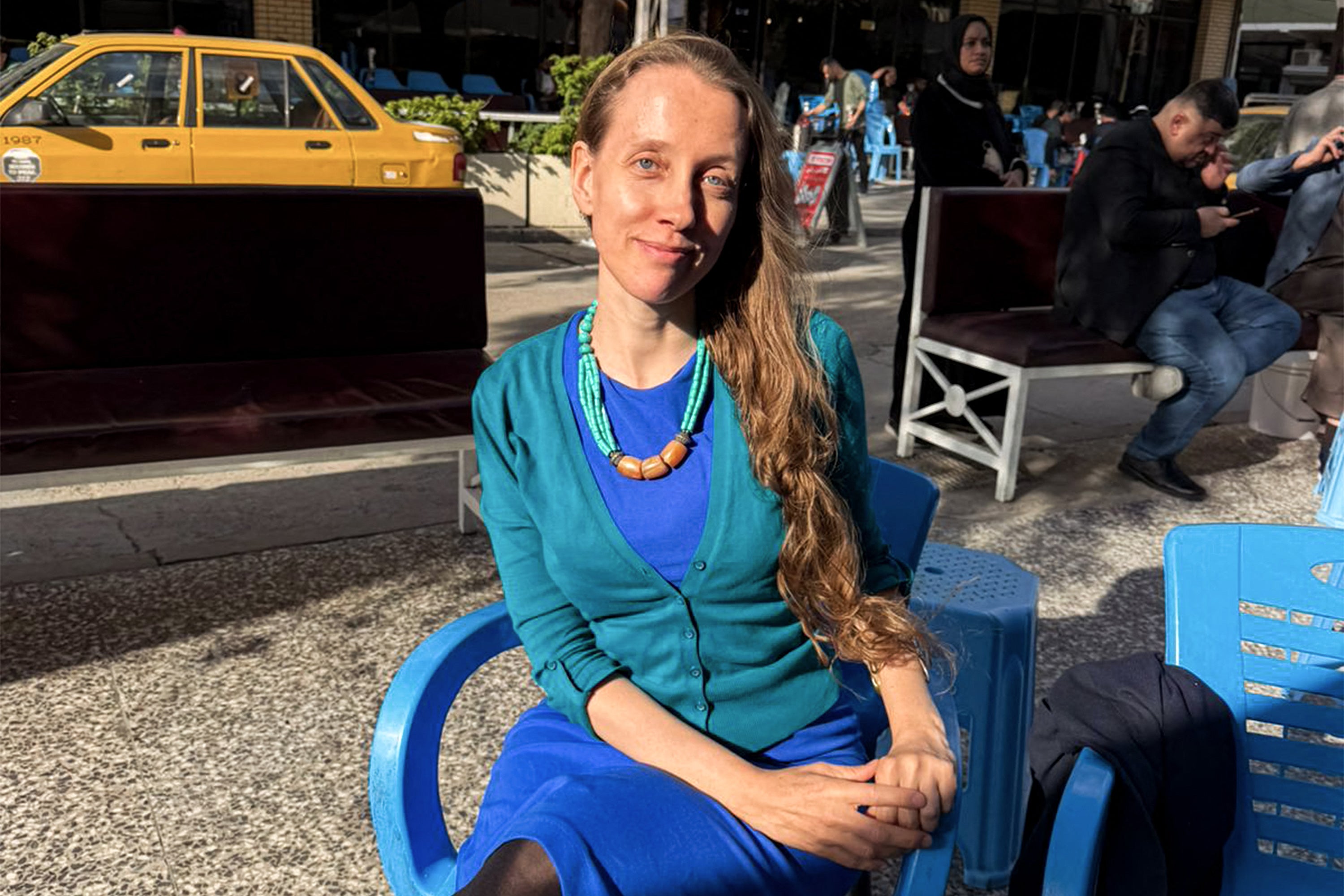
Iraqi security and intelligence agencies under the supervision of al-Sudani are following the situation “closely”, said Alawi.
One suspect believed to be involved in the abduction has been arrested and is being questioned.
Iraqi security forces are reported to have given chase to her captors and arrested the suspect after the car he was driving crashed, but other kidnappers were able to escape with the journalist in a second car.
An Iraqi intelligence official said Iraqi authorities believe Kittleson is being held in Baghdad and are trying to locate her and secure her release. He said authorities “have information about the abducting party” but declined to give more details.