




Amber heat health alerts have been issued as another heatwave is expected to hit the UK over the weekend.
The UK Health Security Agency (UKHSA) said the warning covers the east, south-east and south-west of England, and the Midlands, from midday on Thursday until 8pm on Tuesday.
An amber heat health alert means “significant impact” is likely across health and care services.
Yellow alerts are in place across the Midlands, signalling “minor impact” is likely across health and social care services. Water‑related incidents may also increase, including risks from cold‑water shock and drowning.
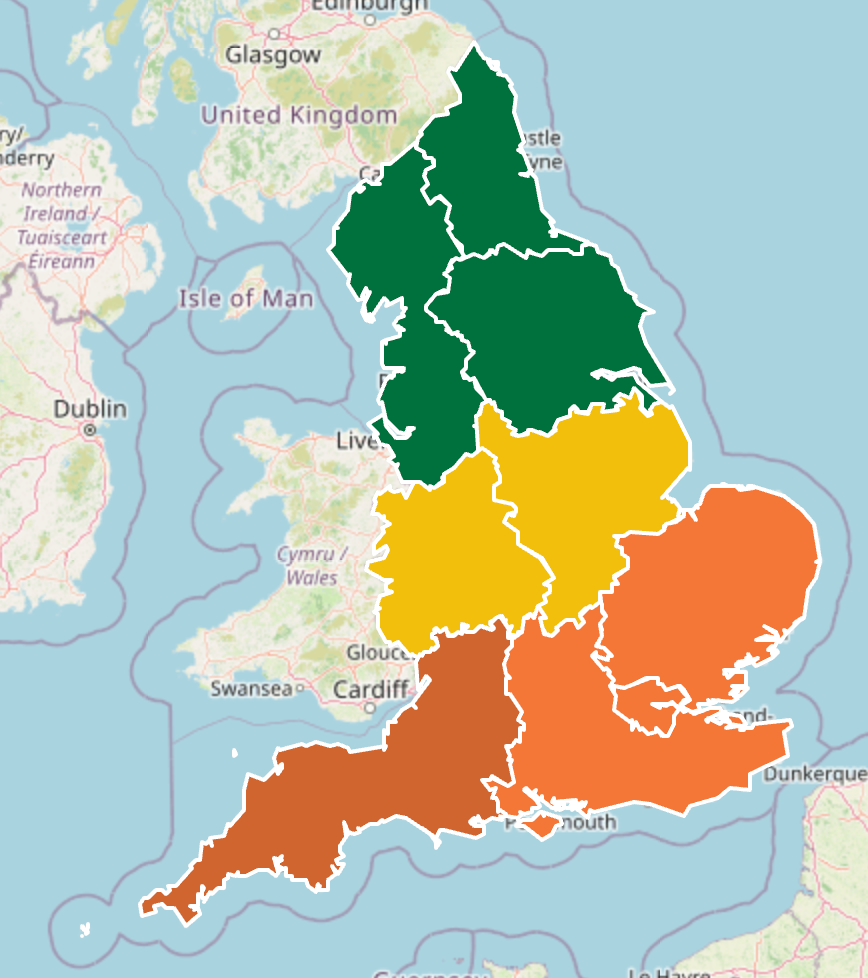
The alerts come as the UK is braced for a scorching weekend with temperatures set to climb above 30C by Friday in the southeast.
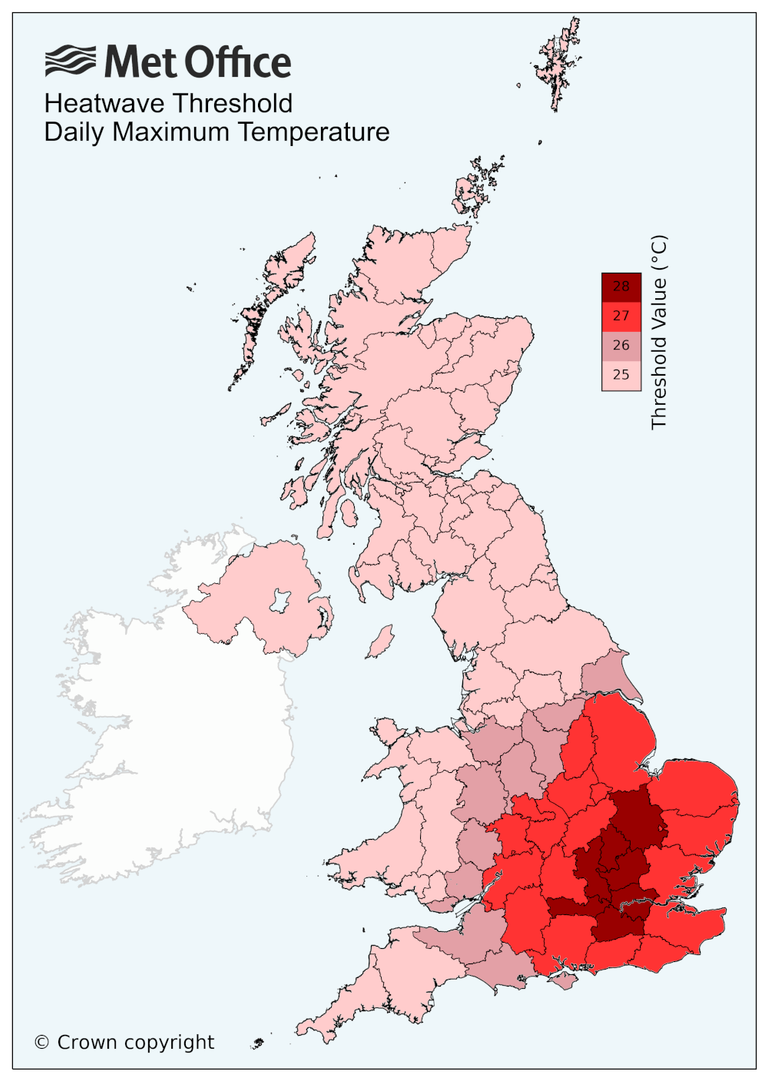
The mercury will soar to 32C on Friday in East Anglia, 28C on Saturday, and 32C in the South and south-east England on Sunday. Monday brings no respite as forecasters predict a sweltering 33C.
Meteorologist Jonathan Vautrey warned rising temperatures and humidity would be likely to come with overcast skies for many, “but those temperatures are going to be rising nonetheless”.
He said: “And with that, it’s also going to be increasingly humid this time around.

“So I think people will certainly be noticing how muggy it starts to feel during the second half of this weekend, and some quite uncomfortable nights for sleeping well, with overnight temperatures in the high teens across southeastern areas of England.”
Which groups are particularly vulnerable in hot weather?
According to the NHS, the most vulnerable groups are older people, especially women over the age of 75, or those who live alone or in a care home.
People with long-term illnesses such as heart or lung conditions, diabetes, Parkinson’s and some mental health conditions are at a higher risk, as well as patients on multiple medicines.
Babies and very young children will also find it hard to keep cool, along with people dependent on alcohol or drugs or people with Alzheimer’s disease.
What are the main risks?
Heat exhaustion can happen when the body overheats and loses too much water and salt.
Signs include tiredness, dizziness, headaches, feeling sick, excessive sweating and being very thirsty.
If people do not cool down within 30 minutes, heat exhaustion can lead to heatstroke, a life-threatening illness.
If you suspect someone has heat exhaustion, the NHS advises moving them to a cool place, removing all unnecessary clothing, giving them cool water or a sports drink, and cooling their skin by spraying cool water or fanning them.
How can vulnerable groups stay safe in a heatwave?
The NHS advises people to stay out of the sun where possible, especially between 11am and 3pm.
Wear sunscreen, a hat and light clothes, avoid exercise, alcohol, caffeine and hot drinks, and opt for cold food and drinks.
People can also keep their homes cool by closing windows during the day and opening them at night once the temperatures have fallen. Electric fans can also help if the temperature is below 35C, the NHS said.
Met Office 5-day forecast
Tonight:
Outbreaks of rain across Scotland and Northern Ireland. Low cloud and coastal fog across southwestern areas. Dry elsewhere with clear spells. Feeling muggy, especially in the south.
Friday:
Spells of rain in the northwest edging southeast and fading with showers following. Drier elsewhere with sunny spells. Very warm or hot in the southeast and feeling muggy.
Outlook for Saturday to Monday:
Turning more settled into the weekend as high pressure starts to build from the south. Sunny spells and feeling very warm with temperatures well above the June average.

