


The people paying for “nearly all” of President Donald Trump’s tariffs are American consumers, according to a new report from a German analyst group.
A report, released on Monday by the Kiel Institute for the World Economy, determined that “foreign exporters did not meaningfully reduce their prices in response to US tariff increases.”
“The $200 billion surge in customs revenue represents $200 billion extracted from American businesses and households,” the report said.
The study determined that only approximately 4 percent of the financial burden created by the tariffs is being paid by foreign operators. The other 96 percent has effectively become “a consumption tax on Americans,” according to Kiel’s researchers.
American importers have to decide whether or not they’ll pay the increased prices themselves or pass them along to manufacturers and retailers. If they choose the latter, then the manufacturers and retailers have to make the same decision — absorb the cost, or pass it along to consumers.
The study cites both Brazil and India — the B and I, respectively, in the BRICS bloc of nations — which both had 50 percent tariffs applied to their exports under Trump’s policy. According to the report, Brazil’s exporters “did not substantially reduce their dollar prices,” and a similar response played out in India.

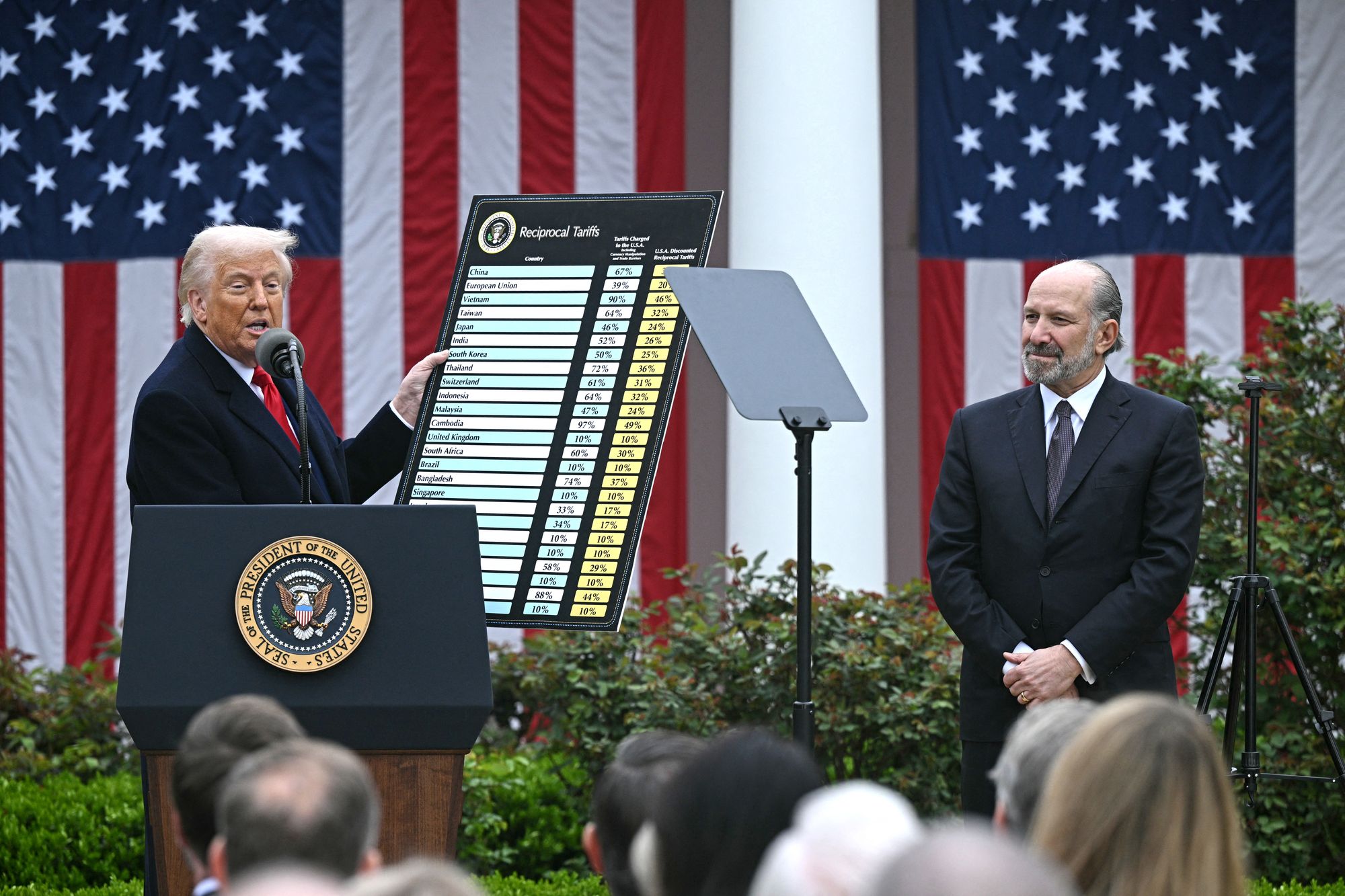
The institute found that in both Brazil and India, exporters chose to reduce the volume of their exports rather than lower prices.
Kiel concluded that the Trump administration’s claim that foreign trading partners are paying the price for the tariffs is false.
“This claim has been central to the policy’s justification: Tariffs are framed as a tool to extract concessions from trading partners while generating revenue for the US government — at no cost to American households,” the report said. “Our research shows the opposite: American importers and consumers bear nearly all the cost.”
It doesn’t appear that Trump will be relenting on his tariff strategy anytime soon. Earlier this week, Trump threatened to enter a trade war with Europe if Denmark doesn’t give the U.S. control over Greenland, which the president has insisted is crucial for national security.
On Saturday, Trump threatened to impose a 10 percent tariff in February and another 25 percent tariff in June on European nations until his demands are met.
European leaders are expected to hold an emergency meeting in Brussels on Thursday to discuss the threat and a potential counter-tariff on the U.S., which would likely further raise prices on Americans already in the midst of an affordability crisis.