

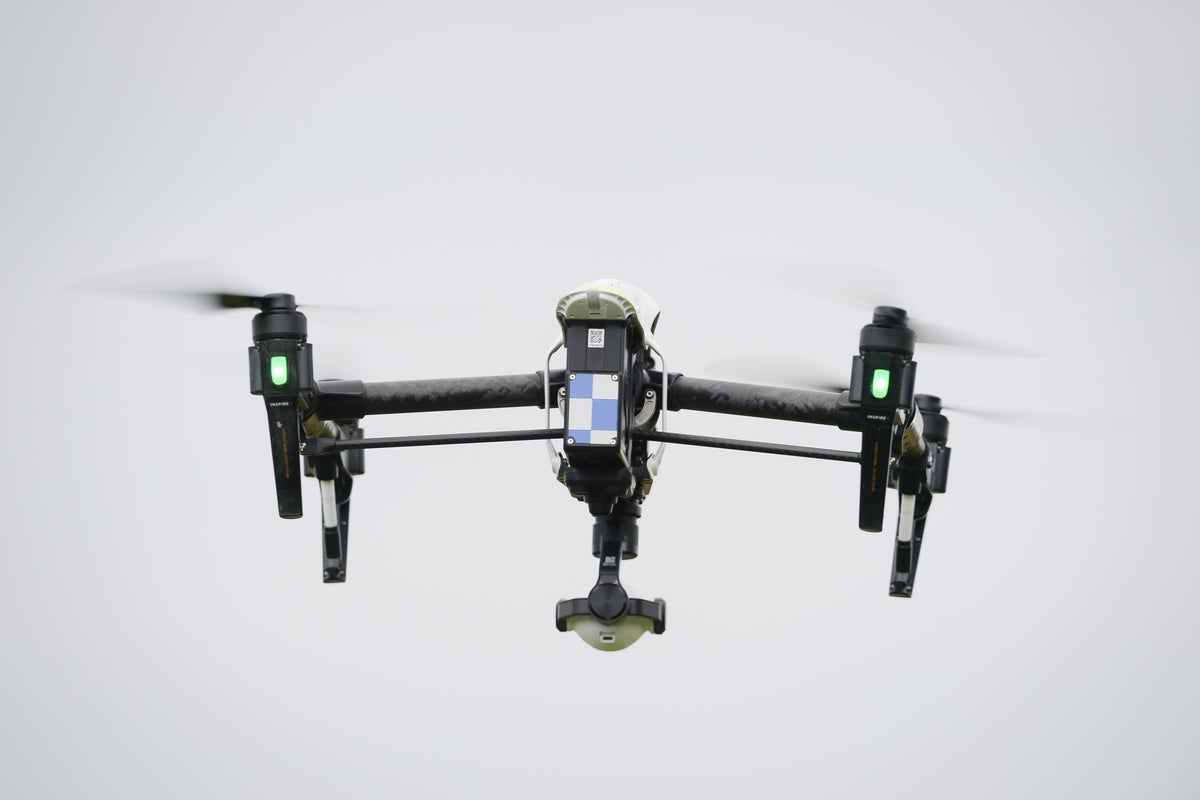
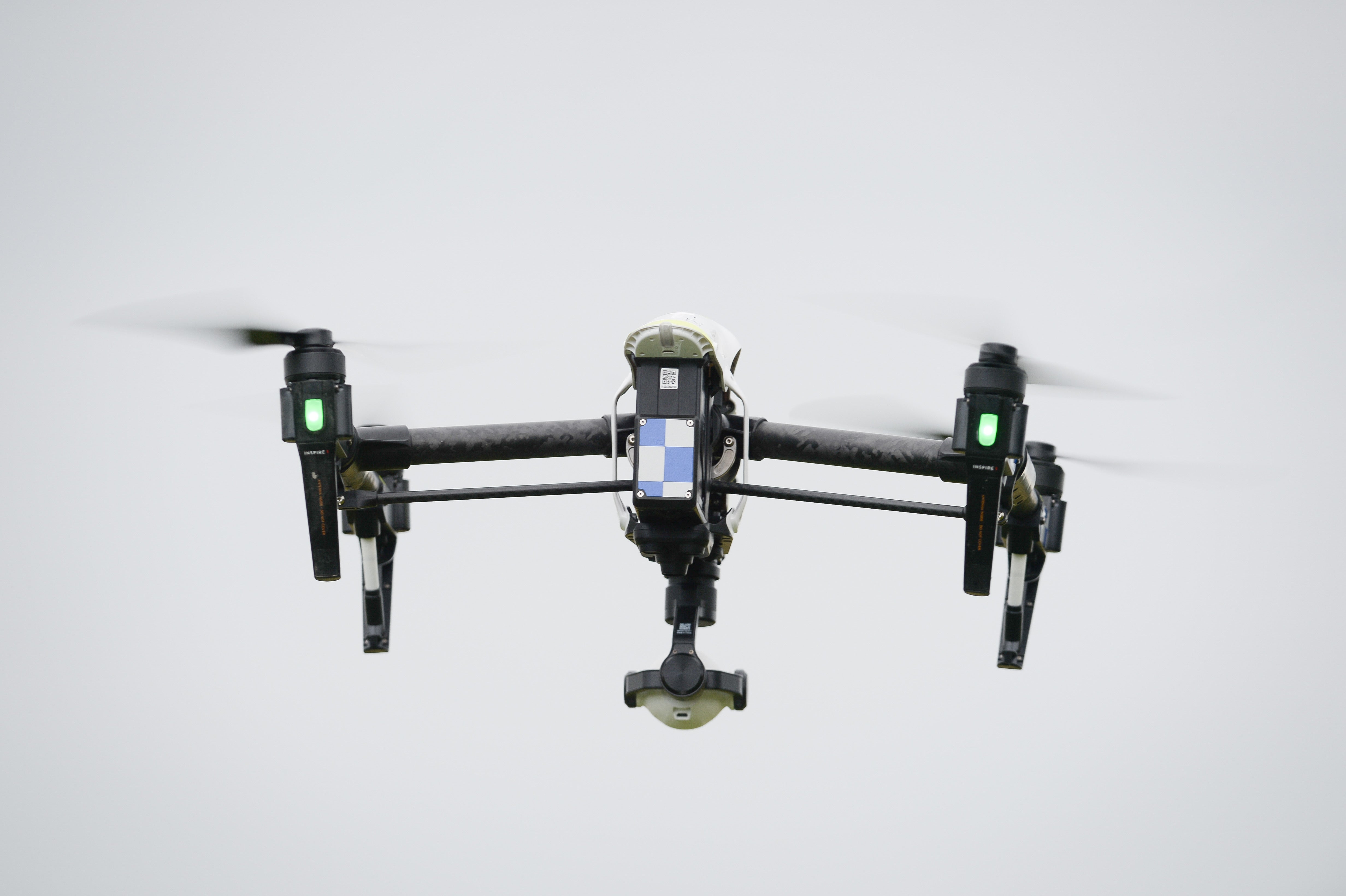
A Denver woman was left shocked and feeling “violated” after spotting a police drone hovering outside her window while she was taking a bath.
“I was just playing on my phone, relaxing, and I saw a flashing light coming from the window,” the woman, who asked to be identified as Eden, told KUSA. “It was a drone, and I was like, ‘Oh my God’… I felt violated.”
Eden called out to her boyfriend, Carlos, who was also in the apartment and saw the drone flying close to their window on Monday night. The couple estimated the drone was flying around 30 ft from the ground.
“I mean, I saw it right out of my window,” Carlos told the outlet. “At least, close enough to where I feel like if I threw a rock, I’d be able to hit it.”
When contacted, Denver police admitted that the drone belonged to them and was part of a four-month first responder program, on the way to the scene of a call about a suicidal person near to the apartment.
Despite police insisting that the camera had been pointed in the other direction, Eden said she still felt uncomfortable.

“I almost preferred that it was a stranger because the police are here to protect and not to violate,” she told KUSA. “It didn’t feel good. It didn’t make me feel safe at all.”
The department told the outlet that it offered to show Carlos the footage from the flight – which were confirmed by DPD logs – and said the drone was flying at 200 ft for the entire flight, which the couple disputes.
The Independent has contacted the Denver Police Department for more information on Monday’s incident.
DPD told the couple that the drone had only been flown in the area for approximately two minutes and circled the location of the call for service during that time. Information is stored on its Drone as First Responder Transparency Dashboard for 60 days.
According to the department, such first responder drones have been deployed to 622 calls for service from when the program was quietly rolled out in October last year, through to February 12.
Drones arrive on scene before officers more than 84 percent of the time and drone pilots can determine whether or not a physical patrol response is needed in more than 36 percent of cases – freeing up officers for more serious incidents.
Eden told KUSA that, despite her negative experience, she believed that the drones “can be used in a right way,” though added: “I don’t like the fact that they were hovering in a very residential spot where people could get the wrong idea.”