


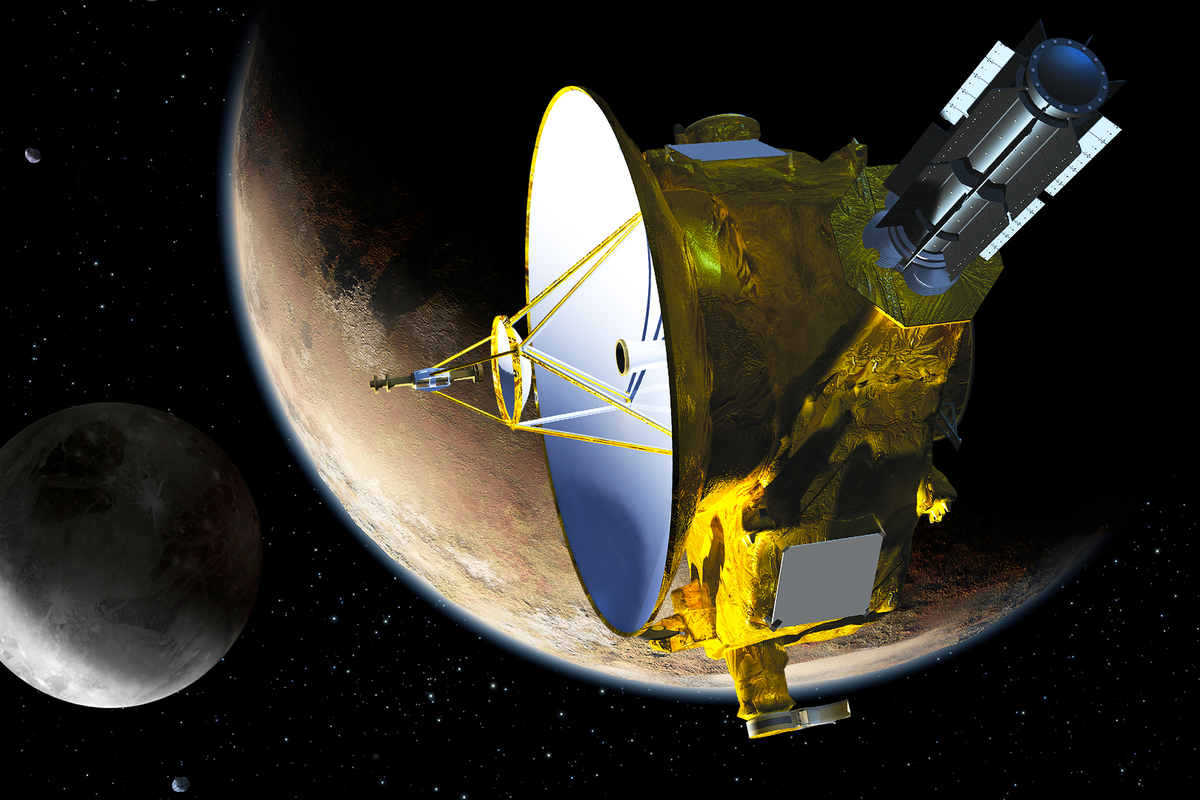
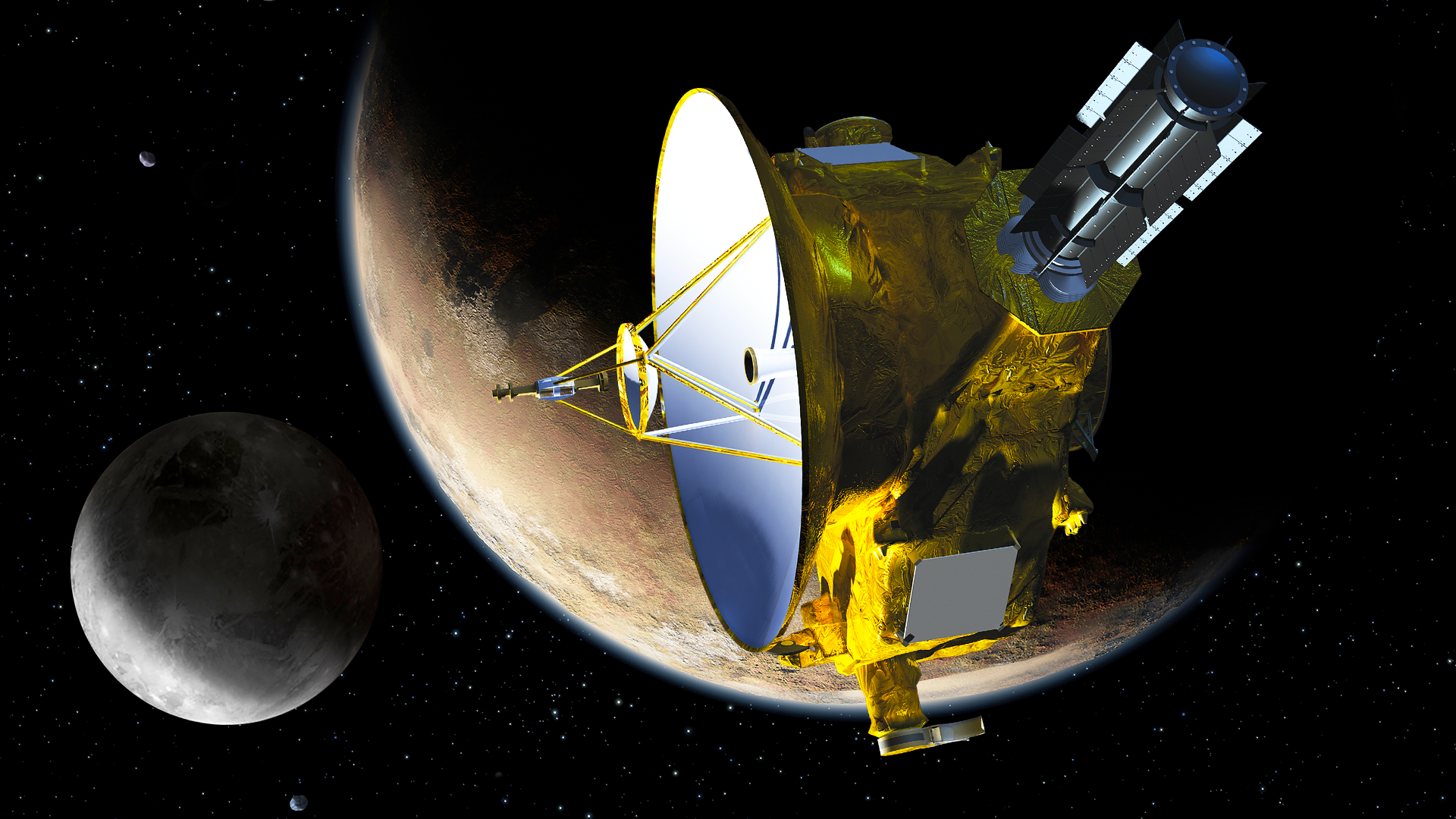
NASA’s New Horizons spacecraft just woke up after nearly a year of hibernation and scientists are eager to see the data it gathered.
The $780.6 million probe – which was the first to explore Pluto up close – is traveling around the outer reaches of our solar system, some six billion miles from Earth.
Data recorded there could help provide further answers about our universe’s formation and what’s inside the distant Kuiper asteroid belt.
New Horizons typically hibernates during long cruise periods, during which it continues to collect and store information. This hibernation period lasted for 321 days, ending on June 23.
Fortunately, it appears that New Horizons woke up in good health, the space agency said. The spacecraft had been reporting its status to Earth, but did not relay information from its sensors and instruments.

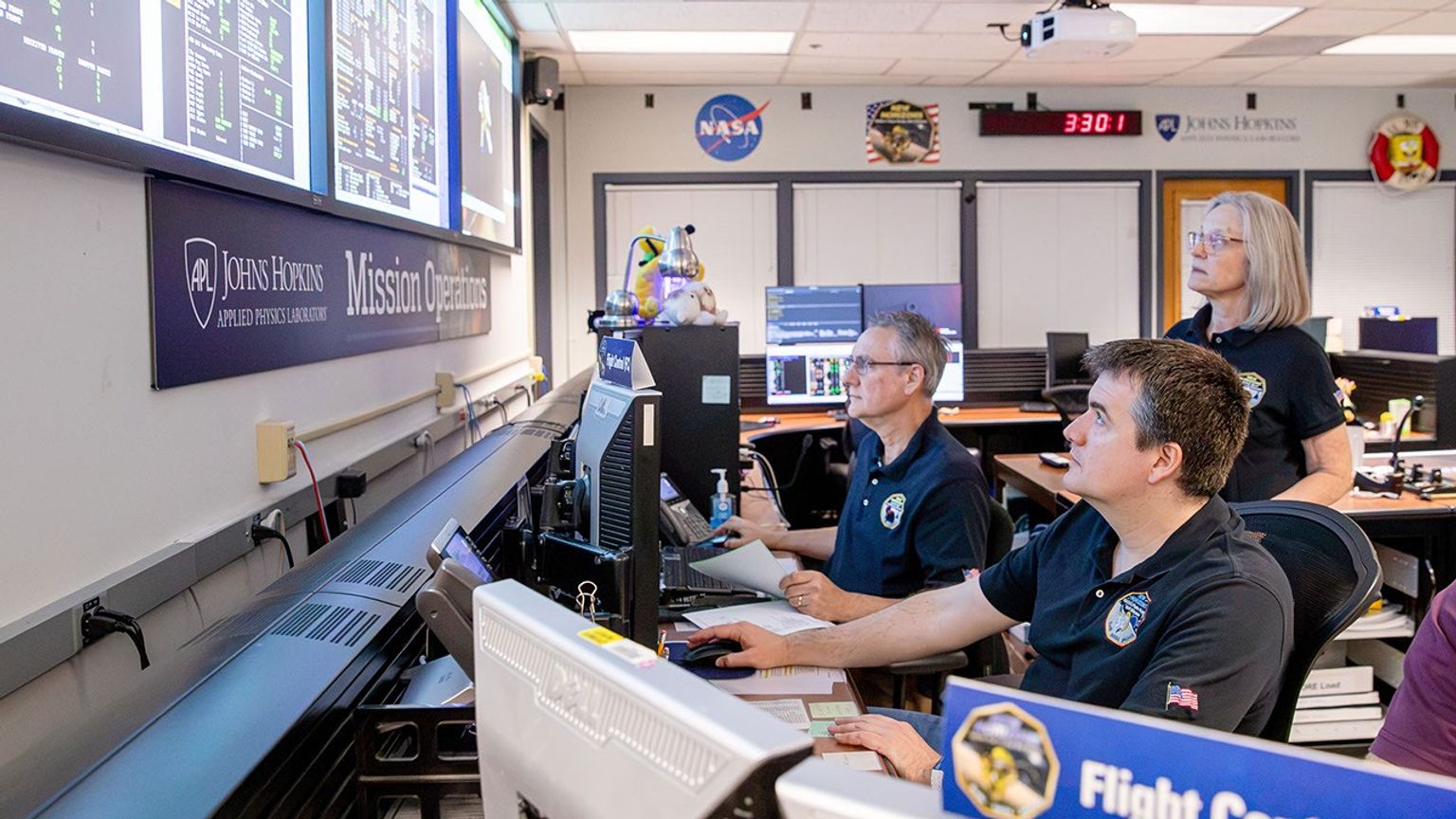
“Every status report through this hibernation period was ‘green,’ meaning all was well aboard New Horizons each and every week,” Alice Bowman, the New Horizons mission operations manager at Maryland’s Johns Hopkins Applied Physics Laboratory, said in a statement.
In the coming days, the team will downlink data about the spacecraft’s health and safety.
Then, it will retrieve data from New Horizon’s three science instruments: the Venetia Burney Student Dust Counter that detects space dust, the Pluto particle-detecting Pluto Energetic Particle Spectrometer Science Investigation and the solar wind-measuring Solar Wind at Pluto.
In under a month, the scientific instruments will continue their operations.

“In about three weeks, the spacecraft’s onboard Alice ultraviolet spectrograph will look at the hydrogen gas distribution in the outer heliosphere, while the Solar Wind at Pluto, the Pluto Energetic Particle Spectrometer Science Investigation and the Venetia Burney Student Dust Counter instruments continue their measurements, and the ground team conducts a series of spacecraft and instrument checkouts,” said NASA.
The team is also completing upgrades to software on the ground that will make it easier to maintain New Horizons.
Tests for that software are being conducted now through the end of the year.
New Horizons first launched from earth in January 2006, the fastest launch on record.

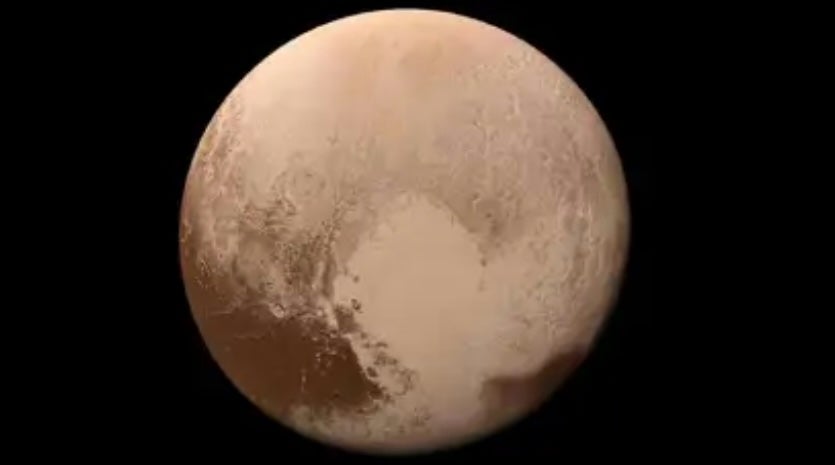
The spacecraft was designed to study Pluto, which it did in July 2015. Its second goal was to reach the Kuiper Belt object Arrokoth, the most distant object ever explored up close. That happened in 2019.
During its journey, New Horizons has flown by Jupiter, captured impressive images of its moons and studied the sun’s outer atmosphere known as the heliosphere.
It’s expected to last through the end of the decade, according to the non-profit Planetary Society.