


World Cup enthusiasts journeyed to the United States from across borders and oceans, discovering an American experience far beyond the soccer pitches.
Along the way, they encountered quintessential American classics: the first bites of Raising Cane’s chicken, wide-eyed tours through the sprawling commercial spectacle of a Buc-ee’s travel plaza, and the pervasive realization that pretty much everything American is enormous.
Yet, these international visitors absorbed more than just local cuisine and vast landscapes. Their views of the U.S., often forged through sometimes distorted portrayals from news media, TikTok, and anecdotal accounts, were now directly informed by what they saw with their own eyes. In many cases, these firsthand spectacles contradicted – or at least augmented – what they knew upon arrival.
Many landed expecting the politically fractured country frequently highlighted in global headlines. Instead, they found Uber drivers brimming with recommendations and locals willing to open their homes to strangers. Even as game attendees grappled with the sticker shock of ticket prices, some Americans they met didn’t even know the World Cup was happening, or simply didn’t care.

These diverse experiences, shared with The Associated Press, offer a glimpse into the lasting impressions these tourists will carry home from their recent weeks in the United States.
Americans welcome fans warmly
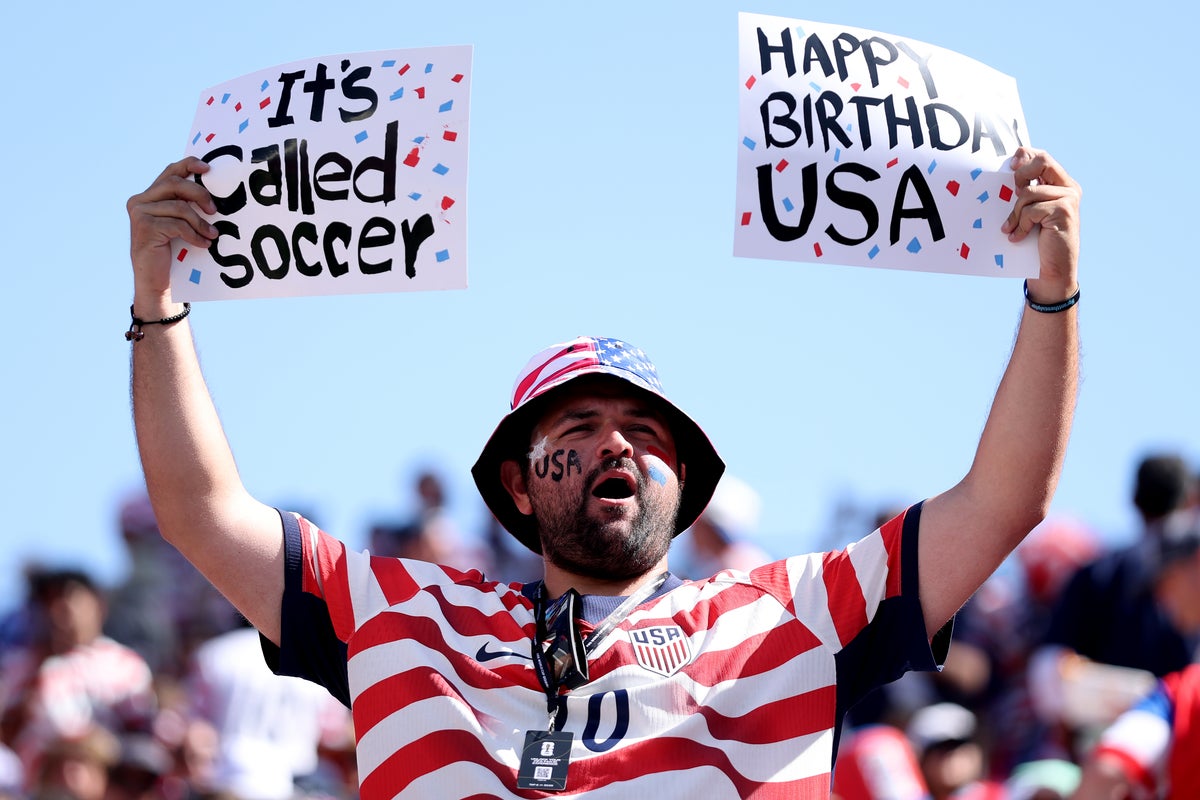
From Asia and across Europe and Africa all the way to Latin America, in thousands of social media posts, most World Cup tourists have agreed on one thing: Americans are hospitable. Locals cheered alongside international fans for their teams at sports bars, parades through city streets and, of course, World Cup matches.
Sebastian Reader, a 28-year-old from London, has long been fascinated by American culture and decided to make a three-month trip out of the World Cup. He has followed the English team wherever it played and said he’s experienced friendliness in bigger cities like Chicago and Boston as well as less-populated states like Arkansas.
In Dallas, a person he met in a Mexican restaurant showed him his truck and revved the engine for him. Another local he met at a bar invited him and his friend over to his front porch, where they talked about movies and sports until 2 a.m.
“That felt like a proper American experience in Dallas,” Reader said. “He had, I would call it like a proper American setup, like a TV outside, a beer fridge, massive fly zappers, and then massive fans as well.”
Harry Gunns, 30, also of London, visited Texas and California in the past year. But he said visiting for the World Cup was the first time he experienced “hospitality in its absolute abundance,” from Uber drivers to hotel staff. On his posts online, Americans have responded with tons of recommendations for places to visit and where to eat, and some have even invited him over for a homecooked meal.
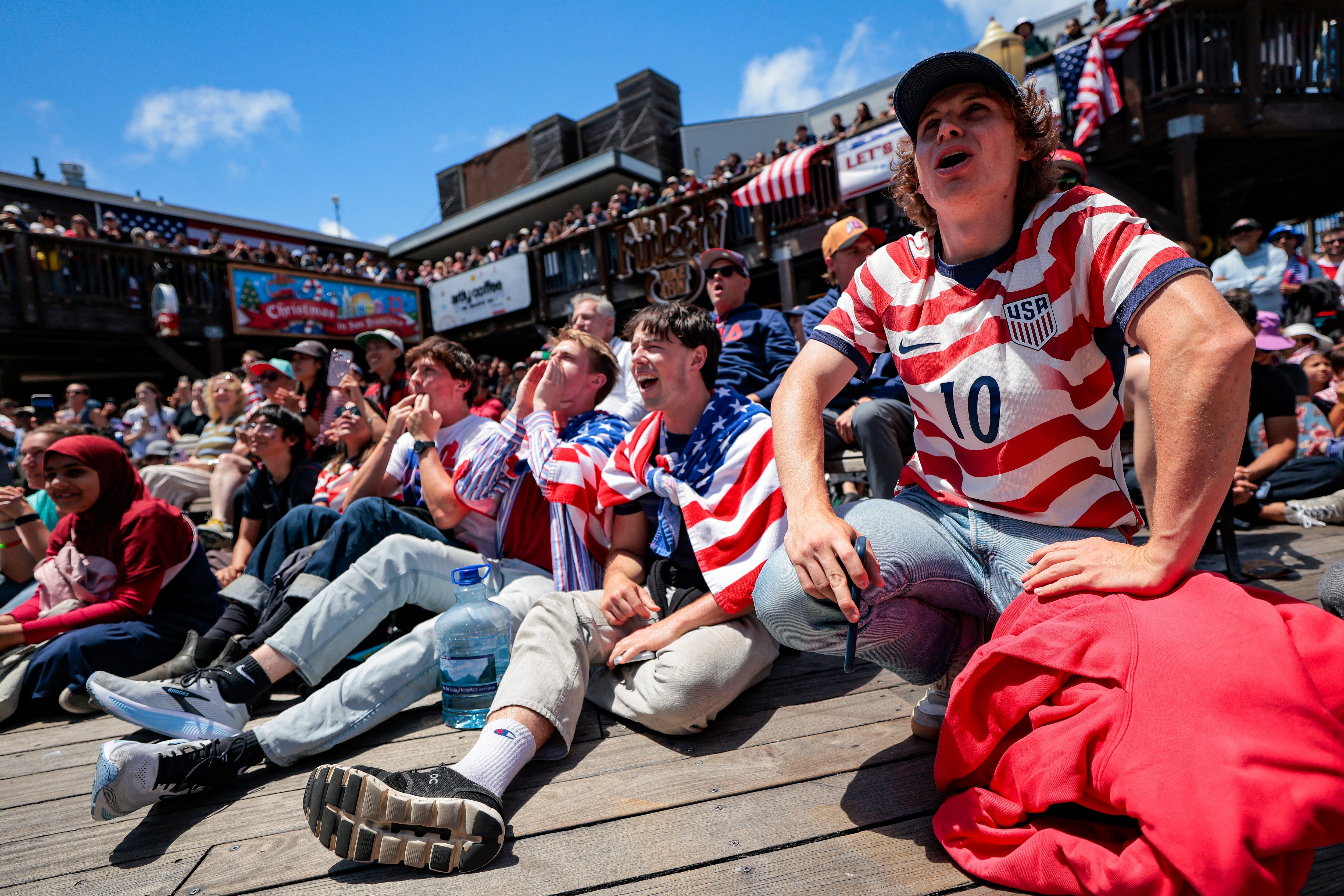
“It almost feels like you’re home straight away, is the best way I can describe it,” Gunns said. “Because in the U.K. specifically, it takes a while for people to warm up to you, but over here you get that immediately.”
Many locals he spoke to didn’t know the U.S. was hosting the World Cup, but Gunns hopes the influx of tourists opened up Americans to the beloved sport.
Zineb Benlamlih, a 28-year-old from Morocco, visited New York for the World Cup and found herself salsa dancing with a group of 50-year-olds in Central Park. “It’s so nice being able to talk to anyone, like a stranger would be your family,” she said.
Victoria Phillips-Hunter from Carlisle, England, raved about the hospitality staff, having worked in hospitality herself.
“Honestly I completely understand why the staff in America work and survive off the tips because they absolutely deserve the tips,” said Phillips-Hunter, 34. “And they make you want to be there and you know they put 100% effort into looking after you.”
Tourists find less division than expected
Tourists blamed news coverage for the sense that American politics is divisive but said the reality on the ground felt different.
Phillips-Hunter had been nervous before her trip because of videos she had seen on social media of people who had been dragged out of cars or shot by Immigration Customs and Enforcement officers.
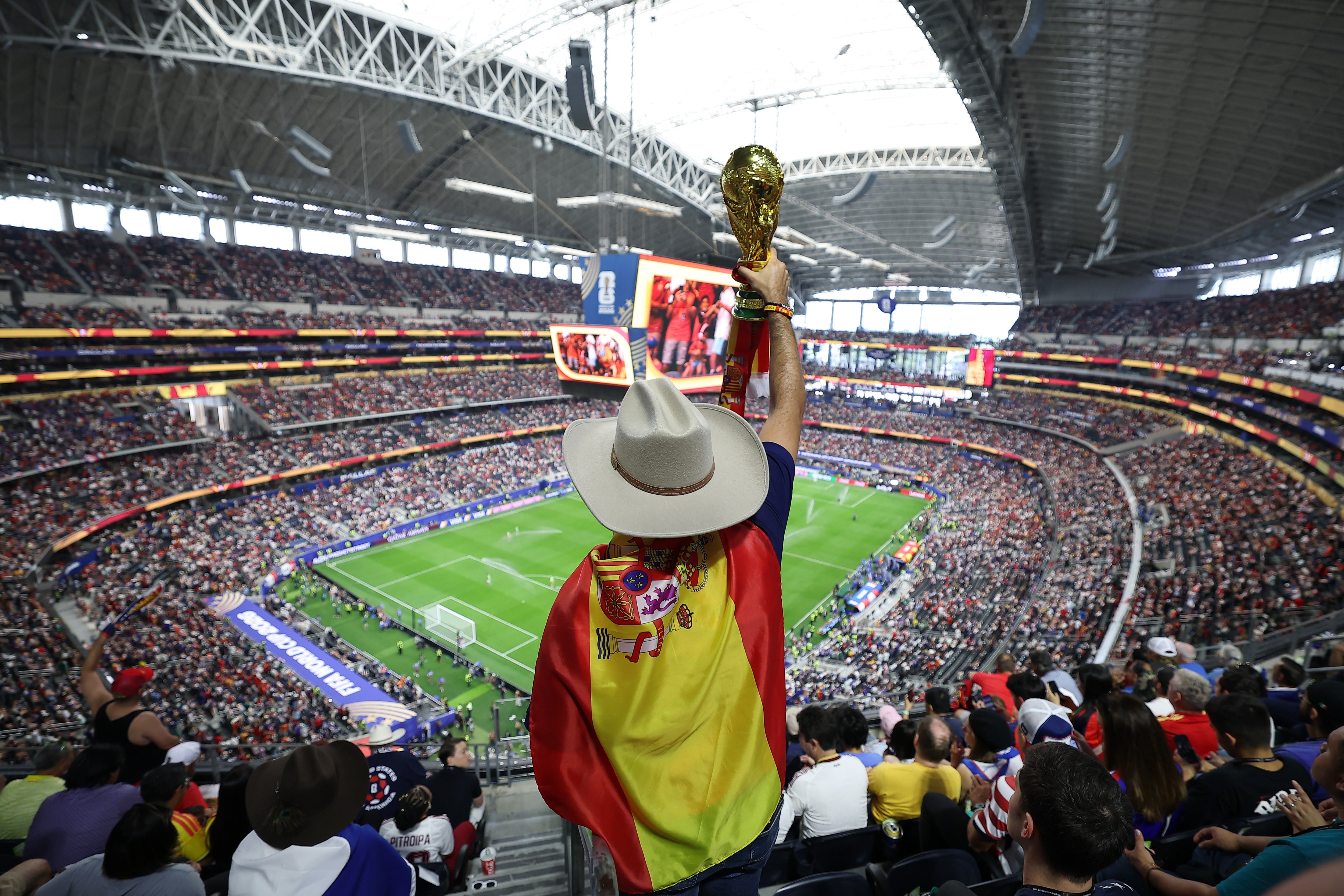
“All of that was portrayed on videos on social media, it came across that it can happen absolutely anywhere. So you always have to have your wits about you and just be a bit wary,” she said. But she added that her experience in the U.S. was so positive that she hopes to do a longer trip.
Gunns believes some have boycotted visiting the U.S. because of President Donald Trump.
“I think in the media we get an impression that (Americans) are very proud Americans, and Texans are very proud Texans, which is brilliant but oftentimes that gets portrayed as they don’t like anyone else or maybe (are) not as accepting about everyone else,” he said. “But that couldn’t be further from the truth.”
Benlamlih had friends from Chad and Somalia eager to attend the Cup, but they were unable to enter because of U.S. travel restrictions.
“You have this aspect of, ‘Oh my God, I want to go to the World Cup,’ which for Morocco is such an amazing experience,” she said. “And on the other side, you have such a bad global image of the U.S. at the moment, like obviously from a political point of view.”
Rafal Kolankowski, originally from Poland, said that despite the reputation of the U.S. in other countries, “there’s a reason why so many people want to move here.”
“Obviously, you have propaganda in other countries. ‘USA this, USA that.’ They come to the U.S., and they have a positive opinion on how the U.S. is,” said Kolankowski, who now coaches varsity boys’ soccer at Plum High School outside Pittsburgh.
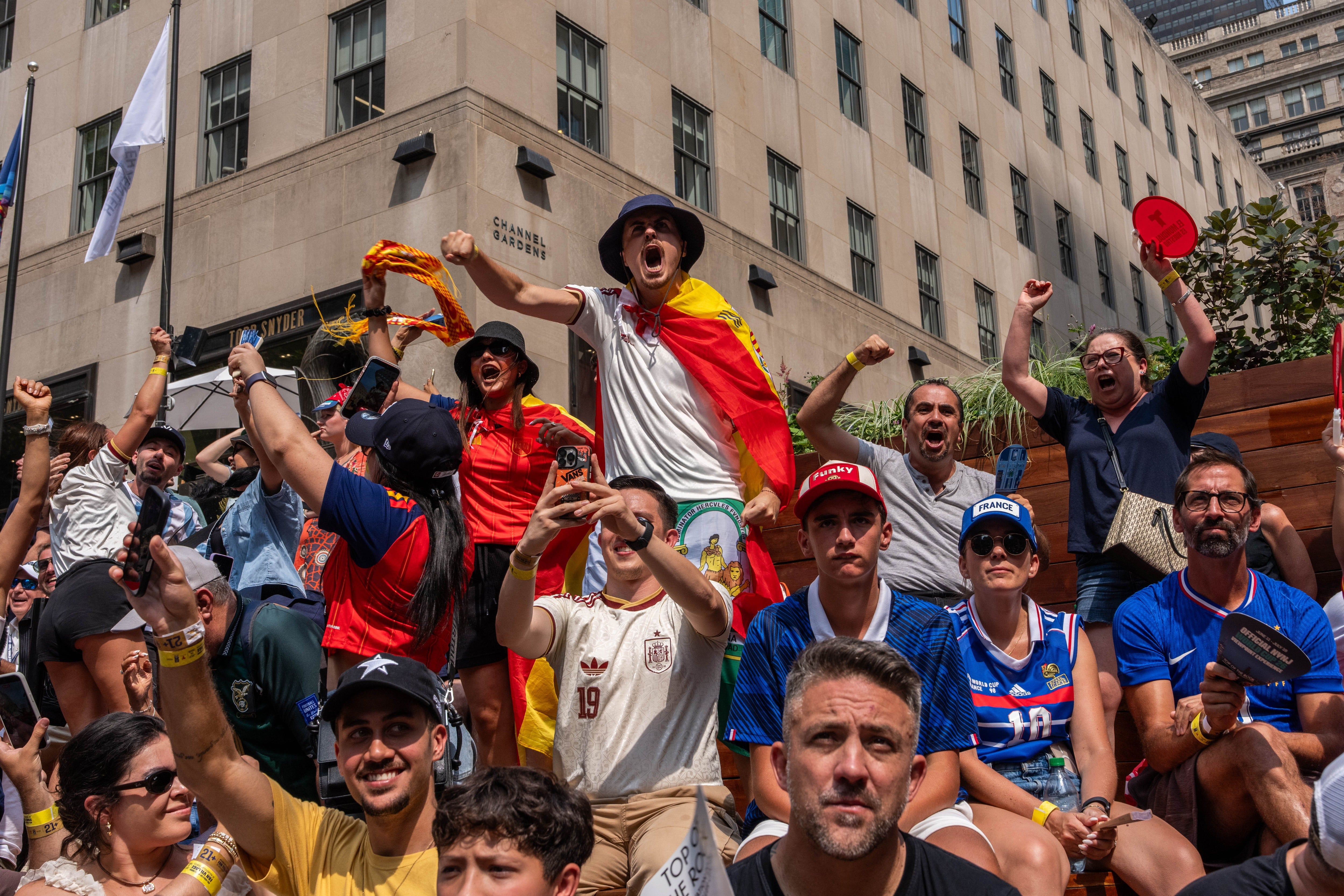
Reader said that though he came in expecting to see political polarization, he found Americans to be friendly throughout the republic.
“There’s an impression of what’s going on here that is, I guess, quite divided,” he said. Americans were curious to know what he thinks of Trump, or America’s robust car culture as opposed to London’s public transit.
He solved one problem with a simple decision that he has stuck to: Avoid conversations about politics. That’s something many Americans can understand, too.