


UK TimesUK Times
  • Home
  • News
  • TV & Showbiz
  • Money
  • Health
  • Science
  • Sports
  • Travel
  • More
    • Web Stories
    • Trending
    • Press Release
What's Hot
Wife and children of Argentine football player Lucas Trejo killed in Venezuela earthquakes – UK Times

Wife and children of Argentine football player Lucas Trejo killed in Venezuela earthquakes – UK Times

30 June 2026
Sewage spills into lakes and swimming ponds as Britons dash to cold water during heatwave – UK Times

Sewage spills into lakes and swimming ponds as Britons dash to cold water during heatwave – UK Times

30 June 2026
Providing modular study for HTQs in rural areas – Case study

Providing modular study for HTQs in rural areas – Case study

30 June 2026
Facebook X (Twitter) Instagram
UK TimesUK Times
Subscribe
  • Home
  • News
  • TV & Showbiz
  • Money
  • Health
  • Science
  • Sports
  • Travel
  • More
    • Web Stories
    • Trending
    • Press Release
UK TimesUK Times
Home » Why do dogs and cats get the zoomies? Scientist explains the sudden bursts of energy – UK Times
News

Why do dogs and cats get the zoomies? Scientist explains the sudden bursts of energy – UK Times

By uk-times.com30 June 2026No Comments5 Mins Read
Facebook Twitter LinkedIn Telegram Pinterest Tumblr Reddit WhatsApp Email
Why do dogs and cats get the zoomies? Scientist explains the sudden bursts of energy – UK Times
Share
Facebook Twitter LinkedIn Pinterest Email

Get the Well Enough newsletter with Harry Bullmore for tips on living a healthier, happier and longer life

Get the Well Enough email with Harry Bullmore

Get the Well Enough email with Harry Bullmore

Well Enough

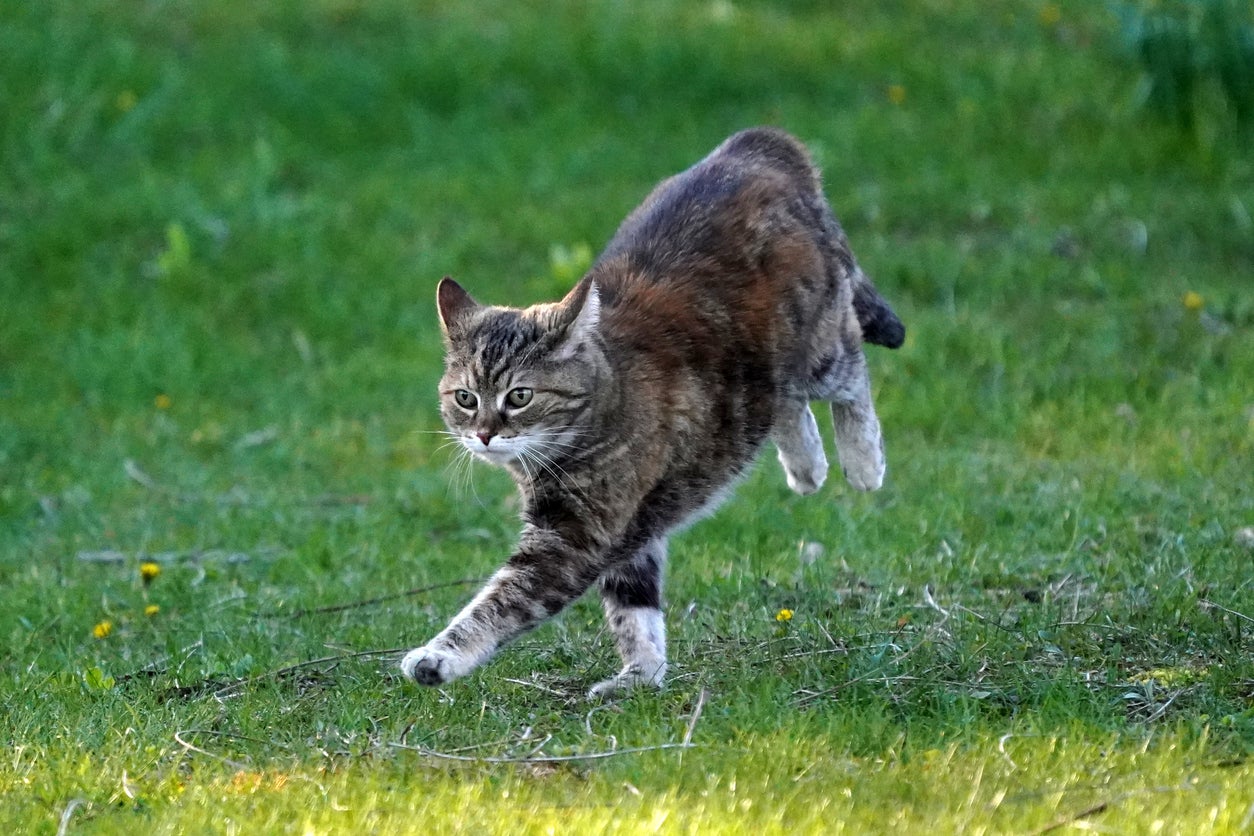
Does your cat or dog suddenly get a burst of energy and perform athletic feats around the house that would make even a gold medallist jealous? Welcome to the world of zoomies.

Zoomies involve intense periods of high-energy activity including running, spinning, jumping and rolling. All at top speed.

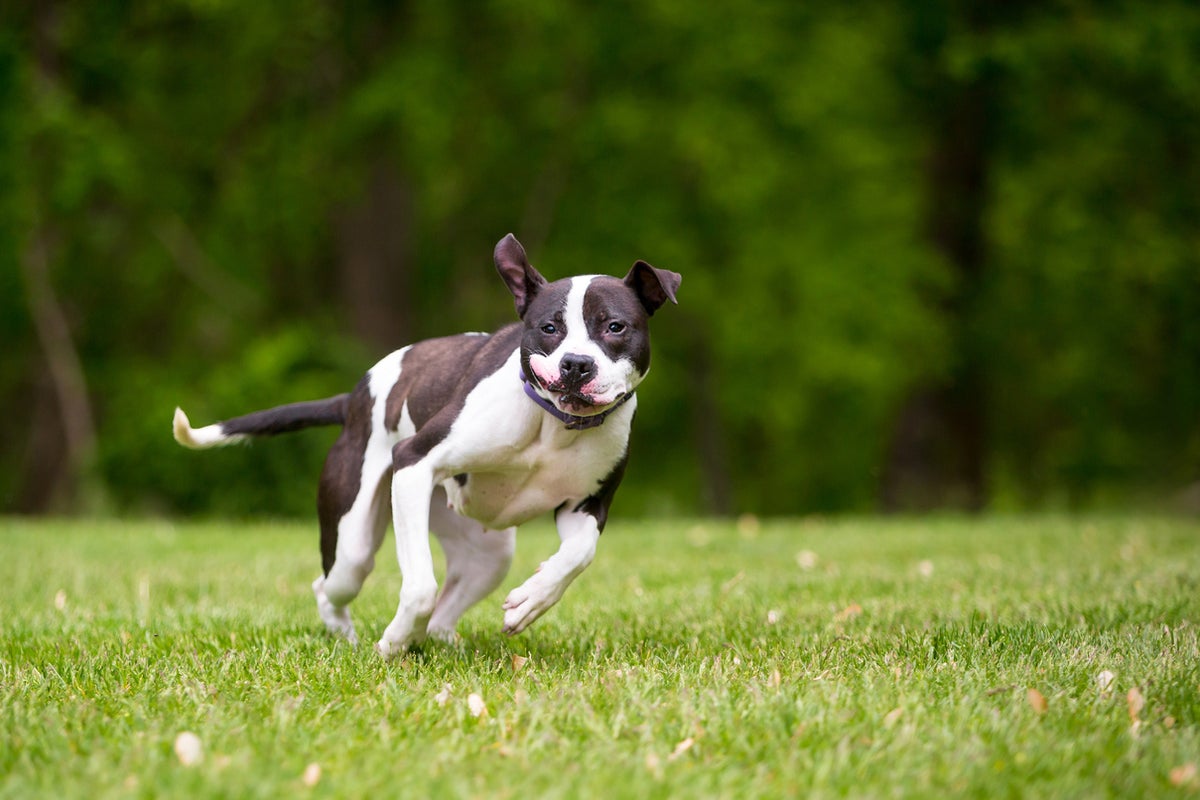
A proposed scientific name is frenetic random activity periods (FRAPs). In rabbits these high activity periods are called “binkies”. But many cat and dog owners simply call them “zoomies”.
A proposed scientific name is frenetic random activity periods
A proposed scientific name is frenetic random activity periods (Getty Images)

So why do our animals experience the zoomies? And is it something we should be worried about?

Why do animals get the zoomies?

Think about when your cat or dog gets the zoomies.

You might see post-bath zoomies, dog park-zoomies, midnight-zoomies and good ol’ out-of-nowhere zoomies.

The trigger may be excitement or a sudden increase in stimulation.

In cats, a commonly reported trigger is using the litter tray. This may be explained by “poo-phoria”, a feeling of euphoria following defecation. This is possibly caused by large bowel movements stimulating the vagus nerve, resulting in positive feelings and a drop in heart rate and blood pressure.

Zoomies can be characterised as play as the two behaviours share many of the same characteristics. This would make zoomies intrinsically pleasurable – in other words, a whole load of fun.

If the zoomies are occurring as part of your animal’s regular play routine, this indicates your animal is happy and enjoying themselves.
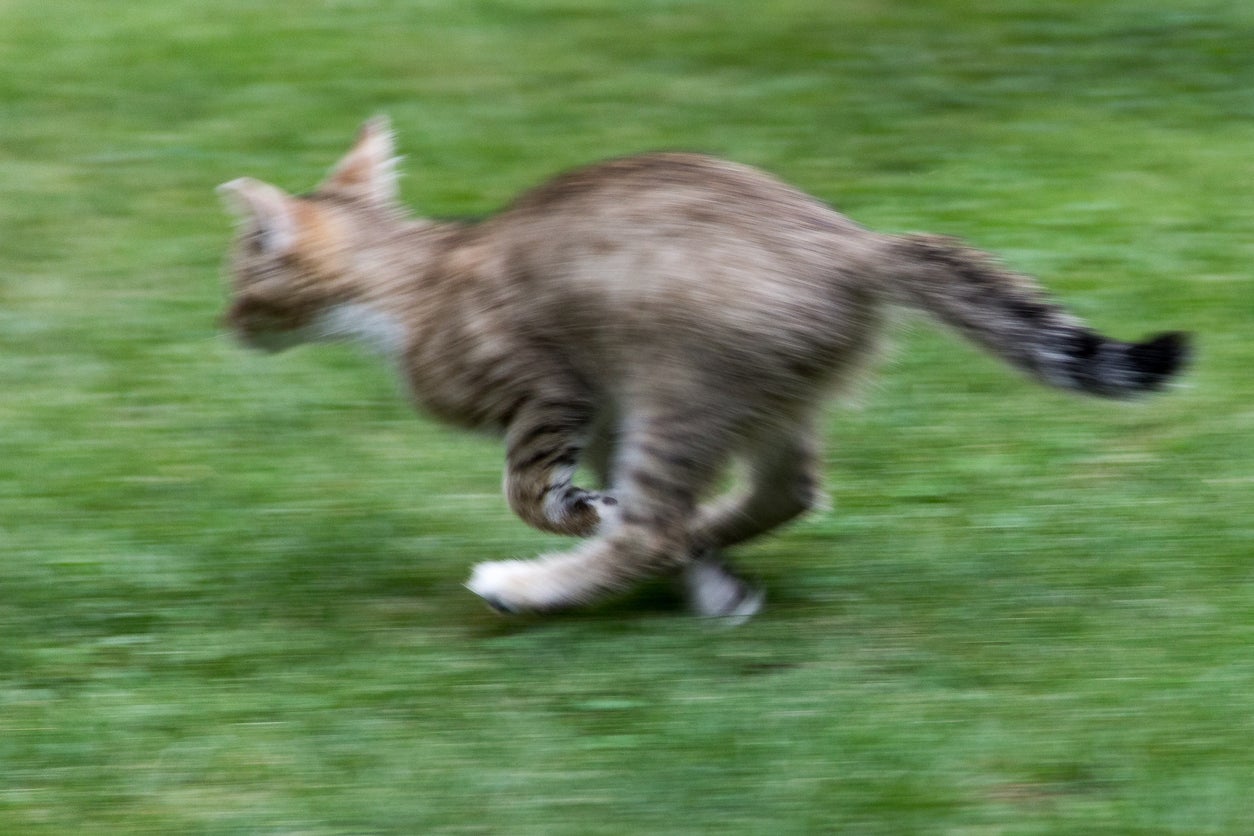
In cats, a commonly reported trigger is using the litter tray
In cats, a commonly reported trigger is using the litter tray (Getty Images)

While we don’t yet know if zoomies are more likely to occur at certain times of the day, or more in some breeds compared with others, we do consider them a general indication of a high level of excitement – and likely a pretty good mood.

Humans are animals too and some people also experience what could be similar to the “zoomies”.

Ever get a sudden feeling of intense excitement and spare energy? Maybe you’ve felt the need to jump, shake or dance, before it wears off and you’re back to your regular settings.

This can be caused by a multitude of things – an exciting or novel situation, a spike in energy after a extended period of resting or perhaps a change in your inner chemistry. Perhaps you got a rush of adrenaline caused by excitement, over-stimulation or stress.

Are zoomies always a sign your cat or dog is happy?

It’s important to remember animals are individuals and, just like us, why they behave the way they do is complex and multifaceted.

When assessing your animal’s behaviour, it’s essential to also assess the context.

Zoomies are mentioned a lot online, but there is a real lack of scientific research on what causes them, how often they occur, or even an official definition of what they are.

Ask yourself: am I invited to the zoomie?

In dogs and cats, zoomies can include an invitation for others to join – in dogs this is most commonly a play bow, where the dog appears to “bow” to another in an effort to signal it is keen to play – followed by a pause commonly seen in dyadic play (play between two or more individuals).

In cats, an invitation may include physically interacting with you or repeatedly rolling over. If this is the case, your animal is likely experiencing excitement and a desire to interact with you.

What do I do during a zoomie outbreak?

Unless there’s an element of immediate danger (such as zoomies on or near a road) there is no reason to stop your cat or dog from enjoying their burst of fun.

Cats and dogs are often superstars at avoiding obstacles even at high speed. If you’re lucky enough to receive invitations to partake in the chaos, feel free to join in the play.
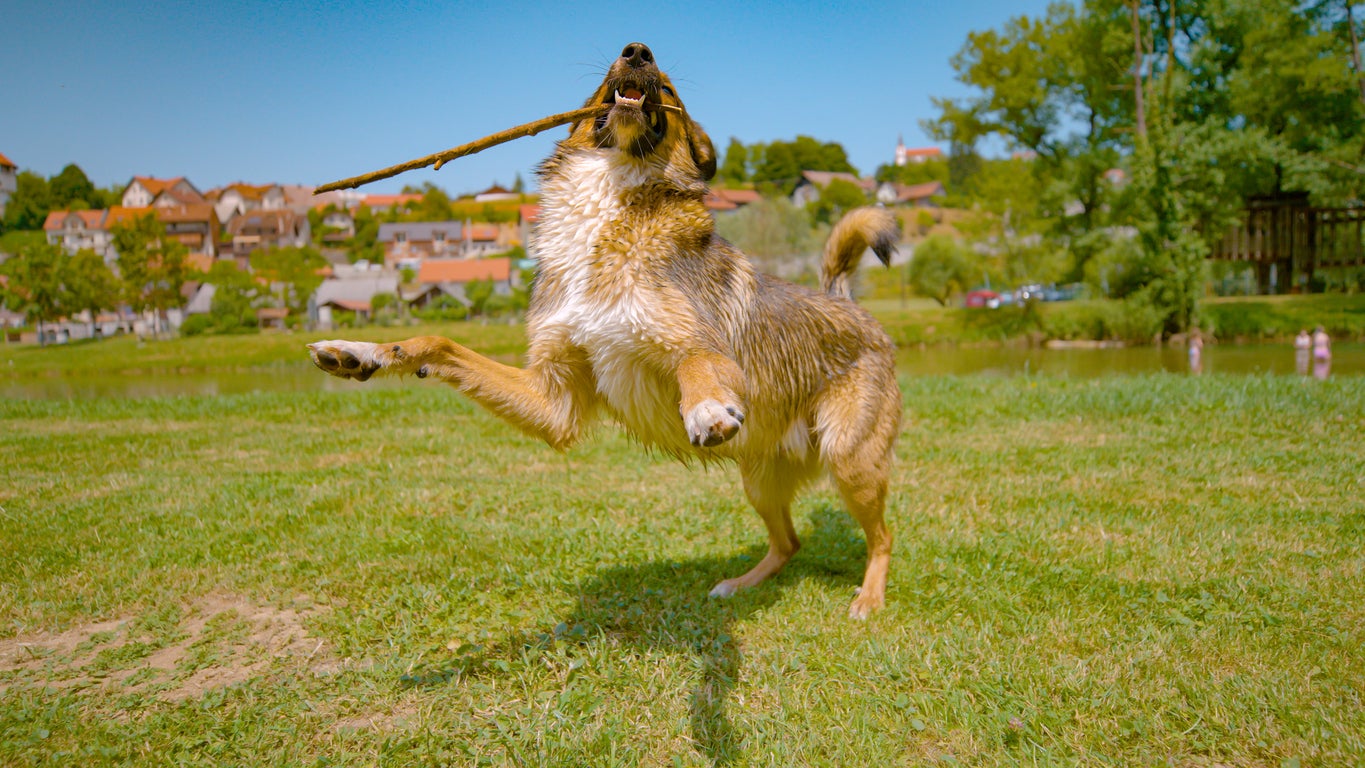
Unless there’s an element of immediate danger, there is no reason to stop your cat or dog from enjoying their burst of fun
Unless there’s an element of immediate danger, there is no reason to stop your cat or dog from enjoying their burst of fun (Getty Images/iStockphoto)

Enjoying shared activities such as play with your dog or cat can have many benefits for the human-animal relationship. It’s also a lot of fun for you!

When should I be worried?

Zoomies are usually a completely normal (and fun) part of being a dog or cat.

Sometimes, however, it may be a symptom of either stress or an underlying medical condition.

As always, context is key. You should consult with your veterinarian if your dog or cat is displaying the behaviour for extended periods of time (in particular, spinning, or behaviours occurring during times of confinement). These might be signs of a repetitive behaviour disorder.

If you struggle to distract or stop the behaviour, or if it is resulting in injuries, seek veterinary assistance.

Even if you don’t get the call of the zoomies yourself, take a moment to stop and enjoy your dog or cat having fun.

Sometimes we all need to run wild.

Share. Facebook Twitter Pinterest LinkedIn Tumblr Telegram Email

Related News

Wife and children of Argentine football player Lucas Trejo killed in Venezuela earthquakes – UK Times

Wife and children of Argentine football player Lucas Trejo killed in Venezuela earthquakes – UK Times

30 June 2026
Sewage spills into lakes and swimming ponds as Britons dash to cold water during heatwave – UK Times

Sewage spills into lakes and swimming ponds as Britons dash to cold water during heatwave – UK Times

30 June 2026
Republican and MAGA voters show unexpected support for foreign aid in poll – UK Times

Republican and MAGA voters show unexpected support for foreign aid in poll – UK Times

30 June 2026

Brother of Caroline Flack found unresponsive at Norwich home | UK News

30 June 2026
Heathrow offers free therapy to residents over ‘incredibly difficult’ expansion plans – UK Times

Heathrow offers free therapy to residents over ‘incredibly difficult’ expansion plans – UK Times

30 June 2026
Murder investigation launched after man fatally stabbed in west London – UK Times

Murder investigation launched after man fatally stabbed in west London – UK Times

30 June 2026
Top News
Wife and children of Argentine football player Lucas Trejo killed in Venezuela earthquakes – UK Times

Wife and children of Argentine football player Lucas Trejo killed in Venezuela earthquakes – UK Times

30 June 2026
Sewage spills into lakes and swimming ponds as Britons dash to cold water during heatwave – UK Times

Sewage spills into lakes and swimming ponds as Britons dash to cold water during heatwave – UK Times

30 June 2026
Providing modular study for HTQs in rural areas – Case study

Providing modular study for HTQs in rural areas – Case study

30 June 2026

Subscribe to Updates

Get the latest UK news and updates directly to your inbox.

Recent Posts

  • Wife and children of Argentine football player Lucas Trejo killed in Venezuela earthquakes – UK Times
  • Sewage spills into lakes and swimming ponds as Britons dash to cold water during heatwave – UK Times
  • Providing modular study for HTQs in rural areas – Case study
  • Super Bowl champion Seahawks’ $7bn sale reaches major milestone as list of potential new owners emerges
  • Republican and MAGA voters show unexpected support for foreign aid in poll – UK Times

Recent Comments

No comments to show.
© 2026 UK Times. All Rights Reserved.
  • Privacy Policy
  • Terms of use
  • Advertise
  • Contact Us

Type above and press Enter to search. Press Esc to cancel.

Go to mobile version