


South Africa experienced widespread disruption on Tuesday as fears of escalating anti-immigrant violence prompted a de facto shutdown across the nation.
Businesses remained closed, public transport stood idle, and many workers opted to stay home amid concerns that planned marches targeting foreign nationals could turn violent.
Thousands of foreign nationals from other African countries had already fled, while many more avoided their workplaces, ahead of a Tuesday deadline set by demonstrators for all undocumented migrants to depart.
The ultimatum was widely interpreted as a direct physical threat, echoing previous xenophobic protests in South Africa that have resulted in violence against immigrants and their possessions, often without distinguishing between those who entered legally or illegally.
Police and military in the streets
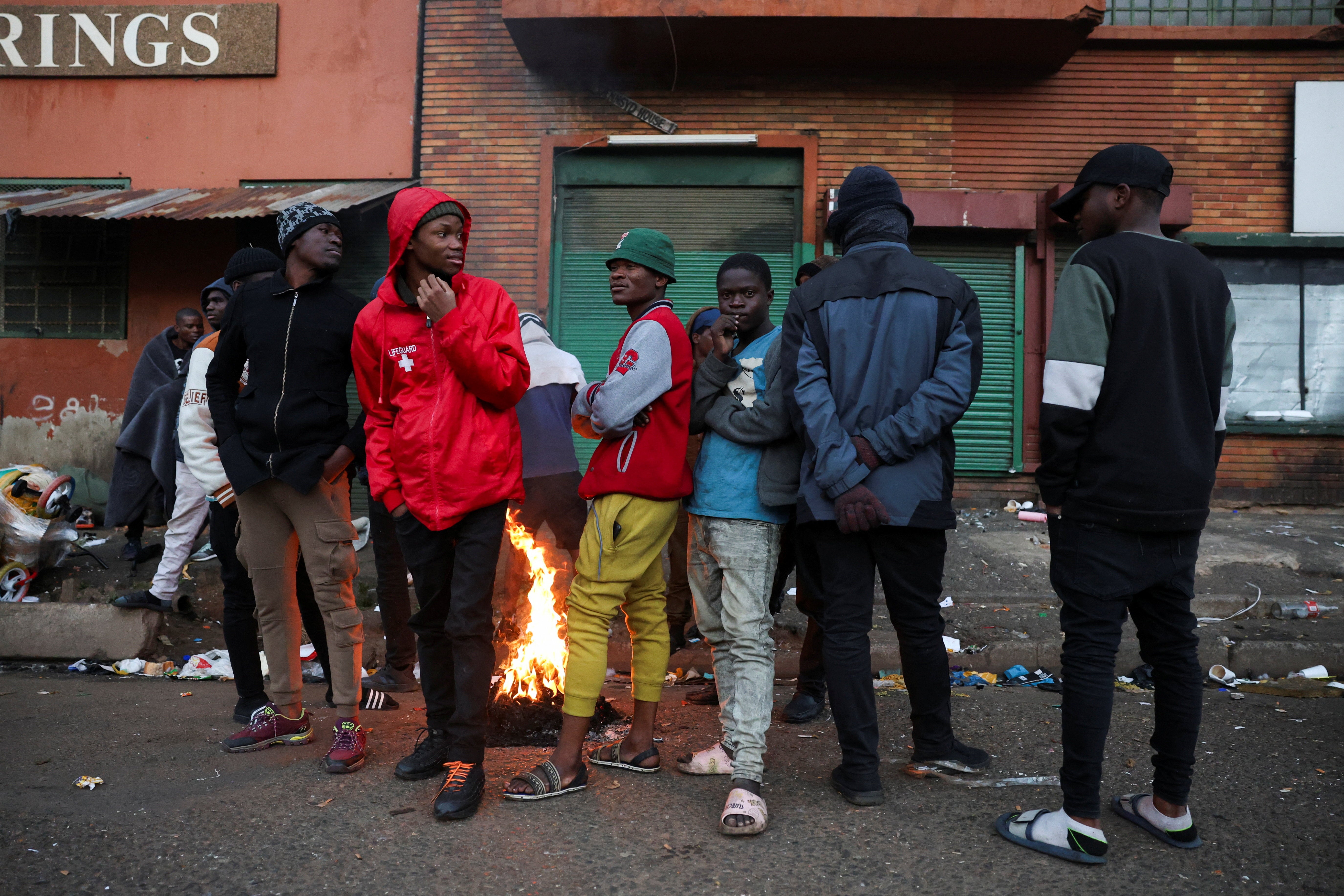
Landlords in the main city Johannesburg and port city of Durban were evicting foreign tenants for fear of their buildings being vandalised, witnesses said.
“All these people, they were chased out by their landlords,” Mabako Majole, a leader of the Congolese community, said next to a crowd of 100 people sleeping on the street in downtown Durban. “All these people are legal. They have documents.”
Police and military were deployed to the streets to try to keep order during the marches in several cities, `which are expected to attract many thousands of mostly poor or unemployed South Africans. “The state has the duty and obligation to ensure that those that are demonstrating do so peacefully,” Deputy National Commissioner for Policing Tebello Mosikili told a news conference late on Monday.
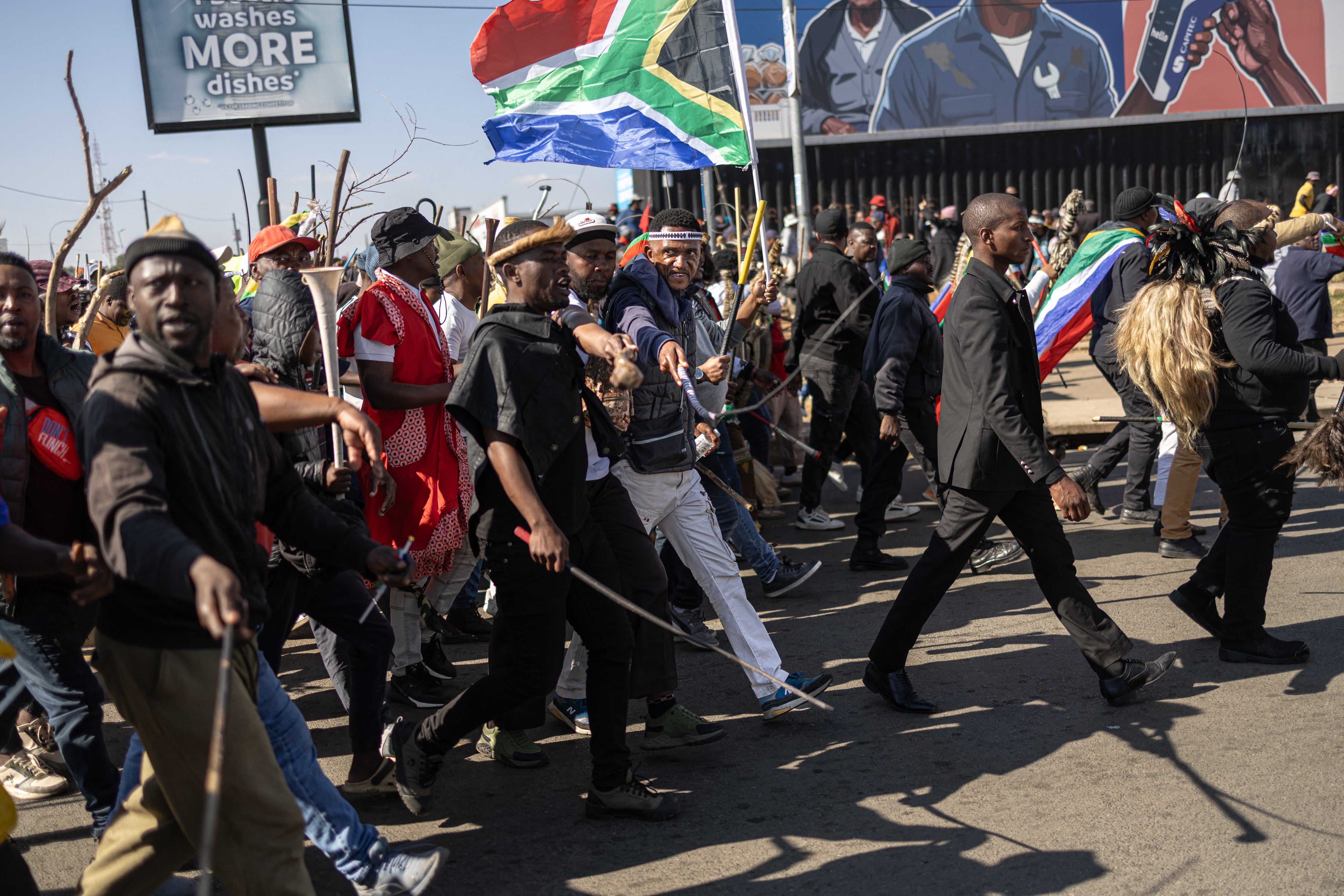
The latest anti-immigrant sentiment, and a failure by police so far to protect victims of attacks, have tarnished South Africa’s post-Mandela reputation as a human rights defender, and strained its relations with the rest of the continent. Statements by politicians have also endorsed the marchers’ concerns, even while they condemned thuggishness.
“South Africans’ … deep concerns about illegal immigration … are real and they deserve to be `heard,” President Cyril Ramaphosa said in a statement on Monday. “But the right to protest … does not allow people to threaten or intimidate others, or to engage in acts of vandalism or violence,” he added.