
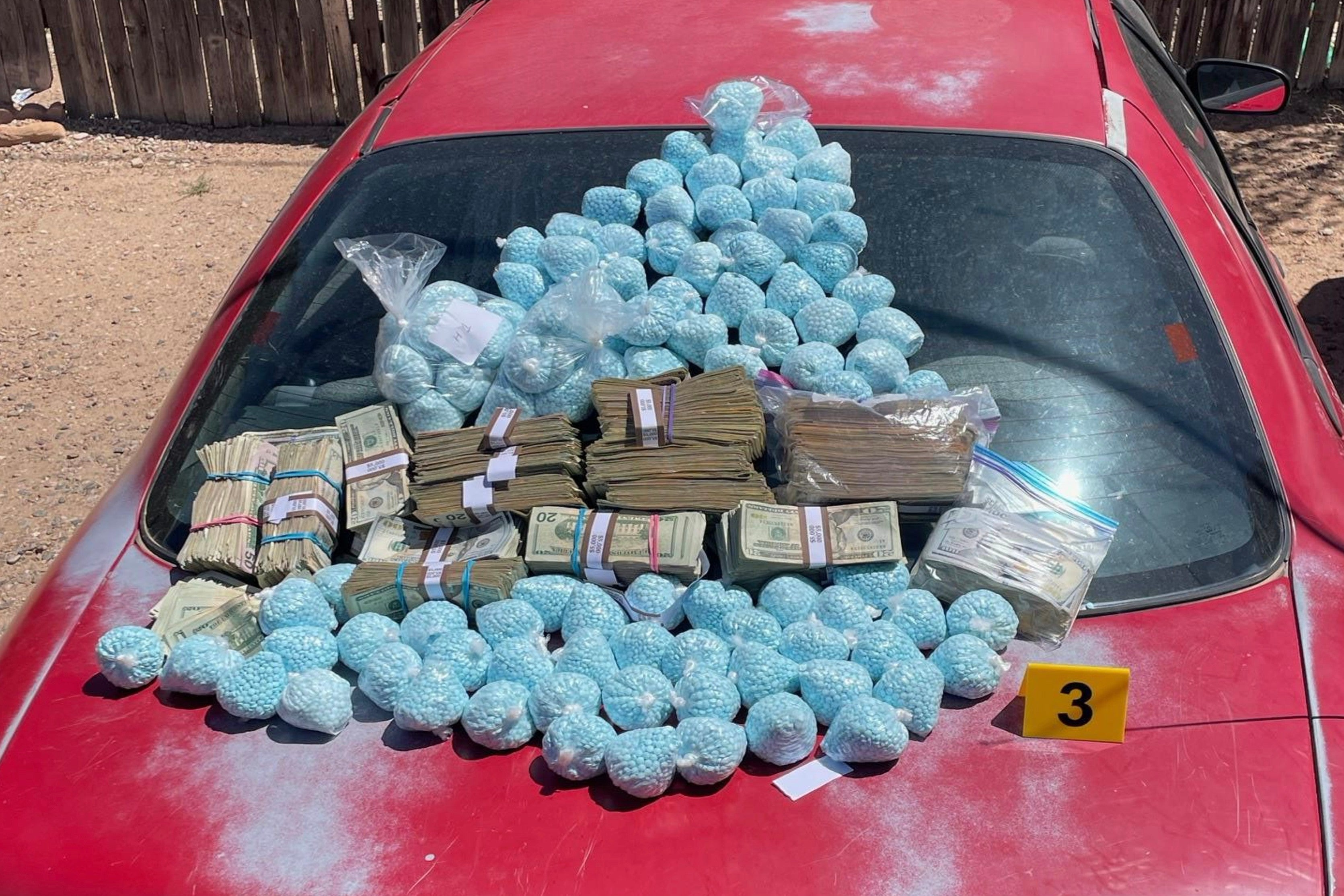
The U.S. Drug Enforcement Administration (DEA) permitted hundreds of thousands of fentanyl pills to flood the streets of New Mexico between 2023 and 2025, even as the state grappled with the deadliest drug epidemic in American history.
This controversial tactic, revealed by three current and former DEA agents and government records reviewed by The Associated Press, involved agents monitoring but deliberately not seizing fentanyl shipments, a strategy purportedly aimed at building larger criminal cases against traffickers of the synthetic opioid.
However, this approach has been vehemently condemned by agents and experts as a dangerous gamble with public safety, potentially imperiling communities in and around Albuquerque and possibly violating U.S. Justice Department rules designed to protect the public.
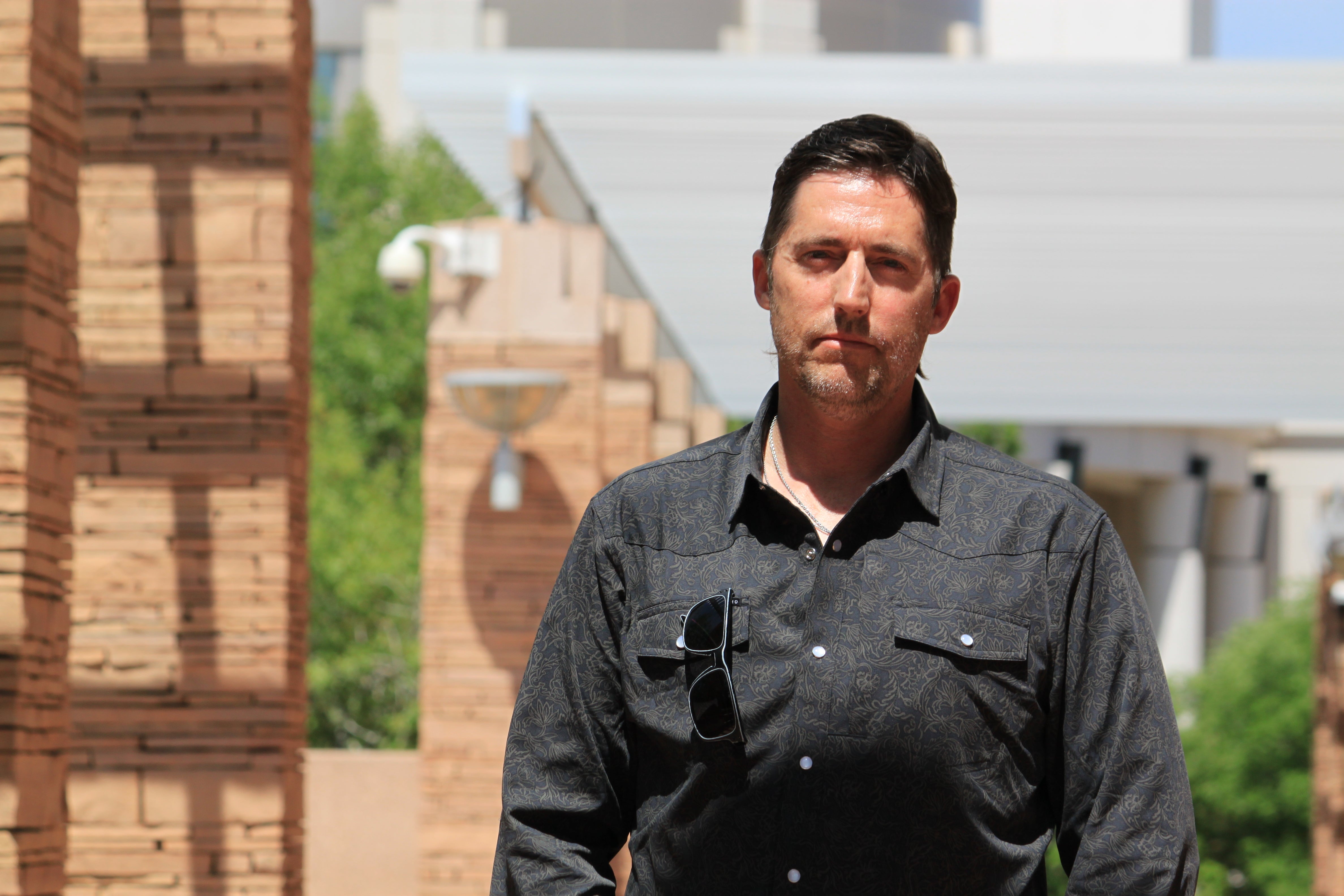
“We poisoned our community to make cases,” DEA Special Agent David Howell told AP. “Through our own willful blindness, we get to say, ‘We don’t really know what happened to the drugs.’ But we 100% got people killed.”
While the DEA maintains that seizing every drug shipment is impractical, the decision to allow staggering quantities of counterfeit painkillers to circulate shocked several veteran agents who spoke with AP.
Fentanyl, manufactured primarily in Mexican labs, became the DEA’s top priority due to surging overdose deaths and its extreme lethality, which complicated traditional drug interdiction methods. Justice Department guidelines for fentanyl encourage seizure “whenever practicable” due to its danger.
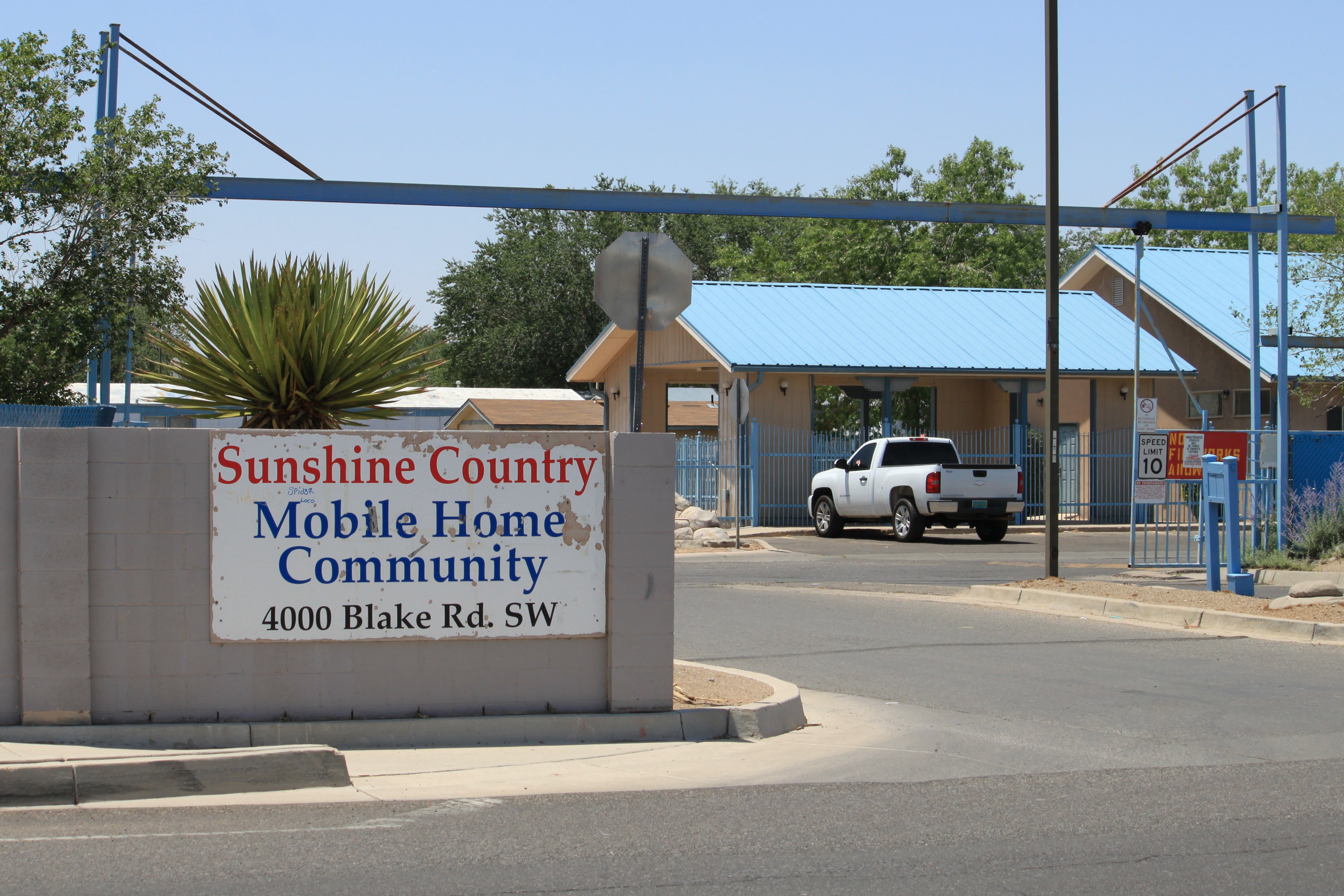
New Mexico remains at the epicenter of the fentanyl crisis, with Albuquerque experiencing a neighborhood so drug-ridden it’s known as “War Zone.” Last year, while national overdose deaths decreased by 14%, New Mexico saw a 21% spike.
Alex Uballez, who served as U.S. attorney in New Mexico until last year, defended the strategy, stating that allowing shipments to go unseized was part of a broader effort to gather intelligence and prosecute larger drug trafficking organizations.
He argued this approach, given limited resources, could have a greater impact than intercepting every transaction. “The bigger fish are worth catching,” Uballez said, “and that will save more lives.” The DEA recorded its largest fentanyl bust in Albuquerque last year.
In response, DEA spokesperson Amanda Wozniak stated that “the investigative decisions at issue were lawful, reasonable under the circumstances and consistent with Department guidance.”
She added that “Public descriptions suggesting that DEA knowingly permitted fentanyl to reach communities are false and fundamentally mischaracterize the facts,” asserting that investigations involved court-authorized wiretaps, real-time surveillance, intelligence gathering, and operational analysis targeting major organizations.
Despite these assurances, records show the DEA possessed precise intelligence on drug deliveries, including exact pill counts.
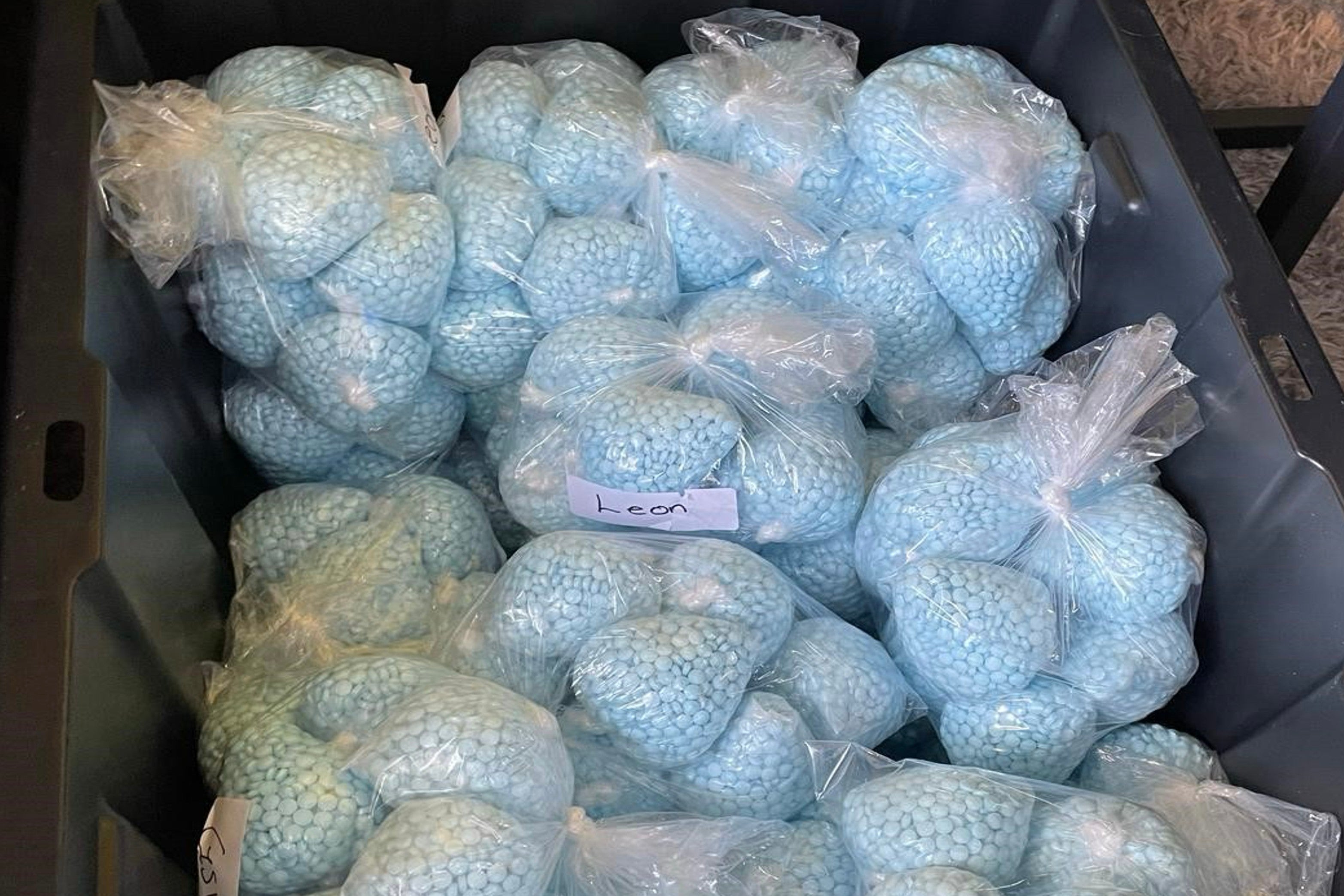
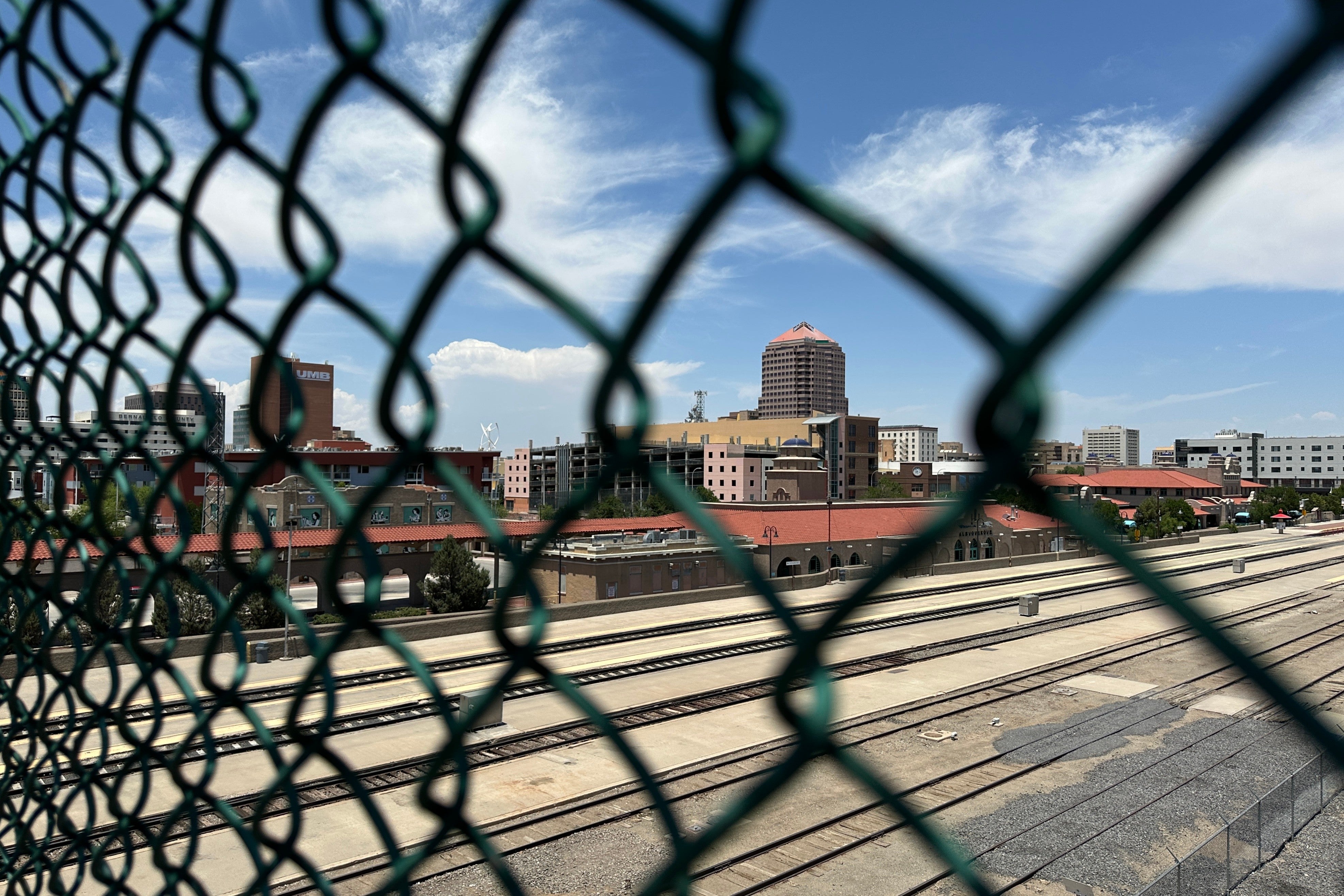
For instance, agents deciphered coded communications and surveilled a June 2023 transaction in Albuquerque where 74,000 pills were delivered but not seized.
Days prior, another report indicated investigators watched the same ring deliver a spare tire concealing another suspected fentanyl shipment that also went unseized.
“We did nothing, but sit back and watch,” said Howell, who filed an official whistleblower complaint in 2023. Months passed before traffickers were busted, and Howell claims authorities cannot account for the unseized drugs.
Tristan Leavitt, president of Empower Oversight, a whistleblower advocacy group, called it “outrageous to put that many lives at risk in hopes of making a big case.”
A former DEA supervisor, speaking anonymously, confirmed that he and his Albuquerque colleagues allowed “millions” of pills to go unseized during a multi-state investigation last year.
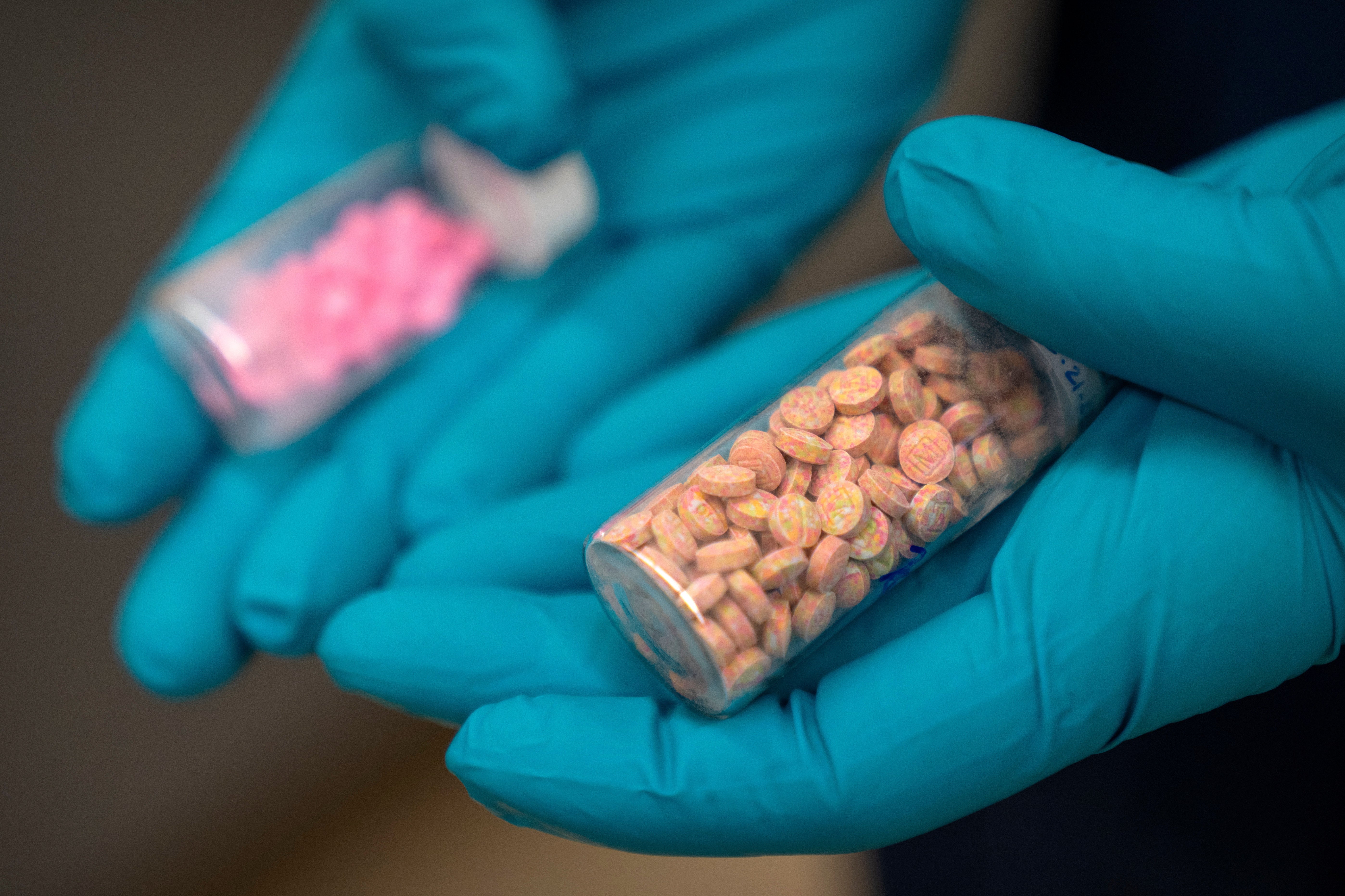
Howell’s disclosures reported at least 1.8 million fentanyl pills were permitted for delivery in that case, which culminated in the DEA’s largest fentanyl bust, seizing over 3 million pills in May 2025. The former supervisor noted that the amount seized was hitting the streets monthly during the investigation.
The U.S. Attorney’s Office in Albuquerque declined to address specific questions about the unseized shipments, with spokesperson Tessa DuBerry stating that the “conduct” Howell highlighted occurred under the prior administration.
Uballez, the former U.S. attorney, questioned the reliability of pill counts based on intercepted calls but acknowledged the tactic of “walking” drugs.
The Justice Department’s internal “Fentanyl Protocols,” adopted in 2017, initially mandated agents to “seize or otherwise prevent the distribution” of fentanyl “as soon as practicable,” explicitly emphasizing that “protecting public safety is paramount,” regardless of whether seizures might compromise ongoing investigations.
However, these rules were rewritten in 2024, granting law enforcement more discretion to balance public safety risks against the benefits of preserving an investigation. The DEA manual typically advocates for seizing drugs but allows for exceptions when investigative objectives are better served.
Several agents likened the decision to permit fentanyl to hit the streets to the infamous “Operation Fast and Furious” of 2011, a gun-walking scandal where assault weapons were smuggled into Mexico, leading to bipartisan criticism after two guns were linked to a Border Patrol agent’s fatal shooting.
Howell’s growing alarm over unseized fentanyl led him to flag overdose deaths, including that of a 15-month-old toddler in Española, New Mexico, who died after ingesting fentanyl residue.
He took his allegations to the U.S. Office of Special Counsel (OSC), which initially found a “substantial likelihood of wrongdoing” and requested a Justice Department investigation.
Howell informed the Justice Department’s Office of Professional Responsibility (OPR) that agents had observed, but not seized, separate deliveries of 150,000 and 50,000 fentanyl pills, warning that authorities would be unable to prove the fentanyl they could have stopped did not cause deaths.
However, OPR concluded in 2024 that the DEA and U.S. attorney’s office made reasonable decisions, posing no “specific danger to public health,” a finding the OSC deemed reasonable.
Howell, meanwhile, faced repercussions, including desk duty, docked performance evaluations, and being barred from testifying in federal court due to his “pattern of refusing to heed” admonitions to allow drugs to go unseized.
Current and former agents expressed bewilderment at the watchdog’s findings, given the DEA’s own “One Pill Can Kill” campaign and the drug’s extreme hazards.