


UK TimesUK Times
  • Home
  • News
  • TV & Showbiz
  • Money
  • Health
  • Science
  • Sports
  • Travel
  • More
    • Web Stories
    • Trending
    • Press Release
What's Hot
World Cup commentator Warren Barton ‘dripping with blood’ after being hit by projectile at Uzbekistan v Colombia – UK Times

World Cup commentator Warren Barton ‘dripping with blood’ after being hit by projectile at Uzbekistan v Colombia – UK Times

18 June 2026
How Thomas Tuchel got England off to a winning start: The Jude Bellingham treatment, the Arsenal set-piece trick, the half-time rant and the clever use of the bench…but why the defence is a cause for concern

How Thomas Tuchel got England off to a winning start: The Jude Bellingham treatment, the Arsenal set-piece trick, the half-time rant and the clever use of the bench…but why the defence is a cause for concern

18 June 2026

A47 eastbound at a minor junction between B1370 and B1375 | Eastbound | Road Works

18 June 2026
Facebook X (Twitter) Instagram
UK TimesUK Times
Subscribe
  • Home
  • News
  • TV & Showbiz
  • Money
  • Health
  • Science
  • Sports
  • Travel
  • More
    • Web Stories
    • Trending
    • Press Release
UK TimesUK Times
Home » The Antarctic bacterium species that could be key to new cancer treatments – UK Times
News

The Antarctic bacterium species that could be key to new cancer treatments – UK Times

By uk-times.com18 June 2026No Comments3 Mins Read
Facebook Twitter LinkedIn Telegram Pinterest Tumblr Reddit WhatsApp Email
The Antarctic bacterium species that could be key to new cancer treatments – UK Times
Share
Facebook Twitter LinkedIn Pinterest Email

Sign up for our free Health Check email to receive exclusive analysis on the week in health

Get our free Health Check email

Get our free Health Check email

Health Check

A species of bacteria living in the icy waters surrounding Antarctica could hold clues to future cancer treatment, especially for those battling melanoma, scientists say.

Researchers found that the melanoma-killing bacterium was growing on marine organisms called ascidians, or sea squirts, during a six-week expedition to one of the most remote environments on the planet.

“We first discovered this ascidian produces a bacterium that contains a toxic compound that kills melanoma cancer cells while not harming normal human cells,” said Bill Baker, a professor of chemistry at the University of South Florida.

“That selectivity is critical in drug development because you want to treat the disease without harming the patient,” Dr Baker said.
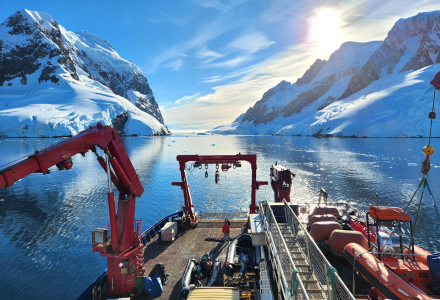
USF researchers explore Antarctica
USF researchers explore Antarctica (USF)

Many marine organisms in the frigid Antarctic waters rely on chemical defences to survive in the harsh environment, producing compounds that can deter predators and disease.

“The continent is unique because it has been geographically and environmentally isolated for millions of years,” Dr Baker said.

“As a result, species in Antarctica have had time to evolve independently, leading to highly specialised organisms. The ascidians we study are adapted specifically to this environment and are not found anywhere else,” he explained.

One of the compounds found to act effectively against melanoma cells is “palmerolide A” produced by the bacterium Candidatus Synoicihabitans palmerolidicus.
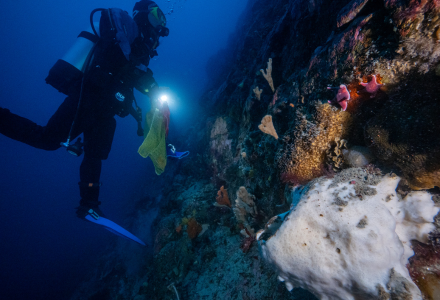
Researcher looks for sea squirt in waters off Antarctica
Researcher looks for sea squirt in waters off Antarctica (USF)

The latest expedition sought to find where the melanoma-killing bacterium occurs in the Antarctic and how widespread it is.

“We also wanted to understand how it lives inside the organism [sea squirt] and how that connects to the compounds linked to melanoma research,” Dr Baker said.

Researchers hope to further understand how the compounds are produced naturally and whether they can eventually be harnessed for medical applications.

Sea squirts harbouring the melanoma-killing bacteria are typically found at depths between about 18 and 24m (60 and 80ft), often along sloped or vertical seafloor surfaces where water currents are strong, scientists found.

At these depths, currents help deliver nutrients that sustain the organisms, they say.
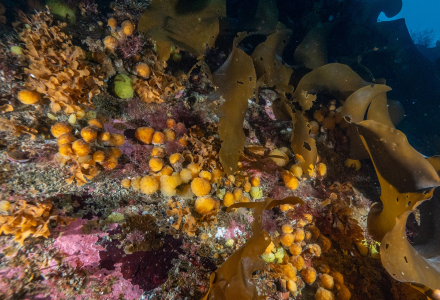
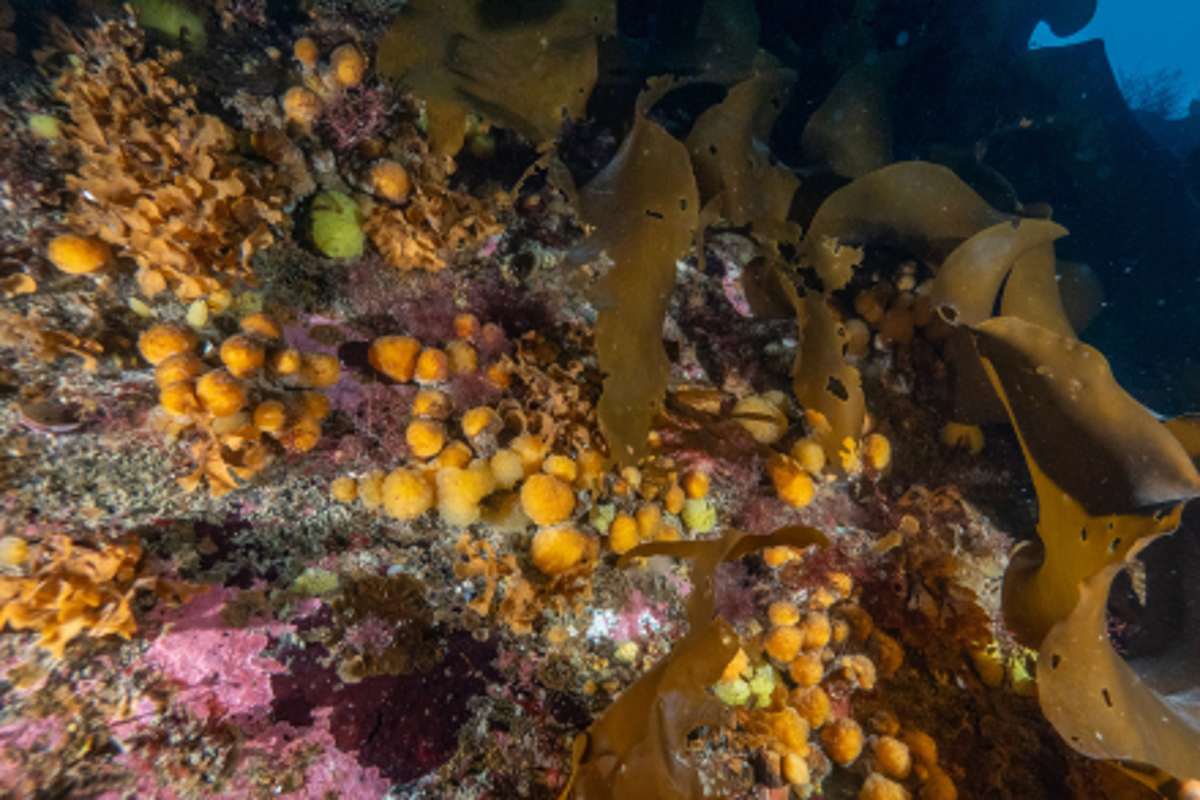
Antarctic sea squirt
Antarctic sea squirt (USF)

Researchers conducted multiple dives and used two remotely operated vehicles to explore deeper waters.

The dives were carefully planned to ensure the safety of the scientists and the samples, they say.

“This research is important both environmentally and medically. We are learning how organisms use symbiosis to survive in extreme conditions, which is still largely unknown in cold-water ecosystems like Antarctica,” Dr Baker said.

“Understanding the source and function of this compound is critical if we hope to develop it into a drug,” he said.

Share. Facebook Twitter Pinterest LinkedIn Tumblr Telegram Email

Related News

World Cup commentator Warren Barton ‘dripping with blood’ after being hit by projectile at Uzbekistan v Colombia – UK Times

World Cup commentator Warren Barton ‘dripping with blood’ after being hit by projectile at Uzbekistan v Colombia – UK Times

18 June 2026

A47 eastbound at a minor junction between B1370 and B1375 | Eastbound | Road Works

18 June 2026
A city’s push for facial recognition on public buses ignites debate over security and privacy – UK Times

A city’s push for facial recognition on public buses ignites debate over security and privacy – UK Times

18 June 2026

A14 J7 westbound exit | Westbound | Road Works

18 June 2026

A14 westbound within J6 | Westbound | Road Works

18 June 2026
Colton Underwood admits he used to only hook up with married men – UK Times

Colton Underwood admits he used to only hook up with married men – UK Times

18 June 2026
Top News
World Cup commentator Warren Barton ‘dripping with blood’ after being hit by projectile at Uzbekistan v Colombia – UK Times

World Cup commentator Warren Barton ‘dripping with blood’ after being hit by projectile at Uzbekistan v Colombia – UK Times

18 June 2026
How Thomas Tuchel got England off to a winning start: The Jude Bellingham treatment, the Arsenal set-piece trick, the half-time rant and the clever use of the bench…but why the defence is a cause for concern

How Thomas Tuchel got England off to a winning start: The Jude Bellingham treatment, the Arsenal set-piece trick, the half-time rant and the clever use of the bench…but why the defence is a cause for concern

18 June 2026

A47 eastbound at a minor junction between B1370 and B1375 | Eastbound | Road Works

18 June 2026

Subscribe to Updates

Get the latest UK news and updates directly to your inbox.

Recent Posts

  • World Cup commentator Warren Barton ‘dripping with blood’ after being hit by projectile at Uzbekistan v Colombia – UK Times
  • How Thomas Tuchel got England off to a winning start: The Jude Bellingham treatment, the Arsenal set-piece trick, the half-time rant and the clever use of the bench…but why the defence is a cause for concern
  • A47 eastbound at a minor junction between B1370 and B1375 | Eastbound | Road Works
  • A city’s push for facial recognition on public buses ignites debate over security and privacy – UK Times
  • A14 J7 westbound exit | Westbound | Road Works

Recent Comments

No comments to show.
© 2026 UK Times. All Rights Reserved.
  • Privacy Policy
  • Terms of use
  • Advertise
  • Contact Us

Type above and press Enter to search. Press Esc to cancel.

Go to mobile version