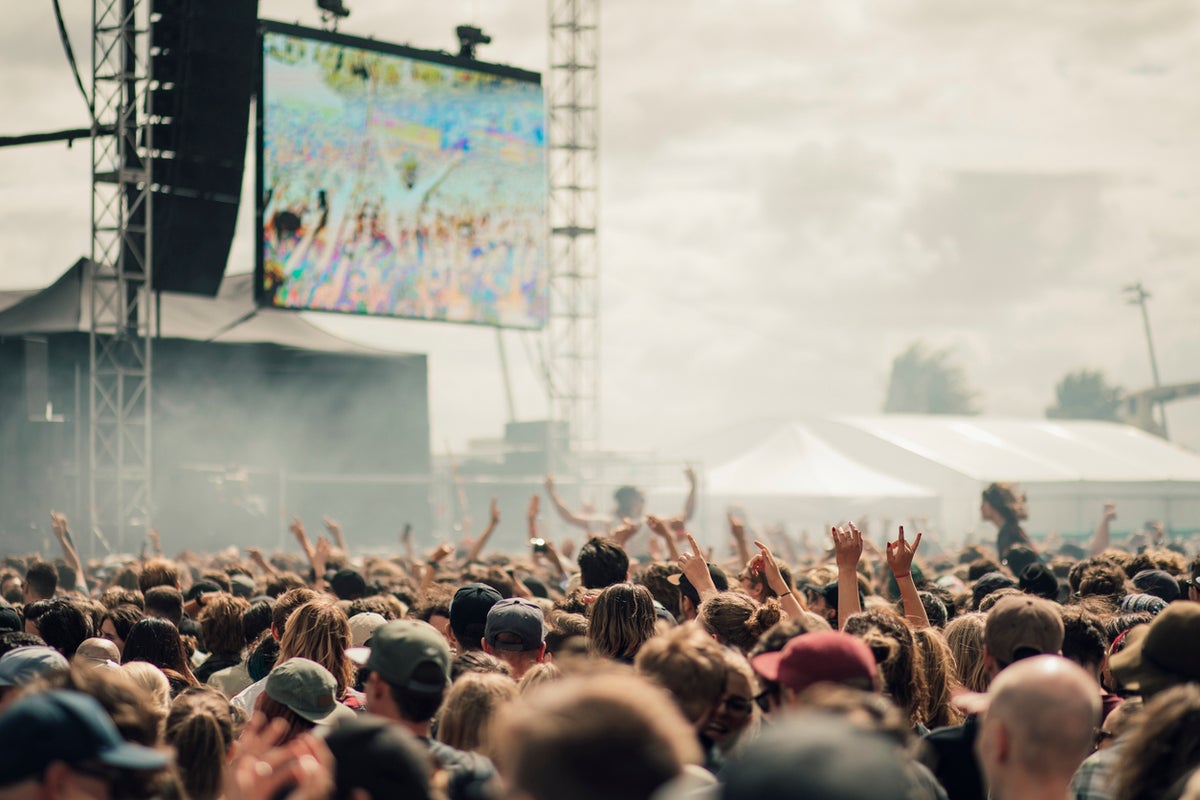
The pulsating bass and soaring vocals of a live concert offer an unparalleled experience, but for many, the euphoria is often followed by an unwelcome ringing in the ears. Kristin Shires, a social media coordinator from Houston, found herself in this familiar predicament after seeing Misterwives.
“The half hour after the show my ears were like, ‘Are we okay?’” Shires recounted, describing the persistent ringing. “There was some ringing going on.”
While the sheer volume is an integral part of the visceral thrill of live music, experts are increasingly urging concertgoers to consider a simple, yet often overlooked, protective measure: earplugs. The notion that earplugs diminish the experience is a common misconception; rather, they turn the volume down, not off, preserving the sound quality while safeguarding hearing.
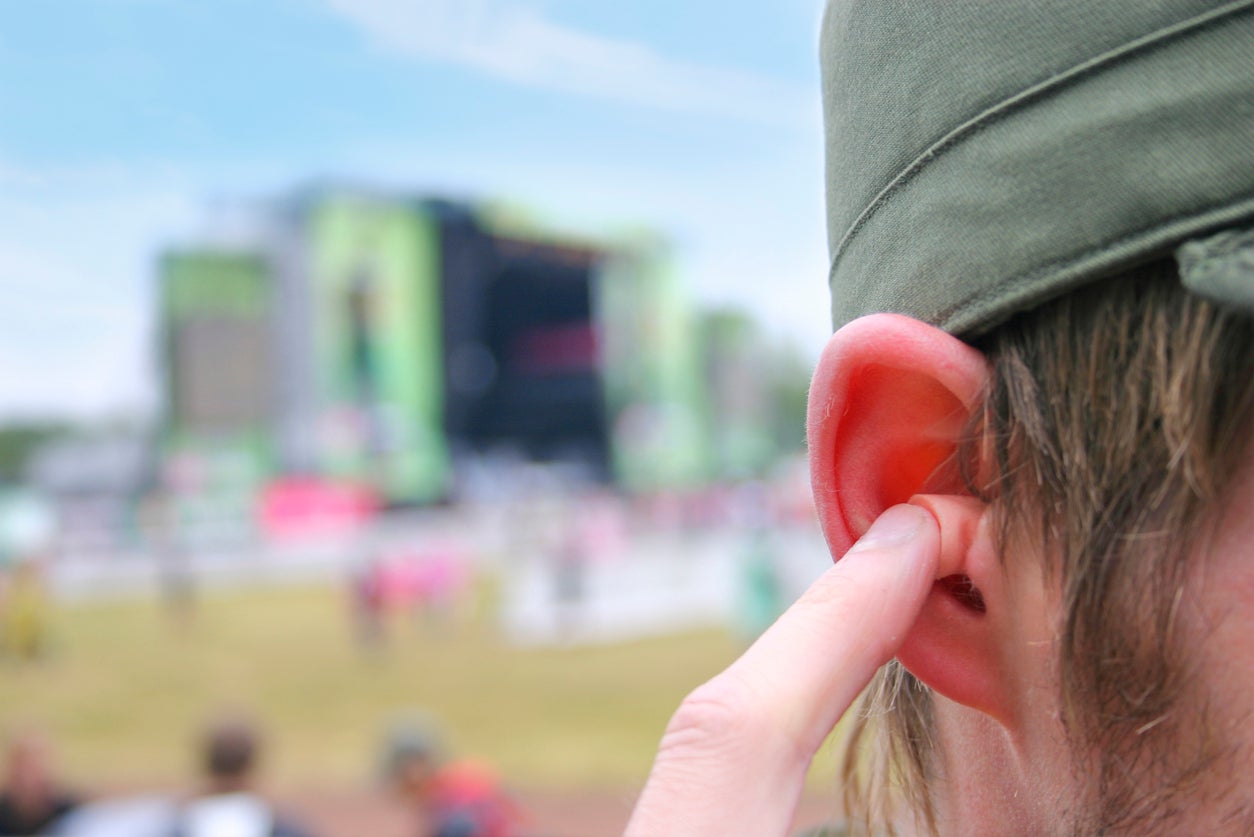
A growing number of young people, including Shires, are embracing this preventative step to ensure they can enjoy many more concerts in the future. For those concerned about appearing unfashionable, the market now offers stylish options, including plugs with attached earrings and decorative bling, designed to blend seamlessly with concert attire.
“People think that we are young and invincible, and that’s true to a certain extent,” explained Asia Pon, an audiologist at Keck Medicine of the University of Southern California, who herself uses earplugs at shows. “But repeated exposure over time can certainly accumulate and lead to permanent damage in the long run.”
Earplugs protect against long-term hearing damage
The pulsating bass and soaring vocals of a live concert offer an unparalleled experience, but for many, the euphoria is often followed by an unwelcome ringing in the ears. Kristin Shires, a social media coordinator from Houston, found herself in this familiar predicament after seeing Misterwives.
“The half hour after the show my ears were like, ‘Are we okay?’” Shires recounted, describing the persistent ringing. “There was some ringing going on.”
While the sheer volume is an integral part of the visceral thrill of live music, experts are increasingly urging concertgoers to consider a simple, yet often overlooked, protective measure: earplugs. The notion that earplugs diminish the experience is a common misconception; rather, they turn the volume down, not off, preserving the sound quality while safeguarding hearing.
A growing number of young people, including Shires, are embracing this preventative step to ensure they can enjoy many more concerts in the future. For those concerned about appearing unfashionable, the market now offers stylish options, including plugs with attached earrings and decorative bling, designed to blend seamlessly with concert attire.
“People think that we are young and invincible, and that’s true to a certain extent,” explained Asia Pon, an audiologist at Keck Medicine of the University of Southern California, who herself uses earplugs at shows. “But repeated exposure over time can certainly accumulate and lead to permanent damage in the long run.”
Even a simple pair of earplugs can get the job done — if they fit
Concertgoers looking to protect their hearing have a range of accessible options, from free earplugs offered at many venues and festivals to over-the-counter choices at drugstores. Selecting the right pair is crucial for both enjoyment and safety.
When choosing earplugs, prioritize those with a Noise Reduction Rating (NRR) typically labeled between 15 and 30 decibels. This range offers an optimal balance, allowing music to be enjoyed while significantly reducing the risk of hearing damage. However, the effectiveness of any earplug hinges on a proper fit.
For foam earplugs, ensure a snug seal by straightening the ear canal — pull the ear up and back — then roll the plug tightly before inserting it as deeply as comfortable. Hold it in place until it expands. A quick check in a mirror should confirm no large sections are protruding, and testing them with music at home can help verify their sound-dampening capabilities.
For those struggling to find a suitable fit, audiologists can provide custom-fitted earplugs. While a more significant investment, these often feature adjustable filters tailored to different venues and are reusable, unlike foam plugs which are designed for single use.
Earplugs don’t make concerts sound worse
When Shires wore her first pair of earplugs to see the alternative pop band Valley, she wasn’t sure what to expect. It took a little adjusting to, but soon everything smoothed out and she could hear the music clearly with some of the crowd noise filtered.
“After the first few songs, it’s like they weren’t even there. I was just enjoying the show,” she said. Now, she keeps them in a case attached to her keys and has worn them to see many of her favorite artists including Hayley Williams and Taylor Swift. Many of her concert-going friends wear earplugs too, and she gets asked about them by the friends who don’t wear them.
If your ears feel clogged or muffled or ringing persists in the days or weeks following a concert, consider seeing an audiologist to get a hearing test. Also see a doctor if you experience more severe symptoms like dizziness, pain or ear drainage.
A slight change to a concert’s sound now can preserve hearing for the future. Audiologist Meaghan Reed with Massachusetts Eye and Ear often sees patients who tell her that music doesn’t sound as clear or natural as it used to.
“It might have a temporary impact of your enjoyment of the music right now, but it’s offset by saving your ability to hear music in the future,” Reed said.